Drone Technology

Drone technology has evolved dramatically in recent years, revolutionising industries across the globe. From filmmaking to infrastructure inspections, drones are now an integral part of how we capture data, assess environments, and create stunning visuals. In this section, we explore the latest advancements in drone technology and how it continues to shape industries such as media, real estate, agriculture, and beyond.

What is Drone Technology?

At its core, drone technology refers to the use of unmanned aerial vehicles (UAVs) to perform various tasks. These UAVs, commonly known as drones, are equipped with advanced systems that allow them to fly autonomously or under the control of a human operator. Modern drones are fitted with cameras, sensors, GPS systems, and other technologies that enable them to perform complex tasks with precision and efficiency.

Drone technology can be broken down into several components, including flight control systems, stabilisation technology, and payload capabilities. Today’s drones come with built-in stabilisers that allow them to hover in place, making them ideal for photography, videography, and surveillance.

Types of Drones

There are many different types of drones available today, each designed for specific tasks. Fixed-wing drones, for example, are designed for long-range flight and are often used in large-scale surveys or environmental monitoring. Rotary-wing drones, such as quadcopters, are the most common type used for commercial applications, offering excellent stability and manoeuvrability for short to medium-range flights.

Multi-rotor drones are the go-to choice for filmmakers, surveyors, and photographers due to their ability to hover in one spot for extended periods. These drones are perfect for capturing detailed imagery and videos. As drone technology continues to advance, more specialised drones are being developed for tasks such as precision agriculture, 3D mapping, and emergency response.

The Role of Artificial Intelligence in Drone Technology

Artificial Intelligence (AI) is increasingly becoming a key player in the development of drone technology. With AI, drones can autonomously navigate through complex environments, detect objects, and even learn from their surroundings. AI-powered drones can process vast amounts of data in real-time, making them highly efficient for tasks such as crowd monitoring, search and rescue missions, and inspections.

One of the most exciting developments in AI and drone technology is object detection. Drones equipped with AI-based sensors can identify and track objects like vehicles, people, and infrastructure in real-time. This is especially useful in industries like security, where drones can provide enhanced surveillance and threat detection capabilities.

Applications of Drone Technology

Drone technology has diverse applications across various sectors. In the film and television industry, drones have become indispensable for capturing aerial footage that was once only achievable with helicopters. Today, filmmakers rely on drones for smooth, dynamic shots that add depth and perspective to their visuals.

In real estate, drones are used to create captivating property listings with aerial views, helping potential buyers get a better sense of the property’s layout and surrounding area. Drones have also made a significant impact in agriculture, where they are used for crop monitoring, irrigation management, and even planting seeds in remote or difficult-to-reach locations.

Another important application of drone technology is in construction and infrastructure. Drones can easily survey large sites, providing up-to-date information on the progress of projects. They also make inspections safer and more cost-effective by allowing engineers to assess structures without putting themselves at risk.

Future of Drone Technology

The future of drone technology is incredibly promising, with new innovations emerging all the time. As UAV technology continues to evolve, we can expect drones to become even more autonomous, efficient, and versatile. With the integration of technologies such as 5G, AI, and machine learning, the possibilities are endless.

From delivering packages to mapping disaster zones, the role of drones in our daily lives is only set to expand. At Flying Glass, we are constantly staying ahead of these advancements to provide our clients with the most cutting-edge drone technology available.

Stay tuned to this category for the latest updates on drone technology, including new features, industry trends, and applications that are shaping the future.

Do Drones Have Microphones? Drone flying with hanging microphones beneath it, illustrating audio recording questions

As drone usage continues to rise across Australia — from aerial cinematography to inspections and recreational flying — a common question keeps surfacing: do drones have microphones? Whether you’re concerned about privacy or interested in capturing rich sound to match your visuals, this article dives into everything you need to know about drones and audio recording.

Can Drones Listen to Conversations?

This is one of the most frequently asked questions from both drone enthusiasts and those concerned about surveillance. The short answer is: no, drones generally cannot listen to conversations. Most consumer and professional drones on the market today do not come equipped with audio recording capabilities that could pick up human conversations from the air. The main reason is environmental: drones are inherently noisy. The propellers and motors generate constant sound interference, which would drown out any useful audio, especially speech from ground level.

Can Drones Have Microphones?

Technically, yes — it is possible to attach a microphone to a drone. However, this is rarely done in practice. Here’s why:

  • Noise interference: The drone’s own operational noise makes capturing clear audio extremely difficult.
  • Legal limitations: Recording private conversations without consent may breach Australian privacy laws.
  • Weight and power: Adding external audio equipment increases the drone’s payload, reducing flight time and performance.
  • Signal transmission: Real-time audio transmission from a flying drone introduces latency and reliability issues.

So while the answer to can drones have microphones is yes in theory, it’s highly impractical and rarely used in professional workflows.

Can You Record with a Drone?

Yes — you can absolutely record video footage with a drone. In fact, this is what drones are best known for. Drones like the DJI Inspire 3 and Mavic 4 Pro are equipped with advanced imaging sensors capable of capturing stunning 4K to 8K video content. However, this footage does not include audio.

Why Does Drone Footage Not Have Audio In It?

The lack of onboard microphones in drones is not a flaw — it’s intentional. Due to the high decibel levels produced by rotors and motors, any built-in microphone would primarily capture this mechanical noise. The result would be unusable for most professional or consumer needs. Instead, drone operators who want sound to accompany aerial footage typically use one of these methods:

So if you’ve ever wondered why does drone footage not have audio in it, it’s by design — to prioritise clean visuals without distorted or irrelevant noise.

What Drone Can Record Sound?

While most mainstream drones, including professional models used in Australia, do not record audio, there are a few exceptions:

  • Toy-grade drones: Some low-cost models aimed at children include rudimentary microphones. However, the audio quality is extremely poor and mostly a novelty.
  • Action camera drones: Drones fitted with cameras like GoPro (if unmodified) may record ambient sound, but only in very controlled conditions and without useful range.

If your goal is to capture synchronised sound and video from the air, your best bet is to record the audio separately and sync it in post-production.

Can a Drone Record Audio?

To clarify: standard drones cannot record audio because they lack onboard microphones. However, if you are technically inclined, it is possible to modify a drone or attach a small recorder. This is not common practice and introduces several challenges:

  • Increased weight and reduced flight time
  • Battery draw from the additional device
  • Substantial post-processing needed to clean up noise

As drone cinematographers, we at Flying Glass have tested various methods to capture aerial sound. The best result still comes from ground-level recordings or from cameras mounted on gimbals in stable environments, away from rotor noise.

Can Drones Transmit Sound or Recordings?

This is a popular question in both hobbyist and security circles. Some military-grade drones and surveillance RPAs (Remotely Piloted Aircraft) may have specialised audio gear, but consumer and prosumer drones available in Australia do not transmit or record sound in real-time. Even if you were to record audio onboard, transmitting it in real time would require additional bandwidth and signal reliability that most standard drone systems aren’t equipped for. The focus for manufacturers is on video quality, range, and control — not live audio streaming.

Why Are Microphones Rare in Drones?

The reasons are both technical and legal:

  • Audio distortion from drone motors makes recordings unusable.
  • Privacy laws in Australia restrict audio surveillance without consent.
  • Regulatory compliance under CASA (Civil Aviation Safety Authority) does not require or favour sound-capturing drones.
  • Professional workflows separate audio and video to ensure higher quality output.

Best Practices for Capturing Sound with Drone Footage

If you want sound to accompany your drone visuals, here are the best industry practices:

  1. Record sound on the ground using high-quality microphones or lavaliers.
  2. Use directional mics to focus on specific sound sources away from background noise.
  3. Add licensed music tracks during editing to elevate the viewer experience.
  4. Sync environmental sound effects like wind, waves, or crowds in post-production for realism.

At Flying Glass, we often film sweeping shots over coastlines, forests, or cityscapes. We add rich ambient sound or music during post to complement the vision, creating an immersive experience without relying on unusable drone audio.

Do Drones Have Microphones? Drone flying with hanging microphones beneath it, illustrating audio recording questions

Training and Rules for Flying Drones with Recording Equipment

Whether or not your drone is equipped with sound gear, it’s important to understand your obligations under Australian law. If you’re flying drones for commercial purposes, including film, TV or marketing content, you must operate under an Operator’s Certificate (OC) and hold a valid Remote Pilot Licence (RePL). We offer drone training courses that cover all the technical and legal aspects of safe, compliant flying. This includes best practices for equipment mounting, sensor payloads, and respecting privacy when flying over people or properties.

Need Audio for Your Aerial Project?

If you’re working on a film, TVC or branded content piece and need aerial footage with audio, we can help. At Flying Glass, we offer:

  • Stunning 5K to 8K aerial footage using industry-leading drones
  • Ground-level audio capture with professional-grade microphones
  • Audio and video synchronisation for polished final delivery

If you don’t have the right permissions, gear, or knowledge to capture what you need, contact us and we’ll take care of the shoot for you.

Conclusion

To summarise:

  • Do drones have microphones? Most do not.
  • Can drones record audio? Not in any meaningful way due to interference.
  • Can you record with a drone? Yes — stunning video, not audio.
  • Why does drone footage not have audio in it? Rotor noise makes it unusable.
  • Can drones transmit or listen in? Consumer drones cannot. Military drones are a different category altogether.

So, while drones are extraordinary tools for capturing visual content, their role in audio capture is extremely limited. Whether you’re a content creator, a business or a production company — knowing the limitations helps you plan better. If you need professional help, our experienced team at Flying Glass is just a call away.

Child flying toy drone outside Kmart store - Kmart Drone Review Australia

Searching for a drone with camera from Kmart? Wondering if a low-cost drone with camera is worth the purchase? With so many budget-friendly options in Kmart’s toy and electronics aisles, it can be tempting to snap up a $20–$59 quadcopter and hope for the best. But do these drones actually perform? And are they suitable for anything beyond casual indoor play? In this post, we take a closer look at the full range of Kmart drones in Australia, covering specs, reviews, common issues, and who they’re really suitable for. We’ll also explore why these drones, while basic, might be the perfect first step for children who are curious about flying and technology.

What Drones Are Available at Kmart Australia?

Kmart currently sells a variety of budget-friendly drones, including:

  • RC Quadcopter with Camera – $49
  • Nano Drone – $20
  • Remote Control Quadcopter – $29
  • RC Wi-Fi Folding Quadcopter – $59
  • Remote Control Quadcopter with Camera – $49
  • Radio Control Foldable Quadcopter – $59
  • Stunt Quadcopter – $25
  • Hand Operated Light Up Drone – $15

These drones are aimed primarily at children aged 8 and above. Most models include basic flight features such as 360-degree flips, altitude hold, and LED lighting. A few of the more expensive models advertise having built-in cameras that connect to smartphones.

What to Expect from a Drone with Camera at Kmart

While the idea of getting a drone with a camera at Kmart for under $60 is appealing, it’s important to set realistic expectations. The camera quality is typically very low-resolution, often with laggy feeds and unreliable connections. Pairing the drone to a phone app can be hit or miss, and the video output, if it works, is grainy and shaky at best. In essence, these cameras are more for novelty than utility. Don’t expect to shoot clear footage or capture Instagram-worthy aerial shots.

What Real Buyers Are Saying

Online reviews and forums are full of feedback from parents and first-time users. Some common points include:

  • Battery life is very short, often 5–7 minutes per charge.
  • Many drones are hard to control and may drift unpredictably.
  • Outdoor performance is poor – even a light breeze can send the drone flying off course.
  • Assembly instructions are often vague or incomplete.
  • Camera pairing frequently fails.

Despite this, a recurring theme among reviews is that these drones can still be a lot of fun – for a short while. For kids, the thrill of taking flight, doing a flip, or landing safely can make up for some of the limitations.

A Great First Step into Drones for Kids

Perhaps the most valuable aspect of a Kmart drone is its potential as an introduction to flying. If you have a child interested in tech, aviation, or remote control toys, a $25–$60 drone is a relatively low-risk way to let them explore that curiosity. Flying a drone – even a simple one – teaches basic coordination, spatial awareness, and patience. Many kids also begin to understand concepts like wind resistance, altitude, and the importance of gentle handling. For children aged 8 to 12, this type of toy can be a fantastic way to build confidence before moving to more expensive equipment. It also creates a valuable learning opportunity for parents and children to explore safety rules together. Understanding where and how to fly responsibly, and why certain areas are restricted, can lead to deeper interest in aviation or even future career paths.

Battery Life and Charging

Kmart drones generally provide 5–7 minutes of flight on a full charge. This is enough time for some quick experiments and fun, but not much more. Many units come with a USB charger, but charging often takes over an hour. Some drones use built-in rechargeable batteries, while others require AA batteries for the remote. It’s a good idea to stock up before gifting one, as nothing disappoints more than running out of battery after the first flight.

Indoor vs Outdoor Use

Although many product descriptions mention outdoor use, in practice, these drones are best suited for indoor environments. They’re very lightweight, which makes them vulnerable to wind. Several buyers report drones being carried away even on calm days. Indoors, you can create a safe flying zone for kids in a lounge room, garage, or hallway. Add a few soft obstacles, and you’ve got a basic drone course that encourages control and precision. This is a safer and more manageable way for kids to practise flying.

Child flying toy drone outside Kmart store - Kmart Drone Review Australia

Common Issues

Based on buyer feedback, here are a few common issues with Kmart drones:

  • Fragility: Drones often break or come apart on impact. In some cases, parts can be reattached; in others, the drone stops working entirely.
  • Flyaways: Some models have no emergency stop or return-to-home feature. If they catch a gust of wind, they may be lost for good.
  • Erratic controls: Drones may drift, spin, or become unresponsive, especially after crashes.
  • Limited features: Altitude hold, flips, and obstacle avoidance are advertised but not always effective.
  • Packaging: Poorly packaged items may arrive damaged or missing components.

However, some users note that crashing and repairing these drones can be part of the learning experience. Children learn about troubleshooting, basic repairs, and even cause-and-effect.

Are Kmart Drones Worth It?

That depends entirely on your expectations. If you’re looking for:

  • A drone that takes smooth video footage
  • Long flight times
  • Outdoor performance in varied weather
  • Reliable smart features

…then you’ll be disappointed. But if you want:

  • A fun and affordable gift for a child
  • A first step into drone controls and flight principles
  • A toy to use indoors in short sessions
  • A way to test a child’s interest before buying a better drone

…then yes, a Kmart drone could be worth it. Just understand the limitations before you buy, and make sure your child does too.

Legal Considerations

Even a cheap drone must follow Australian rules for safety and airspace. CASA (Civil Aviation Safety Authority) outlines clear guidelines, even for toy drones. These include:

For full rules, visit droneflyer.gov.au. Teaching children to follow these rules from the beginning creates safe habits that will serve them well if they pursue the hobby further.

Final Verdict: A Fun Entry-Level Toy with Some Surprises

Kmart drones are not suitable for serious photography, long-term outdoor use, or professional learning. They are, however, accessible, affordable, and occasionally surprising in the joy they can bring to young flyers. For under $60, you get a crashable, flyable, sometimes fixable toy that can ignite interest in aviation and tech. The biggest value might not be the drone itself, but the spark of curiosity it lights in the person flying it.


Want to learn how to fly drones properly or take your drone skills further? Check out our RePL training course and get certified with professional instructors in Australia.

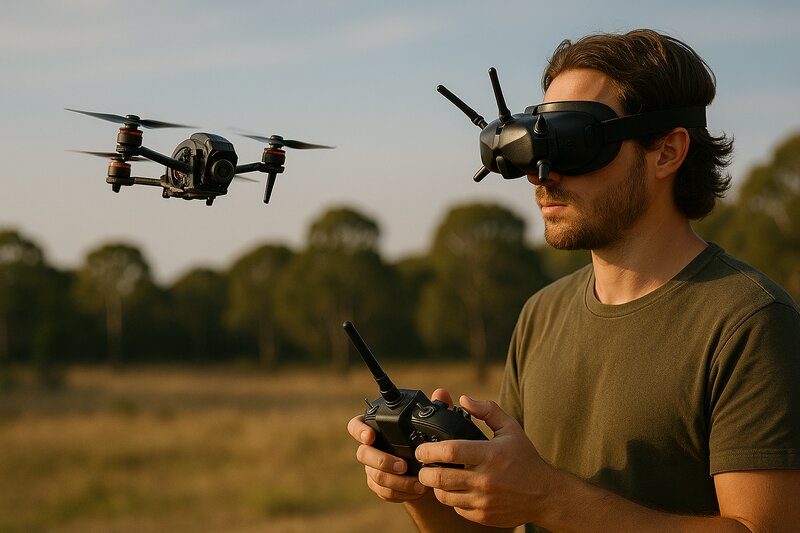
FPV Drone racing drones First Person View UAV

If you’ve watched an ad or TV show lately and thought, how did they get that shot? – chances are, it was filmed with an FPV drone. From the high-octane visuals in Red Bull productions to the cinematic sequences in Top Gear Australia, FPV drones (short for First Person View drones) are rapidly changing how aerial cinematography is done. At Flying Glass, we offer FPV drone services as part of our advanced drone cinematography offering, giving our clients dramatic, immersive footage that just can’t be captured any other way. In this article, we’ll unpack what FPV drones are, how they differ from other drones, why they’re in such high demand, and how Flying Glass is uniquely positioned to deliver professional-grade FPV services across Australia.


What is FPV?

FPV stands for First Person View, referring to the way the pilot flies the drone – not by line of sight, but via a live video feed streamed from an onboard camera to their goggles. It’s like being in the cockpit of the drone, in real-time. This allows for extremely precise, agile flying, making FPV drones capable of manoeuvres no traditional drone could safely perform. The resulting footage is dynamic, fluid, and exhilarating. FPV is particularly popular in:

At Flying Glass, we use FPV drones not for racing but to capture precision, speed, and perspective in commercial jobs where a traditional drone just won’t cut it.


FPV Drone vs Traditional Drone: What’s the Difference?

Feature FPV Drone Traditional Drone
Flight Style Manual, acrobatic Stabilised, GPS-assisted
View First-person via goggles Third-person via controller screen
Footage Dynamic, immersive Smooth, cinematic
Pilot Skill High Moderate
Risk Level Higher Lower

FPV drones require exceptional pilot skill. Unlike DJI drones with GPS lock and collision avoidance, FPV drones are flown manually – making them responsive, fast, and ideal for close-proximity flying. At Flying Glass, we combine both types in most shoots – stabilised drones for wide cinematic angles, and FPV drones for high-energy cutaways.


How FPV Elevates a Project

Whether it’s a real estate ad, TV commercial, or event promo, FPV drones can:

  • Add adrenaline and momentum to fast-paced sequences
  • Create immersive first-person perspectives through structures
  • Capture tight spaces or moving subjects from impossible angles
  • Deliver one-take fly-throughs that feel like magic

Our clients often say, “That shot made the ad.” Check out our showreel to see FPV sequences in Red Bull, Top Gear Australia and other recent projects.


Real-World Examples of FPV Drone Use

Red Bull

We’ve filmed extreme sports sequences requiring tight aerial choreography. FPV was the only viable way to keep up with the athletes while staying close enough to capture their intensity.

Top Gear Australia

We used FPV drones to chase vehicles at high speed through rugged terrain, maintaining a cinematic frame while flying through dust, wind, and tight corridors.

Real Estate Shows & Events

Fly-throughs of properties, showrooms, or venues are dramatically improved with FPV in shows such as Luxe Listings. From a single take, we can glide through doors, around staircases, and over crowds – all in one seamless shot.


Why Flying Glass Excels at FPV Drone Work

FPV is not something every drone operator can offer. It demands:

  • Precise manual control
  • Hardware customisation
  • A deep understanding of aerodynamics and electronics
  • Expert post-production workflows

At Flying Glass, we’ve built our FPV offering over years of professional experience. What sets us apart:

CASA OONP Licence

Our Ongoing Operations Near People (OONP) exemption allows us to legally fly very close to people – something most operators simply can’t offer. This is essential for:

  • Close-up performance shots
  • Crowd flyovers
  • Sports coverage

Hybrid Workflow

We’re not FPV-only. We integrate FPV shots into broader productions that include DJI Inspire 3, Mavic 3 Pro Cine, and custom rigs. This allows a layered, cinematic approach to every job.

Safety & Reliability

FPV flying is inherently higher-risk, but we’ve developed rigorous protocols, insurance coverage, and custom-built drones that minimise failure points. Every shot is planned and rehearsed – even the wildest-looking ones.

Pilot Experience

Flying FPV at this level is closer to performance art than drone piloting. Our FPV operators train like athletes – flying every day, adjusting equipment, refining control. This isn’t a side-offering. It’s what we do.


FPV Drone racing drones First Person View UAV

Types of FPV Drones We Use

  • Cinewhoops – Small, ducted FPV drones for indoor flying and tight spaces
  • 5-inch Freestyle Quads – Fast and agile, great for chase scenes and open spaces
  • Long Range FPV – For sweeping shots across landscapes
  • GoPro and Naked GoPro Builds -Lightweight drones with stabilised 4K footage

All our builds are maintained in-house, allowing fast turnaround and precision tuning.


Complexity & Creativity: What to Expect on Set

FPV drone filming isn’t point-and-shoot. Every job involves:

  1. Site Visit or Digital Twin Analysis
  2. Flight Path Mapping
  3. Line-of-sight spotters and safety checks
  4. Rehearsals and battery cycling
  5. On-the-fly adjustments based on light, wind, or subject movement

Because of the manual nature of flying, every flight is a unique take. It’s part of what gives FPV footage its magic – but also why you need experienced professionals like Flying Glass. Beyond FPV, we’re also pioneering techniques like Gaussian Splatting, where overlapping drone footage is transformed into detailed 3D environments for directors to explore virtually.


Common FPV Applications in Film & TV

  • Chase scenes (cars, bikes, boats)
  • Performance fly-bys (dance, concerts, stunt work)
  • Architectural reveals (gliding through windows or up staircases)
  • Event walkthroughs (one-take venue tours)
  • Sporting events (skate parks, surf comps, track meets)

See it for yourself: Flying Glass FPV Showreel


Want to Learn FPV Flying? Start With RePL

If your team wants to bring FPV or drone cinematography in-house, it starts with proper training. Our partner SkyMedia Training offers CASA-certified Remote Pilot Licence (RePL) courses across Australia. While FPV flying itself isn’t part of the basic RePL, having your licence allows you to legally fly and begin training with FPV gear.


FPV Drone Safety & Regulation in Australia

Flying FPV drones requires:

You must also:

  • Keep flights within visual line of sight (VLOS) unless you have BVLOS approval
  • Use spotters during FPV flights
  • Stay outside restricted zones

Flying Glass handles all regulatory requirements, permits, and risk assessments as part of our service.


Why Agencies and Directors Choose Us

  • Unmatched FPV capability
  • Full production integration
  • Trained crew, insured operations
  • Experience in high-profile projects

We’re not just drone operators. We’re aerial cinematographers with a creative eye, safety-first mindset, and elite pilot talent. If you need jaw-dropping FPV footage, you need Flying Glass.


Final Word: FPV Is the Future of Aerial Storytelling

The world of drone cinematography services is evolving – and FPV is at the forefront. With the ability to fly indoors, chase moving objects, dive off cliffs, and create unforgettable one-take scenes, FPV drones are giving directors, producers, and agencies new tools to tell their stories. Ready to elevate your project with FPV drones? Contact Flying Glass and let’s make something extraordinary.


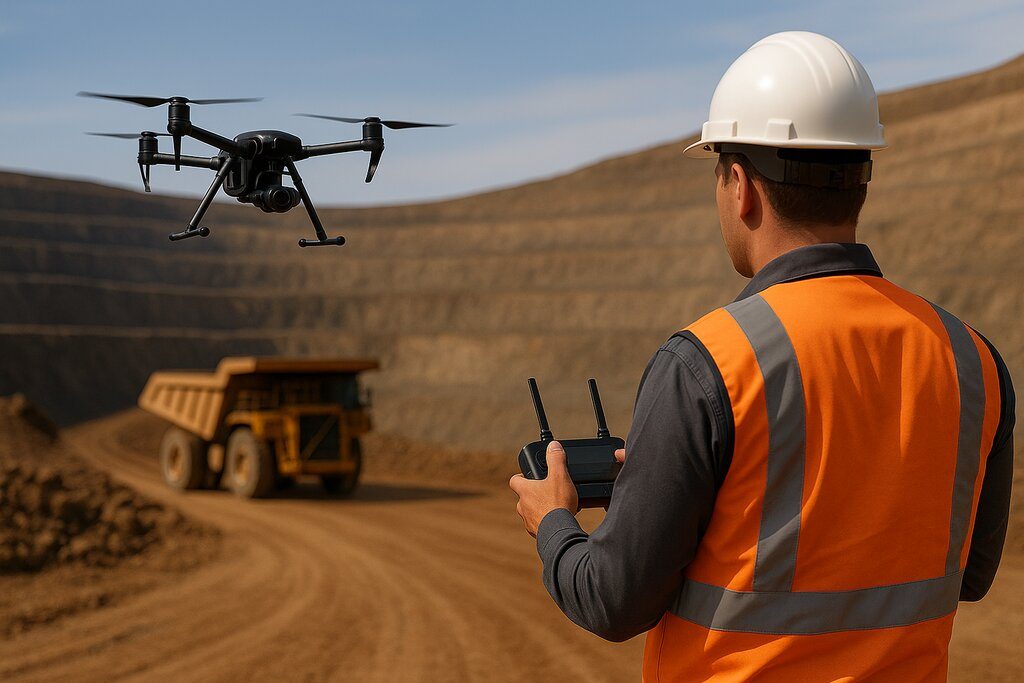
Drones in Mining Mine Sites Australia Inspections

When you picture a mine site, you might think of rugged terrain, heavy equipment, and immense scale. What you might not imagine is a compact drone soaring overhead, collecting high-resolution imagery, thermal data, and LiDAR scans. Yet today, that’s exactly what’s happening across Australia’s mining sector. Mining companies nationwide are turning to drone technology to streamline operations, reduce costs, and improve site safety. At Flying Glass, we specialise in delivering premium drone cinematography and inspection services -including drone mining inspections. In this post, we’ll explore how drones are used in mining, what services they support, the benefits they bring, and how your team can become certified to operate drones in mining environments.


Why Use a Drone in Mining?

Mining operations are vast, remote, and often dangerous. Traditional surveying, inspection, and monitoring methods are time-consuming, costly, and sometimes hazardous. Drones provide a safer, faster, and more cost-effective alternative. With aerial technology, mining teams can collect accurate data across large or difficult-to-access areas – without putting personnel at risk. This data is critical to optimising mine planning, monitoring progress, and ensuring compliance with environmental and safety standards. Key applications include:

  • Aerial site mapping
  • Stockpile volume calculations
  • Infrastructure inspections
  • Environmental monitoring
  • Blast planning and post-blast analysis
  • Thermal inspections of conveyors and machinery

Drone Services for the Mining Industry

At Flying Glass, we offer a comprehensive suite of drone mining services. Our work supports every stage of the mining lifecycle – from exploration and development to operation and rehabilitation.

Mining sits within a much wider range of industrial drone services provided by Flying Glass across infrastructure, energy, transport, government and remote operations.

1. Aerial Mapping and Surveying

Using RTK and PPK-enabled drones, we create highly accurate topographic maps and 3D models. These allow surveyors and planners to analyse terrain features, plan excavation, and monitor site changes over time. Unlike traditional ground-based surveys, aerial mapping is faster, safer, and more scalable. Drone flight rules are essential to ensure all operations remain compliant.

2. Stockpile Measurements

Drone-based photogrammetry provides accurate volumetric analysis of stockpiles and tailings. This enables better material management, reconciliations, and reporting for financial or operational purposes.

3. Infrastructure Inspection

From haul roads and rail lines to power infrastructure, conveyors, and crushers – our drones capture high-resolution visual data that can be analysed for wear, damage, or inefficiencies. Infrared capabilities help detect overheating or potential failure in electrical systems.

4. Blast Planning and Analysis

Pre-blast aerial data helps optimise blast layouts, while post-blast inspections provide insight into fragmentation and movement. This minimises overbreak, underbreak, and flyrock risks, improving safety and efficiency.

5. Environmental Monitoring

Drones can monitor water run-off, vegetation regrowth, erosion, and dust emissions – providing visual evidence for compliance reporting and environmental stewardship. Our LiDAR drone services support detailed terrain mapping and vegetation analysis for such tasks.


Equipment We Use for Mining Inspections

Mining demands robust, reliable drone platforms with advanced sensor payloads. At Flying Glass, we deploy:

  • DJI Inspire 3: For high-end visuals and cinematography
  • Mavic 3 Pro Cine: Compact but powerful, great for tight areas and recon
  • Custom FPV drones: For dynamic, immersive drone inspections
  • LiDAR-equipped drones: For terrain modelling and vegetation analysis

We tailor the equipment to each job, ensuring the right tools are used for every scenario. Watch our showreel to see Flying Glass in action.


Benefits of Using Drones in Mining

Drones offer transformative benefits to mine operators, engineers, and project managers. Let’s break them down:

1. Enhanced Safety

No need to send surveyors into hazardous zones. Drones eliminate fall risk, exposure to dust, and interactions with heavy machinery.

2. Cost Efficiency

Aerial inspections cut the time, manpower, and equipment needed for ground surveys – resulting in significant savings.

3. Faster Decision-Making

Real-time or rapid data delivery allows mining teams to make operational decisions quickly.

4. Improved Accuracy

High-resolution imagery and precise GPS coordinates deliver centimetre-level data for maps and measurements.

5. Regular Monitoring

Frequent flights allow you to track progress, spot issues early, and optimise logistics. Check out our drone accessories buyer’s guide to see how the right gear enhances these capabilities.


Key Use Cases in Australian Mining

Iron Ore (WA)

Operators in the Pilbara region use drones for pit-to-port inspections, conveyor checks, and stockpile reconciliations.

Coal (NSW & QLD)

Aerial mapping and environmental monitoring help ensure compliance with regulations near communities and ecologically sensitive areas.

Gold & Rare Earth Minerals

Exploration companies use drone LiDAR to survey challenging terrain and identify promising drilling zones.

Rehabilitation Projects

Drones help monitor vegetation growth and erosion, making it easier to report progress to government agencies.

Drones in Mining Mine Sites Australia Inspections


Getting Your Team Certified for Mining Drone Work

Want to bring drone operations in-house? You’ll need properly trained and certified pilots. We recommend our sister company, SkyMedia Training, for obtaining the CASA Remote Pilot Licence (RePL) -required for commercial drone work. Their course offers:

  • In-person and on-site training
  • CASA-approved curriculum
  • Practical flight assessment
  • Knowledge of Australian airspace, rules, and safety protocols

Get your team RePL certified


Regulatory Compliance

Mining companies must ensure drone flights comply with CASA regulations. Key requirements include:

  • RePL and Operator’s Certificate (OC)
  • Flight within visual line of sight (VLOS)
  • Operating outside restricted airspace or with the proper approvals

Understand how to obtain a drone permit in Australia or secure your Operator’s Certificate. Our comprehensive guide to Australian drone laws can also help keep your team compliant.


Choosing a Drone Partner for Mining Projects

If you’re looking to outsource drone work, choose a provider with:

  • CASA licensing and insurance
  • Industry experience in mining and infrastructure
  • Post-processing capabilities for photogrammetry and LiDAR
  • Safety-first mindset
  • Local knowledge of your site and airspace

At Flying Glass, we’ve worked with major clients across Australia’s mining sector and understand the unique demands of the field.


Final Thoughts

The future of mining is digital, data-driven, and drone-powered. Whether you’re managing active operations, rehabilitating a site, or exploring new terrain – mining drone services offer a safer, faster, and more accurate way to work. To learn more or to get started with an inspection project, contact us today. Or, if you want to get your own team certified and operational, check out our training partner at SkyMedia Training.

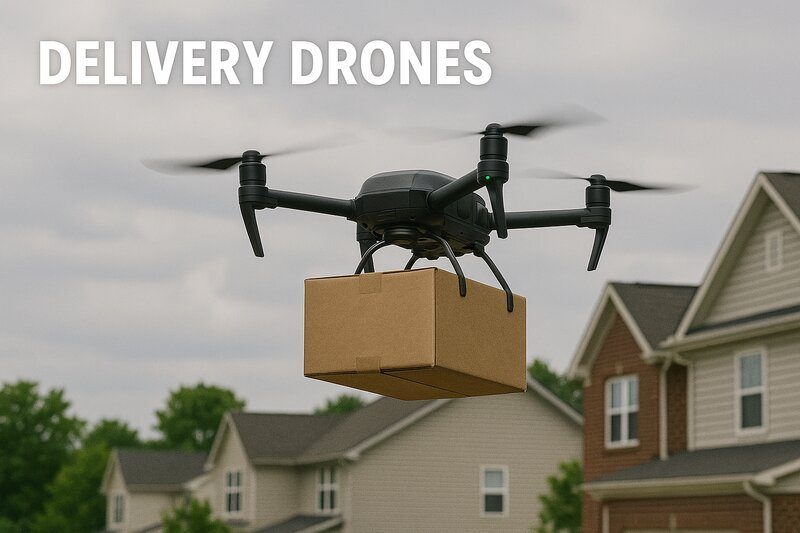
Delivery Drones Australia

There’s no denying it – delivery drones are changing the face of logistics, transport, and customer service across Australia and beyond. What once felt like sci-fi is now a viable, efficient, and often faster way to deliver everything from coffee to medical supplies. But what does it actually take to launch a delivery drone operation in Australia?

That’s where we come in.

At Flying Glass, we offer drone consultancy services for businesses and government agencies exploring drone delivery – backed by over 30 years of aviation experience and a deep understanding of CASA requirements. Whether you’re designing a drone drop stunt, piloting a prototype delivery drone fleet, or just figuring out where to start, this guide explains everything you need to know—and how we can help.


What Are Delivery Drones?

A delivery drone is a type of remotely piloted aircraft system (RPAS) used to transport goods from one location to another – usually within a 10 km radius. They’re typically lightweight, battery-powered multirotor drones equipped with GPS, collision-avoidance sensors, and a payload delivery system.

Applications include:

  • Medical deliveries (e.g., blood samples, vaccines)
  • Food delivery (coffee, meals, groceries)
  • Retail (e-commerce packages, fast fulfilment)
  • Event stunts and promotional drops
  • Emergency supplies in disaster zones
  • Remote location deliveries (islands, national parks)

Why Use Delivery Drones in Australia?

Australia’s geography makes it uniquely suited to drone deliveries. Our vast distances, urban congestion, and remote communities create logistical challenges that drones are primed to solve. Early adopters like Wing (a Google company) and Swoop Aero have already proven this in suburbs like Logan, QLD and Canberra, ACT, while Europe is seeing rapid suburban scaling with Manna drone delivery.

Key benefits:

  • Faster last-mile delivery
  • Lower carbon emissions
  • Less road congestion
  • Access to remote or isolated communities
  • Contactless delivery (especially useful during pandemics)
  • Incredible PR and marketing potential

What’s Stopping Most Companies from Getting Started?

Despite the hype, very few companies are flying delivery drones at scale – and for good reason. It’s not as simple as buying a drone and hitting ‘go’.

Here’s where it gets complex:

1. CASA Regulations Are Strict

Australia’s drone laws are among the most detailed in the world, especially for delivery drones. CASA requires:

  • An Operator’s Certificate (OC)
  • At least one licensed Remote Pilot (RePL)
  • A detailed Operations Manual
  • Approval to fly over populated areas
  • Approval for dropping objects from drones
  • BVLOS (Beyond Visual Line of Sight) approvals
  • A Safety Management System

2. Liability and Insurance

You’ll need comprehensive public liability insurance, plus plans to handle accidents, privacy breaches, or damage caused by your aircraft or payload.

3. Public Safety and Perception

Even if you’re legal, the public still needs to feel safe. Issues such as drones dropping boxes onto homes or buzzing overhead in quiet suburbs can lead to backlash or police attention.

Read our detailed guide on dropping from a drone for a breakdown of the legalities and risks involved in aerial delivery.


Flying Glass: Your Drone Delivery Partner

We’re not just drone pilots – we’re aviation consultants. At Flying Glass, we help businesses plan, test, and launch drone delivery operations from the ground up.

Here’s how we support you:

Regulatory Guidance

We help you understand what’s required to run a drone delivery operation, assist with RePL and OC pathways, and guide you through SORA and BVLOS applications.

Safety & Airspace Planning

We’ll map your flight zones, identify risk factors, and propose mitigation strategies that actually get CASA approval.

Drop Payload Design & Testing

We help develop your drop-release systems to meet CASA’s ‘safe release’ criteria – and conduct test flights that prove safety and accuracy.

Where an off-the-shelf delivery mechanism does not meet the project requirements, Flying Glass can also provide custom drone payload integration for specialist carrying, mounting, release and delivery systems.

Permits and Documentation

We prepare the technical documentation required for CASA – including your risk assessment, job safety analysis, and mission profiles.

Marketing and Media Integration

Thinking of using a delivery drone in your campaign or event? We’ve supported everything from TV ads to influencer drops and cinematic PR stunts. Watch our showreel to see our work in action.


Use Cases for Delivery Drones in Australia

Wondering if drone delivery could work for your industry? Here are a few applications we’ve supported or consulted on.

Retail & E-Commerce

Brands are looking for ways to get closer to same-day and even same-hour delivery. Drones offer ultra-fast service with zero road congestion – ideal for urban ‘last mile’ logistics or remote-area drops.

Healthcare

Delivery drones are already being used to transport critical medical items in Africa and rural Australia. We’re working with health providers to ensure compliance with CASA when transporting temperature-sensitive or high-value cargo.

Events & Promotions

Want to deliver a product sample onto a beach, launch a product from the air or create an unexpected promotional moment? We have delivered exactly this type of work for major campaigns. For creative and promotional applications, see our drone brand activation services.

Construction & Mining

Remote project sites often suffer from equipment or supply delays. Delivery drones can drop small components or tools on demand.

Food Delivery

Flying burritos? It’s already happening. But it requires creative packaging, accurate drop systems, and delivery within a small radius.

Delivery Drones Australia


Legal Considerations for Delivery Drones

As exciting as delivery drones are, there are strict boundaries you need to work within.

Here are just some of the legal concerns:

Dropping from a Drone

Any time you’re releasing a payload mid-air, CASA considers it “dropping of an object,” which is heavily regulated.

  • Must be authorised in your OC and operational documentation
  • Must not pose a risk to people or property
  • May require parachutes or soft-release systems
  • CASA may require flight testing and detailed safety reports

See our full post: Dropping from a Drone: Legal Guide for Australia

Flying Over Populous Areas

This includes suburbs, beaches, or anywhere people gather. CASA generally does not allow RPA flights over populous areas without a complex application and significant safety evidence.

Flying Glass can help prepare these approvals through SORA or other risk-based frameworks.

Where a delivery or promotional operation also requires the aircraft to operate over or near people, Flying Glass holds specialist OONP capability and can advise on the appropriate operational pathway for the proposed flight.

BVLOS Operations

To fly your delivery drone beyond visual line of sight, you’ll need special CASA authorisation, robust detect-and-avoid systems, and a proven track record of safe flight ops.


Delivery Drone Technology: What’s Available?

We work with clients to evaluate and deploy the best delivery drone solutions based on their use case.

Current tech includes:

  • VTOL drones that can launch and land vertically but cruise like planes
  • Multirotor drones with fixed payload arms or drop-release mechanisms
  • AI-enhanced routing for real-time adjustments based on wind, traffic, and airspace
  • Mobile ground stations with automated loading
  • Weatherproof enclosures for temperature-sensitive items

For organisations planning unattended launch, landing, charging and scheduled missions, drone-in-a-box systems can provide the infrastructure required to support more automated delivery and remote-operation models.

We help clients compare off-the-shelf drones like DJI Matrice or Flytrex with custom-built platforms for scalability.

Featured Delivery Drone: DJI FlyCart 30

The DJI FlyCart 30 is purpose-built for logistics, with a 30kg payload, 16km range, and parachute integration. It’s ideal for BVLOS delivery operations in Australia and fully compatible with CASA compliance pathways.

DJI FlyCart 30 – Enterprise Delivery Drone

A high-performance delivery drone built for commercial logistics and emergency supply missions. Features 30kg payload, BVLOS support, and integrated parachute recovery.

Price: AUD $26,830

View Product


Why Flying Glass?

There are a lot of drone companies in Australia. But here’s what sets us apart:

  • Australian-owned and CASA-certified
  • Proven work across film, TV, and government sectors
  • 30+ years of manned and unmanned aviation experience
  • Consultancy, not just pilot hire—we do strategy, compliance, and execution
  • Specialists in high-complexity operations
  • Direct access to experienced RePL/AROC/OC professionals

Whether you’re building an internal drone delivery service or need a one-time promotional drop, we’re your first call.


Frequently Asked Questions

Can I just buy a drone and start delivering?

No. Not legally. You need a Remote Pilot Licence, and any commercial drone ops (especially delivery) require an Operator’s Certificate, approved documentation, and proper insurance.

Do I need CASA approval for a one-time product drop?

Yes – especially if you’re flying over people or built-up areas. We can help get these approvals and even operate the flight on your behalf under our OC.

What’s the range of a delivery drone?

Usually 2–10 km depending on drone type, weight, battery capacity, and CASA restrictions.

Can Flying Glass supply the pilot and drone?

Absolutely. We offer turnkey operations with equipment, crew, permits, and delivery execution included.


Let’s Talk

If you’re considering launching – or even testing – a delivery drone solution in Australia, don’t guess. Let us help you do it safely, legally, and creatively.

Contact us today
Watch our showreel
Explore our drone consultancy services

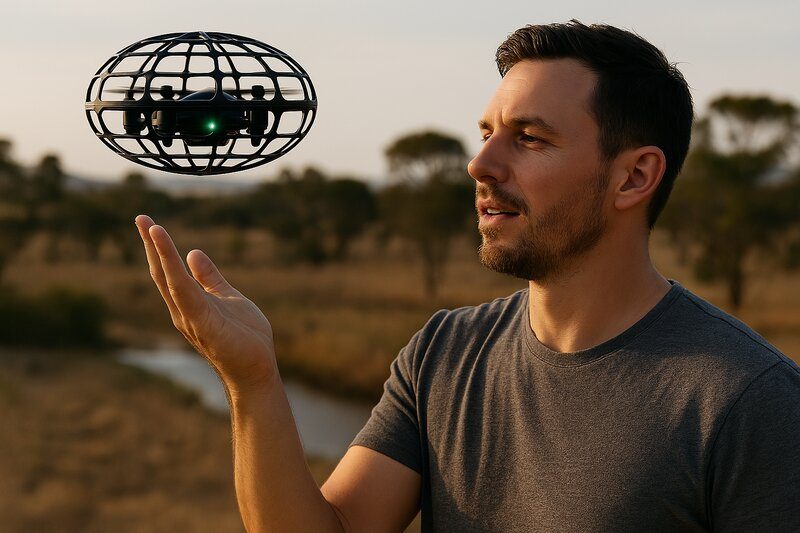
Drone with Hands Gesture drones

The phrase drone with hands is becoming more popular, but what exactly does it mean? In 2025, it could refer to a few exciting innovations:

  • Gesture-controlled drones you can fly with hand movements.
  • Flying ball drones and hand sensor drones for kids and beginners.
  • Drones you can hand-launch and hand-catch safely.
  • Robotic drones with grippers (hands) for industrial applications.

In this guide, Flying Glass breaks down everything you need to know about drone with hands technology, how to choose the right model, and the future of hands-free flying. If you’re serious about taking your drone skills further, check out our professional courses at SkyMedia Training.


What is a Drone with Hands?

The term “drone with hands” can mean:

  1. Gesture-Controlled Drones: Drones that respond to simple hand gestures instead of a remote control.
  2. Hand Sensor Flying Ball Drones: Toys that hover above your palm and respond to motion.
  3. Hand Launch / Hand Catch Drones: Lightweight drones that can be thrown into the air or safely caught.
  4. Drones with Robotic Grippers: Specialised drones that can grab or manipulate objects (industrial use).

In this post, we’ll focus mainly on gesture-controlled flying and hand-controlled fun drones – the most common things people mean when they search “drone with hands.”


Gesture-Controlled Drones

Modern drones come with built-in gesture controls, making flying easier and more interactive. Instead of using a controller, you can:

  • Launch a drone from your palm.
  • Move your hand left, right, up, or down to control flight.
  • Take photos or record videos with a hand signal.

Popular Gesture-Controlled Drones:

DJI Mini 4 Pro

  • Weight: Under 250g (read our drone rules under 250g guide)
  • Gestures: Palm takeoff, palm landing, selfie gestures.
  • Best for: Beginners to intermediate flyers.

DJI Air 3

  • Weight: 720g
  • Gestures: Smart Capture for easy photo and video commands.
  • Best for: Enthusiasts and aerial photographers.

DJI Spark (Legacy Model)

  • Weight: 300g
  • Gestures: Original hand control pioneer; launched DJI’s gesture tech.
  • Best for: Entry-level fun.

Gesture control is perfect for casual flying, selfies, and when you want to impress friends without fiddling with a controller.


Flying Ball Drones and Hand Sensor Drones

These small drones are designed to hover and respond to motion sensors around their body. Kids and adults can:

  • Launch by tossing into the air.
  • Control altitude and direction with hand waves.
  • Play indoor games with obstacle-avoiding flight.

Best Flying Ball Drones:

Force1 Scoot LED Drone

  • Features: LED lights, 360° sensors, automatic obstacle avoidance.
  • Best for: Kids aged 6+ and indoor fun.

JJRC H100 Flying Ball

  • Features: Hand-controlled flips and tricks.
  • Best for: Beginners and novelty gifts.

These are safe, affordable, and a fantastic introduction to drone technology for young flyers.


Hand Launching and Hand Catching Drones

Many lightweight drones can be safely launched from your palm or caught by hand. This is a practical skill, especially when flying in rough terrain where landing on the ground could damage your drone. Top Drones for Hand Launch and Catch:

Drone Features Notes
DJI Mini 4 Pro Palm launch, precision hover Light and stable for hand launches
DJI Mini 3 Pro Compact design Easy to catch on low battery
DJI Spark Gesture takeoff Early hand-launch leader

Tips for Safe Hand Launching:

  • Only attempt with lightweight drones.
  • Keep propellers away from your face.
  • Practice palm launches with the drone in GPS mode for stability.

Future Tech: Drones with Real Hands

Although it’s less common for casual users, industrial drones with robotic arms or grippers are being developed for:

  • Precision farming
  • Rescue missions
  • Package delivery
  • Infrastructure inspection

Companies like DJI and Flyability are pioneering this sector, creating drones that can manipulate physical objects mid-flight. While not what most searchers mean by “drone with hands,” it’s exciting to see how fast this technology is evolving.

Drone with Hands Gesture drones


Best Drones with Hand Control in 2025

Drone Key Features Ideal For
DJI Mini 4 Pro Advanced gesture control, 4K HDR video Travel and aerial photography
DJI Air 3 Dual cameras, gesture selfies Prosumer videography
Force1 Scoot Hand sensor flying ball Kids and beginners
JJRC H100 Fun indoor obstacle drone Young flyers and gifts

Flying Glass recommends the DJI Mini 4 Pro as the perfect balance of professional features and hand-control fun.


FAQs: Drone with Hands

What is a drone you can fly with your hands?

A gesture-controlled or hand sensor drone that responds to your hand movements instead of a traditional controller.

Are flying ball drones safe for kids?

Yes, most are made with soft materials and obstacle sensors for indoor safety.

Can I hand-launch any drone?

No, only lightweight drones under 600g are safe for palm launches.

How do I control a drone with gestures?

Use hand signals detected by the drone’s cameras and sensors — usually an open palm or wave gesture.

Where can I learn to fly drones professionally?

Check out SkyMedia Training for CASA-approved drone courses.


Conclusion: Fly Smarter with a Drone with Hands

Whether you want a fun flying ball drone for your living room, a professional DJI drone you can launch from your hand, or you’re curious about the future of robotic “hand” drones — there’s never been a better time to explore drones with hands. At Flying Glass, we’re here to guide you through smart drone choices, safe flying practices, and professional training. Ready to get airborne? Contact Flying Glass today for expert advice on choosing your next drone — whether it’s for hand launching, hand controlling, or hands-free flight mastery.

DJI Mavic 4 Enterprise Drone Australia New Release

The DJI Mavic 4 is one of the most highly anticipated drone releases of 2025. While DJI has not officially launched the Mavic 4 at the time of writing, a wave of credible leaks and rumours gives us a strong idea of what to expect.

At Flying Glass, we’re just as excited as you are, and not just for our professional Film and TV work. As an authorised DJI reseller, we will have the Mavic 4 available as soon as it’s released, ready for Australian professionals who demand the best.

Plus, with our drone consultancy services, we can help you prepare for operations over people (OONP), including parachute system setups and CASA Instrument approvals — once the Mavic 4 is officially released and certified.

Let’s dive into everything we know – and speculate a little – about the DJI Mavic 4.


When Is the DJI Mavic 4 Expected to Launch?

Current rumours suggest that DJI will officially unveil the Mavic 4 in mid-2025, potentially in time for the northern hemisphere summer.

Typically, DJI follows a 2–3 year cycle for Mavic releases. The Mavic 3 launched in late 2021, so a 2025 release window fits perfectly.

Leaked shipping manifests and early regulatory filings point to a major product announcement within the next few months.

Flying Glass will be among the first in Australia to have the Mavic 4 available for pre-order and purchase once DJI makes it official.


DJI Mavic 4: Rumoured Specs and Features

While no specs are confirmed, industry insiders have pieced together likely features based on leaked prototypes, supply chain reports, and DJI’s historical product strategy.

Here’s what we might see:

Weight

  • Expected to weigh under 1 kilogram for standard models.
  • Likely around 950 grams, optimised for portability and compliance with international drone regulations.

Keeping the Mavic 4 lightweight would make it easier for professional operators in Australia to meet CASA requirements for different categories of drone operations.

Cameras and Lenses

DJI is rumoured to double down on imaging, possibly including:

  • New Hasselblad 4/3 CMOS Sensor for the main camera.
  • Upgraded Telephoto Lens with improved low-light performance.
  • Higher-resolution SuperZoom lens capable of up to 30x hybrid zoom.
  • Support for 10-bit D-Log M and possibly Apple ProRes recording on the Pro model.
  • New lens coatings for reduced glare and better colour accuracy.

There are also whispers of a swappable lens system, similar to what we see in the Inspire range, although this seems less likely given the Mavic’s compact design goals.

Obstacle Avoidance and Flight Time

  • Improved Omnidirectional Obstacle Sensing with new side-facing sensors.
  • New APAS 6.0 system for autonomous navigation around complex obstacles.
  • Expected maximum flight time of 40–42 minutes, thanks to more efficient motors and batteries.

Enterprise Features

  • Likely launch of an Enterprise version (Mavic 4E) with:
    • RTK module support for precision mapping.
    • Thermal imaging payload options.
    • Modular accessories (beacons, speakers).

This would make the Mavic 4E a true workhorse for surveying, inspection, and public safety work.


Will the DJI Mavic 4 Have a Parachute System?

Although nothing is confirmed yet, based on previous trends, it’s highly likely that:

  • Approved parachute systems will become available shortly after the Mavic 4’s release.
  • DJI or third-party safety system providers (like Indemnis or ParaZero) will certify parachutes for the Mavic 4 once it’s on the market.

Once an approved parachute system is available, the Mavic 4 could be used legally for operations over people (OONP) under a CASA Instrument, similar to how the Mavic 3 has been certified.

Flying Glass can assist with:

  • Supplying approved parachute systems for the Mavic 4.
  • Helping operators apply for CASA Instruments once the drone and parachutes are officially certified.

If you’re planning to fly over crowds, public events, or populated areas, it’s smart to start preparing now — even before the drone is officially out.


Flying Over People: What You Need to Know

In Australia, you cannot fly a drone over non-consenting people unless:

  • The drone has an approved safety system like a parachute.
  • You obtain a CASA Instrument of Approval for OONP.
  • You comply with all operational conditions, including minimum drop heights and maximum impact energy limits.

Flying Glass offers drone consultancy services to streamline this process. Once the Mavic 4 is certified, we can help you:

  • Equip it with the correct parachute.
  • Develop your Operational Safety Case (OSC).
  • Submit and manage your CASA Instrument application.

How Flying Glass Will Support DJI Mavic 4 Buyers

As an authorised DJI reseller, Flying Glass is your trusted Australian source for the Mavic 4 series.

We’ll offer:

  • Genuine DJI Mavic 4 drones direct from DJI.
  • Pre-order options to guarantee your spot in the queue.
  • Full support and training for professional operations.
  • Consultancy for compliance, including REOC support and OONP approvals.

We’ll also have bundles that include:

  • Drone + Certified Parachute System.
  • Drone + RePL training
  • Drone + Enterprise Accessories (for mapping, inspections, thermal ops).

Register your interest today at Flying Glass and be the first to know when the DJI Mavic 4 lands in Australia.

DJI Mavic 4 Enterprise Drone Australia New Release


Should You Wait for the DJI Mavic 4?

If you’re considering a drone upgrade right now, here’s our honest take:

Wait for the DJI Mavic 4 if:

  • You need the latest imaging technology.
  • OONP compliance is essential to your operations.
  • You want the best obstacle avoidance and flight times.

Buy a Mavic 3 Enterprise or Inspire 3 now if:

  • You need a drone immediately for commercial jobs.
  • You require features that are already proven and available.
  • Your operations can’t be put on hold for a few months.

Flying Glass can help you choose the right path — whether that’s jumping on a Mavic 3E today or waiting for the Mavic 4’s arrival.


Prepare for Takeoff: The Next Steps

The DJI Mavic 4 isn’t just a drone — it’s shaping up to be a massive leap forward for Australia’s commercial drone industry.

Flying Glass is ready to support you every step of the way:

And don’t forget to check out our Flying Glass Showreel to see how we push drone technology to its limits — and how you can too.

Drone Accessories Australia Gear Guide DJI

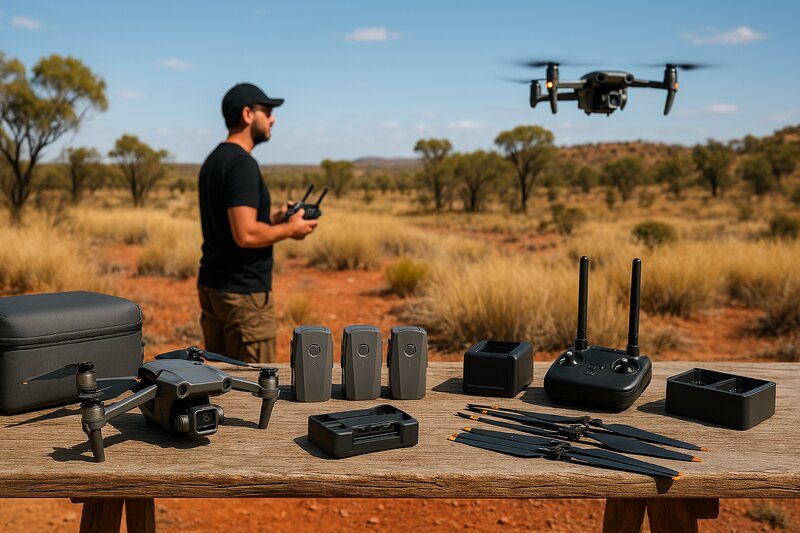
Whether you’re a casual flyer, a professional cinematographer, or a licensed drone operator, choosing the right drone accessories Australia has to offer can transform your flying experience. The right gear will protect your drone, improve your footage, and make every flight smoother and safer. At Flying Glass, we are an authorised DJI reseller and your trusted source for all drone accessories Australia-wide. In this comprehensive guide, we cover everything you need to know about drone accessories, from the must-haves to the nice-to-haves, and show you exactly what you need to get the most out of your DJI drone.


Why Drone Accessories Matter

Buying a drone is just the beginning. Accessories extend your flight time, protect your investment, improve your imagery, and help you meet legal and safety requirements in Australia. Whether you fly recreationally or commercially, investing in high-quality drone accessories Australia trusts ensures you are ready for any situation.


Essential Drone Accessories Australia for 2025

1. Drone Batteries

Extra batteries are a must-have. Flight times for even the best DJI drones, like the Mavic 3 Pro or Mini 4 Pro, are usually under 45 minutes.

  • DJI Intelligent Flight Batteries: Longer life, built-in management.
  • Battery Charging Hubs: Charge multiple batteries at once.

Popular Batteries:

  • DJI Mavic 3 Series Batteries
  • DJI Mini 4 Pro Batteries
  • DJI Air 3 Batteries

2. Propellers and Propeller Guards

Spare Propellers

Propellers are fragile. Always carry spares to avoid being grounded. Options:

  • DJI Low-Noise Propellers
  • Quick Release Folding Propellers

Propeller Guards

Protect your drone, especially when flying indoors or in tight spaces. Options:

  • DJI Mini 4 Pro Propeller Guard
  • DJI Avata Propeller Guard

3. Drone Cases and Backpacks

A protective case is essential for transporting your drone safely. Top Picks:

  • DJI Mavic 3 Pro Carrying Case
  • Hard Shell Drone Backpacks
  • Waterproof Drone Cases

Look for padded interiors, custom compartments, and water-resistant materials.


4. ND Filters and Lens Filters

Enhance your aerial photography and videography with camera lens filters. Types of Filters:

  • ND (Neutral Density) Filters: Control exposure in bright light.
  • Polarising Filters: Reduce glare and enhance colour.
  • UV Filters: Protect the lens.

Popular Filter Kits:

  • DJI Mavic 3 ND Filter Set
  • DJI Mini 4 Pro Filter Kit

5. Landing Pads

Protect your drone from dust, debris, and uneven surfaces. Features to Look For:

  • Foldable and portable
  • High-visibility colours
  • Weighted edges for stability

Recommended Products:

  • 75cm or 110cm Drone Landing Pads
  • Waterproof Drone Landing Pads

6. Memory Cards and Storage Solutions

Capturing 4K or 5K footage requires fast, high-capacity memory cards. Best Memory Cards:

  • SanDisk Extreme Pro microSD (V30/UHS-3)
  • Samsung EVO Plus

Tips:

  • Always carry multiple cards.
  • Use rugged, waterproof storage cases.

7. Charging Solutions

Stay powered up with car chargers, portable power banks, and solar charging kits. Top Accessories:

  • DJI Car Charger
  • Power Banks with Drone Compatibility
  • Portable Solar Chargers

8. Drone GPS Trackers

Protect your investment by tracking your drone if it goes missing. Best Drone Trackers:

  • AirTags (with mounts)
  • Dedicated Drone GPS Trackers

9. Range Extenders and Antennas

Improve signal strength and extend your drone’s control range. Recommended Products:

  • Parabolic Range Extenders
  • Signal Booster Antennas for DJI Controllers

10. FPV Accessories

For FPV pilots in Australia, accessories are critical for performance and safety. Key FPV Accessories:

  • DJI FPV Goggles V2 or DJI Goggles 2
  • FPV Goggles Antennas
  • Lipo Battery Straps
  • FPV Drone Frames
  • Goggle Cases

DJI Drone Accessories Australia

Flying Glass stocks a full range of official DJI accessories, including:

  • DJI RC Controllers
  • DJI FPV Remote Controller 2
  • DJI Inspire 3 Batteries and Accessories
  • DJI Avata Motion Controllers
  • DJI Mini 4 Pro Intelligent Flight Batteries
  • DJI Mavic 3 Pro ND Filters

As an authorised DJI reseller, Flying Glass ensures you receive genuine products with full Australian warranty support.


Drone Accessory Kits and Bundles

Save money and get everything you need with accessory bundles. Popular DJI Bundles:

  • DJI Fly More Kits (for Mini 4 Pro, Mavic 3 Series, Air 3)
  • FPV Combo Kits
  • Cinewhoop Accessory Packs

Specialised Drone Accessories

Commercial Drone Accessories

For professional operators:

  • Payload Drop Systems
  • Agricultural Spraying Attachments
  • Thermal Cameras (DJI Zenmuse)
  • RTK Modules for Surveying

Recreational Drone Accessories

For hobbyists:

  • LED Drone Lights
  • Stick-on Skins and Decals
  • Drone Racing Gates and Flags
  • Drone Accessories Australia Gear Guide DJI

Drone Safety Accessories Australia


Where to Buy Drone Accessories in Australia

Store Highlights
Flying Glass Authorised DJI reseller, expert advice
JB Hi-Fi General consumer drone accessories
Harvey Norman Limited range, DJI focus
Camera House Filters, bags, and storage
Specialist FPV Shops FPV-specific accessories

Always buy from a trusted Australian seller to ensure warranty support and fast shipping.


Drone Accessories Australia FAQs

What are the best drone accessories for beginners?

Extra batteries, propeller guards, a landing pad, and a good backpack.

What drone accessories are essential for photographers?

ND filters, extra memory cards, and high-capacity batteries.

Do I need a landing pad for my drone?

Yes, especially when flying in dusty, sandy, or grassy areas.

Are DJI accessories worth it?

Yes, genuine DJI accessories are built to integrate seamlessly and come with warranty support.

Can I use any microSD card in my DJI drone?

Use high-speed cards (V30 or UHS-3 rated) for reliable 4K video capture.

Where can I find drone accessories in Australia?

Flying Glass offers a full range of genuine DJI and third-party drone accessories Australia-wide.


Final Thoughts on Drone Accessories Australia

Choosing the right drone accessories Australia has available can dramatically enhance your flying experience. From extending your flight time to capturing cinematic masterpieces, the right gear transforms your drone from a fun toy into a serious tool. Flying Glass proudly stocks Australia’s best range of DJI drones and drone accessories. As an authorised DJI reseller, we offer expert advice, genuine products, and full Australian warranty support. Ready to upgrade your kit? Contact Flying Glass today for all your drone accessories Australia needs!

FPV Drone Australia 2025 Buyer's Guide

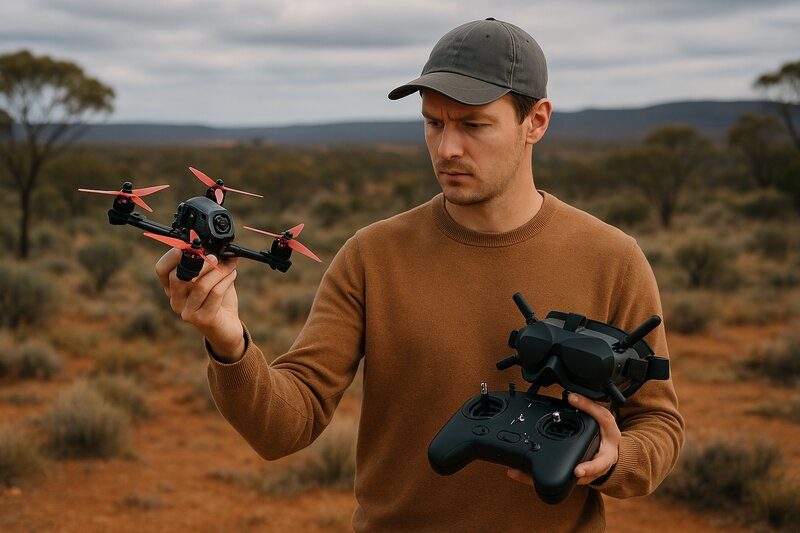
In recent years, FPV (First Person View) drones have exploded in popularity across Australia. From racing enthusiasts to cinematic content creators, more people than ever are strapping on goggles and exploring FPV Drone Australia in an immersive, high-adrenaline way. But FPV drones aren’t just exciting – they’re also versatile tools with serious real-world applications.

Unlike traditional camera drones, FPV drones allow the pilot to experience flight from the drone’s perspective. Using live video transmitted to goggles or a headset, operators can perform fast, agile movements and create breathtaking footage that would be impossible with stabilised flight alone. This makes FPV systems ideal for racing, freestyle flying, indoor manoeuvres, and dynamic tracking shots in film and TV production.

Whether you’re new to FPV drones or looking to upgrade your setup, it’s important to understand the options available – especially with Australia’s drone laws and gear choices changing quickly. That’s where this guide comes in. We break down the best FPV drones for 2026, essential gear to consider, local rules from CASA, and where to buy from trusted Australian suppliers.

Flying Glass is proud to support both recreational and professional drone users. As experienced aerial cinematographers and DJI authorised resellers, we understand what pilots need at every level – from casual weekend flyers to licensed operators creating content for national broadcasters. If you’re planning to fly for fun or for work, having the right setup and legal know-how makes all the difference.

Australia’s FPV community continues to grow rapidly, and with more training, events, and drone options available than ever, there’s never been a better time to get involved. Whether you want to race gates, perform freestyle tricks, or capture a perfectly timed cinematic dive through a tight window, this guide is here to help you get started with confidence.

Ready to choose your first FPV drone or level up your existing kit? Keep reading for our expert breakdown of drone types, gear recommendations, Australian retailers, legal rules, and answers to the most common questions about flying FPV drones across Australia in 2026.

FPV Drone Australia: Complete 2026 Buyer’s Guide & Legal Tips

Introduction to FPV Drone Australia

FPV Drone Australia is booming in 2026. First Person View (FPV) drones give pilots an immersive flying experience like no other. Whether you dream of racing through obstacle courses, performing freestyle tricks, or capturing stunning cinematic shots, FPV drone Australia pilots are leading the way.

Flying Glass is your trusted drone expert and an authorised DJI reseller. If you’re ready to dive into the world of FPV drone Australia, this guide will help you choose the right gear, understand the laws, and fly safely and legally.

For drone training in Australia, check out SkyMedia Training.


What is an FPV Drone?

An FPV drone streams live video from the aircraft to the pilot’s goggles, creating an immersive, cockpit-like flying experience. FPV drones prioritise manual control over stabilised flight.

Key FPV Drone Australia Uses:

  • Freestyle flying
  • Racing competitions
  • Cinematic filming
  • Drone fishing and payload delivery

Types of FPV Drones in Australia

Ready-to-Fly (RTF)

Pre-assembled kits, perfect for beginners.

Bind-and-Fly (BNF)

Pre-built drones needing only a radio controller to bind.

Plug-and-Play (PNP)

Drones requiring a separate receiver installation.

DIY Custom Builds

Custom rigs built from frames, motors, and electronics.


Best FPV Drones in Australia 2026

DJI Avata 2 (RTF)

  • Easy to fly
  • RockSteady stabilisation
  • Cinewhoop design for safe flights

iFlight Nazgul5 Evoque (BNF)

  • 6S power
  • Acrobatic freestyle
  • Durable frame

GEPRC Cinebot 30 (RTF)

  • Compact
  • Perfect for tight filming spaces
  • Ducted propellers

BetaFPV Pavo25 (PNP)

  • Sub-250g lightweight drone
  • Easy to register

Custom Freestyle Builds

  • Ultimate control over specs
  • Tailor for racing or cinematic flights

FPV Drone Australia Gear Essentials

Frames

Choose durable and lightweight frames for performance and crash resistance.

Motors

Match motor size and KV ratings to propellers and batteries.

Electronic Speed Controllers (ESCs)

Opt for 4-in-1 ESCs for cleaner builds.

Flight Controllers (FCs)

The brain of your drone; pick one compatible with Betaflight or similar firmware.

Batteries

4S for beginners, 6S for maximum performance.

Cameras

HD cameras like the Caddx Vista, DJI O3 Air Unit.

Video Transmitters (VTX)

Higher power equals better range, but stay within legal limits.

Goggles

Top choices include DJI Goggles 2 and Fat Shark Dominator HD.

Radio Controllers

RadioMaster TX16S and DJI FPV Controller 2 are reliable picks.

Antennas

Upgraded antennas improve video quality and range.

Propellers

5-inch props dominate freestyle builds; smaller props suit cinewhoops.

Tools and Accessories

Soldering kits, field chargers, spare parts, and ND filters.

FPV Drone Australia 2025 Buyer's Guide


Where to Buy FPV Drones in Australia

Store Highlights
Flying Glass DJI authorised reseller, expert advice
FPVFaster Huge DIY parts range
Phaser FPV 5,000+ products, 3D printing supplies
Buzz FPV Wide selection of pre-builts and DIY parts
Rising Sun FPV 3D printing and gaming kits
Metro Hobbies Beginner-friendly DJI gear

Always buy from trusted Australian sellers for warranty and local support.


FPV Drone Australia Rules and Regulations

Flying FPV in Australia is regulated by CASA. Breaking the rules can lead to serious fines.

Key FPV Rules:

  • Always fly with a spotter when wearing FPV goggles.
  • Maintain unaided visual line of sight.
  • Register drones over 250g.
  • Fly below 120 metres.
  • Stay 30 metres away from people.
  • Respect CASA no-fly zones using the “Drone Fly” app.

Commercial FPV Flying

  • Requires Remote Pilot Licence (RePL) and Operator’s Certificate (ReOC).
  • Training options available via SkyMedia Training.

For full CASA guidelines, see Flying FPV – CASA.


FPV Drone Australia Training and Certification

Elevate your skills and fly legally by completing professional drone training.

SkyMedia Training Courses:

  • Remote Pilot Licence (RePL)
  • Extended Visual Line of Sight (EVLOS)
  • Beyond Visual Line of Sight (BVLOS)
  • Night Operations

Visit SkyMedia Training to enrol.


FPV Drone Australia FAQs

Is it legal to fly FPV drones in Australia?

Yes, but you must have a spotter outdoors and follow CASA safety rules.

Do I need a licence to fly FPV drones?

For recreational use, no licence is needed. For commercial use, yes — you need a RePL.

What’s the best FPV drone for beginners?

The DJI Avata 2 is ideal for new pilots.

Can I fly FPV drones at night?

Only if you hold the appropriate CASA certification.

How much does an FPV drone cost in Australia?

Expect to spend between $300 and $2,500+ depending on setup.


Conclusion: Get Started with FPV Drone Australia

FPV Drone Australia pilots are leading the world in innovation and creativity. Whether you’re drawn to cinematic flying, racing, or freestyle, there’s never been a better time to jump in.

Flying Glass is your go-to source for FPV drones, training, and support. We are an authorised DJI reseller and a trusted training partner.

Ready to get started? Contact Flying Glass today for expert advice and the best FPV drone Australia gear!

And if you want to fly professionally, make sure you explore SkyMedia Training.

Camera drone guide Australia - which one to buy

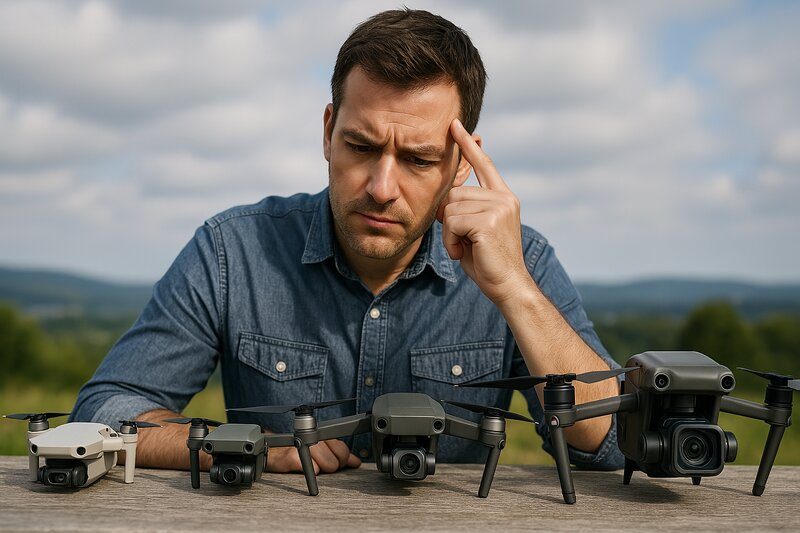
Camera drones have rapidly transformed the worlds of filmmaking, photography, and content creation. From breathtaking cinematic shots to everyday adventure footage, the ability to capture the world from above has never been more accessible — or more exciting.

At Flying Glass, we understand the importance of pairing the right drone with the right project. As an authorised DJI reseller and experienced drone cinematography company, we know what it takes to get the perfect shot. In this comprehensive guide, we’ll explore the best camera drones of 2025, highlight new releases like the Mavic 4, and explain why the DJI Inspire 3 remains the gold standard for film and TV production.

If you’re considering purchasing a drone, contact Flying Glass for expert advice and a competitive quote.


Why Camera Drones Are Essential in 2025

The demand for aerial content has never been higher. From marketing videos to blockbuster films, drone footage delivers dynamic perspectives that captivate audiences. In 2025, camera drones offer better features, smarter automation, and higher quality than ever before.

  • Accessibility: Powerful drones now fit in a backpack.
  • Affordability: Professional-grade options are within reach for many creators.
  • Advanced Technology: AI-assisted tracking, obstacle avoidance, and hyperlapse modes make professional cinematography achievable even for beginners.

Whether you’re a professional cinematographer or a weekend adventurer, there’s a camera drone tailored to your needs.


Types of Camera Drones

Mini Drones

Mini drones, like the DJI Mini 4 Pro, weigh under 250g and are perfect for travel vloggers, hobbyists, and beginners. Despite their small size, they boast impressive cameras and intelligent features.

Professional Drones

Professional drones, such as the DJI Inspire 3, deliver unparalleled image quality, stability, and control. They’re the industry standard for film, TV, and commercial projects.

FPV Drones

First-person view drones like the DJI Avata 2 offer a thrilling, immersive flying experience, ideal for racing and dynamic action shots.

Waterproof Drones

Brands like SwellPro offer waterproof drones suited for marine filming, fishing, and adventurous outdoor shoots.

Industrial Drones

Heavy-duty drones are used for inspections, surveying, and mapping. They often carry specialised cameras or sensors.


Key Features to Consider

Camera Specifications

  • Resolution: Look for 4K, 6K, or 8K video. The Inspire 3, for example, shoots stunning 8K RAW footage.
  • Sensor Size: Larger sensors mean better low-light performance and dynamic range.
  • Zoom Capabilities: Essential for creative flexibility.
  • Multiple Focal Lengths: Mavic 3 Pro and upcoming Mavic 4 offer versatile lens systems.
  • RAW Support: Needed for professional colour grading.

Flight Performance

  • Flight Time: Expect 20-45 minutes depending on the model.
  • Transmission Range: Longer ranges (up to 15 km) allow for expansive shots.
  • Wind Resistance: Critical for stable shots in outdoor conditions.

Intelligent Features

  • Obstacle Avoidance: Multi-directional sensing to prevent crashes.
  • AI Tracking: Track moving subjects automatically.
  • Cinematic Presets: Hyperlapse, QuickShots, MasterShots.
  • Waypoint Navigation: Automate complex flight paths.

Safety and Compliance

  • Return-to-Home: Automatic return if signal is lost.
  • Geo-fencing: Prevents flying into restricted areas.
  • CASA Compliance: Essential for Australian operators.

Portability

  • Foldable Designs: Mavic series models are easy to transport.
  • Weather Resistance: Some drones are rated to handle light rain and high winds.

Control Options

  • Dedicated Controllers: Offer precision and extended range.
  • Smart Controllers: Built-in screens for easy viewing.
  • FPV Goggles: Enhanced first-person experience.

Connectivity

  • Wi-Fi, Bluetooth, and 5.8GHz Links: Ensure smooth transmissions.
  • Live Streaming: Connect to social media or broadcast live footage.

The Best Camera Drones of 2025

DJI Mini 4 Pro

  • Ultra-lightweight.
  • 4K HDR video.
  • Obstacle sensing in all directions.
  • Perfect for travellers and beginners.

DJI Mavic 3 Pro

  • Triple camera system.
  • 8K video capture.
  • Outstanding low-light performance.
  • A favourite among photographers and indie filmmakers.

DJI Air 3

  • Dual primary cameras.
  • Lightweight, foldable design.
  • Ideal for creators needing versatility.

DJI Neo 2

  • Compact, stylish.
  • Excellent for selfies and social content.

DJI Avata 2

  • FPV drone for immersive shots.
  • Stabilised 4K footage.

Autel Robotics Evo Lite+

  • 6K camera.
  • 1″ CMOS sensor.
  • Brilliant HDR performance.

SwellPro Splash Drone 4

  • Waterproof body.
  • Payload release option.
  • Designed for fishing and marine applications.

DJI Inspire 3

  • 8K full-frame sensor.
  • Dual-operator control.
  • Cinema-grade footage.
  • Our workhorse at Flying Glass for TV, film, and commercial shoots.

DJI Mavic 4 (Coming Soon)

  • Rumoured 4/3 sensor upgrade.
  • Improved obstacle avoidance.
  • Better battery efficiency.
  • Expected to set a new standard for portable professional drones.

Drone Accessories Worth Investing In

  • Extra batteries and multi-battery charging hubs.
  • Polarising and ND filters.
  • Carry cases and backpacks.
  • Propeller guards and spares.
  • Smart controllers.
  • FPV goggles for immersive flying.
  • Landing pads to protect from debris.
  • GPS trackers for lost drones.

Flying Glass can source the full range of DJI accessories for your drone setup.

Camera drone guide Australia - which one to buy


Drone Laws and Compliance in Australia

  • Register your drone if it weighs over 250g.
  • Commercial pilots require a RePL (Remote Pilot Licence).
  • Obey CASA guidelines: Stay below 120m, keep drones within line of sight, and fly at least 30m away from people.
  • Use the “Drone Fly” app: Always check no-fly zones before taking off.

At Flying Glass, we can also assist with training and compliance advice for both recreational and commercial users.


How to Choose the Right Drone

  • Purpose: Travel vlogging, cinematic filmmaking, surveying, or recreational flying.
  • Skill Level: Beginner, intermediate, or professional.
  • Budget: Entry-level options (Mini 4 Pro) to premium solutions (Inspire 3).
  • Support and Warranty: Stick with authorised resellers like Flying Glass for peace of mind.
  • Futureproofing: Choose a drone that can grow with your ambitions.

Why Buy from Flying Glass?

Flying Glass is proud to be an authorised DJI reseller in Australia. When you buy through us, you benefit from:

  • Genuine Australian warranty.
  • Expert advice from experienced drone cinematographers.
  • Access to DJI’s full product range, including professional and enterprise drones.
  • Custom packages tailored to your needs.
  • After-sales support and servicing.
  • RePL drone training through our CASA endorsed training school

We don’t just sell drones — we fly them professionally every day.


Final Thoughts

The world of camera drones in 2025 is more exciting than ever. Whether you’re chasing cinematic perfection, documenting your travels, or exploring the commercial potential of drone services, there is a drone out there for you.

For professional film and TV work, nothing beats the DJI Inspire 3. For travellers and content creators, the DJI Mini 4 Pro or the hotly anticipated Mavic 4 could be perfect companions.

Ready to elevate your perspective?

Contact Flying Glass today for a personalised quote and let us help you find your perfect camera drone!

FLYING GLASS - Copyright © 2026