Drone Careers

Discover real-world drone careers in Australia. From real estate to cinematography, explore licensed drone jobs and how to start with your RePL today.

Drone blood delivery in Australia using medical transport drone

Drone technology is transforming industries across the globe, and healthcare logistics is no exception. One of the most remarkable advancements in recent years is drone blood delivery — a cutting-edge solution that addresses time-critical challenges in rural and emergency medicine. In Australia, where geography and vast distances often create barriers to prompt medical care, the implications are profound.

What Is Drone Blood Delivery?

Drone blood delivery is the process of transporting blood, blood products, and medical supplies using unmanned aerial vehicles (UAVs), or drones. While medical applications dominate here, suburban retail use cases are advancing quickly through companies such as Manna drone in Europe. This approach offers a rapid, efficient, and reliable alternative to traditional road or air transport — especially in remote or disaster-struck regions. Unlike standard couriers, drones can bypass traffic congestion, poor infrastructure, and adverse terrain. With appropriately regulated flight paths, blood can be flown from collection centres or hospitals directly to emergency sites, regional clinics, or disaster zones within minutes.

Why Is Drone Blood Delivery Needed in Australia?

Australia’s healthcare system is among the best in the world, but geography often presents a formidable challenge. Remote Indigenous communities, regional towns, and mining sites often lack immediate access to medical facilities. In trauma cases, delays in receiving blood can mean the difference between life and death. Current methods of delivering blood to rural areas involve road couriers, helicopters, or even charter flights — all of which are costly, logistically complicated, and weather-dependent. Drones offer a faster, more affordable, and environmentally sustainable alternative. Australia’s vast terrain, frequent natural disasters, and decentralised population centres make drone blood delivery an ideal solution for rapid-response healthcare logistics.

Challenges of Drone Blood Delivery

While promising, drone blood delivery is not without its hurdles. These include:

  • Regulatory barriers: CASA (Civil Aviation Safety Authority) regulations must be navigated carefully to operate drones beyond visual line of sight (BVLOS), particularly in controlled airspace or near hospitals.
  • Payload and temperature control: Blood products must be transported at specific temperatures. Drones need specialised containers that maintain thermal integrity during flight.
  • Flight reliability and safety: Blood is a precious resource. Delivery failures are not an option. Drone operators must demonstrate rigorous testing, redundancy, and reliability in their flight systems.
  • Community perception and noise: The public must accept and trust drone operations over populated or sensitive areas.
  • Integration with existing systems: Hospitals and blood banks require seamless integration with drone logistics — from dispatch to chain of custody.

Australian Case Studies and Early Trials

Several Australian states have begun exploring drone blood delivery trials. In regional areas, trial programs have demonstrated the feasibility of transporting blood and pathology samples between healthcare facilities using drones. These early projects have shown promising results, particularly in reducing delivery time, increasing reliability during extreme weather events, and maintaining proper temperature controls throughout the flight. These trials have opened the door for wider adoption, particularly as CASA evolves regulations to support BVLOS operations for essential services. With the right framework, drone logistics can be safely and effectively integrated into regional healthcare systems. Flying Glass offers drone consultancy services to assist healthcare providers, councils, and logistics companies interested in exploring such capabilities. We provide guidance on compliance, operations, equipment, and CASA approvals tailored for BVLOS and medical applications.

How Flying Glass Supports Drone Blood Delivery in Australia

At Flying Glass, we understand the complexities of using drones in sensitive and high-stakes environments. With decades of aviation experience and a CASA-certified Operator’s Certificate (OC), we help healthcare organisations and government bodies assess, implement, and operate drone solutions for blood and medical deliveries. Our services include:

  • Custom drone solution design: Selecting or modifying drones for thermal regulation and medical payload requirements
  • Flight planning and risk assessment: Including BVLOS permissions, safety mitigations, and redundancy protocols
  • CASA consultancy: End-to-end support for applications, compliance, and operational documentation
  • Training and operational support: RePL training, mission-specific pilot training, and ongoing operational support
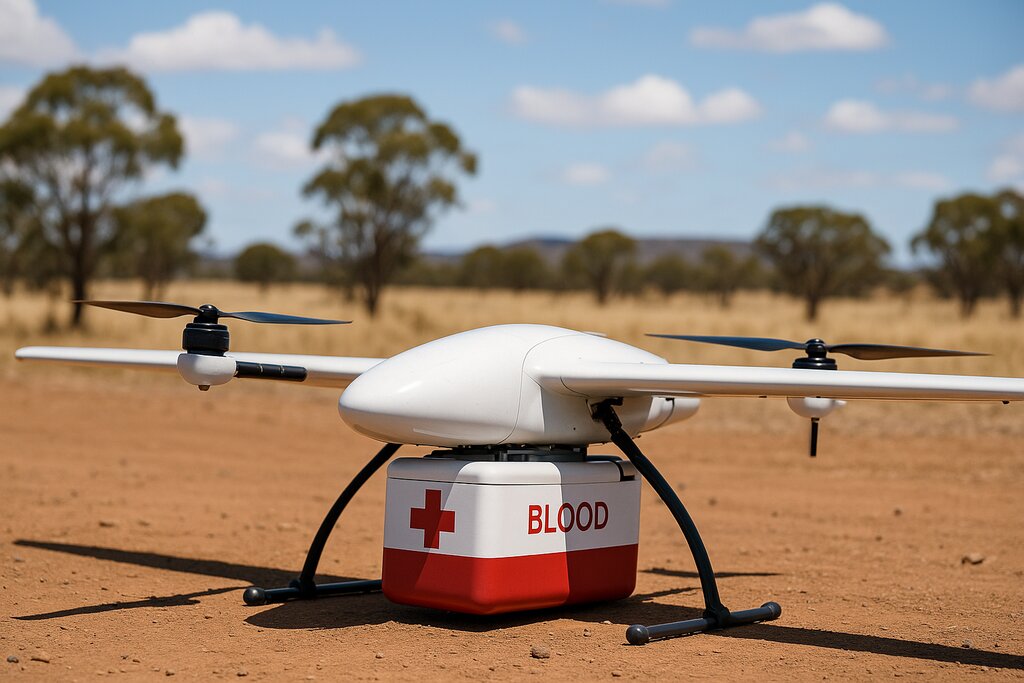
Drone blood delivery in Australia using medical transport drone

Looking Ahead: The Future of Medical Drone Logistics

The global medical drone delivery market is expected to exceed AUD $1 billion within the next five years. As Australia grapples with ageing infrastructure, healthcare labour shortages, and increasing climate-related disruptions, drone blood delivery presents a forward-thinking, scalable solution. With CASA regulations evolving to support BVLOS and autonomous operations, the opportunity to scale these projects is growing rapidly. Integrating drones into the national health supply chain may soon become a reality — not just for emergencies, but for routine deliveries of blood, organs, and medications.

Why Choose Flying Glass as Your Drone Consultancy Partner?

Flying Glass is uniquely positioned to help bring drone blood delivery into the mainstream. Our team combines deep aviation knowledge, high-end drone cinematography expertise, and on-the-ground experience with regulatory bodies and technical operations. We don’t just advise — we partner with our clients to deliver real-world, commercially viable outcomes that save time, money, and lives. Whether you’re a hospital looking to trial drone deliveries or a council seeking flood-proof medical logistics, Flying Glass is here to help you every step of the way.

Contact Us to Explore Drone Blood Delivery

If you’re considering implementing a drone blood delivery program, we invite you to contact us today. Let’s discuss how our consultancy services can bring speed, safety, and innovation to your healthcare logistics.

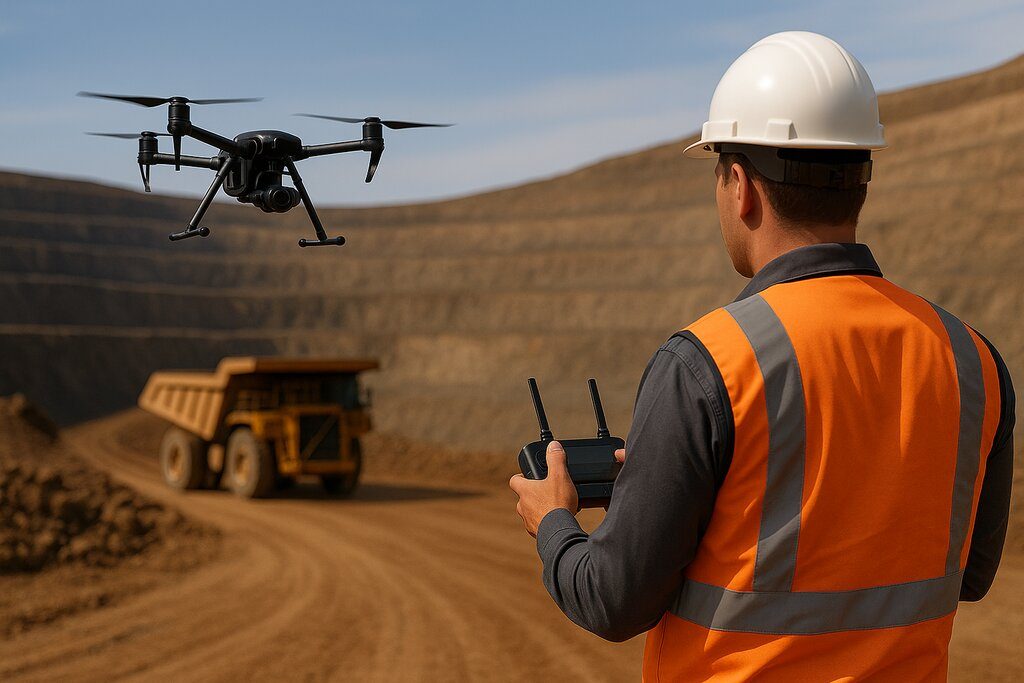
Drones in Mining Mine Sites Australia Inspections

When you picture a mine site, you might think of rugged terrain, heavy equipment, and immense scale. What you might not imagine is a compact drone soaring overhead, collecting high-resolution imagery, thermal data, and LiDAR scans. Yet today, that’s exactly what’s happening across Australia’s mining sector. Mining companies nationwide are turning to drone technology to streamline operations, reduce costs, and improve site safety. At Flying Glass, we specialise in delivering premium drone cinematography and inspection services -including drone mining inspections. In this post, we’ll explore how drones are used in mining, what services they support, the benefits they bring, and how your team can become certified to operate drones in mining environments.


Why Use a Drone in Mining?

Mining operations are vast, remote, and often dangerous. Traditional surveying, inspection, and monitoring methods are time-consuming, costly, and sometimes hazardous. Drones provide a safer, faster, and more cost-effective alternative. With aerial technology, mining teams can collect accurate data across large or difficult-to-access areas – without putting personnel at risk. This data is critical to optimising mine planning, monitoring progress, and ensuring compliance with environmental and safety standards. Key applications include:

  • Aerial site mapping
  • Stockpile volume calculations
  • Infrastructure inspections
  • Environmental monitoring
  • Blast planning and post-blast analysis
  • Thermal inspections of conveyors and machinery

Drone Services for the Mining Industry

At Flying Glass, we offer a comprehensive suite of drone mining services. Our work supports every stage of the mining lifecycle – from exploration and development to operation and rehabilitation.

Mining sits within a much wider range of industrial drone services provided by Flying Glass across infrastructure, energy, transport, government and remote operations.

1. Aerial Mapping and Surveying

Using RTK and PPK-enabled drones, we create highly accurate topographic maps and 3D models. These allow surveyors and planners to analyse terrain features, plan excavation, and monitor site changes over time. Unlike traditional ground-based surveys, aerial mapping is faster, safer, and more scalable. Drone flight rules are essential to ensure all operations remain compliant.

2. Stockpile Measurements

Drone-based photogrammetry provides accurate volumetric analysis of stockpiles and tailings. This enables better material management, reconciliations, and reporting for financial or operational purposes.

3. Infrastructure Inspection

From haul roads and rail lines to power infrastructure, conveyors, and crushers – our drones capture high-resolution visual data that can be analysed for wear, damage, or inefficiencies. Infrared capabilities help detect overheating or potential failure in electrical systems.

4. Blast Planning and Analysis

Pre-blast aerial data helps optimise blast layouts, while post-blast inspections provide insight into fragmentation and movement. This minimises overbreak, underbreak, and flyrock risks, improving safety and efficiency.

5. Environmental Monitoring

Drones can monitor water run-off, vegetation regrowth, erosion, and dust emissions – providing visual evidence for compliance reporting and environmental stewardship. Our LiDAR drone services support detailed terrain mapping and vegetation analysis for such tasks.


Equipment We Use for Mining Inspections

Mining demands robust, reliable drone platforms with advanced sensor payloads. At Flying Glass, we deploy:

  • DJI Inspire 3: For high-end visuals and cinematography
  • Mavic 3 Pro Cine: Compact but powerful, great for tight areas and recon
  • Custom FPV drones: For dynamic, immersive drone inspections
  • LiDAR-equipped drones: For terrain modelling and vegetation analysis

We tailor the equipment to each job, ensuring the right tools are used for every scenario. Watch our showreel to see Flying Glass in action.


Benefits of Using Drones in Mining

Drones offer transformative benefits to mine operators, engineers, and project managers. Let’s break them down:

1. Enhanced Safety

No need to send surveyors into hazardous zones. Drones eliminate fall risk, exposure to dust, and interactions with heavy machinery.

2. Cost Efficiency

Aerial inspections cut the time, manpower, and equipment needed for ground surveys – resulting in significant savings.

3. Faster Decision-Making

Real-time or rapid data delivery allows mining teams to make operational decisions quickly.

4. Improved Accuracy

High-resolution imagery and precise GPS coordinates deliver centimetre-level data for maps and measurements.

5. Regular Monitoring

Frequent flights allow you to track progress, spot issues early, and optimise logistics. Check out our drone accessories buyer’s guide to see how the right gear enhances these capabilities.


Key Use Cases in Australian Mining

Iron Ore (WA)

Operators in the Pilbara region use drones for pit-to-port inspections, conveyor checks, and stockpile reconciliations.

Coal (NSW & QLD)

Aerial mapping and environmental monitoring help ensure compliance with regulations near communities and ecologically sensitive areas.

Gold & Rare Earth Minerals

Exploration companies use drone LiDAR to survey challenging terrain and identify promising drilling zones.

Rehabilitation Projects

Drones help monitor vegetation growth and erosion, making it easier to report progress to government agencies.

Drones in Mining Mine Sites Australia Inspections


Getting Your Team Certified for Mining Drone Work

Want to bring drone operations in-house? You’ll need properly trained and certified pilots. We recommend our sister company, SkyMedia Training, for obtaining the CASA Remote Pilot Licence (RePL) -required for commercial drone work. Their course offers:

  • In-person and on-site training
  • CASA-approved curriculum
  • Practical flight assessment
  • Knowledge of Australian airspace, rules, and safety protocols

Get your team RePL certified


Regulatory Compliance

Mining companies must ensure drone flights comply with CASA regulations. Key requirements include:

  • RePL and Operator’s Certificate (OC)
  • Flight within visual line of sight (VLOS)
  • Operating outside restricted airspace or with the proper approvals

Understand how to obtain a drone permit in Australia or secure your Operator’s Certificate. Our comprehensive guide to Australian drone laws can also help keep your team compliant.


Choosing a Drone Partner for Mining Projects

If you’re looking to outsource drone work, choose a provider with:

  • CASA licensing and insurance
  • Industry experience in mining and infrastructure
  • Post-processing capabilities for photogrammetry and LiDAR
  • Safety-first mindset
  • Local knowledge of your site and airspace

At Flying Glass, we’ve worked with major clients across Australia’s mining sector and understand the unique demands of the field.


Final Thoughts

The future of mining is digital, data-driven, and drone-powered. Whether you’re managing active operations, rehabilitating a site, or exploring new terrain – mining drone services offer a safer, faster, and more accurate way to work. To learn more or to get started with an inspection project, contact us today. Or, if you want to get your own team certified and operational, check out our training partner at SkyMedia Training.

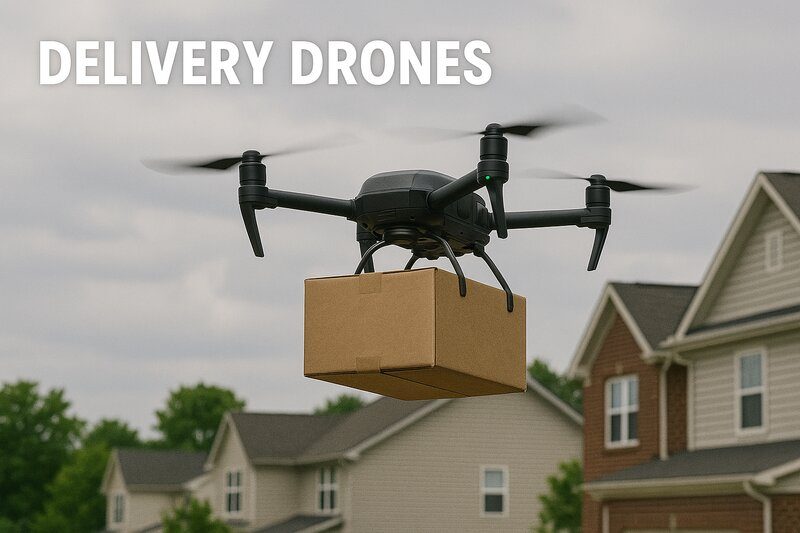
Delivery Drones Australia

There’s no denying it – delivery drones are changing the face of logistics, transport, and customer service across Australia and beyond. What once felt like sci-fi is now a viable, efficient, and often faster way to deliver everything from coffee to medical supplies. But what does it actually take to launch a delivery drone operation in Australia?

That’s where we come in.

At Flying Glass, we offer drone consultancy services for businesses and government agencies exploring drone delivery – backed by over 30 years of aviation experience and a deep understanding of CASA requirements. Whether you’re designing a drone drop stunt, piloting a prototype delivery drone fleet, or just figuring out where to start, this guide explains everything you need to know—and how we can help.


What Are Delivery Drones?

A delivery drone is a type of remotely piloted aircraft system (RPAS) used to transport goods from one location to another – usually within a 10 km radius. They’re typically lightweight, battery-powered multirotor drones equipped with GPS, collision-avoidance sensors, and a payload delivery system.

Applications include:

  • Medical deliveries (e.g., blood samples, vaccines)
  • Food delivery (coffee, meals, groceries)
  • Retail (e-commerce packages, fast fulfilment)
  • Event stunts and promotional drops
  • Emergency supplies in disaster zones
  • Remote location deliveries (islands, national parks)

Why Use Delivery Drones in Australia?

Australia’s geography makes it uniquely suited to drone deliveries. Our vast distances, urban congestion, and remote communities create logistical challenges that drones are primed to solve. Early adopters like Wing (a Google company) and Swoop Aero have already proven this in suburbs like Logan, QLD and Canberra, ACT, while Europe is seeing rapid suburban scaling with Manna drone delivery.

Key benefits:

  • Faster last-mile delivery
  • Lower carbon emissions
  • Less road congestion
  • Access to remote or isolated communities
  • Contactless delivery (especially useful during pandemics)
  • Incredible PR and marketing potential

What’s Stopping Most Companies from Getting Started?

Despite the hype, very few companies are flying delivery drones at scale – and for good reason. It’s not as simple as buying a drone and hitting ‘go’.

Here’s where it gets complex:

1. CASA Regulations Are Strict

Australia’s drone laws are among the most detailed in the world, especially for delivery drones. CASA requires:

  • An Operator’s Certificate (OC)
  • At least one licensed Remote Pilot (RePL)
  • A detailed Operations Manual
  • Approval to fly over populated areas
  • Approval for dropping objects from drones
  • BVLOS (Beyond Visual Line of Sight) approvals
  • A Safety Management System

2. Liability and Insurance

You’ll need comprehensive public liability insurance, plus plans to handle accidents, privacy breaches, or damage caused by your aircraft or payload.

3. Public Safety and Perception

Even if you’re legal, the public still needs to feel safe. Issues such as drones dropping boxes onto homes or buzzing overhead in quiet suburbs can lead to backlash or police attention.

Read our detailed guide on dropping from a drone for a breakdown of the legalities and risks involved in aerial delivery.


Flying Glass: Your Drone Delivery Partner

We’re not just drone pilots – we’re aviation consultants. At Flying Glass, we help businesses plan, test, and launch drone delivery operations from the ground up.

Here’s how we support you:

Regulatory Guidance

We help you understand what’s required to run a drone delivery operation, assist with RePL and OC pathways, and guide you through SORA and BVLOS applications.

Safety & Airspace Planning

We’ll map your flight zones, identify risk factors, and propose mitigation strategies that actually get CASA approval.

Drop Payload Design & Testing

We help develop your drop-release systems to meet CASA’s ‘safe release’ criteria – and conduct test flights that prove safety and accuracy.

Where an off-the-shelf delivery mechanism does not meet the project requirements, Flying Glass can also provide custom drone payload integration for specialist carrying, mounting, release and delivery systems.

Permits and Documentation

We prepare the technical documentation required for CASA – including your risk assessment, job safety analysis, and mission profiles.

Marketing and Media Integration

Thinking of using a delivery drone in your campaign or event? We’ve supported everything from TV ads to influencer drops and cinematic PR stunts. Watch our showreel to see our work in action.


Use Cases for Delivery Drones in Australia

Wondering if drone delivery could work for your industry? Here are a few applications we’ve supported or consulted on.

Retail & E-Commerce

Brands are looking for ways to get closer to same-day and even same-hour delivery. Drones offer ultra-fast service with zero road congestion – ideal for urban ‘last mile’ logistics or remote-area drops.

Healthcare

Delivery drones are already being used to transport critical medical items in Africa and rural Australia. We’re working with health providers to ensure compliance with CASA when transporting temperature-sensitive or high-value cargo.

Events & Promotions

Want to deliver a product sample onto a beach, launch a product from the air or create an unexpected promotional moment? We have delivered exactly this type of work for major campaigns. For creative and promotional applications, see our drone brand activation services.

Construction & Mining

Remote project sites often suffer from equipment or supply delays. Delivery drones can drop small components or tools on demand.

Food Delivery

Flying burritos? It’s already happening. But it requires creative packaging, accurate drop systems, and delivery within a small radius.

Delivery Drones Australia


Legal Considerations for Delivery Drones

As exciting as delivery drones are, there are strict boundaries you need to work within.

Here are just some of the legal concerns:

Dropping from a Drone

Any time you’re releasing a payload mid-air, CASA considers it “dropping of an object,” which is heavily regulated.

  • Must be authorised in your OC and operational documentation
  • Must not pose a risk to people or property
  • May require parachutes or soft-release systems
  • CASA may require flight testing and detailed safety reports

See our full post: Dropping from a Drone: Legal Guide for Australia

Flying Over Populous Areas

This includes suburbs, beaches, or anywhere people gather. CASA generally does not allow RPA flights over populous areas without a complex application and significant safety evidence.

Flying Glass can help prepare these approvals through SORA or other risk-based frameworks.

Where a delivery or promotional operation also requires the aircraft to operate over or near people, Flying Glass holds specialist OONP capability and can advise on the appropriate operational pathway for the proposed flight.

BVLOS Operations

To fly your delivery drone beyond visual line of sight, you’ll need special CASA authorisation, robust detect-and-avoid systems, and a proven track record of safe flight ops.


Delivery Drone Technology: What’s Available?

We work with clients to evaluate and deploy the best delivery drone solutions based on their use case.

Current tech includes:

  • VTOL drones that can launch and land vertically but cruise like planes
  • Multirotor drones with fixed payload arms or drop-release mechanisms
  • AI-enhanced routing for real-time adjustments based on wind, traffic, and airspace
  • Mobile ground stations with automated loading
  • Weatherproof enclosures for temperature-sensitive items

For organisations planning unattended launch, landing, charging and scheduled missions, drone-in-a-box systems can provide the infrastructure required to support more automated delivery and remote-operation models.

We help clients compare off-the-shelf drones like DJI Matrice or Flytrex with custom-built platforms for scalability.

Featured Delivery Drone: DJI FlyCart 30

The DJI FlyCart 30 is purpose-built for logistics, with a 30kg payload, 16km range, and parachute integration. It’s ideal for BVLOS delivery operations in Australia and fully compatible with CASA compliance pathways.

DJI FlyCart 30 – Enterprise Delivery Drone

A high-performance delivery drone built for commercial logistics and emergency supply missions. Features 30kg payload, BVLOS support, and integrated parachute recovery.

Price: AUD $26,830

View Product


Why Flying Glass?

There are a lot of drone companies in Australia. But here’s what sets us apart:

  • Australian-owned and CASA-certified
  • Proven work across film, TV, and government sectors
  • 30+ years of manned and unmanned aviation experience
  • Consultancy, not just pilot hire—we do strategy, compliance, and execution
  • Specialists in high-complexity operations
  • Direct access to experienced RePL/AROC/OC professionals

Whether you’re building an internal drone delivery service or need a one-time promotional drop, we’re your first call.


Frequently Asked Questions

Can I just buy a drone and start delivering?

No. Not legally. You need a Remote Pilot Licence, and any commercial drone ops (especially delivery) require an Operator’s Certificate, approved documentation, and proper insurance.

Do I need CASA approval for a one-time product drop?

Yes – especially if you’re flying over people or built-up areas. We can help get these approvals and even operate the flight on your behalf under our OC.

What’s the range of a delivery drone?

Usually 2–10 km depending on drone type, weight, battery capacity, and CASA restrictions.

Can Flying Glass supply the pilot and drone?

Absolutely. We offer turnkey operations with equipment, crew, permits, and delivery execution included.


Let’s Talk

If you’re considering launching – or even testing – a delivery drone solution in Australia, don’t guess. Let us help you do it safely, legally, and creatively.

Contact us today
Watch our showreel
Explore our drone consultancy services

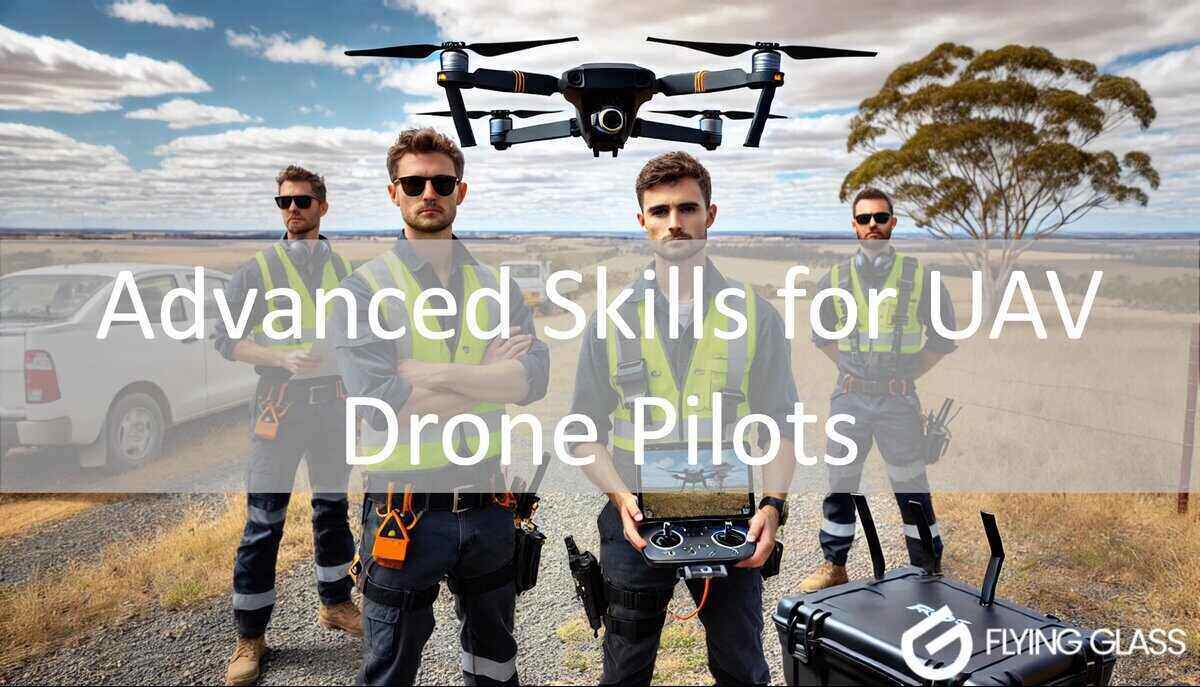
Advanced Skills for UAV Drone Pilots

Mastering the Complexities of Commercial Operations

As the demand for drone technology grows across various industries, the role of the UAV drone pilot has evolved from basic aerial photography and videography to more complex operations. Today’s UAV (Unmanned Aerial Vehicle) pilots are tasked with performing intricate missions that require specialised skills, certifications, and an understanding of industry-specific challenges. In this post, we’ll explore the advanced skills every UAV drone pilot needs to master in order to take on more challenging and high-stakes commercial operations. From BVLOS (Beyond Visual Line of Sight) flying to operating in hazardous environments, we’ll cover the areas that set advanced UAV drone pilots apart from their peers. Advanced Skills for UAV Drone Pilots


The Difference Between Basic Drone Piloting and UAV Drone Piloting

At the heart of professional drone operations is the distinction between basic drone piloting and operating UAVs for complex commercial tasks. While a basic drone pilot may focus on straightforward missions such as real estate photography or wedding videography, a UAV drone pilot takes on tasks that require a deeper understanding of aviation, regulatory compliance, and mission-critical operations.

Basic Drone Piloting

  • Typically limited to flying drones within visual line of sight (VLOS)
  • Conducts simple operations such as aerial photography, inspection, or recreational flying
  • Requires standard certifications such as the Remote Pilot Licence (RePL)

UAV Drone Piloting

  • Often involved in Beyond Visual Line of Sight (BVLOS) operations
  • Specialises in high-risk or industry-specific missions (e.g., infrastructure inspections, mining, security)
  • Requires advanced certifications, approvals, and a strong knowledge of aviation and safety regulations
  • Must handle complex environments, including hazardous areas or restricted airspaces

The advanced skills required for UAV drone pilots set them apart, making them valuable assets in industries where drones play a critical role in operational efficiency and safety.


Specialised UAV Drone Pilot Skills for High-Risk Industries

As a UAV drone pilot, you’ll need to develop a broad range of skills that go beyond basic flying techniques. Depending on the industry you work in, these skills will include flying in challenging environments, navigating complex regulatory frameworks, and handling highly specialised equipment.

1. Infrastructure Inspection and Monitoring

One of the fastest-growing sectors for UAV drone pilots is infrastructure inspection. UAVs are now regularly used to inspect bridges, pipelines, wind turbines, and power lines. The precision and stability of drones make them ideal for identifying structural defects, corrosion, or wear without putting human inspectors at risk. Advanced Skills for Infrastructure Inspection:

  • Precision Flying: UAV pilots must be able to fly in close proximity to structures, often in windy or otherwise adverse conditions, without causing damage or losing control of the drone.
  • Thermal Imaging: Pilots often use drones equipped with thermal cameras to detect temperature anomalies in electrical grids or industrial plants. Understanding how to interpret thermal data is crucial.
  • Data Management: Beyond capturing footage, UAV drone pilots must also manage and analyse large amounts of data collected during inspections, often in real-time.

2. Mining Operations

Mining companies increasingly rely on UAVs for tasks such as site mapping, volumetric analysis, and environmental monitoring. These operations require a UAV drone pilot with specialised knowledge of working in rugged, often remote environments. Advanced Skills for Mining Operations:

  • Mapping and Surveying: UAV drone pilots must understand geospatial data collection, working with advanced software to create 3D maps and models of mining sites.
  • Autonomous Flight Programming: Mining operations often require drones to fly pre-programmed paths over large areas. UAV pilots must be adept at using automated flight management systems to plan and execute these missions.
  • Hazardous Environment Management: Mines can present numerous hazards, from dust and debris to extreme weather conditions. Pilots need to be skilled at managing the risks of flying in such environments.

3. Security and Surveillance

UAV drones have become essential tools for security operations, enabling companies to monitor large areas and provide real-time surveillance in a cost-effective manner. UAV drone pilots in this field must excel at quick decision-making, often in high-pressure situations. Advanced Skills for Security Operations:

  • Night Flying and BVLOS: Many security operations require drones to fly at night or beyond visual line of sight. Pilots must have the necessary certifications and approvals to conduct these flights legally and safely.
  • Real-Time Data Transmission: In security scenarios, UAV pilots often need to transmit live video and data feeds to security teams on the ground, ensuring rapid response to potential threats.
  • Risk Assessment: Security operations can involve flying over sensitive or high-risk areas. UAV drone pilots must be able to assess risks and implement strict safety protocols to avoid accidents.

Advanced Certifications and Approvals Required for UAV Drone Pilots

To operate as a UAV drone pilot in high-stakes or complex environments, you will need more than just a basic Remote Pilot Licence (RePL). Advanced certifications and approvals are often required to carry out certain tasks, particularly when flying in restricted or hazardous areas.

1. BVLOS Certification

One of the most valuable certifications for UAV drone pilots is the Beyond Visual Line of Sight (BVLOS) approval. BVLOS operations allow drones to fly outside the pilot’s line of sight, making them ideal for long-distance missions such as surveying vast mining areas or monitoring critical infrastructure. How to Get BVLOS Approval:

  • Obtain a BVLOS Endorsement: BVLOS operations require pilots to undergo specialised training and certification. You’ll need to demonstrate advanced flying skills and a thorough understanding of airspace management, risk mitigation, and emergency protocols.
  • Submit an Application to CASA: In Australia, BVLOS operations must be approved by CASA. This process involves submitting a detailed safety case, outlining how you plan to manage the risks associated with flying beyond visual line of sight.

At Flying Glass, we offer consultancy services to help drone operators apply for BVLOS certification, as well as guidance on how to safely conduct these operations.

2. REOC (Remote Operator’s Certificate)

For businesses or organisations managing multiple drones or larger operations, obtaining a Remote Operator’s Certificate (REOC) is essential. The REOC allows companies to perform more complex missions, including BVLOS operations, night flying, and flights in controlled airspace. Key Benefits of a REOC:

  • Flexibility: A REOC allows UAV drone pilots to operate across various industries, from security to industrial inspections, with greater freedom to perform complex missions.
  • Legal Compliance: It ensures that all operations comply with CASA’s strict regulations, giving clients confidence in the safety and professionalism of your services.

Common Challenges Faced by UAV Drone Pilots

Operating as a UAV drone pilot presents its own set of challenges. From navigating complex airspace regulations to ensuring the safety of operations in hazardous environments, UAV pilots must be prepared to manage a variety of risks.

1. Navigating Restricted Airspace

One of the most significant challenges for UAV drone pilots is managing flights in restricted or controlled airspace. This is particularly relevant when working in urban environments or near critical infrastructure such as airports. Solution: To operate legally in restricted airspace, UAV drone pilots must apply for special permissions from CASA. This involves submitting detailed flight plans and demonstrating how you will manage risks associated with flying in high-traffic areas.

2. Managing Safety in Hazardous Environments

Whether it’s flying over industrial sites, near power lines, or in mines, operating in hazardous environments requires UAV drone pilots to be vigilant about safety. Drones are often exposed to extreme conditions, from dust and high temperatures to high winds. Solution: UAV drone pilots need to undergo additional training and certifications that prepare them for these high-risk operations. They should also be equipped with rugged drones designed to withstand challenging conditions. At Flying Glass, we regularly operate in demanding environments, and our consultancy services are available to help UAV drone pilots develop the necessary operational plans and safety protocols for their specific industries.


Conclusion: Taking Your UAV Drone Pilot Career to the Next Level

Becoming a successful UAV drone pilot requires more than just the ability to fly. It involves mastering advanced skills, obtaining specialised certifications, and understanding the unique challenges of working in industries like mining, infrastructure inspection, and security. By developing these skills and pursuing certifications like BVLOS and REOC, you’ll be able to take on more complex projects and expand your career opportunities. At Flying Glass, we offer the tools and expertise you need to advance your career as a UAV drone pilot. From showreel-worthy cinematography to high-risk industrial inspections, our team has experience across a wide range of industries. Get in touch with us to learn more about our drone services and consultancy offerings, and see how we can help you excel in your UAV drone pilot career.

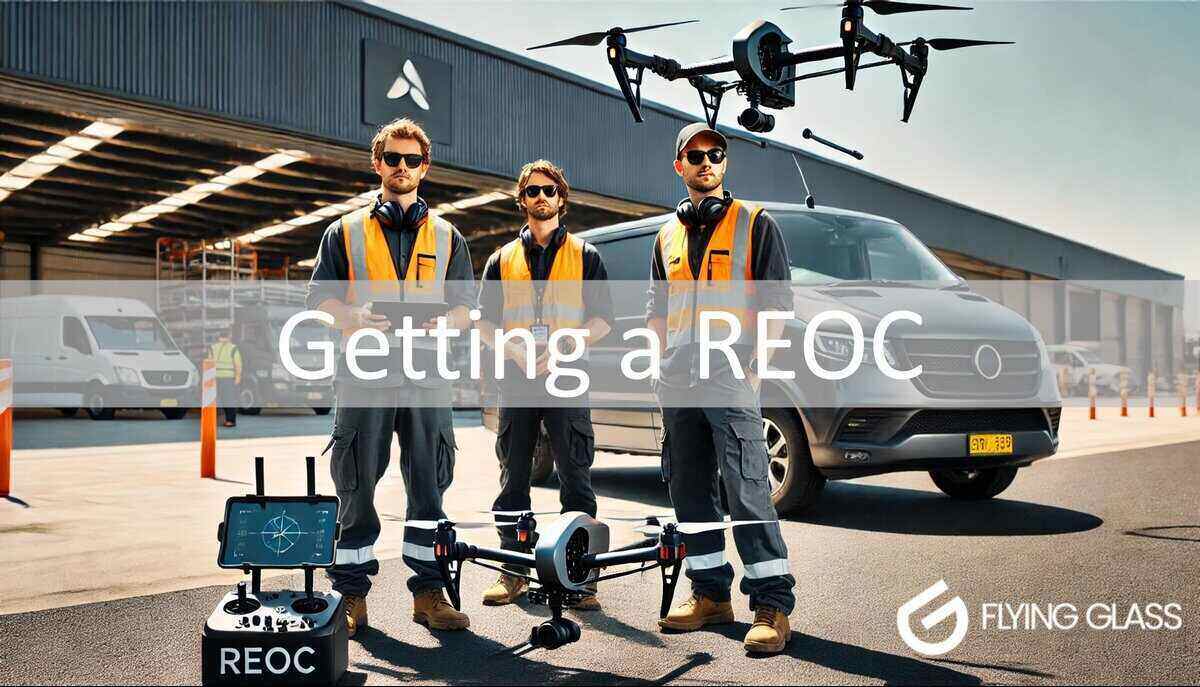
REOC Remote Operator's Certificate Australian Drone Licence CASA

As the drone industry continues to grow in Australia, more and more businesses are seeing the value of using drones for commercial purposes. Whether it’s for aerial cinematography, inspections, mapping, or surveying, operating drones in a commercial capacity often requires more than just a standard Remote Pilot Licence (RePL). One of the most crucial certifications for any business looking to scale its drone operations is the REOC — the Remote Operator’s Certificate.

But what exactly is a REOC, and how can it help your business? In this post, we’ll break down the 10 most important things you need to know about obtaining a REOC, from the benefits it offers to the steps required to get one.


1. What Is a REOC?

The Remote Operator’s Certificate (REOC) is issued by CASA (Civil Aviation Safety Authority) and is required for businesses that wish to operate drones for commercial purposes in Australia. While individuals need a Remote Pilot Licence (RePL) to fly drones commercially, businesses need a REOC to conduct drone operations legally.

The REOC essentially allows businesses to operate under their own name, rather than relying on an external drone operator with a REOC. It is the equivalent of having an Operator’s Certificate, giving the company the authority to perform commercial drone operations, oversee flights, and manage a team of certified drone pilots.

Key Benefits of a REOC:

  • Legal authority to conduct commercial drone operations.
  • Flexibility to oversee multiple drone pilots under one organisation.
  • Ability to take on larger projects that require more complex operations, such as night flying, flying beyond visual line of sight (BVLOS), or in controlled airspace.

2. Why You Need a REOC for Commercial Drone Operations

If you’re looking to grow your drone business and expand your service offerings, obtaining a REOC is a critical step. A business without a REOC can only operate under the authority of a certified operator, which can limit your potential clients and the types of projects you can take on.

With a REOC, your business will have the legal framework to manage complex drone operations and meet the regulatory requirements set by CASA. This not only opens the door to larger, more lucrative projects, but it also boosts your credibility with potential clients.

Projects That Require a REOC Include:

  • Infrastructure inspections
  • Large-scale mapping and surveying
  • Aerial cinematography for film and TV
  • Agricultural monitoring and data collection
  • Emergency response and rescue operations

3. The REOC Application Process: What to Expect

Obtaining a REOC is not a quick process, but it is manageable with the right support and preparation. The application process involves submitting a detailed operations manual to CASA, which outlines how your business will conduct drone operations safely and in compliance with aviation regulations.

Your operations manual must include information about your standard operating procedures, risk management strategies, and how you’ll handle emergency situations. You’ll also need to demonstrate that your business has the necessary resources and qualified personnel (such as a chief pilot) to carry out safe drone operations.

Steps to Apply for a REOC:

  1. Complete and submit a REOC application form through CASA.
  2. Prepare and submit an operations manual detailing your company’s procedures.
  3. Nominate a chief pilot responsible for managing drone operations.
  4. Schedule a CASA audit to review your application and operational procedures.
  5. Receive your REOC once your application is approved.

At Flying Glass, we offer consultancy services to help businesses develop their operations manual and navigate the application process. Our experience with CASA regulations ensures that your business meets all the necessary requirements for obtaining a REOC.


4. The Role of the Chief Pilot in a REOC

One of the key requirements for obtaining a REOC is nominating a chief pilot. The chief pilot is responsible for overseeing all drone operations within the business, ensuring that flights are conducted safely and in accordance with CASA regulations.

The chief pilot must hold a valid RePL and demonstrate a thorough understanding of drone operations, risk management, and airspace regulations. They are also responsible for training new pilots, maintaining equipment, and keeping up with the latest regulatory changes.

Responsibilities of a Chief Pilot:

  • Oversee flight operations and ensure compliance with CASA regulations.
  • Train and supervise other pilots within the organisation.
  • Manage the company’s fleet of drones and ensure they are properly maintained.
  • Develop and implement risk management strategies for complex operations.

If your business does not yet have a chief pilot, Flying Glass can assist with consultancy services to help you appoint the right person or train an existing team member.


5. How to Create an Operations Manual for Your REOC

A well-constructed operations manual is one of the most critical components of the REOC application process. This document outlines how your company will conduct drone operations, ensuring safety and compliance with CASA regulations.

Your operations manual needs to cover a wide range of topics, including flight planning, risk assessments, communication procedures, emergency response plans, and maintenance schedules for your drones. CASA will review this document carefully to ensure that your business is capable of conducting safe and efficient drone operations.

What to Include in Your Operations Manual:

  • Standard Operating Procedures (SOPs) for each type of drone operation.
  • Detailed risk management strategies and hazard identification processes.
  • Emergency response plans for incidents such as equipment failure or injury.
  • Maintenance and inspection schedules for your drone fleet.
  • Communication protocols, including radio procedures and airspace awareness.

At Flying Glass, we provide consultancy services to help businesses develop their operations manuals and meet CASA’s stringent requirements. Our team has extensive experience in creating manuals that meet regulatory standards and ensure safe operations.


6. The Benefits of Holding a REOC

Holding a REOC opens up a world of opportunities for your drone business. With this certification, you can take on larger, more complex projects that require advanced drone operations. Additionally, a REOC boosts your credibility, showing clients and stakeholders that your business is fully compliant with CASA regulations.

Key Benefits of a REOC:

  • Access to larger commercial projects that require complex drone operations.
  • Flexibility to conduct night flights, BVLOS operations, and flying in controlled airspace.
  • Ability to manage multiple drone pilots under one business entity.
  • Increased credibility and trust with clients and stakeholders.
  • The ability to expand your business’s service offerings into new industries.

With a REOC, your business can grow and scale to take on more challenging and profitable projects. Whether it’s aerial cinematography, inspections, or emergency response, a REOC allows your business to operate at a higher level.


7. What Happens During a CASA Audit?

Once you’ve submitted your REOC application and operations manual, CASA will conduct an audit to ensure your business is ready to conduct drone operations safely. The audit is a comprehensive review of your procedures, documentation, and operational readiness.

During the audit, CASA inspectors will evaluate your operations manual, assess your chief pilot’s qualifications, and review your company’s safety protocols. They may also ask to observe a drone flight to ensure that your team follows proper procedures.

What to Expect During a CASA Audit:

  • A thorough review of your operations manual and safety procedures.
  • Evaluation of your risk management strategies and hazard identification processes.
  • Assessment of your chief pilot’s knowledge and qualifications.
  • An on-site inspection of your drone equipment and maintenance records.
  • A possible flight demonstration to verify operational procedures.

Flying Glass can help you prepare for your CASA audit, ensuring that your operations manual and procedures meet regulatory standards. Our team will work with you to address any potential issues before the audit, giving your business the best chance of success.


8. How Long Does It Take to Get a REOC?

The process of obtaining a REOC can take several months, depending on the complexity of your operations and the thoroughness of your application. On average, businesses can expect the entire process to take between 3 to 6 months from the initial application to receiving their REOC.

Factors That Affect the REOC Timeline:

  • The completeness and accuracy of your operations manual.
  • The qualifications and experience of your chief pilot.
  • CASA’s audit schedule and the availability of inspectors.
  • The complexity of your proposed drone operations (e.g., night flying, BVLOS).

To speed up the process, it’s essential to submit a detailed and well-prepared application. Flying Glass offers consultancy services to help streamline the application process and ensure that your business is ready for a CASA audit as soon as possible.


9. How a REOC Can Help You Win Larger Projects

Having a REOC gives your business a significant advantage when competing for larger commercial projects. Clients in industries such as construction, film, and emergency services often require operators with a REOC to ensure that drone operations are conducted legally and safely.

Additionally, a REOC allows your business to take on more complex projects, such as flying in restricted airspace, performing BVLOS operations, or conducting night flights. These types of projects often come with higher budgets and more demanding requirements, making a REOC a valuable asset for any drone business looking to grow.

REOC Remote Operator's Certificate Australian Drone Licence CASA


10. Consultancy Services to Help You Obtain a REOC

Navigating the REOC application process can be challenging, especially for businesses that are new to commercial drone operations. Fortunately, you don’t have to go through the process alone. Flying Glass offers consultancy services to help businesses develop their operations manuals, train their chief pilots, and prepare for CASA audits.

With years of experience in the drone industry, Flying Glass understands the complexities of CASA regulations and can provide tailored solutions to help your business succeed. Whether you need assistance with the application process or guidance on expanding your service offerings, our team is here to support you every step of the way.


Conclusion: The REOC Is a Game Changer for Drone Businesses

Obtaining a REOC is a crucial step for any business looking to scale its drone operations in Australia. From managing a team of pilots to conducting complex operations, a REOC gives your business the authority and credibility needed to succeed in the competitive drone industry.

By following the steps outlined in this post and working with experts like Flying Glass, you can navigate the REOC application process smoothly and position your business for long-term growth. Contact us today to learn more about how we can help you obtain a REOC and take your drone business to the next level.

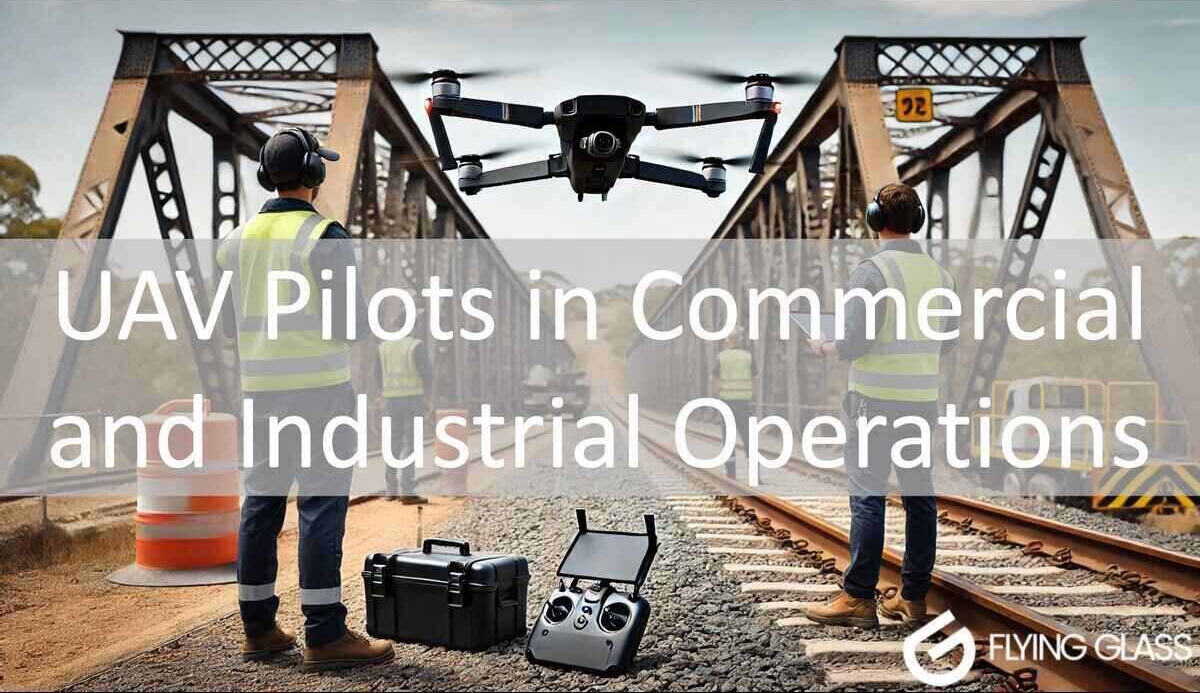
UAV Pilot Drone Operator in Commercial and Industrial Operations Sydney

The rapid evolution of drone technology has transformed industries worldwide, and at the centre of this revolution are UAV pilots—the skilled professionals responsible for operating Unmanned Aerial Vehicles (UAVs). From crop monitoring in agriculture to wind turbine inspections in energy, UAV pilots play a crucial role in ensuring efficient operations across multiple sectors. In this post, we will dive into the significant impact UAV pilots have on commercial and industrial operations. We’ll cover their contributions to sectors such as agriculture, energy, and defence, explore the advanced technology they use for data collection, mapping, and surveillance, discuss regulatory considerations, and look at future trends in UAV careers.


The Expanding Role of UAV Pilots in Commercial Industries

In the early days of UAV technology, drones were mostly limited to recreational use and aerial photography. However, with advancements in drone capabilities, the role of UAV pilots has expanded into vital commercial and industrial operations. Today, UAV pilots perform complex tasks that enhance productivity, improve safety, and reduce costs for industries that rely heavily on data collection and surveillance. Let’s take a closer look at some of the key industries where UAV pilots are making a substantial impact:


1. UAV Pilots in Agriculture: Enhancing Crop Monitoring and Precision Farming

Agriculture has become one of the most significant industries to embrace UAV technology, particularly in the areas of crop monitoring and precision farming. UAV pilots use drones equipped with advanced sensors and cameras to collect data on crop health, soil conditions, and irrigation patterns. This data enables farmers to make informed decisions that improve crop yields, reduce waste, and optimise the use of resources like water and fertilisers.

Key UAV Pilot Responsibilities in Agriculture:

  • Crop Health Monitoring: UAV pilots use drones to capture multispectral images of crops, which help identify areas affected by pests, disease, or drought. These images are analysed to assess crop health and determine where interventions are needed.
  • Soil Analysis: By collecting data on soil composition and moisture levels, UAV pilots help farmers optimise irrigation and fertilisation schedules, ensuring that crops receive the right amount of nutrients and water.
  • Precision Agriculture: UAV pilots enable precision farming by flying drones that map fields in detail. This allows farmers to apply pesticides, fertilisers, and water only where necessary, reducing waste and environmental impact.

At Flying Glass, we understand the importance of data in agriculture and offer UAV services for precision farming. Our experienced UAV pilots use cutting-edge drone technology to help farmers monitor and manage their crops more efficiently.


2. UAV Pilots in the Energy Sector: Revolutionising Inspections and Maintenance

The energy industry is another sector that has significantly benefited from UAV pilots’ expertise. Drones are now widely used for inspections and maintenance of critical infrastructure, such as wind turbines, power lines, and solar farms. UAV pilots help energy companies conduct faster, safer, and more cost-effective inspections, reducing downtime and increasing operational efficiency.

Key UAV Pilot Responsibilities in the Energy Sector:

  • Wind Turbine Inspections: UAV pilots fly drones equipped with high-resolution cameras and thermal sensors to inspect wind turbines for damage or wear. By flying close to the blades and other critical components, UAV pilots can capture detailed images that identify issues like cracks, erosion, or overheating.
  • Power Line Inspections: Maintaining the power grid is a constant challenge, particularly in remote or hazardous locations. UAV pilots use drones to inspect power lines, reducing the need for ground crews to access difficult terrain. Drones can also detect temperature anomalies that indicate potential failures in the system.
  • Solar Farm Monitoring: UAV pilots use thermal imaging drones to monitor solar panels for inefficiencies or damage. This data helps energy companies optimise performance and ensure that solar farms are operating at peak efficiency.

The ability of UAV pilots to conduct these inspections without shutting down operations is a game-changer for the energy sector. At Flying Glass, our UAV pilots are skilled in conducting energy sector inspections, ensuring that our clients’ infrastructure is maintained efficiently and safely.


3. UAV Pilots in Defence and Security: The Eyes in the Sky

UAVs have long been associated with military and defence applications, and UAV pilots play a pivotal role in national security, surveillance, and reconnaissance operations. Drones provide critical intelligence, allowing defence forces to monitor borders, track threats, and conduct surveillance in areas that are too dangerous or inaccessible for ground personnel.

Key UAV Pilot Responsibilities in Defence:

  • Surveillance and Reconnaissance: UAV pilots operate drones that provide real-time surveillance over conflict zones, borders, or high-risk areas. These drones can fly for extended periods, offering continuous monitoring and intelligence gathering.
  • Search and Rescue Operations: UAV pilots are increasingly being deployed in search and rescue missions. Drones equipped with thermal imaging sensors can locate missing persons in difficult terrain, helping emergency responders deploy resources more effectively.
  • Counter-Drone Operations: With the rise of drone technology, the threat of unauthorised or hostile drone use has grown. UAV pilots in defence are responsible for operating counter-drone systems that detect, track, and neutralise rogue drones.

The use of drones in defence is expected to continue growing, with UAV pilots at the forefront of innovation in national security.


The Technology Used by UAV Pilots in Commercial Operations

One of the key reasons UAV pilots are so valuable in commercial and industrial settings is the advanced technology they use to collect data, map environments, and monitor operations. UAV pilots work with sophisticated sensors, cameras, and software to capture detailed information that can be analysed and used to optimise processes.

1. Multispectral and Thermal Imaging

Many UAV pilots use drones equipped with multispectral and thermal imaging sensors to collect data that would be impossible to obtain from the ground. In agriculture, multispectral sensors allow UAV pilots to assess crop health, while thermal sensors are widely used in energy sector inspections to detect temperature anomalies in infrastructure like wind turbines and solar panels.

2. LiDAR (Light Detection and Ranging)

LiDAR is a remote sensing technology that uses laser pulses to create highly detailed 3D maps of the environment. UAV pilots use LiDAR-equipped drones to map terrain, survey construction sites, and monitor forests or mining sites. This technology is particularly valuable in industries where precision mapping is required.

3. Photogrammetry and 3D Mapping

Photogrammetry is a technique used by UAV pilots to create 3D maps from aerial images. By capturing overlapping photos of a landscape, UAV pilots can create detailed 3D models of construction sites, mines, or agricultural fields. These models are used to measure distances, monitor changes, and plan operations.


Regulatory Considerations for UAV Pilots in Commercial Industries

Operating UAVs in commercial and industrial settings comes with significant regulatory responsibilities. In Australia, the Civil Aviation Safety Authority (CASA) regulates the use of drones, and UAV pilots must ensure that their operations comply with all legal requirements.

1. Remote Pilot Licence (RePL)

All commercial UAV pilots in Australia must obtain a Remote Pilot Licence (RePL). This licence certifies that the pilot has completed the necessary training and has demonstrated the ability to fly drones safely and legally.

2. Remote Operator’s Certificate (REOC)

Businesses that operate UAVs commercially also need to obtain a Remote Operator’s Certificate (REOC). This certificate allows companies to manage multiple UAVs and pilots, ensuring that all operations comply with CASA regulations. At Flying Glass, we offer consultancy services to help companies and UAV pilots obtain the necessary certifications, including assistance with developing operations manuals and navigating the CASA approval process.

3. Beyond Visual Line of Sight (BVLOS) Operations

Many commercial UAV operations require flying Beyond Visual Line of Sight (BVLOS), such as long-distance inspections or monitoring large areas of land. BVLOS operations require additional approvals from CASA and involve strict safety protocols.

UAV Pilot Drone Operator in Commercial and Industrial Operations Sydney


Future Trends in UAV Pilot Careers: AI Integration and Autonomous Drones

The future of UAV piloting is closely tied to advancements in artificial intelligence (AI) and autonomous drone technology. These developments are expected to have a significant impact on the roles of UAV pilots in the coming years.

1. AI-Assisted UAV Piloting

AI is already being integrated into drones to improve their ability to autonomously navigate, avoid obstacles, and collect data. For UAV pilots, this means less time spent manually controlling drones and more time analysing the data collected. AI systems can also assist with flight planning, making it easier for pilots to execute complex missions.

2. Autonomous Drones

Fully autonomous drones are likely to play a major role in the future of commercial UAV operations. These drones will be capable of performing tasks without human intervention, such as conducting inspections, delivering goods, or monitoring large areas. However, UAV pilots will still be needed to oversee these operations, troubleshoot issues, and ensure compliance with regulations.

3. Increasing Demand for UAV Pilots

As more industries adopt drone technology, the demand for skilled UAV pilots is expected to grow. UAV pilots with expertise in specific sectors, such as agriculture, energy, or security, will be particularly valuable.


Conclusion: UAV Pilots as Key Players in the Future of Industry

The role of the UAV pilot has evolved far beyond basic drone operation. Today, UAV pilots are critical players in commercial and industrial operations, using advanced technology to enhance productivity, improve safety, and reduce costs. Whether it’s inspecting wind turbines, monitoring crops, or conducting surveillance, UAV pilots are at the forefront of innovation in industries like agriculture, energy, and defence. At Flying Glass, we pride ourselves on providing top-tier UAV services, with experienced pilots who are skilled in the latest technology and industry practices. Check out our showreel to see some of the incredible work we’ve done, and contact us to learn more about how our UAV pilots can support your business.

drone license RPA license CASA REPL REOC

Drones have taken centre stage in many industries over the past decade, revolutionising the way we capture imagery, survey land, and even deliver goods. But to take advantage of the vast opportunities that drones present, you need more than just access to a good drone—you need a drone license. With a license, drone pilots can work commercially, whether in Australia, the United States, or Europe, unlocking a wide range of career opportunities. A drone license isn’t just a legal requirement for commercial operations; it’s a gateway to exciting new fields like aerial cinematography, agricultural surveying, real estate marketing, infrastructure inspections, and even drone-based deliveries. Whether you’re looking to work in the film and TV industry, take your agricultural knowledge to the skies, or explore new opportunities in inspection services, getting certified is the first step. Flying Glass, with its extensive experience and international certifications, provides top-tier training to help you get your license and embark on your new career.


What is a Drone License and Why Do You Need One?

A drone license is a certification that allows pilots to operate drones for commercial purposes legally. In many countries, including Australia, the United States, and throughout Europe, flying a drone for any form of payment or for work purposes without a license is illegal. The regulations are designed to ensure that operators are trained and knowledgeable about flight safety, airspace restrictions, and how to handle potential hazards. In Australia, this license is known as the Remote Pilot Licence (RePL), issued by the Civil Aviation Safety Authority (CASA). In the USA, commercial operators must obtain a Part 107 license from the Federal Aviation Administration (FAA), while Europe follows the guidelines set by the European Union Aviation Safety Agency (EASA). Flying Glass is certified to provide training that meets the requirements of all these regions, making it the perfect starting point for your drone career.


What Career Opportunities Does a Drone License Open Up?

Getting your drone license doesn’t just give you the legal right to fly for work—it opens up a wide array of job opportunities across many industries. Drones have become essential tools in fields like filmmaking, real estate, construction, agriculture, and even emergency response. Once you’re licensed, here are some of the exciting career paths you can explore:

1. Aerial Cinematography and Photography

One of the most visually striking uses of drones is in the film and television industry. Drones provide a unique perspective for capturing sweeping landscapes, dynamic cityscapes, and intricate shots that were once only possible with helicopters or cranes. A licensed drone operator is in high demand in the world of aerial cinematography. At Flying Glass, we specialise in providing drone services for TV, film, and TVCs, with our licensed pilots working on high-profile projects for companies like Netflix, BBC, and Amazon. Whether you want to capture stunning footage of Sydney’s iconic Harbour, remote wilderness locations, or complex city environments, holding a drone license opens the door to exciting and creative opportunities in aerial filmmaking.

2. Real Estate Marketing

The real estate industry has embraced drones for their ability to capture high-quality aerial images and videos of properties. Licensed drone pilots are hired to provide aerial tours of homes, commercial buildings, and large estates, helping real estate agents and developers showcase properties in a way that traditional photography cannot. With a drone license, you can work with real estate companies to provide stunning aerial views of properties, giving prospective buyers a clear view of the land, layout, and surrounding neighbourhood. This is particularly useful for showcasing large rural properties, luxury homes, or new developments that benefit from a top-down view.

3. Infrastructure and Construction Inspections

Drones are revolutionising the way construction companies and infrastructure managers perform inspections. Licensed drone pilots are employed to carry out aerial surveys of bridges, roads, pipelines, and buildings. Using drones, inspectors can safely examine difficult-to-reach areas and identify any issues without putting workers in danger. Drone inspections are faster, more cost-effective, and provide more detailed results than traditional methods. With your drone license, you can work with construction firms, government bodies, and utility companies to conduct these inspections. This sector is seeing huge growth, with more and more companies realising the benefits of drone-based inspections for both safety and efficiency.

4. Agriculture and Land Management

In the agricultural sector, drones are being used to monitor crops, survey large areas of farmland, and even apply pesticides. Licensed drone pilots can use aerial data to help farmers improve crop yields, monitor the health of their fields, and manage irrigation more effectively. A drone license enables you to work with agricultural businesses, providing services that improve efficiency and productivity. With drones, you can capture data that helps farmers monitor soil health, identify pest infestations, and make more informed decisions about their crops. In this field, drone pilots are increasingly becoming an essential part of precision agriculture.

5. Emergency Response and Search and Rescue

Drones are also being employed in emergency response situations, where they can provide real-time information to first responders. Whether it’s searching for missing people, assessing natural disaster areas, or assisting in firefighting efforts, drones can cover large areas quickly and safely, providing crucial information to ground teams. A licensed drone operator can work with emergency services, local governments, and non-profits to provide aerial support during these critical operations. Having a drone license can make you an essential part of a search and rescue team, helping save lives with technology.


Flying Glass Drone School: Your Gateway to Certification

To unlock these exciting career opportunities, the first step is getting your drone license—and that’s where Flying Glass comes in. As one of Australia’s leading drone training providers, we offer comprehensive courses that prepare you for both national and international licensing requirements. Whether you’re looking to get certified in Australia with the RePL or need guidance for flying in the USA or Europe, Flying Glass has you covered. Our drone school provides a mix of theoretical and practical training, covering everything from aviation regulations and airspace classifications to flight safety and emergency procedures. With our expert trainers, you’ll gain the skills and confidence you need to operate drones professionally and safely.

Customised Training for Organisations

Flying Glass also offers bespoke training solutions for businesses, councils, and government organisations. We understand that every organisation has unique needs when it comes to drone operations, which is why we tailor our courses to meet those requirements. From infrastructure inspections to emergency response training, we design our programs to fit the specific needs of your team. We also offer on-site training, allowing us to come to your location and deliver custom courses that prepare your team for the real-world challenges they’ll face. With a drone license from Flying Glass, your team will be ready to tackle any aerial job with professionalism and expertise.


What You Need to Know About Getting a Drone License in Australia

In Australia, getting a drone license requires completing a CASA-approved course, such as the one offered by Flying Glass. The course covers both theory and practical components, ensuring that you understand not only how to operate a drone safely but also how to navigate Australia’s complex airspace and regulatory environment. Some of the key areas covered in the training include:

  • Airspace and Flight Regulations: Understanding controlled, restricted, and prohibited airspace.
  • Flight Safety: Learning how to manage risk and respond to emergencies during flight operations.
  • Practical Flying: Hands-on experience operating drones in a range of environments.

Once you’ve completed the course and passed the required assessments, you’ll be issued a Remote Pilot Licence (RePL), which allows you to operate drones commercially in Australia. With this license, you can also apply for endorsements that permit you to conduct more advanced operations, such as flying at night or operating in controlled airspace.

drone license RPA license CASA REPL REOC


Getting a Drone License in the USA and Europe

In addition to helping you get licensed in Australia, Flying Glass also provides training and consultancy services for obtaining a drone license in the USA and Europe. Each region has its own regulations, but the key principles are the same: safe, responsible flying and compliance with local laws.

The United States

In the United States, commercial drone operators are required to obtain a Part 107 license from the Federal Aviation Administration (FAA). The Part 107 exam covers topics such as airspace classifications, flight restrictions, and aviation weather, as well as drone-specific knowledge like remote identification. Flying Glass offers guidance and training that prepares you for the Part 107 exam, ensuring you have the knowledge needed to pass the test and operate legally in the United States.

Europe

In Europe, drone operators must comply with the European Union Aviation Safety Agency (EASA) regulations. The rules for flying drones in Europe vary depending on the country, but EASA sets overarching guidelines that all member states follow. Depending on the category of operation—open, specific, or certified—drone pilots may need different levels of certification. Flying Glass helps you navigate these requirements, ensuring that you’re fully compliant with EASA regulations and ready to work across Europe.


Conclusion: Take Flight with a Drone License from Flying Glass

Obtaining your drone license opens up a world of opportunities across various industries, from film and real estate to agriculture and emergency response. At Flying Glass, we provide the training and expertise you need to get certified and embark on a successful career in drone operations. Whether you’re looking to fly commercially in Australia, the USA, or Europe, we’re here to guide you every step of the way. Contact us today to learn more about our drone training programs, and let us help you unlock the full potential of your drone license.

How to Become a Professional Drone Pilot in Australia

The demand for professional drone pilots in Australia has soared in recent years. With industries such as media, agriculture, real estate, and construction increasingly relying on drones for everything from aerial photography to surveying, becoming a certified drone pilot can open the door to a wide range of career opportunities. In this comprehensive guide, we’ll cover the steps required to become a drone pilot in Australia, including the certifications you’ll need, the training involved, and the career paths available to licensed drone pilots. Whether you’re looking to work in the film industry, real estate, or industrial sectors, this guide will provide you with the information you need to get started.


Step 1: Understand the Role of a Drone Pilot

Before diving into the certifications and career paths, it’s important to understand the responsibilities of a professional drone pilot. A drone pilot is responsible for operating remotely piloted aircraft (RPA) for commercial purposes, which can range from aerial photography and cinematography to inspection and surveying.

Key Responsibilities of a Drone Pilot:

  • Pre-flight planning and assessing weather conditions
  • Operating drones to capture video footage, images, or data
  • Ensuring compliance with safety regulations and flight restrictions
  • Maintaining and inspecting equipment to ensure it’s in working order
  • Navigating the approval process for restricted airspace operations

Becoming a drone pilot involves not just flying, but also understanding the technical, regulatory, and safety aspects of drone operations, particularly in commercial environments.


Step 2: Get Certified as a Drone Pilot in Australia (RePL)

To legally operate drones for commercial purposes in Australia, you need to obtain a Remote Pilot Licence (RePL) from the Civil Aviation Safety Authority (CASA). The RePL certifies that you are qualified to fly drones weighing more than 2 kg and are able to perform complex operations like flying in controlled airspace or beyond visual line of sight (BVLOS).

The Process of Getting an RePL:

  1. Enroll in a CASA-Accredited Training Course: The first step is to enrol in a CASA-approved course like the one offered by Flying Glass. Our RePL course covers both theory and practical aspects of drone operations, including:
    • Basic aviation knowledge
    • Meteorology for RPAS operations
    • Airspace regulations and aeronautical charts
    • Flight planning and risk management
    • Practical flying skills at our private field
  2. Pass the Theory and Practical Exams: After completing the course, you’ll need to pass both a theory exam and a practical assessment. The theory exam covers topics like air law, drone safety, and operational procedures, while the practical assessment tests your ability to operate a drone in real-world conditions.
  3. Apply for Your RePL with CASA: Once you’ve passed the exams, you can apply for your Remote Pilot Licence through CASA. After approval, you’ll be certified to operate drones commercially in Australia.

AROC and Additional Certifications

In addition to the RePL, most commercial drone pilots will also need an Aeronautical Radio Operator Certificate (AROC), which is required to communicate with air traffic control in certain airspaces. The AROC is typically included in comprehensive training programs like the one offered at Flying Glass.


Step 3: Consider Getting an REOC (Remote Operator’s Certificate)

While an RePL certifies you as an individual pilot, businesses and operators looking to manage more complex drone operations will also need a Remote Operator’s Certificate (REOC). The REOC allows you to manage a fleet of drones and pilots for larger projects, such as aerial inspections, infrastructure monitoring, or large-scale agricultural surveys. At Flying Glass, we offer consultancy services to help businesses and individuals obtain an REOC, including the development of operations manuals and navigating CASA’s approval processes.


Step 4: Career Paths for Drone Pilots in Australia

Once you’ve obtained your RePL (and potentially an REOC for businesses), a variety of career opportunities will open up. Drones are increasingly being used in industries ranging from media and real estate to agriculture and emergency services.

1. Media and Aerial Cinematography

One of the most exciting career paths for drone pilots is in media and filmmaking. Drones are now essential tools for capturing dynamic aerial shots, and professional pilots are in high demand for television, film, and commercials. At Flying Glass, we specialise in providing drone cinematography services for high-profile productions, working with networks like Netflix, Amazon, and BBC. Our showreel showcases the stunning visuals that can be achieved with skilled drone operation.

2. Real Estate

Drones have transformed the real estate industry by providing agents and developers with aerial views of properties, helping to market listings in a visually appealing way. Drone pilots can work with real estate companies to capture aerial footage of homes, developments, and commercial properties, creating stunning videos and images that enhance property listings.

3. Agriculture

In the agriculture sector, drones are used for precision farming, allowing farmers to monitor crop health, assess soil conditions, and optimise irrigation systems. As an agricultural drone pilot, you can work with farmers to capture aerial data that helps improve yields and manage resources more efficiently.

4. Infrastructure and Construction

The construction industry uses drones for site surveys, inspections, and progress monitoring. Drone pilots can help companies capture data from hard-to-reach areas, ensuring projects stay on track and safety standards are maintained. With the ability to fly in challenging environments, drones offer a safer, more cost-effective alternative to traditional methods.

5. Emergency Services and Disaster Response

Drones are increasingly being used by emergency services for search and rescue missions, disaster response, and fire management. In these roles, drone pilots help emergency teams assess damage, locate missing persons, and monitor wildfire activity from the air, providing critical data in real-time.


Step 5: Average Salary and Potential Earnings for Drone Pilots

One of the key considerations for aspiring drone pilots is the earning potential. The average salary of a drone pilot in Australia can vary depending on the industry, location, and level of expertise.

Average Salary for Drone Pilots in Australia:

  • Entry-Level Drone Pilots: Starting salaries for new drone pilots typically range from $50,000 to $70,000 per year, depending on the industry and location.
  • Experienced Drone Pilots: With more experience and advanced certifications like an REOC, drone pilots can earn between $80,000 and $120,000 annually.
  • Freelance Drone Operators: Freelancers or those who own their drone businesses can charge daily rates of $1,000 to $10,000, depending on the scope of the project.

At Flying Glass, we’ve seen drone pilots thrive across a variety of industries, from media and entertainment to agriculture and infrastructure. With the right certifications and experience, drone pilots in Australia can build lucrative and rewarding careers.

How to Become a Professional Drone Pilot in Australia


Step 6: Keep Up with Industry Trends and Regulations

The drone industry is constantly evolving, with new technologies and regulations being introduced regularly. To stay competitive, it’s important for drone pilots to keep up with the latest trends and ensure they are compliant with the latest CASA regulations.

Emerging Trends in Drone Technology:

  • AI and Automation: AI-powered drones are becoming more common, allowing for autonomous flight and advanced data analysis.
  • BVLOS Operations: Flying beyond visual line of sight (BVLOS) is one of the most exciting developments in drone technology, opening up new possibilities for drone pilots in industries like logistics and delivery.
  • Environmental Monitoring: Drones are increasingly being used for environmental monitoring, including tracking climate change, wildlife, and forest health.

Conclusion: Start Your Career as a Professional Drone Pilot

Becoming a professional drone pilot in Australia is a rewarding career path with opportunities across various industries. By obtaining the necessary certifications, such as the RePL and REOC, and gaining experience in your chosen field, you can build a successful career in drone operations. At Flying Glass, we offer top-tier drone operator services, training programs, and consultancy to help aspiring drone pilots navigate the industry. Whether you’re interested in aerial cinematography, real estate, or agriculture, our team is here to support you on your journey. Check out our showreel to see the incredible work we’ve done, and get in touch with us to learn how we can help you take your drone career to the next level.

drone licence australia REPL license REOC CASA training school

How Mike Built a Successful Drone Career in Inspections

Drones have become invaluable tools across a variety of industries, and for people like Mike, an Australian drone pilot specialising in inspections, a drone licence Australia has opened doors to exciting and profitable career opportunities. Mike’s journey from being curious about drones to becoming a licensed pilot working in infrastructure inspections demonstrates how obtaining a drone licence Australia can change your professional trajectory. In this case study, we’ll take a closer look at Mike’s experience, how he got his drone licence Australia, the training he went through, and how his licence has transformed his career in drone inspections. This interview reveals what’s involved in becoming a certified drone operator in Australia and the many possibilities it can unlock.


Introducing Mike: From Drone Enthusiast to Professional Inspector

Q: Mike, tell us a bit about yourself and how you got into drones. Mike: I’ve always had a passion for technology, especially when it comes to gadgets that give you a new perspective. Drones caught my eye a few years ago, and what started as a hobby, taking aerial photos on weekends, quickly grew into something more. I realised there was real potential for drones in industries like construction and infrastructure, and that’s when I decided to take things to the next level and get my drone licence Australia.


The Decision to Get a Drone Licence Australia

Q: What motivated you to go from a hobbyist to getting a professional drone licence Australia? Mike: Well, it became clear that there were legal limitations on what I could do with my drone without a licence. For example, in Australia, if you want to fly drones for commercial purposes or use drones weighing over 2 kg, you need a Remote Pilot Licence (RePL). I realised that if I wanted to get into serious work, like inspecting infrastructure or working with local councils, I needed to be fully compliant with CASA’s regulations. It wasn’t just about avoiding penalties—I also wanted to feel confident that I had the skills and knowledge to operate safely in more complex environments, especially when flying near important infrastructure.


Mike’s Journey to Getting His Drone Licence Australia

Q: What was the process of getting your drone licence Australia like? Mike: The process was quite straightforward, but it did require time and commitment. I did my research and found Flying Glass, a CASA-approved training provider, based in Sydney. The course was a mix of theory and practical flying. We covered everything from airspace regulations to flight safety, and I even got to practise flying drones in different conditions. The theory part taught me about the different types of airspace in Australia, weather patterns, and flight safety regulations. The practical part of the course was really useful too—learning how to manage risk during operations, deal with emergencies, and handle a drone in various settings. It took me about a week to complete the training, and once I passed the assessments, I received my drone licence Australia (RePL). Flying Glass was really supportive throughout the whole process, and their instructors made sure we were fully prepared for both the exam and real-world flying.


How the Drone Licence Australia Changed Mike’s Career

Q: How did getting your drone licence Australia impact your career? Mike: It completely changed the game for me. With the licence, I was able to start offering professional drone services to clients, particularly in the infrastructure inspection sector. I work with construction companies, utility providers, and even local councils to inspect things like bridges, roads, and pipelines. Drones are ideal for these types of jobs because they can access hard-to-reach areas without putting workers at risk. One of the first jobs I did after getting my drone licence Australia was inspecting a stretch of powerlines in a rural area. I was able to fly my drone close to the lines to check for wear and tear, something that would have been much more difficult and dangerous to do with traditional methods. The client was really impressed with the speed and precision of the inspection, and that led to more work for me.


Expanding into New Opportunities with a Drone Licence Australia

Q: What other types of work have you been able to do with your licence? Mike: Aside from infrastructure inspections, I’ve also done work in agriculture, helping farmers monitor crop health, and real estate, providing aerial footage of properties for marketing purposes. Having a drone licence Australia has really opened up opportunities across multiple industries. One project I’m particularly proud of involved working with a local council to inspect heritage buildings. They needed someone with both the technical skills and the legal authorisation to fly in controlled airspace around the city. With my RePL, I was able to get CASA approvals to fly near important landmarks and provide detailed aerial imagery of the buildings. This project showcased just how valuable drones are for inspections and conservation efforts.


Challenges and Rewards of Being a Licensed Drone Pilot in Australia

Q: What challenges have you faced since getting your drone licence Australia? Mike: One of the biggest challenges is staying on top of the constantly evolving regulations. CASA has strict guidelines about where and how drones can be flown, especially near airports or in controlled airspace. But with the training I received during the RePL course, I’m confident navigating those rules. Plus, Flying Glass has been great about offering ongoing support and updates on new regulations. Another challenge is dealing with weather conditions. Drones are sensitive to high winds, rain, and other weather factors, so you always have to be prepared to reschedule jobs or adjust your approach based on the conditions.


The Process of Getting Approvals and Managing Complex Jobs

Q: How do you handle more complex jobs that require special approvals? Mike: For any job that requires flying in controlled airspace, near airports, or in areas with sensitive infrastructure, I have to apply for CASA approvals. Having a drone licence Australia makes this process much easier because CASA trusts that licensed operators understand the risks and regulations involved. Flying Glass also offers consultancy services for operators like me who need help with approvals or updating operations manuals. I’ve used their services to streamline my paperwork and ensure my operations are always compliant with CASA’s standards. It’s a huge benefit to have that kind of support, especially for larger or more complex projects.


Mike’s Advice for Aspiring Drone Pilots

Q: What advice would you give to someone thinking about getting a drone licence Australia? Mike: My biggest piece of advice would be to take the plunge and get certified if you’re serious about using drones for work. Having a drone licence Australia isn’t just a legal requirement—it’s a way to stand out in a competitive market. Clients are more likely to trust you with big jobs if they know you’re certified and understand the regulations. Also, make sure you choose a good training provider. Flying Glass was excellent—they not only prepared me for the exam but also gave me the practical skills I needed to succeed in the real world. They also offer great follow-up support, which has been invaluable as I’ve grown my business.

drone licence australia REPL license REOC CASA training school


How Flying Glass Helped Mike Get His Drone Licence Australia

Q: What made you choose Flying Glass for your drone licence Australia training? Mike: Flying Glass came highly recommended in the industry, and they had a great track record of training drone pilots for TV, film, and commercial projects. Their course was comprehensive, and they understood the practical side of drone operations, not just the theory. The instructors were really knowledgeable and made sure I was ready for anything. Another thing that stood out was their consultancy services. After I got my drone licence Australia, they helped me update my operations manual and navigate the approvals process for some of my more complex jobs. It’s not just about getting certified—they’ve been there every step of the way as I’ve grown my drone inspection business.


What’s Next for Mike and His Drone Career?

Q: What’s next for you in your drone career? Mike: I’m looking to expand my business even further, maybe take on more large-scale infrastructure projects across New South Wales and other parts of Australia. I’m also interested in getting approvals for night flying and beyond visual line of sight (BVLOS) operations, which would allow me to take on even more complex jobs. I’m also thinking about bringing on another pilot to help with the workload. That’s another area where Flying Glass can help—they offer consultancy for businesses looking to expand their operations and get the necessary certifications to grow.


Conclusion: How a Drone Licence Australia Can Transform Your Career

Mike’s story highlights just how valuable a drone licence Australia can be for anyone looking to take their drone operations to the next level. Whether you’re interested in inspections, agriculture, real estate, or media production, getting certified opens up a world of opportunities. At Flying Glass, we offer comprehensive RePL training and ongoing support to help you succeed in the growing drone industry. Contact us today to start your journey towards becoming a certified drone operator in Australia.

FLYING GLASS - Copyright © 2026