Drone Services:

Discover professional drone services tailored for film, TV, and commercial projects. From aerial cinematography to inspections, our expert team delivers top-tier results.

At Flying Glass, we specialise in offering high-quality drone services that meet the needs of various industries. Our team of certified drone operators has vast experience in creating dynamic and stunning aerial footage for film, TV, and commercials. We also provide expert drone inspections, mapping, and surveying services for industries like real estate, construction, and agriculture.

Aerial Cinematography

Our bread and butter is cinematography, especially for TV, film, and commercials. Whether you need smooth aerial tracking shots or high-altitude wide-angle shots, our experienced team uses the latest drone technology to capture breathtaking footage that aligns with your vision. We’ve worked on numerous high-profile projects, collaborating closely with directors and cinematographers to ensure we deliver exactly what’s required, on time and on budget.

Drone Inspections

Drone technology is revolutionising how inspections are conducted, providing a safer, faster, and more cost-effective alternative to traditional methods. At Flying Glass, we offer drone inspections for various industries, including infrastructure, energy, and real estate. Our drones are capable of capturing high-resolution imagery of hard-to-reach areas, making it easier to detect issues such as structural damage or wear and tear.

3D Mapping and Photogrammetry

For industries like construction and surveying, our drone mapping services deliver detailed 3D models and high-precision data. Using advanced photogrammetry software, we can create accurate site maps that assist with project planning, monitoring, and decision-making. These services not only save time but also significantly reduce costs compared to traditional surveying methods.

Why Choose Our Drone Services?

At Flying Glass, we pride ourselves on delivering professional, tailored solutions to meet the unique needs of every project. Our team is fully licensed and insured, and we use state-of-the-art equipment to ensure your project runs smoothly. Whether you’re looking for cinematic aerial shots or practical data for an inspection, we guarantee top-tier results every time.

Need more information? Contact us to discuss how our drone services can elevate your project.

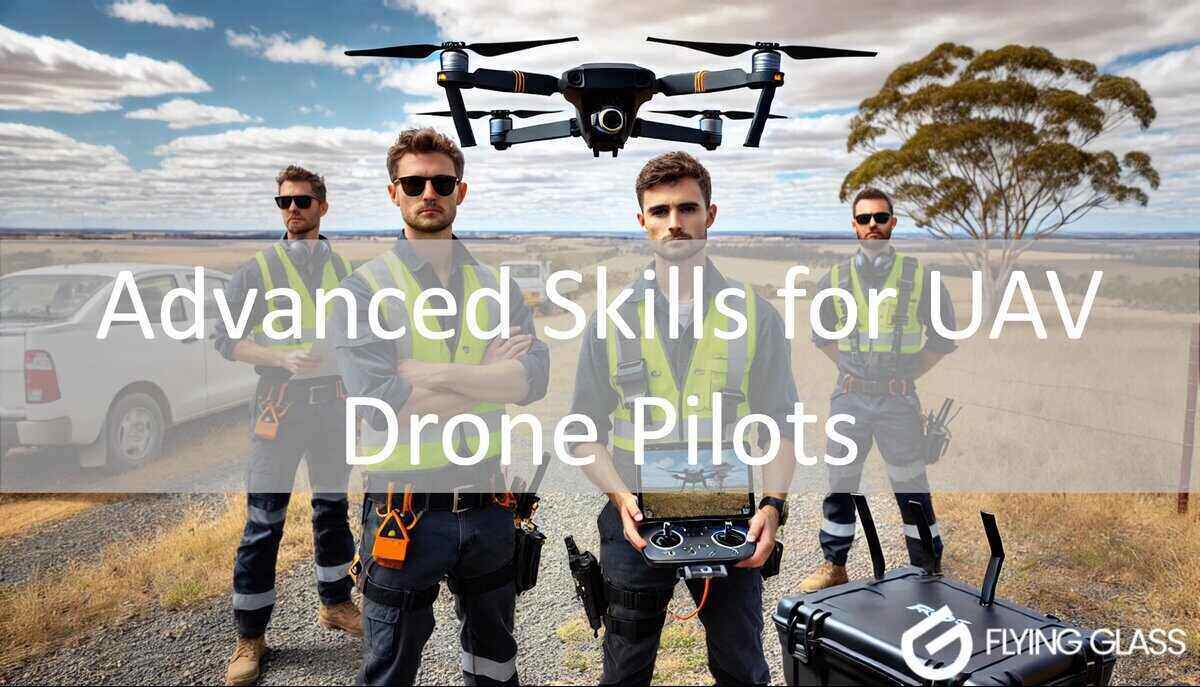
Advanced Skills for UAV Drone Pilots

Mastering the Complexities of Commercial Operations

As the demand for drone technology grows across various industries, the role of the UAV drone pilot has evolved from basic aerial photography and videography to more complex operations. Today’s UAV (Unmanned Aerial Vehicle) pilots are tasked with performing intricate missions that require specialised skills, certifications, and an understanding of industry-specific challenges. In this post, we’ll explore the advanced skills every UAV drone pilot needs to master in order to take on more challenging and high-stakes commercial operations. From BVLOS (Beyond Visual Line of Sight) flying to operating in hazardous environments, we’ll cover the areas that set advanced UAV drone pilots apart from their peers. Advanced Skills for UAV Drone Pilots

The Difference Between Basic Drone Piloting and UAV Drone Piloting

At the heart of professional drone operations is the distinction between basic drone piloting and operating UAVs for complex commercial tasks. While a basic drone pilot may focus on straightforward missions such as real estate photography or wedding videography, a UAV drone pilot takes on tasks that require a deeper understanding of aviation, regulatory compliance, and mission-critical operations.

Basic Drone Piloting

  • Typically limited to flying drones within visual line of sight (VLOS)
  • Conducts simple operations such as aerial photography, inspection, or recreational flying
  • Requires standard certifications such as the Remote Pilot Licence (RePL)

UAV Drone Piloting

  • Often involved in Beyond Visual Line of Sight (BVLOS) operations
  • Specialises in high-risk or industry-specific missions (e.g., infrastructure inspections, mining, security)
  • Requires advanced certifications, approvals, and a strong knowledge of aviation and safety regulations
  • Must handle complex environments, including hazardous areas or restricted airspaces

The advanced skills required for UAV drone pilots set them apart, making them valuable assets in industries where drones play a critical role in operational efficiency and safety.


Specialised UAV Drone Pilot Skills for High-Risk Industries

As a UAV drone pilot, you’ll need to develop a broad range of skills that go beyond basic flying techniques. Depending on the industry you work in, these skills will include flying in challenging environments, navigating complex regulatory frameworks, and handling highly specialised equipment.

1. Infrastructure Inspection and Monitoring

One of the fastest-growing sectors for UAV drone pilots is infrastructure inspection. UAVs are now regularly used to inspect bridges, pipelines, wind turbines, and power lines. The precision and stability of drones make them ideal for identifying structural defects, corrosion, or wear without putting human inspectors at risk. Advanced Skills for Infrastructure Inspection:

  • Precision Flying: UAV pilots must be able to fly in close proximity to structures, often in windy or otherwise adverse conditions, without causing damage or losing control of the drone.
  • Thermal Imaging: Pilots often use drones equipped with thermal cameras to detect temperature anomalies in electrical grids or industrial plants. Understanding how to interpret thermal data is crucial.
  • Data Management: Beyond capturing footage, UAV drone pilots must also manage and analyse large amounts of data collected during inspections, often in real-time.

2. Mining Operations

Mining companies increasingly rely on UAVs for tasks such as site mapping, volumetric analysis, and environmental monitoring. These operations require a UAV drone pilot with specialised knowledge of working in rugged, often remote environments. Advanced Skills for Mining Operations:

  • Mapping and Surveying: UAV drone pilots must understand geospatial data collection, working with advanced software to create 3D maps and models of mining sites.
  • Autonomous Flight Programming: Mining operations often require drones to fly pre-programmed paths over large areas. UAV pilots must be adept at using automated flight management systems to plan and execute these missions.
  • Hazardous Environment Management: Mines can present numerous hazards, from dust and debris to extreme weather conditions. Pilots need to be skilled at managing the risks of flying in such environments.

3. Security and Surveillance

UAV drones have become essential tools for security operations, enabling companies to monitor large areas and provide real-time surveillance in a cost-effective manner. UAV drone pilots in this field must excel at quick decision-making, often in high-pressure situations. Advanced Skills for Security Operations:

  • Night Flying and BVLOS: Many security operations require drones to fly at night or beyond visual line of sight. Pilots must have the necessary certifications and approvals to conduct these flights legally and safely.
  • Real-Time Data Transmission: In security scenarios, UAV pilots often need to transmit live video and data feeds to security teams on the ground, ensuring rapid response to potential threats.
  • Risk Assessment: Security operations can involve flying over sensitive or high-risk areas. UAV drone pilots must be able to assess risks and implement strict safety protocols to avoid accidents.

Advanced Certifications and Approvals Required for UAV Drone Pilots

To operate as a UAV drone pilot in high-stakes or complex environments, you will need more than just a basic Remote Pilot Licence (RePL). Advanced certifications and approvals are often required to carry out certain tasks, particularly when flying in restricted or hazardous areas.

1. BVLOS Certification

One of the most valuable certifications for UAV drone pilots is the Beyond Visual Line of Sight (BVLOS) approval. BVLOS operations allow drones to fly outside the pilot’s line of sight, making them ideal for long-distance missions such as surveying vast mining areas or monitoring critical infrastructure. How to Get BVLOS Approval:

  • Obtain a BVLOS Endorsement: BVLOS operations require pilots to undergo specialised training and certification. You’ll need to demonstrate advanced flying skills and a thorough understanding of airspace management, risk mitigation, and emergency protocols.
  • Submit an Application to CASA: In Australia, BVLOS operations must be approved by CASA. This process involves submitting a detailed safety case, outlining how you plan to manage the risks associated with flying beyond visual line of sight.

At Flying Glass, we offer consultancy services to help drone operators apply for BVLOS certification, as well as guidance on how to safely conduct these operations.

2. REOC (Remote Operator’s Certificate)

For businesses or organisations managing multiple drones or larger operations, obtaining a Remote Operator’s Certificate (REOC) is essential. The REOC allows companies to perform more complex missions, including BVLOS operations, night flying, and flights in controlled airspace. Key Benefits of a REOC:

  • Flexibility: A REOC allows UAV drone pilots to operate across various industries, from security to industrial inspections, with greater freedom to perform complex missions.
  • Legal Compliance: It ensures that all operations comply with CASA’s strict regulations, giving clients confidence in the safety and professionalism of your services.

Common Challenges Faced by UAV Drone Pilots

Operating as a UAV drone pilot presents its own set of challenges. From navigating complex airspace regulations to ensuring the safety of operations in hazardous environments, UAV pilots must be prepared to manage a variety of risks.

1. Navigating Restricted Airspace

One of the most significant challenges for UAV drone pilots is managing flights in restricted or controlled airspace. This is particularly relevant when working in urban environments or near critical infrastructure such as airports. Solution: To operate legally in restricted airspace, UAV drone pilots must apply for special permissions from CASA. This involves submitting detailed flight plans and demonstrating how you will manage risks associated with flying in high-traffic areas.

2. Managing Safety in Hazardous Environments

Whether it’s flying over industrial sites, near power lines, or in mines, operating in hazardous environments requires UAV drone pilots to be vigilant about safety. Drones are often exposed to extreme conditions, from dust and high temperatures to high winds. Solution: UAV drone pilots need to undergo additional training and certifications that prepare them for these high-risk operations. They should also be equipped with rugged drones designed to withstand challenging conditions. At Flying Glass, we regularly operate in demanding environments, and our consultancy services are available to help UAV drone pilots develop the necessary operational plans and safety protocols for their specific industries.


Conclusion: Taking Your UAV Drone Pilot Career to the Next Level

Becoming a successful UAV drone pilot requires more than just the ability to fly. It involves mastering advanced skills, obtaining specialised certifications, and understanding the unique challenges of working in industries like mining, infrastructure inspection, and security. By developing these skills and pursuing certifications like BVLOS and REOC, you’ll be able to take on more complex projects and expand your career opportunities. At Flying Glass, we offer the tools and expertise you need to advance your career as a UAV drone pilot. From showreel-worthy cinematography to high-risk industrial inspections, our team has experience across a wide range of industries. Get in touch with us to learn more about our drone services and consultancy offerings, and see how we can help you excel in your UAV drone pilot career.

Drone for Hire in Australia Operator Sydney NSW Flying Glass. Hiring drones

When searching for a drone for hire, it’s crucial to choose a service that guarantees not only high-quality results but also safety, legality, and professionalism. At Flying Glass, we offer a comprehensive drone hire service that includes a skilled operator, ensuring that every project is executed with precision and in full compliance with Australian regulations. In this guide, we’ll explore why Flying Glass should be your top choice and how our services stand out from the competition.

Why Choose drone for hire through Flying Glass?

Hiring a drone is more than just renting equipment; it’s about securing a complete service that includes expertise, legal compliance, and peace of mind. Flying Glass offers a professional drone for hire service where every operation is conducted by an experienced and fully licensed drone operator. Here’s why choosing Flying Glass for your drone hire needs is the best decision you can make.

1. Expert Drone Operators with Extensive Experience

At Flying Glass, we pride ourselves on our team of highly skilled drone operators. Each member of our team brings years of experience in flying drones across various industries, including film, TV, real estate, construction, and environmental monitoring. Our operators are not just drone pilots; they are experts in capturing the perfect shot, conducting precise surveys, and ensuring every project meets the highest standards. Why It Matters: Experience counts when it comes to drone operations. An experienced operator can anticipate and mitigate risks, navigate complex environments, and deliver the best possible results. With Flying Glass, you’re hiring more than just a drone; you’re hiring a professional who knows how to get the job done right.

2. Full Compliance with CASA Regulations

Operating a drone in Australia comes with strict legal requirements, governed by the Civil Aviation Safety Authority (CASA). At Flying Glass, we ensure full compliance with all CASA regulations. Our operators hold the necessary Remote Pilot Licence (RePL) and operate under a Remote Operator’s Certificate (ReOC), which means every flight is conducted legally and safely. Why It Matters: Legal compliance isn’t optional; it’s mandatory. By using Flying Glass drone for hire, you avoid the legal pitfalls that can come with unlicensed operators or DIY drone rentals. Our additional CASA instruments also allow us to undertake specialised operations that many of our competitors simply can’t legally perform.

3. Fully Insuranced for Peace of Mind

Accidents can happen, even with the best operators. That’s why Flying Glass is fully insured, providing coverage for both public liability and property damage. This means that in the unlikely event of an incident, you’re fully protected. Why It Matters: Hiring an uninsured operator is a risk no client should take. With Flying Glass, you can rest assured that any potential risks are fully covered, protecting you from unexpected costs or legal issues.

4. Advanced Equipment and Technology

Flying Glass uses the latest drone technology to ensure that we can deliver the highest quality results. Our fleet includes drones equipped with high-resolution cameras, thermal imaging capabilities, and advanced sensors, allowing us to tackle a wide range of projects with precision and efficiency. Why It Matters: The quality of the drone and its equipment directly impacts the quality of the results. By choosing Flying Glass as your drone for hire, you’re ensuring that your project benefits from cutting-edge technology operated by experts.

5. Tailored Solutions for Every Project

We understand that every project is unique, which is why we offer tailored drone for hire solutions to meet your specific needs. Whether you’re looking for aerial photography, 3D mapping, or environmental monitoring, our team will work closely with you to ensure that the service you receive is perfectly suited to your project’s requirements. Why It Matters: A one-size-fits-all approach doesn’t work for drone operations. At Flying Glass, we take the time to understand your project’s goals and challenges, providing a customised solution that delivers the best possible outcomes.

How Flying Glass Stands Out from the Competition

While there are many options available when searching for a drone for hire, Flying Glass distinguishes itself through our commitment to excellence, safety, and legal compliance. Here’s how we compare to other drone hire services:

1. Single Operator vs. Experienced Team

Many competitors offer drone for hire services by listing individual pilots on their websites. While this might seem convenient, it often means that the quality and consistency of service can vary. At Flying Glass, you’re not just hiring an individual; you’re hiring a team. Our operators collaborate on projects, bringing collective expertise and ensuring that every operation is executed to the highest standard. The Advantage: A cohesive team brings together a wealth of knowledge and experience, ensuring that no aspect of your project is overlooked. With Flying Glass, you benefit from the combined skills and insights of multiple professionals.

2. CASA Instruments for Specialised Operations

Flying Glass holds additional CASA instruments that allow us to perform operations beyond the capabilities of many of our competitors. This includes flying in restricted airspace, conducting night operations, and operating in challenging environments where others cannot legally venture. The Advantage: Our advanced permissions mean that we can take on complex jobs that other operators simply cannot. Whether it’s a high-risk construction site or a sensitive environmental survey, Flying Glass has the legal and technical capability to get the job done.

3. Superior Quality and Attention to Detail

When you use our drone for hire service, you’re guaranteed a level of quality and attention to detail that is unmatched. We take pride in our work, ensuring that every image, video, or survey is of the highest standard. Our operators meticulously plan each flight, considering factors like lighting, weather, and angles to capture the perfect shot. The Advantage: Details matter, and the difference between a good result and a great one often comes down to the operator’s expertise. With Flying Glass, you’re choosing a service that values perfection and consistently delivers outstanding results.

4. Transparent Pricing with No Hidden Costs

One of the challenges clients face when using a drone for hire package is understanding the full cost upfront. At Flying Glass, we believe in transparency. Our pricing is clear and straightforward, with no hidden fees or unexpected charges. You’ll know exactly what to expect from the start, allowing you to budget confidently for your project. The Advantage: Hidden costs can turn a seemingly affordable service into a costly affair. With Flying Glass, what you see is what you get—high-quality service at a fair price, with full transparency.

5. A Proven Track Record of Success

Flying Glass has a proven track record of delivering exceptional results across various industries. Our portfolio includes high-profile projects in film, television, real estate, construction, and environmental monitoring. We’re proud of the reputation we’ve built and the trust we’ve earned from our clients. The Advantage: Experience and proven success are invaluable when choosing a drone hire service. With Flying Glass, you’re working with a team that has consistently delivered results and has the client testimonials to prove it – be it flying drones in Canberra, or providing drone services in Perth.

Drone for Hire in Australia Operator Sydney NSW Flying Glass. Hiring drones

The Risks of Hiring Inexperienced Operators

While there are many drone operators available with a drone for hire offering, not all offer the same level of service, expertise, or legal compliance. Here are some risks associated with hiring less experienced or unlicensed operators:

1. Legal and Safety Risks

Operating a drone without the proper licences or insurance is illegal and unsafe. Unlicensed operators may not be aware of the regulations they need to follow, leading to legal complications for both the operator and the client. This can include fines, legal action, and in severe cases, criminal charges.

2. Poor Quality Results

Inexperienced operators may lack the skills needed to capture high-quality footage or data. This can result in subpar results that do not meet the client’s expectations or project requirements. Poor quality can also stem from using outdated equipment or failing to consider important factors like lighting, weather, or camera angles.

3. Lack of Insurance

Hiring an uninsured operator is a significant risk. If an accident occurs, the client may be held liable for damages, leading to substantial financial losses. Insured operators, like those at Flying Glass, provide a safety net, ensuring that any incidents are covered.

How to engage Flying Glass for your drone for hire service

Hiring drones with a professional operator from Flying Glass is a straightforward process:

  1. Consultation: Start by contacting us to discuss your project. We’ll listen to your needs, offer advice, and tailor a solution that meets your specific drone for hire requirements.
  2. Proposal: After our initial consultation, we’ll provide you with a detailed proposal outlining the scope of the project, costs, and timeline.
  3. Execution: Once you approve the proposal, our team will schedule the operation. Our experienced operators will handle everything, ensuring that your project is completed to the highest standards.
  4. Delivery: After the operation, we’ll deliver the results in the format you need, whether that’s high-resolution images, video, or data.

With Flying Glass, you’re not just hiring drones; you’re hiring a team of experiences, renowned professionals dedicated to delivering exceptional aerial results.

Drone with Pilot Services UAV Operator Pilot Australia Flying Glass

In today’s fast-paced world, drones have become indispensable tools across various industries, from film and television to real estate, construction, and environmental monitoring. However, the key to unlocking the full potential of drone technology lies not just in the equipment itself but in the expertise of the person operating it. When you hire a drone with pilot from Flying Glass, you’re investing in much more than just state-of-the-art technology—you’re securing the skill, precision, and legal assurance that only a professional operator can provide.

The Value of Expertise in Drone Operations

At first glance, the idea of hiring a drone might seem straightforward—simply rent the equipment and start flying. However, the reality is far more complex. The successful execution of any aerial project requires a deep understanding of not only the drone’s capabilities but also the environment in which it operates. This is where the expertise of a professional pilot becomes invaluable – you need the services of a drone with pilot. A drone with pilot from Flying Glass brings years of experience to the table. Our pilots have honed their skills across diverse projects, navigating challenging terrains, weather conditions, and regulatory landscapes to deliver precise, high-quality results. This expertise ensures that every flight is meticulously planned and executed, minimising risks and maximising the potential of the drone. Whether you’re capturing sweeping aerial shots for a film, conducting a detailed survey of a construction site, or monitoring environmental changes in a remote area, the skill of the pilot is what sets apart a good result from an outstanding one. Our pilots understand the intricacies of aerial photography and videography, the importance of timing, and the impact of lighting and angles. They know how to position the drone to capture the perfect shot, all while ensuring safety and compliance with legal regulations.

Navigating the Legal Landscape with Confidence

Operating a drone in Australia is not as simple as picking up a remote control and taking to the skies. The Civil Aviation Safety Authority (CASA) has established strict regulations governing drone operations, and these rules are in place for good reason. Safety is paramount, and compliance with these regulations is mandatory to avoid legal repercussions. When you hire a drone with pilot from Flying Glass, you’re not just hiring a skilled operator—you’re hiring someone who is fully licensed and trained to navigate the legal complexities of drone operations. Our pilots hold the necessary Remote Pilot Licence (RePL) and operate under a Remote Operator’s Certificate (ReOC), ensuring that every flight is conducted within the bounds of the law. This legal expertise is particularly crucial when operating in restricted airspace, near populated areas, or during night-time operations. Flying Glass has obtained additional CASA instruments that allow us to undertake specialised tasks that many other operators simply cannot. This includes conducting operations in controlled airspace, flying beyond visual line-of-sight (BVLOS), and handling sensitive projects that require a higher level of regulatory compliance.

Why Experience and Insurance Matter

One of the most significant risks of hiring an inexperienced operator or renting a drone without a pilot is the potential for accidents. Even the most advanced drones can malfunction, and when this happens, the consequences can be severe—both in terms of safety and financial liability. This is why it’s essential to ensure that any drone operation is fully insured. At Flying Glass, we understand the importance of covering all bases. Our services come with comprehensive insurance, providing protection against public liability and property damage. This means that in the unlikely event of an incident, you’re fully covered, and the risk to your project and reputation is minimised. Experience plays a critical role in preventing such incidents. Our pilots have encountered and overcome a wide range of challenges in the field, from sudden weather changes to unexpected obstacles. This experience allows them to make informed decisions in real-time, ensuring that every flight is as safe as possible. By hiring a drone with pilot from Flying Glass, you’re entrusting your project to professionals who know how to manage risks effectively.

The Advantages of Cutting-Edge Technology

Technology is at the heart of what we do at Flying Glass, but it’s the combination of advanced equipment and skilled piloting that truly sets us apart. Our fleet of drones is equipped with the latest in aerial imaging technology, including high-resolution cameras, thermal imaging, and advanced sensors. This technology allows us to deliver unparalleled results across a wide range of applications. However, the most sophisticated drone is only as good as the person operating it. A drone with pilot ensures that this technology is used to its full potential. Our pilots are trained to leverage the capabilities of our drones, whether it’s capturing stunning aerial footage for a commercial, conducting precise measurements for a survey, or monitoring environmental conditions with pinpoint accuracy. Moreover, our pilots are adept at troubleshooting and maintaining the equipment, ensuring that it operates smoothly throughout the project. This attention to detail minimises downtime and ensures that your project stays on schedule.

Customised Solutions for Unique Projects

No two projects are the same, and this is especially true when it comes to drone operations. At Flying Glass, we understand that each project has its own set of challenges, requirements, and goals. That’s why we offer customised solutions tailored to meet the specific needs of your project. When you hire a drone with pilot from Flying Glass, you’re not getting a one-size-fits-all service. Instead, we take the time to understand your project’s objectives, the environment in which we’ll be operating, and any potential obstacles that may arise. This personalised approach allows us to plan and execute a drone operation that is perfectly aligned with your needs. Whether you’re working in the film industry and need cinematic aerial shots, in real estate and require detailed property surveys, or in construction and need accurate mapping and measurements, our team has the expertise and technology to deliver. We collaborate closely with you throughout the process, ensuring that the final results exceed your expectations.

Why Flying Glass is the Trusted Choice

The decision to hire a drone with pilot is one that should not be taken lightly. The stakes are high, and the quality of the results can have a significant impact on your project’s success. At Flying Glass, we have built a reputation for excellence in the industry, earning the trust of clients across various sectors. Our commitment to quality, safety, and legal compliance is unwavering. We don’t just meet the minimum standards—we exceed them. Our team is continuously training and staying updated on the latest advancements in drone technology and regulations, ensuring that we remain at the forefront of the industry. But don’t just take our word for it—our track record speaks for itself. As a drone with pilot we’ve successfully completed projects for major film and television productions, high-profile real estate developments, and critical environmental monitoring initiatives. Our clients return to us time and time again because they know they can rely on Flying Glass for professional, high-quality, and legally compliant drone services.

Drone with Pilot Services UAV Operator Pilot Australia Flying Glass

The Risks of Going It Alone

In a world where drones are becoming increasingly accessible, it might be tempting to rent a drone and attempt to handle the operation yourself. However, this approach comes with significant risks. Without the necessary training, experience, and legal knowledge, you’re likely to encounter challenges that could jeopardise your project. Operating a drone without a pilot can lead to poor-quality results, legal complications, and even accidents. The learning curve for drone operation is steep, and without proper guidance, you may struggle to achieve the desired outcomes. Additionally, without a pilot, you’re solely responsible for any legal infractions or damages that occur during the operation. Hiring a drone with pilot from Flying Glass eliminates these risks. You’re not just renting a drone—you’re hiring a professional who brings a wealth of knowledge and experience to your project. This ensures that every aspect of the operation is handled with care and precision, from planning and execution to final delivery.

A Commitment to Client Satisfaction

At Flying Glass, we believe that the success of any project is measured by client satisfaction. We are dedicated to delivering results that not only meet but exceed your drone with pilot expectations. Our approach is client-focused, and we work closely with you to understand your vision and bring it to life. From the initial consultation to the final handover, we are committed to maintaining open communication and providing the highest level of service. Our pilots are not just operators—they are collaborators, working with you to ensure that your project is a success.

Conclusion: The Right Choice for Your Aerial Needs

In conclusion, the value of hiring a drone with pilot cannot be overstated. At Flying Glass, we offer a comprehensive service that combines cutting-edge technology with expert piloting, ensuring that your project is executed safely, legally, and to the highest standard. Whether you’re in need of aerial photography, videography, surveying, or environmental monitoring, Flying Glass is the trusted choice for professional drone services in Australia. Contact us today to learn more about how we can support your next project and provide you with the results you need.

Drone Sydney Harbour Drone services DJI UAV Flying Glass

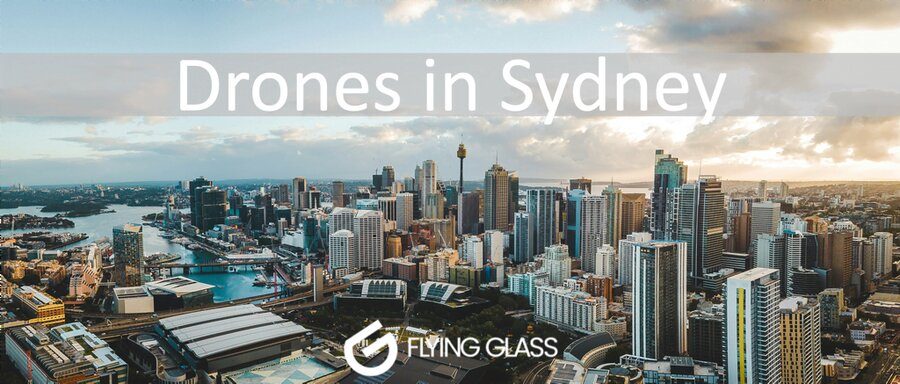
Sydney, with its stunning skyline, iconic landmarks, and vibrant coastal beauty, offers an unparalleled canvas for aerial cinematography. Whether you’re filming for a television series, a feature film, or a commercial project, capturing Sydney from above provides a unique perspective that can elevate your production to new heights. At Flying Glass, we specialise in drone Sydney operations, delivering high-quality aerial footage that showcases the city’s most famous locations and hidden gems alike.

Why Sydney is Perfect for Aerial Cinematography

Sydney is a city that blends modernity with natural beauty. From the sweeping curves of the Sydney Opera House to the majestic span of the Sydney Harbour Bridge, the city’s architecture is world-renowned. The harbour itself, with its sparkling waters and bustling activity, is a focal point for any aerial shoot. Beyond the harbour, Sydney’s beaches, such as Bondi and Manly, offer dramatic coastal scenes, while its urban parks and historic districts provide rich contrasts in landscape and design. For filmmakers and commercial directors, these diverse settings make Sydney an ideal location for aerial cinematography. The ability to capture wide-angle shots, sweeping pans, and dynamic tracking shots with a drone adds a cinematic quality that is difficult to achieve with ground-based cameras alone. Whether you’re aiming to highlight the grandeur of Sydney’s landmarks or the intimate details of its neighbourhoods, a drone is the perfect tool to bring your vision to life.

Flying Glass: Your Go-To for Professional Drone Sydney Services

At Flying Glass, we understand the unique challenges and opportunities that come with filming in Sydney. Our team brings together decades of experience in aviation and cinematography, ensuring that every project is handled with the utmost professionalism and expertise. We offer a comprehensive drone Sydney service that is tailored to meet the specific needs of each client, whether you’re working on a major production or a smaller commercial shoot. One of the key advantages of working with Flying Glass is our in-depth knowledge of Sydney’s geography and airspace regulations. We regularly work in the most sought-after locations across the city, including Sydney Harbour, the Royal Botanic Garden, Darling Harbour, and the historic Rocks district. Our familiarity with these areas means that we can navigate the logistical challenges of filming in busy or restricted environments, ensuring that your shoot runs smoothly from start to finish.

Special Permissions and CASA Approvals for Drone Sydney Operations

Operating drones in a city as busy and regulated as Sydney requires more than just technical skill—it requires a deep understanding of the legal framework governing airspace use. At Flying Glass, we hold all the necessary approvals from the Civil Aviation Safety Authority (CASA) to conduct drone Sydney operations in controlled and restricted airspace. This includes permissions to fly in the vicinity of Sydney’s major landmarks, such as the Sydney Opera House, the Sydney Harbour Bridge, and the bustling areas around Circular Quay. We also have approvals for night operations and the ability to fly in proximity to airports, including Sydney Kingsford Smith Airport, under specific conditions. These permissions are essential for capturing the kind of dramatic, high-impact footage that many of our clients seek. Our team works closely with CASA to ensure that all our operations comply with the latest safety regulations. This not only protects our clients from legal complications but also ensures that every flight is conducted with the highest regard for public safety and airspace security. You won’t catch anyone shooting a drone down on one of our shoots!

Iconic Sydney Locations We Regularly Film

Sydney is a city of iconic locations, each offering its own unique challenges and rewards for aerial filming. At Flying Glass, we have extensive experience capturing footage across many of these sites, bringing Sydney’s beauty and vibrancy to screens around the world. Sydney Harbour: Perhaps the most recognisable location in Sydney, the harbour is a focal point for any aerial shoot. From the grandeur of the Sydney Opera House to the imposing structure of the Sydney Harbour Bridge, this area provides endless opportunities for stunning aerial footage. Our team has filmed countless projects in the harbour, capturing everything from the bustling activity of the ferries to the serene beauty of the harbour at sunrise. Bondi Beach: One of Australia’s most famous beaches, Bondi is a favourite location for filmmakers looking to capture the energy and vibrancy of Sydney’s coastal lifestyle. Our drones are regularly deployed to film the sweeping curves of the beach, the surf culture, and the stunning cliffside walks. Bondi’s unique combination of natural beauty and urban edge makes it a compelling subject for aerial cinematography. The Rocks: Steeped in history, The Rocks is one of Sydney’s oldest neighbourhoods. Its narrow streets, historic buildings, and close proximity to the harbour make it a fascinating location for drone filming. We’ve captured everything from intimate street scenes to wide-angle shots that showcase the area’s blend of old and new architecture. Royal Botanic Garden: Situated on the edge of Sydney Harbour, the Royal Botanic Garden offers a lush, green contrast to the city’s urban landscape. It’s a location that works beautifully for nature documentaries, tourism promotions, and any project that requires a touch of natural beauty. Our drones have filmed the garden’s diverse flora, its winding pathways, and the stunning views it offers of the harbour. Darling Harbour: As one of Sydney’s most popular entertainment districts, Darling Harbour is a dynamic location that is perfect for capturing the energy of the city. From the bustling crowds to the vibrant lights of the night-time skyline, our drones have captured it all. The area’s mix of modern architecture, water features, and public spaces makes it a versatile location for a wide range of projects.

The Importance of Safety and Compliance in Drone Sydney Operations

Safety is our top priority at Flying Glass, and this commitment is reflected in every aspect of our drone Sydney operations. From the initial planning stages to the final flight, we take every precaution to ensure that our operations are conducted safely and in full compliance with all relevant regulations. Before any flight, our team conducts a thorough risk assessment to identify potential hazards and develop strategies to mitigate them. This includes assessing weather conditions, the presence of obstacles such as buildings or trees, and the level of pedestrian and vehicle traffic in the area. We also coordinate closely with local authorities to ensure that our operations do not interfere with other activities or events taking place in the area. Our commitment to safety extends to our equipment as well. We maintain a fleet of drones that are equipped with the latest technology, including GPS stabilisation, collision avoidance systems, and live streaming capabilities. This technology not only enhances the quality of our footage but also ensures that our drones can be operated safely in a variety of conditions.

Drone Sydney Harbour Drones DJI UAV Flying Glass

Why Choose Flying Glass for Your Drone Sydney Project?

Choosing the right partner for your drone Sydney project is crucial to its success. At Flying Glass, we bring a unique combination of experience, expertise, and a deep understanding of Sydney’s landscape to every project we undertake. Here’s why we’re the best choice for your aerial filming needs: Proven Track Record: We’ve worked with some of the biggest names in the industry, including the BBC, Netflix, Amazon, and Apple TV. Our extensive portfolio includes major television productions, feature films, and commercial projects, all of which have benefitted from our expert drone Sydney services. Customised Solutions: We understand that every project is unique, and we tailor our services to meet the specific needs of each client. Whether you’re looking to capture the grandeur of Sydney’s landmarks or the intimate details of its neighbourhoods, we have the expertise and equipment to deliver exceptional results. Legal Compliance: Operating in Sydney requires a deep understanding of the city’s airspace regulations, and our team is fully licensed and approved by CASA to conduct drone Sydney operations in controlled and restricted areas. This ensures that your project is not only successful but also fully compliant with all legal requirements. High-Quality Equipment: We use the latest drone technology to capture stunning, high-resolution footage. Our fleet includes the Inspire 3 with full lens options, custom FPV drones, and a range of support equipment that guarantees the highest quality results. Experienced Team: Our team is made up of highly skilled pilots and cinematographers who bring decades of experience to each project. Led by Cam, our owner and chief pilot, who has over 30 years of flying experience, we ensure that every operation is handled with professionalism and expertise.

Case Studies: Successful Drone Sydney Projects

To illustrate the impact of our drone Sydney services, let’s take a look at some of the projects we’ve successfully completed: Top Gear Australia 2024: One of our most exciting projects to date, Top Gear Australia required dynamic aerial shots that showcased the speed and power of the vehicles against the backdrop of Sydney’s stunning landscapes. Our team captured high-speed tracking shots along the coastal roads of Bondi and the urban streets around Darling Harbour, delivering footage that brought the show’s high-octane action to life. DNSW The Murray 2023: For this tourism promotion project, we were tasked with capturing the natural beauty of The Murray region. Our drones provided sweeping aerial views of the river, the surrounding forests, and the local wildlife,

UAV Pilot Drone Operator in Commercial and Industrial Operations Sydney

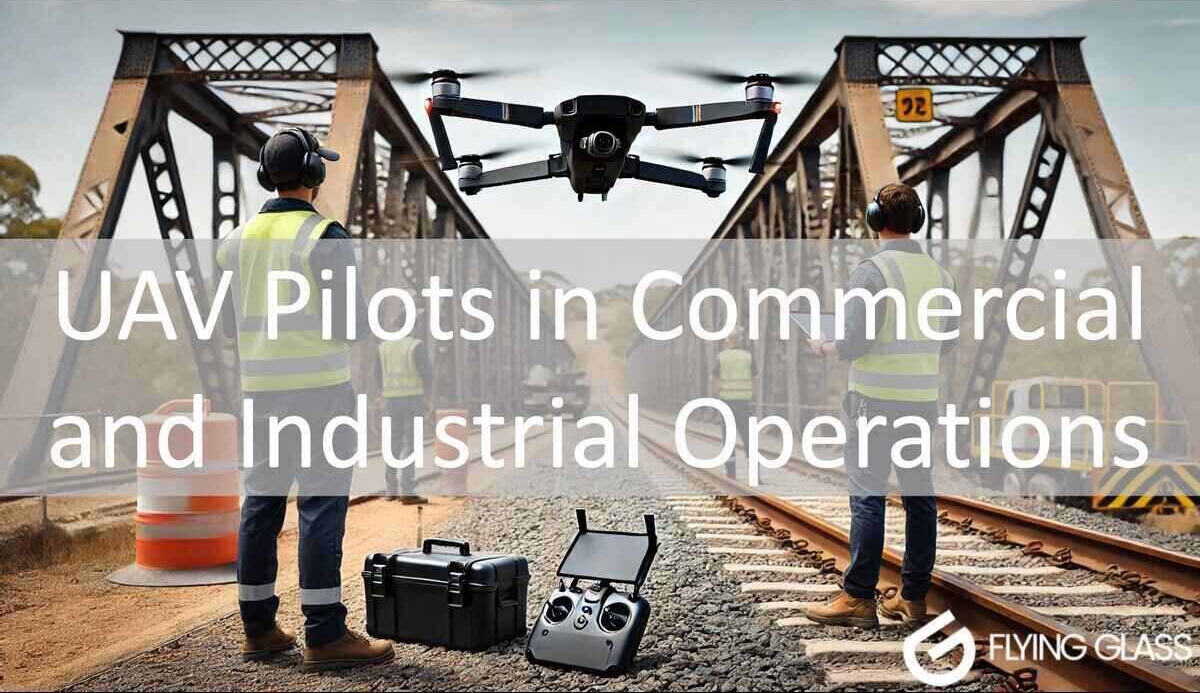
The rapid evolution of drone technology has transformed industries worldwide, and at the centre of this revolution are UAV pilots—the skilled professionals responsible for operating Unmanned Aerial Vehicles (UAVs). From crop monitoring in agriculture to wind turbine inspections in energy, UAV pilots play a crucial role in ensuring efficient operations across multiple sectors. In this post, we will dive into the significant impact UAV pilots have on commercial and industrial operations. We’ll cover their contributions to sectors such as agriculture, energy, and defence, explore the advanced technology they use for data collection, mapping, and surveillance, discuss regulatory considerations, and look at future trends in UAV careers.


The Expanding Role of UAV Pilots in Commercial Industries

In the early days of UAV technology, drones were mostly limited to recreational use and aerial photography. However, with advancements in drone capabilities, the role of UAV pilots has expanded into vital commercial and industrial operations. Today, UAV pilots perform complex tasks that enhance productivity, improve safety, and reduce costs for industries that rely heavily on data collection and surveillance. Let’s take a closer look at some of the key industries where UAV pilots are making a substantial impact:


1. UAV Pilots in Agriculture: Enhancing Crop Monitoring and Precision Farming

Agriculture has become one of the most significant industries to embrace UAV technology, particularly in the areas of crop monitoring and precision farming. UAV pilots use drones equipped with advanced sensors and cameras to collect data on crop health, soil conditions, and irrigation patterns. This data enables farmers to make informed decisions that improve crop yields, reduce waste, and optimise the use of resources like water and fertilisers.

Key UAV Pilot Responsibilities in Agriculture:

  • Crop Health Monitoring: UAV pilots use drones to capture multispectral images of crops, which help identify areas affected by pests, disease, or drought. These images are analysed to assess crop health and determine where interventions are needed.
  • Soil Analysis: By collecting data on soil composition and moisture levels, UAV pilots help farmers optimise irrigation and fertilisation schedules, ensuring that crops receive the right amount of nutrients and water.
  • Precision Agriculture: UAV pilots enable precision farming by flying drones that map fields in detail. This allows farmers to apply pesticides, fertilisers, and water only where necessary, reducing waste and environmental impact.

At Flying Glass, we understand the importance of data in agriculture and offer UAV services for precision farming. Our experienced UAV pilots use cutting-edge drone technology to help farmers monitor and manage their crops more efficiently.


2. UAV Pilots in the Energy Sector: Revolutionising Inspections and Maintenance

The energy industry is another sector that has significantly benefited from UAV pilots’ expertise. Drones are now widely used for inspections and maintenance of critical infrastructure, such as wind turbines, power lines, and solar farms. UAV pilots help energy companies conduct faster, safer, and more cost-effective inspections, reducing downtime and increasing operational efficiency.

Key UAV Pilot Responsibilities in the Energy Sector:

  • Wind Turbine Inspections: UAV pilots fly drones equipped with high-resolution cameras and thermal sensors to inspect wind turbines for damage or wear. By flying close to the blades and other critical components, UAV pilots can capture detailed images that identify issues like cracks, erosion, or overheating.
  • Power Line Inspections: Maintaining the power grid is a constant challenge, particularly in remote or hazardous locations. UAV pilots use drones to inspect power lines, reducing the need for ground crews to access difficult terrain. Drones can also detect temperature anomalies that indicate potential failures in the system.
  • Solar Farm Monitoring: UAV pilots use thermal imaging drones to monitor solar panels for inefficiencies or damage. This data helps energy companies optimise performance and ensure that solar farms are operating at peak efficiency.

The ability of UAV pilots to conduct these inspections without shutting down operations is a game-changer for the energy sector. At Flying Glass, our UAV pilots are skilled in conducting energy sector inspections, ensuring that our clients’ infrastructure is maintained efficiently and safely.


3. UAV Pilots in Defence and Security: The Eyes in the Sky

UAVs have long been associated with military and defence applications, and UAV pilots play a pivotal role in national security, surveillance, and reconnaissance operations. Drones provide critical intelligence, allowing defence forces to monitor borders, track threats, and conduct surveillance in areas that are too dangerous or inaccessible for ground personnel.

Key UAV Pilot Responsibilities in Defence:

  • Surveillance and Reconnaissance: UAV pilots operate drones that provide real-time surveillance over conflict zones, borders, or high-risk areas. These drones can fly for extended periods, offering continuous monitoring and intelligence gathering.
  • Search and Rescue Operations: UAV pilots are increasingly being deployed in search and rescue missions. Drones equipped with thermal imaging sensors can locate missing persons in difficult terrain, helping emergency responders deploy resources more effectively.
  • Counter-Drone Operations: With the rise of drone technology, the threat of unauthorised or hostile drone use has grown. UAV pilots in defence are responsible for operating counter-drone systems that detect, track, and neutralise rogue drones.

The use of drones in defence is expected to continue growing, with UAV pilots at the forefront of innovation in national security.


The Technology Used by UAV Pilots in Commercial Operations

One of the key reasons UAV pilots are so valuable in commercial and industrial settings is the advanced technology they use to collect data, map environments, and monitor operations. UAV pilots work with sophisticated sensors, cameras, and software to capture detailed information that can be analysed and used to optimise processes.

1. Multispectral and Thermal Imaging

Many UAV pilots use drones equipped with multispectral and thermal imaging sensors to collect data that would be impossible to obtain from the ground. In agriculture, multispectral sensors allow UAV pilots to assess crop health, while thermal sensors are widely used in energy sector inspections to detect temperature anomalies in infrastructure like wind turbines and solar panels.

2. LiDAR (Light Detection and Ranging)

LiDAR is a remote sensing technology that uses laser pulses to create highly detailed 3D maps of the environment. UAV pilots use LiDAR-equipped drones to map terrain, survey construction sites, and monitor forests or mining sites. This technology is particularly valuable in industries where precision mapping is required.

3. Photogrammetry and 3D Mapping

Photogrammetry is a technique used by UAV pilots to create 3D maps from aerial images. By capturing overlapping photos of a landscape, UAV pilots can create detailed 3D models of construction sites, mines, or agricultural fields. These models are used to measure distances, monitor changes, and plan operations.


Regulatory Considerations for UAV Pilots in Commercial Industries

Operating UAVs in commercial and industrial settings comes with significant regulatory responsibilities. In Australia, the Civil Aviation Safety Authority (CASA) regulates the use of drones, and UAV pilots must ensure that their operations comply with all legal requirements.

1. Remote Pilot Licence (RePL)

All commercial UAV pilots in Australia must obtain a Remote Pilot Licence (RePL). This licence certifies that the pilot has completed the necessary training and has demonstrated the ability to fly drones safely and legally.

2. Remote Operator’s Certificate (REOC)

Businesses that operate UAVs commercially also need to obtain a Remote Operator’s Certificate (REOC). This certificate allows companies to manage multiple UAVs and pilots, ensuring that all operations comply with CASA regulations. At Flying Glass, we offer consultancy services to help companies and UAV pilots obtain the necessary certifications, including assistance with developing operations manuals and navigating the CASA approval process.

3. Beyond Visual Line of Sight (BVLOS) Operations

Many commercial UAV operations require flying Beyond Visual Line of Sight (BVLOS), such as long-distance inspections or monitoring large areas of land. BVLOS operations require additional approvals from CASA and involve strict safety protocols.

UAV Pilot Drone Operator in Commercial and Industrial Operations Sydney


Future Trends in UAV Pilot Careers: AI Integration and Autonomous Drones

The future of UAV piloting is closely tied to advancements in artificial intelligence (AI) and autonomous drone technology. These developments are expected to have a significant impact on the roles of UAV pilots in the coming years.

1. AI-Assisted UAV Piloting

AI is already being integrated into drones to improve their ability to autonomously navigate, avoid obstacles, and collect data. For UAV pilots, this means less time spent manually controlling drones and more time analysing the data collected. AI systems can also assist with flight planning, making it easier for pilots to execute complex missions.

2. Autonomous Drones

Fully autonomous drones are likely to play a major role in the future of commercial UAV operations. These drones will be capable of performing tasks without human intervention, such as conducting inspections, delivering goods, or monitoring large areas. However, UAV pilots will still be needed to oversee these operations, troubleshoot issues, and ensure compliance with regulations.

3. Increasing Demand for UAV Pilots

As more industries adopt drone technology, the demand for skilled UAV pilots is expected to grow. UAV pilots with expertise in specific sectors, such as agriculture, energy, or security, will be particularly valuable.


Conclusion: UAV Pilots as Key Players in the Future of Industry

The role of the UAV pilot has evolved far beyond basic drone operation. Today, UAV pilots are critical players in commercial and industrial operations, using advanced technology to enhance productivity, improve safety, and reduce costs. Whether it’s inspecting wind turbines, monitoring crops, or conducting surveillance, UAV pilots are at the forefront of innovation in industries like agriculture, energy, and defence. At Flying Glass, we pride ourselves on providing top-tier UAV services, with experienced pilots who are skilled in the latest technology and industry practices. Check out our showreel to see some of the incredible work we’ve done, and contact us to learn more about how our UAV pilots can support your business.

Drones in Australia drone operator AU UAV RPA Sydney NSW

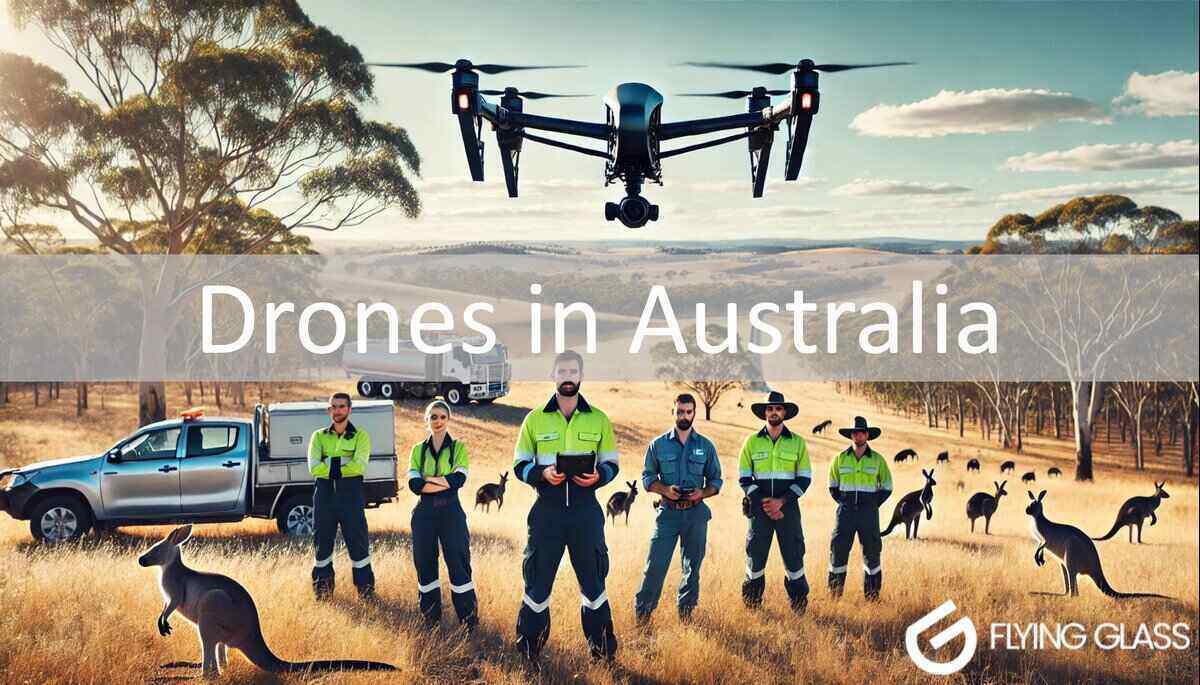
Australia is one of the best countries in the world for flying drones, with its vast landscapes, stunning coastlines, and iconic landmarks. Whether you’re a hobbyist or a professional drone operator, drones in Australia offer endless opportunities for capturing breathtaking footage and data collection. However, flying drones in Australia comes with its own set of challenges. Strict regulations, no-fly zones, and safety guidelines must be followed to ensure that your drone operations are legal and safe. In this practical guide, we’ll cover everything you need to know about flying drones in Australia, from obtaining the necessary licences to the best locations for drone flying.


Step-by-Step Guide to Flying Drones Legally in Australia

Before you take to the skies, it’s important to understand the legal requirements for flying drones in Australia. The Civil Aviation Safety Authority (CASA) governs all drone operations, and failure to comply with their regulations can result in hefty fines or legal action.

1. Understand the Regulations

CASA’s Part 101 of the Civil Aviation Safety Regulations outlines the rules for operating drones in Australia. Here are some of the key regulations:

  • Drones must not fly higher than 120 metres (400 feet) above ground level.
  • You must keep your drone within your line of sight at all times.
  • Drones must stay at least 30 metres away from people who are not involved in the operation.
  • You cannot fly a drone over or near emergency operations (such as firefighting or rescue efforts).

2. Obtain a Remote Pilot Licence (RePL)

If you plan to operate drones commercially, you’ll need to obtain a Remote Pilot Licence (RePL). This certification allows you to fly drones weighing more than 2 kg and opens up opportunities for more complex operations, such as flying in controlled airspace or beyond visual line of sight (BVLOS). At Flying Glass, we offer RePL training courses that provide in-depth knowledge of drone operations and prepare you for CASA certification. Our hands-on training takes place in Sydney and at our private flying field, giving you real-world experience in drone operations.


How to Get a Drone Licence in Australia

The process of obtaining a drone licence (RePL) involves several steps. Here’s how you can get started:

Step 1: Enrol in a CASA-Accredited Course

To get your RePL, you must complete a CASA-accredited training course. Flying Glass offers both classroom-based and practical training, covering topics like aviation knowledge, air law, and flight operations.

Step 2: Pass the Theory and Practical Exams

Once you’ve completed the course, you’ll need to pass both a theory exam and a practical flight assessment. The theory exam covers airspace regulations, risk management, and safety protocols, while the practical exam tests your flying skills.

Step 3: Apply for Your RePL

After passing the exams, you can apply for your RePL through CASA. Once approved, you’ll be able to operate drones commercially in Australia, opening up new opportunities in industries like real estate, filmmaking, and inspections.


Popular Locations for Recreational Drone Flying in Australia

Australia offers some of the most beautiful and diverse landscapes in the world, making it an ideal destination for drone enthusiasts. Whether you’re looking to capture coastal scenery, urban skylines, or vast outback vistas, there are plenty of drone-friendly locations to explore.

1. Sydney Harbour

Sydney’s iconic harbour is one of the most popular locations for drone flying. With its stunning views of the Sydney Opera House and Harbour Bridge, it’s a photographer’s dream. However, it’s important to note that some areas around the harbour are restricted, so be sure to check CASA’s guidelines before flying.

2. Great Ocean Road

The Great Ocean Road in Victoria offers breathtaking coastal views, with dramatic cliffs and rock formations like the Twelve Apostles. It’s a popular spot for drone photography, but be mindful of no-fly zones in the area.

3. Uluru

Uluru is one of Australia’s most famous landmarks, but flying drones around the site is prohibited. However, there are plenty of other scenic locations in the Northern Territory where you can capture the rugged beauty of the outback.

4. Bondi Beach

Bondi Beach in Sydney is a popular spot for drone flying, with its crystal-clear waters and golden sands. As with any beach location, make sure to keep your drone away from crowded areas and stay within the legal altitude limit.


Tips for Safe Drone Operation

Flying drones safely is crucial for avoiding accidents and ensuring that your drone operations are legal. Here are some tips to help you stay safe while flying your drones in Australia:

  • Check the Weather: Before flying, check the weather conditions. High winds, rain, and fog can make it difficult to control your drone and increase the risk of accidents.
  • Avoid No-Fly Zones: CASA’s Can I Fly There? app is a great tool for checking no-fly zones. Always ensure that you’re flying in a legal area.
  • Maintain Visual Line of Sight: Keeping your drone within your line of sight at all times is essential for avoiding collisions and staying compliant with CASA regulations.
  • Stay Away from Airports: Flying near airports is prohibited without special approval from CASA. Always check the distance from controlled airspace before launching your drone.

Drones in Australia drone operator AU UAV RPA Sydney NSW

The Best Drones for Beginners and Professionals in Australia

Choosing the right drone for your needs depends on your level of experience and the type of flying you plan to do. Here are some of the best drones for both beginners and professionals in Australia:

1. DJI Mavic Mini (Beginner)

The DJI Mavic Mini is an excellent choice for beginners. It’s lightweight, easy to fly, and doesn’t require a licence for recreational use. Despite its small size, it captures high-quality footage and offers stable flight performance.

2. DJI Inspire 3 (Professional)

For professionals looking for the best in aerial cinematography, the DJI Inspire 3 is a top choice. With its advanced camera options and precision flight controls, it’s perfect for capturing cinematic shots for film and TV productions. At Flying Glass, we use the Inspire 3 for many of our high-profile projects.


Conclusion: Fly Drones Safely and Legally in Australia

Flying drones in Australia offers incredible opportunities to capture stunning footage and explore new perspectives. However, it’s essential to understand the legal requirements, safety guidelines, and no-fly zones before you launch your drone. At Flying Glass, we offer a range of services to help drone operators navigate the complex world of drone regulations. Whether you’re looking to get your RePL, need consultancy for your drone operations, or want to see what’s possible with professional drone cinematography, check out our showreel and contact us today to learn more.

australian drone licence Australia REPL CASA REOC

Australia’s breathtaking landscapes and iconic urban skylines make it a prime location for drone enthusiasts and professionals alike. From capturing aerial footage of the Sydney Opera House to sweeping over the dramatic red sands of the Outback, drones provide the ultimate way to see the best of Australia from above. However, for international operators planning to fly drones in Australia, it’s essential to understand the local regulations. Whether you’re visiting Australia for a film project, commercial work, or even recreational flying, having an Australian drone licence may be necessary to ensure you’re operating legally. At Flying Glass, we specialise in providing training to help you get certified to fly in Australia. But if you’d rather leave the flying to the experts, our team of highly skilled drone operators can handle the project for you. We’re based in Sydney and operate across Australia, bringing years of experience and CASA approvals to deliver exceptional aerial footage.


Do You Need an Australian Drone Licence to Fly in Australia?

If you’re an international drone operator wondering whether you need an Australian drone licence, the answer depends on the nature of your flights. In Australia, drone operations are regulated by the Civil Aviation Safety Authority (CASA), and the requirements vary based on whether you’re flying for recreational or commercial purposes.

For Recreational Flying:

If you’re visiting Australia and only planning to fly your drone for fun, you don’t need an Australian drone licence. However, you still need to adhere to CASA’s safety rules, which include:

  • Flying below 120 metres (400 feet)
  • Keeping your drone within visual line of sight
  • Avoiding flying within 5.5 km of an airport
  • Staying 30 metres away from other people
  • Not flying over populous areas like beaches or parks

These rules ensure the safety of other airspace users and people on the ground.

For Commercial Flying:

If you’re visiting Australia for a commercial drone project—whether it’s filming, surveying, or any other professional activity—you’ll need an Australian drone licence (Remote Pilot Licence or RePL). Without this certification, you won’t be legally permitted to fly a drone for commercial purposes. The RePL allows you to operate drones weighing over 2 kg and provides the knowledge needed to navigate Australia’s airspace regulations safely. At Flying Glass, we offer training courses that help you obtain an Australian drone licence, ensuring you’re fully compliant with local laws and ready to take on any commercial project in the country.


How to Get Your Australian Drone Licence as an International Operator

The process for obtaining an Australian drone licence is straightforward but requires formal training and assessment. At Flying Glass, our RePL training program is tailored to both local and international drone operators, providing you with the skills and legal certification needed to fly in Australia.

Step 1: Enrol in a CASA-Approved Course

To get your Australian drone licence, you’ll need to complete a CASA-approved Remote Pilot Licence (RePL) course. Our training program at Flying Glass covers everything from aviation regulations and airspace classifications to hands-on flying skills. You’ll learn how to operate safely, manage risks, and obtain approvals for flying in restricted airspace.

Step 2: Complete Theoretical and Practical Training

Our RePL course includes both theoretical and practical components to ensure you’re well-prepared for flying in Australian airspace. You’ll gain knowledge in:

  • Airspace classifications and restrictions
  • Weather conditions and flight safety
  • Navigation and risk management
  • Practical flying skills for different environments

By the end of the course, you’ll have a comprehensive understanding of how to fly drones commercially in Australia, whether in urban areas like Sydney or remote regions like the Outback.

Step 3: Get Certified

Once you’ve completed the training and passed the assessments, you’ll receive your Australian drone licence. This certification allows you to fly drones commercially in Australia, opening up a world of opportunities for international operators working on projects here.


Don’t Have Time to Get Licensed? Let Flying Glass Handle the Job

If you’re pressed for time or would rather focus on the creative side of your project, Flying Glass can take care of your drone operations for you. We’re not just a training school—we’re also a leading drone services provider with a team of CASA-certified operators who can handle even the most complex projects. Whether you’re working on a TV commercial, feature film, or surveying a large construction site, we have the expertise and equipment to get the job done efficiently and professionally.

Why Choose Flying Glass for Your Drone Needs in Australia?

  • Local Expertise: Based in Sydney, we have extensive experience flying in Australia’s diverse environments—from the city skyline to rural areas and coastal regions.
  • CASA Approvals: We have all the necessary approvals to fly in restricted airspace, including near airports, national landmarks, and other sensitive areas.
  • High-Quality Equipment: We use the latest drones, including the Inspire 3, to capture stunning, high-resolution footage for your project.
  • Proven Track Record: Our team has worked on high-profile projects for international clients, including BBC, Netflix, and Amazon, ensuring that your project is in safe hands.

If you’re an international drone operator visiting Australia and you’d prefer to leave the flying to the experts, contact Flying Glass to discuss how we can assist with your project.


What If I Only Need Temporary Drone Operations in Australia?

For international operators who only need to conduct short-term or temporary drone operations in Australia, applying for a temporary Australian drone licence isn’t always practical. In such cases, Flying Glass can step in to manage the flying on your behalf. We frequently work with international clients who require drone services for one-off projects, allowing them to focus on the creative or logistical aspects of their work without worrying about legal compliance. From pre-production planning and securing the necessary CASA approvals to executing the actual flight, we handle every aspect of the drone operation, ensuring your project stays on schedule and within the law.


What Are the Penalties for Flying Without an Australian Drone Licence?

Australia takes air safety seriously, and the penalties for flying a drone without the necessary Australian drone licence can be severe, especially if you’re operating commercially. Fines can reach up to AUD 11,100 for breaches of CASA’s regulations, and repeat offenders may face even higher penalties. Flying near airports, in controlled airspace, or over populated areas without a licence can lead to substantial legal consequences. That’s why it’s critical for international operators to either obtain an Australian drone licence or hire a licensed operator like Flying Glass to manage the project. By doing so, you ensure your operations are safe, legal, and professionally executed.

australian drone licence Australia REPL CASA REOC


How Flying Glass’s Consultancy Services Can Help You Operate in Australia

If you’re an international business or organisation planning to operate drones in Australia, Flying Glass offers more than just drone services. We provide consultancy services that help you navigate Australia’s complex regulatory environment and ensure your operations are fully compliant.

Our Consultancy Services Include:

  • Operations Manual Creation: If you’re applying for an Australian drone licence or setting up a drone business in Australia, we can help you create an operations manual that meets CASA’s requirements.
  • ReOC Application Assistance: If you need to apply for a Remote Operator’s Certificate (ReOC) to conduct commercial operations in Australia, we’ll guide you through the process.
  • Endorsements and Advanced Operations: We offer training and consultancy for advanced drone operations, including night flying, beyond visual line of sight (BVLOS) flights, and operations in controlled airspace.

Our team has years of experience working with international operators, and we’re here to make your transition into the Australian drone industry as smooth as possible.

Drones Australia drone operator AU UAV RPA Sydney

The drones Australia industry has grown exponentially over the last decade, becoming one of the leading sectors for innovation and technological advancements. From agriculture and mining to filmmaking and real estate, drones  Australia have reshaped how businesses operate, streamlining processes and offering new opportunities for data collection, visualisation, and automation. In this post, we’ll explore the landscape of the drones Australia industry, its widespread applications, the regulations that govern it, and future trends that will drive its growth.


Overview of the Drones Australia Industry

Australia has emerged as one of the most advanced markets for drones, with applications spanning across various sectors. The commercial use of drones has grown rapidly, driven by advancements in drone technology and the growing recognition of the efficiency and cost-effectiveness they offer. According to recent studies, the global drone market is expected to reach USD 43 billion by 2026, with Australia playing a significant role in this growth. The country’s vast and diverse landscapes make it an ideal environment for drone operations, particularly in industries like agriculture, mining, and environmental monitoring.

The Role of Flying Glass in the Drones Australia Industry

Flying Glass is at the forefront of Australia’s drone industry, providing high-quality drone operator services across sectors like TV, film, commercials, and beyond. Our experienced team has worked on projects with leading networks and streaming giants, including Netflix, Amazon, and BBC. Our showreel showcases the dynamic, cinematic shots we’ve captured for high-profile productions, demonstrating the creative possibilities of drone technology. Beyond our core services, we also offer consultancy to help businesses and individuals navigate the complex landscape of drone regulations in Australia. From securing approvals to developing operational procedures, our team ensures that your drone operations are legal, safe, and efficient.


Key Sectors Using Drones in Australia

The versatility of drones has seen their adoption across many industries in Australia. Some of the most significant sectors benefiting from drone technology include:

1. Agriculture

One of the largest adopters of drone technology is the agricultural sector. Farmers are using drones for precision agriculture, allowing them to monitor crops, assess soil conditions, and optimise water usage. Drones equipped with multispectral sensors can also detect early signs of disease in crops, enabling proactive management and improving yields.

2. Mining

The mining sector in Australia has been transformed by drone technology. Drones and drone accessories are used for mapping, surveying, and monitoring mining sites, offering a safer and more cost-effective alternative to traditional methods. Flying Glass has worked with mining companies to provide aerial surveys and data collection, helping them optimise operations and reduce environmental impact.

3. Real Estate

Drones have become an essential tool in real estate marketing, providing aerial shots that showcase properties in a way that traditional photography cannot. High-quality drone footage can highlight a property’s surroundings, give potential buyers a better sense of the location, and add a unique visual appeal to listings.

4. Environmental Monitoring

Environmental agencies use drones to monitor wildlife, assess forest health, and track changes in ecosystems. Drones are particularly useful for accessing remote areas, collecting data that would otherwise be difficult or costly to obtain. They are also used to monitor endangered species and support conservation efforts.

5. Film and TV Production

Drones have revolutionised aerial cinematography, offering filmmakers a new way to capture dynamic and smooth footage. Flying Glass has been a key player in this space, working on major productions in Australia and internationally. Our hover drones and advanced equipment ensure precision and stability, allowing filmmakers to capture breathtaking aerial shots with ease.


Regulations and Government Policies Affecting Drone Operations

While the drone industry in Australia is thriving, it operates under strict regulations enforced by CASA (Civil Aviation Safety Authority). Businesses and individuals looking to fly drones commercially must comply with a range of rules and obtain the necessary certifications, such as the Remote Pilot Licence (RePL) and the REOC (Remote Operator’s Certificate).

Key Drone Regulations in Australia

  • Altitude Limit: Drones must not fly higher than 120 metres (400 feet) above ground level.
  • Visual Line of Sight: Pilots must keep the drone within their visual line of sight at all times.
  • No-Fly Zones: Drones cannot be flown near airports, emergency operations, or over populous areas without prior approval from CASA.
  • Commercial Operations: Businesses operating drones commercially must have an REOC and all drone pilots must be certified with an RePL.
  • Drones Australia drone operator AU UAV RPA Sydney

Future Projections and Innovations in the Australian Drone Market

The future of the drones Australia industry looks bright, with several trends expected to drive further growth:

1. Increased Automation

Advancements in artificial intelligence (AI) and machine learning are leading to more autonomous drones. In the future, we can expect to see drones performing more complex tasks without human intervention, such as autonomous inspections or deliveries.

2. BVLOS (Beyond Visual Line of Sight) Operations

As regulations evolve, BVLOS operations are becoming more common. These operations allow drones to fly beyond the pilot’s line of sight, opening up new possibilities for industries like logistics, surveillance, and environmental monitoring.

3. Drone Swarms

Another emerging trend is the use of drone swarms—multiple drones working together to achieve a single goal. This technology could revolutionise industries like agriculture, where drones could work in tandem to plant seeds, monitor crops, and apply pesticides more efficiently.

4. 5G and Improved Connectivity

The rollout of 5G technology is expected to have a significant impact on the drone industry. With faster and more reliable connections, drones will be able to transmit data in real-time, improving coordination and expanding the potential applications for drone technology.


Conclusion: The Future of Drones Australia

The drones Australia industry is expanding rapidly, offering new opportunities for businesses and individuals alike. Whether you’re in agriculture, mining, real estate, or filmmaking, drones are transforming the way industries operate, providing efficiency, cost savings, and new perspectives. At Flying Glass, we are proud to be at the forefront of this industry, offering expert drone services, drone training, consultancy, and support to help businesses navigate the complexities of drone regulations and get the most out of this powerful technology. Check out our showreel to see some of the incredible footage we’ve captured, and get in touch with us to learn how we can help elevate your business with drone technology.

How to Become a Professional Drone Pilot in Australia

The demand for professional drone pilots in Australia has soared in recent years. With industries such as media, agriculture, real estate, and construction increasingly relying on drones for everything from aerial photography to surveying, becoming a certified drone pilot can open the door to a wide range of career opportunities. In this comprehensive guide, we’ll cover the steps required to become a drone pilot in Australia, including the certifications you’ll need, the training involved, and the career paths available to licensed drone pilots. Whether you’re looking to work in the film industry, real estate, or industrial sectors, this guide will provide you with the information you need to get started.


Step 1: Understand the Role of a Drone Pilot

Before diving into the certifications and career paths, it’s important to understand the responsibilities of a professional drone pilot. A drone pilot is responsible for operating remotely piloted aircraft (RPA) for commercial purposes, which can range from aerial photography and cinematography to inspection and surveying.

Key Responsibilities of a Drone Pilot:

  • Pre-flight planning and assessing weather conditions
  • Operating drones to capture video footage, images, or data
  • Ensuring compliance with safety regulations and flight restrictions
  • Maintaining and inspecting equipment to ensure it’s in working order
  • Navigating the approval process for restricted airspace operations

Becoming a drone pilot involves not just flying, but also understanding the technical, regulatory, and safety aspects of drone operations, particularly in commercial environments.


Step 2: Get Certified as a Drone Pilot in Australia (RePL)

To legally operate drones for commercial purposes in Australia, you need to obtain a Remote Pilot Licence (RePL) from the Civil Aviation Safety Authority (CASA). The RePL certifies that you are qualified to fly drones weighing more than 2 kg and are able to perform complex operations like flying in controlled airspace or beyond visual line of sight (BVLOS).

The Process of Getting an RePL:

  1. Enroll in a CASA-Accredited Training Course: The first step is to enrol in a CASA-approved course like the one offered by Flying Glass. Our RePL course covers both theory and practical aspects of drone operations, including:
    • Basic aviation knowledge
    • Meteorology for RPAS operations
    • Airspace regulations and aeronautical charts
    • Flight planning and risk management
    • Practical flying skills at our private field
  2. Pass the Theory and Practical Exams: After completing the course, you’ll need to pass both a theory exam and a practical assessment. The theory exam covers topics like air law, drone safety, and operational procedures, while the practical assessment tests your ability to operate a drone in real-world conditions.
  3. Apply for Your RePL with CASA: Once you’ve passed the exams, you can apply for your Remote Pilot Licence through CASA. After approval, you’ll be certified to operate drones commercially in Australia.

AROC and Additional Certifications

In addition to the RePL, most commercial drone pilots will also need an Aeronautical Radio Operator Certificate (AROC), which is required to communicate with air traffic control in certain airspaces. The AROC is typically included in comprehensive training programs like the one offered at Flying Glass.


Step 3: Consider Getting an REOC (Remote Operator’s Certificate)

While an RePL certifies you as an individual pilot, businesses and operators looking to manage more complex drone operations will also need a Remote Operator’s Certificate (REOC). The REOC allows you to manage a fleet of drones and pilots for larger projects, such as aerial inspections, infrastructure monitoring, or large-scale agricultural surveys. At Flying Glass, we offer consultancy services to help businesses and individuals obtain an REOC, including the development of operations manuals and navigating CASA’s approval processes.


Step 4: Career Paths for Drone Pilots in Australia

Once you’ve obtained your RePL (and potentially an REOC for businesses), a variety of career opportunities will open up. Drones are increasingly being used in industries ranging from media and real estate to agriculture and emergency services.

1. Media and Aerial Cinematography

One of the most exciting career paths for drone pilots is in media and filmmaking. Drones are now essential tools for capturing dynamic aerial shots, and professional pilots are in high demand for television, film, and commercials. At Flying Glass, we specialise in providing drone cinematography services for high-profile productions, working with networks like Netflix, Amazon, and BBC. Our showreel showcases the stunning visuals that can be achieved with skilled drone operation.

2. Real Estate

Drones have transformed the real estate industry by providing agents and developers with aerial views of properties, helping to market listings in a visually appealing way. Drone pilots can work with real estate companies to capture aerial footage of homes, developments, and commercial properties, creating stunning videos and images that enhance property listings.

3. Agriculture

In the agriculture sector, drones are used for precision farming, allowing farmers to monitor crop health, assess soil conditions, and optimise irrigation systems. As an agricultural drone pilot, you can work with farmers to capture aerial data that helps improve yields and manage resources more efficiently.

4. Infrastructure and Construction

The construction industry uses drones for site surveys, inspections, and progress monitoring. Drone pilots can help companies capture data from hard-to-reach areas, ensuring projects stay on track and safety standards are maintained. With the ability to fly in challenging environments, drones offer a safer, more cost-effective alternative to traditional methods.

5. Emergency Services and Disaster Response

Drones are increasingly being used by emergency services for search and rescue missions, disaster response, and fire management. In these roles, drone pilots help emergency teams assess damage, locate missing persons, and monitor wildfire activity from the air, providing critical data in real-time.


Step 5: Average Salary and Potential Earnings for Drone Pilots

One of the key considerations for aspiring drone pilots is the earning potential. The average salary of a drone pilot in Australia can vary depending on the industry, location, and level of expertise.

Average Salary for Drone Pilots in Australia:

  • Entry-Level Drone Pilots: Starting salaries for new drone pilots typically range from $50,000 to $70,000 per year, depending on the industry and location.
  • Experienced Drone Pilots: With more experience and advanced certifications like an REOC, drone pilots can earn between $80,000 and $120,000 annually.
  • Freelance Drone Operators: Freelancers or those who own their drone businesses can charge daily rates of $1,000 to $10,000, depending on the scope of the project.

At Flying Glass, we’ve seen drone pilots thrive across a variety of industries, from media and entertainment to agriculture and infrastructure. With the right certifications and experience, drone pilots in Australia can build lucrative and rewarding careers.

How to Become a Professional Drone Pilot in Australia


Step 6: Keep Up with Industry Trends and Regulations

The drone industry is constantly evolving, with new technologies and regulations being introduced regularly. To stay competitive, it’s important for drone pilots to keep up with the latest trends and ensure they are compliant with the latest CASA regulations.

Emerging Trends in Drone Technology:

  • AI and Automation: AI-powered drones are becoming more common, allowing for autonomous flight and advanced data analysis.
  • BVLOS Operations: Flying beyond visual line of sight (BVLOS) is one of the most exciting developments in drone technology, opening up new possibilities for drone pilots in industries like logistics and delivery.
  • Environmental Monitoring: Drones are increasingly being used for environmental monitoring, including tracking climate change, wildlife, and forest health.

Conclusion: Start Your Career as a Professional Drone Pilot

Becoming a professional drone pilot in Australia is a rewarding career path with opportunities across various industries. By obtaining the necessary certifications, such as the RePL and REOC, and gaining experience in your chosen field, you can build a successful career in drone operations. At Flying Glass, we offer top-tier drone operator services, training programs, and consultancy to help aspiring drone pilots navigate the industry. Whether you’re interested in aerial cinematography, real estate, or agriculture, our team is here to support you on your journey. Check out our showreel to see the incredible work we’ve done, and get in touch with us to learn how we can help you take your drone career to the next level.

Drones Brisbane QLD Queensland drone services FNQ

Brisbane, with its mix of stunning natural landscapes, vibrant cityscapes, and dynamic cultural sites, offers the perfect backdrop for aerial drone cinematography. Whether you’re working on a TV series, a commercial film, or a large-scale commercial project, the demand for high-quality drone footage in Queensland is ever-increasing. At Flying Glass, we provide top-tier drones Brisbane services, offering aerial cinematography and other drone-related services for TV, film, and commercial projects. With local crews stationed in Brisbane and extensive experience working on high-profile projects across Queensland, Flying Glass is your go-to partner for drone filming, inspections, and consultancy services. Our advanced fleet of drones, including the Inspire 3 and custom FPV drones, allows us to capture breathtaking footage in even the most complex environments, delivering the results your project demands.


Why Choose Flying Glass for Drones Brisbane?

At Flying Glass, we pride ourselves on providing professional drone services tailored to meet the specific needs of your project. Whether you’re filming in Brisbane’s bustling CBD or capturing the beauty of Queensland’s rugged coastline, our drones Brisbane services are designed to deliver exceptional quality and creativity.

1. Expert Drone Services for TV, Film, and Commercial Productions

Our team specialises in providing high-quality drone footage for TV series, films, TVCs, and a wide range of commercial projects. With over 30 years of flying experience and a proven track record in aerial cinematography, Flying Glass has worked with major international networks such as BBC, Netflix, and Amazon, as well as local productions across Australia. Whether you’re shooting in the heart of Brisbane or capturing the expansive views of the Sunshine Coast, our drones deliver stunning, cinematic footage that will take your project to the next level.

2. Local Crews for Fast and Efficient Service

We understand the importance of quick turnaround times and seamless coordination. That’s why we have local crews based in Brisbane, ready to mobilise for any project. Our team is familiar with the specific requirements of filming in Brisbane, the Gold Coast, and surrounding areas, ensuring that your project runs smoothly from start to finish.

3. CASA-Approved and Fully Insured

Flying Glass is fully certified by the Civil Aviation Safety Authority (CASA), and we hold all the necessary permits and approvals to fly in controlled airspace and restricted areas. Whether you’re filming near Brisbane Airport or capturing footage in the heart of the CBD, we ensure that your operation is conducted safely and legally. Our services are also fully insured, providing peace of mind for both small and large-scale projects.


Key Locations for Drone Filming in Brisbane and Queensland

Queensland’s diverse geography offers an array of incredible locations for aerial filming, making it a prime destination for TV, film, and commercial projects. Here are some of the key areas in and around Brisbane where our drones Brisbane services can help elevate your production:

1. Brisbane CBD and Riverfront

The Brisbane CBD offers a dynamic mix of modern architecture, lush parks, and the iconic Brisbane River, providing a perfect backdrop for urban-themed projects. Aerial shots of landmarks such as the Story Bridge, South Bank Parklands, and the Kangaroo Point cliffs showcase Brisbane’s vibrant cityscape in ways that traditional ground-based filming simply can’t achieve.

2. The Gold Coast

Just an hour’s drive from Brisbane, the Gold Coast is famous for its stunning beaches, world-class surf spots, and luxury resorts. Our drones can capture the sweeping coastal views of Surfers Paradise, the excitement of theme parks like Movie World and Sea World, and the natural beauty of the Hinterland. Whether you’re working on a tourism campaign, TVC, or lifestyle TV show, the Gold Coast is an iconic location for aerial filming.

3. Moreton Bay and Islands

The Moreton Bay region, located just outside Brisbane, offers a mix of stunning coastal scenery and marine life. Moreton Island, North Stradbroke Island, and the bay itself are popular locations for nature documentaries, tourism campaigns, and adventure sports shows. Our drone services can capture breathtaking footage of pristine beaches, crystal-clear waters, and the unique wildlife that calls this area home.

4. The Sunshine Coast

A little further north of Brisbane, the Sunshine Coast offers a more relaxed, nature-focused setting. With its expansive beaches, lush rainforests, and scenic hinterlands, this region is ideal for lifestyle shows, tourism campaigns, and environmental documentaries. Our drones Brisbane services are available to capture the natural beauty of the Sunshine Coast, from Noosa National Park to the Glass House Mountains.

5. The Outback and Rural Queensland

For those looking to capture the vast, rugged landscapes of Australia’s Outback, Queensland offers a range of stunning locations that are perfect for drone filming. From the red sands of Carnarvon National Park to the rolling hills of the Scenic Rim, our drones can capture the epic scale and beauty of rural Queensland like never before. Whether you’re filming for a feature film or an adventure documentary, the Outback provides a dramatic and awe-inspiring backdrop.


Consultancy Services: Helping Operators with CASA Approvals and Operations Manuals

In addition to our world-class drone filming services, Flying Glass also offers consultancy services for local drone operators in Brisbane and Queensland. Navigating CASA’s regulations can be challenging, especially when it comes to securing permits for complex drone operations. Whether you need help updating your operations manual or applying for approvals to fly in restricted areas, we are here to help.

1. Update Your Operations Manual with Expert Guidance

CASA requires drone operators to maintain an updated operations manual, which details the procedures and safety protocols for your drone operations. If you’re a drone operator in Brisbane and need assistance updating your manual to meet the latest CASA guidelines, Flying Glass can help. Our experienced consultants can guide you through the process, ensuring that your documentation is compliant and up-to-date.

2. Secure CASA Approvals for Complex Operations

Operating drones in controlled airspace, near airports, or in sensitive areas requires special CASA approvals. These permits can be difficult to obtain without the right guidance. Flying Glass has extensive experience securing CASA approvals for complex operations across Brisbane and Queensland. Whether you’re filming near Brisbane Airport or conducting a commercial inspection in the CBD, we can help you navigate the permit application process.

Drones Brisbane QLD Queensland drone services FNQ


Let Flying Glass Handle Your Next Drone Project in Brisbane

While we’re always available to assist local operators with consultancy services, Flying Glass also offers full-service drone operations for those who prefer to leave the complex jobs to the experts. With many CASA approvals already in place, including those for restricted areas and night flights, we’re ready to take on even the most challenging projects.

Why Choose Flying Glass for Complex Drone Jobs?

  • Experienced Team: With over 30 years of flying experience and a deep understanding of Brisbane’s unique geography, we deliver stunning aerial footage every time.
  • CASA-Approved: We hold the necessary permits to operate in restricted areas, ensuring that your project is always in compliance with CASA’s regulations.
  • Local Crews: Our local teams in Brisbane ensure quick mobilisation and seamless coordination for your project.
  • Top-Tier Equipment: From the Inspire 3 to custom FPV drones, our advanced equipment ensures that we can capture high-quality footage in any environment.

Whether you’re filming a high-budget commercial in the CBD or capturing natural beauty in rural Queensland, our drones Brisbane services are designed to provide the professional-level footage you need. Looking for drone services in Canberra, or Perth Drone Operators? Give us a call!


Check Out Our Showreel for Epic Footage

If you’d like to see some of the epic jobs we’ve done in Brisbane, Queensland, and beyond, be sure to check out our showreel. It showcases the incredible footage we’ve captured on past projects, from major TV productions to complex commercial shoots. Our experience and expertise are reflected in every frame, and we’re excited to bring the same level of excellence to your next project.