Drone Training:

Become a certified drone operator with our CASA-certified drone training school. We offer RePL courses and REOC certification to help you fly legally in Australia.


Our drone training courses at Flying Glass are designed to equip you with the skills and knowledge needed to operate drones legally and safely under Australian regulations. With drone usage expanding across various industries, from media and entertainment to agriculture and construction, being certified can open doors to new opportunities.

Remote Pilot Licence (RePL) Training

The Remote Pilot Licence (RePL) is essential for anyone wishing to operate drones commercially in Australia. Our comprehensive course covers both the theoretical and practical components needed to gain certification. The theory portion includes airspace regulations, weather patterns, risk assessment, and operational planning. The practical training takes place at our private flying field or a corporate location of your choosing, providing you with real-world flying experience.

Our RePL course is ideal for those looking to enter industries such as film, television, real estate, or infrastructure inspection. By completing this course, you’ll be fully licensed to fly drones legally for commercial purposes in Australia.

Operator’s Certificate (REOC) Preparation

For those looking to run their own drone operations, the Operator’s Certificate (REOC) is an additional certification that allows you to manage a team of licensed drone pilots. This is particularly important if you plan to offer services to clients or work on larger projects that require multiple drone operators.

We offer REOC preparation services to help you navigate the complex application process and ensure your operations meet all CASA requirements. This certification allows for greater flexibility in operations, including the ability to obtain flight approvals for otherwise restricted areas.

Why Train with Us?

At Flying Glass, our CASA-certified courses are designed to provide the best possible learning experience. Our trainers have years of experience in the industry and are passionate about helping you succeed. We don’t just teach you how to fly drones; we prepare you for a career in this rapidly growing field, offering ongoing support and guidance long after the course is complete.

Whether you’re just starting out or looking to expand your skillset, our drone training courses provide everything you need to fly with confidence in Australia.

Ready to get started? Contact us today to enrol in our next course.

Drone training RePL CASA course operator REOC Sydney

Dreaming of becoming a professional drone pilot?
Drone training is your essential first step — and at Flying Glass, we know exactly what it takes to succeed.

We don’t just fly drones commercially; we also train the next generation of pilots through our sister company, SkyMedia Training — a fully CASA-certified drone training school based right here in Australia.

Whether you’re chasing your first Remote Pilot Licence (RePL) or looking to upgrade your skills for more advanced operations, we’ll guide you from your very first take-off to full professional certification.

Here’s everything you need to know about drone training — and why SkyMedia Training is the smart choice for your journey into Australia’s booming drone industry.


Why Drone Training Matters in Australia

The days of casually flying drones for work without certification are long gone.
Australia has some of the world’s most progressive — and strict — drone regulations under CASA (Civil Aviation Safety Authority).

If you want to operate drones commercially, you must:

  • Hold a valid Remote Pilot Licence (RePL).
  • Operate under a Remote Operator Certificate (ReOC), or fly for a business that holds one.
  • Understand airspace rules, risk management, and aviation law.

Proper drone training ensures:

  • Safety: Protect people, property, and yourself.
  • Compliance: Stay legal and avoid huge fines.
  • Opportunities: Unlock work in film, construction, surveying, agriculture, and more.
  • Confidence: Fly professionally, knowing you’re trained to the highest standards.

That’s why choosing the right training provider is critical.


Introducing SkyMedia Training: CASA-Certified Excellence

SkyMedia Training is the official training arm of Flying Glass, offering professional drone courses certified by CASA.
Every course is built around real-world operations — not just theory.

Our instructors aren’t just teachers — they’re active commercial drone pilots, working across industries from film to inspection to emergency response.

SkyMedia Training is proud to offer:

  • CASA-approved RePL training.
  • Flexible course formats (full-time, part-time, corporate packages).
  • Hands-on flying sessions with the latest drones.
  • Personalised support from first flight to final assessment.

When you learn with SkyMedia, you don’t just pass a test — you become part of Australia’s professional drone community.


What Drone Courses Are Available?

SkyMedia Training offers a range of drone courses designed to suit different goals, from complete beginners to experienced flyers looking to upgrade their capabilities.

Here’s a breakdown of the main courses available:

Remote Pilot Licence (RePL) Sub-7kg Multirotor Upgrade

Already flying under the excluded category (sub-2kg) but want to unlock more opportunities?

Course Highlights:

  • Quick upgrade to full RePL for drones up to 7kg.
  • Recognises your existing experience.
  • Focuses on extending your operational permissions.

Who it’s for:
Experienced recreational or excluded category flyers looking to move into the full commercial space.

Learn more here: RePL Sub-7kg Upgrade


Aeronautical Radio Operator Certificate (AROC)

Professional drone pilots often need to communicate with air traffic control — especially in controlled airspace.

Course Highlights:

  • Covers radio procedures, phraseology, and communication protocols.
  • Practical radio use training.
  • CASA AROC issued on successful completion.

Who it’s for:
Drone pilots wanting to operate safely and legally near airports, helipads, and controlled zones.

Learn more here: AROC Course


Custom Corporate Drone Training

Have a team that needs drone training?
SkyMedia offers tailored corporate packages for businesses.

Industries served:

  • Construction and infrastructure
  • Real estate and property
  • Mining and agriculture
  • Government agencies
  • Emergency services
  • Film & TV

Training can be customised for your team’s experience level, drone types, and operational needs.

Learn more here: Corporate Drone Training


Why Train with SkyMedia Training?

Here’s why Flying Glass proudly recommends SkyMedia for all drone training needs:

CASA-Approved

SkyMedia Training is a CASA-certified RePL training provider.
All certifications issued are recognised nationwide.

Experienced Instructors

Our instructors aren’t just textbook trainers. They are:

  • Active commercial drone pilots.
  • Experienced in film, construction, agriculture, surveying, and inspection industries.
  • Focused on making you “job ready” — not just “exam ready.”

Small Class Sizes

SkyMedia keeps class sizes small to maximise:

  • Flying time.
  • One-on-one instruction.
  • Personalised support.

You’ll never feel like just a number.

Practical, Real-World Skills

Our courses focus on:

  • Real flight experience.
  • Real mission planning.
  • Real operational risk management.

Because real success comes from real preparation.

Flexible Learning Options

Study full-time, part-time, or arrange corporate sessions at your site.

SkyMedia makes it easy to fit professional drone training into your life and business.


Where Are Courses Held?

SkyMedia runs drone training across New South Wales and other locations around Australia.

Common training hubs include:

Can’t find a location near you?
Ask us about on-site training — we can come to you for group sessions.


What Happens After You Complete Your Drone Training?

Graduating from SkyMedia Training is just the beginning.

You’ll leave with:

  • Your CASA RePL (Remote Pilot Licence)
  • AROC (Aeronautical Radio Operator Certificate)
  • Real-world flying skills and confidence

Plus, as part of the Flying Glass and SkyMedia network, you’ll have access to:

  • Professional drone operation advice
  • Equipment recommendations (including discounts through our authorised DJI reseller status)
  • Ongoing mentoring opportunities
  • Consultancy services if you decide to launch your own drone business

We’re with you for the long haul.

Drone training RePL CASA course operator REOC Sydney


Careers You Can Pursue After Drone Training

Drone pilots are in demand across Australia. After getting certified, you could work in:

  • Film and TV production
  • Real estate marketing
  • Tourism and travel media
  • Construction and infrastructure
  • Mining and resources
  • Surveying and mapping
  • Environmental monitoring
  • Agriculture and precision farming
  • Public safety and emergency services
  • Even archaeology!

The sky isn’t the limit — it’s just the beginning.


How Flying Glass and SkyMedia Training Work Together

Flying Glass and SkyMedia Training are two sides of the same coin.

  • SkyMedia Training gives you the skills and certifications.
  • Flying Glass shows you what’s possible with those skills — through our real-world commercial operations in Sydney and beyond.

Together, we bridge the gap between training and professional success.

Many SkyMedia graduates go on to work with or alongside Flying Glass, capturing some of the most incredible aerial footage Australia has to offer.

If you’re serious about turning a passion for drones into a career, there’s no better place to start.


Ready to Start Your Drone Training Journey?

Your future as a professional drone pilot is just one step away.

Whether you’re looking to change careers, add drone operations to your business, or simply turn a hobby into something more, SkyMedia Training and Flying Glass are here to help.

Enrol today in a SkyMedia drone training course and get your career off the ground — literally.

Visit SkyMedia Training’s Drone Courses to learn more, or contact Flying Glass if you have questions about what course is best for you.

Let’s make it happen.

FPV Drone Australia 2025 Buyer's Guide

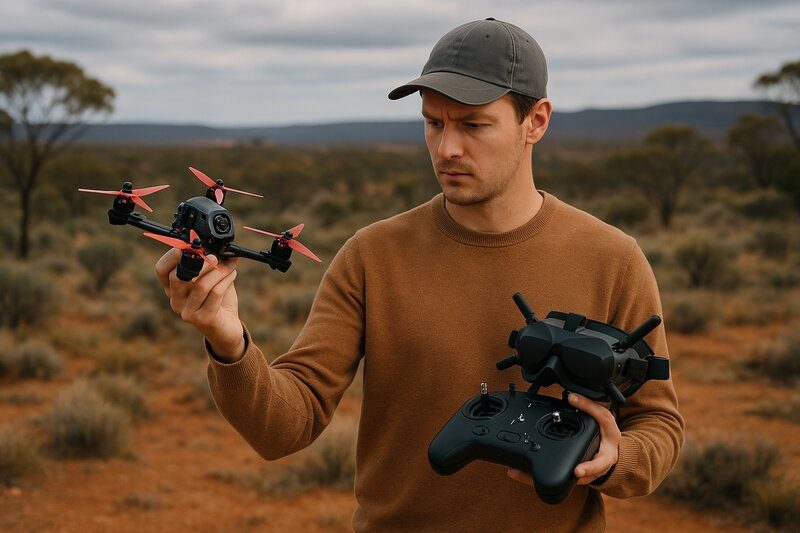
In recent years, FPV (First Person View) drones have exploded in popularity across Australia. From racing enthusiasts to cinematic content creators, more people than ever are strapping on goggles and exploring FPV Drone Australia in an immersive, high-adrenaline way. But FPV drones aren’t just exciting – they’re also versatile tools with serious real-world applications.

Unlike traditional camera drones, FPV drones allow the pilot to experience flight from the drone’s perspective. Using live video transmitted to goggles or a headset, operators can perform fast, agile movements and create breathtaking footage that would be impossible with stabilised flight alone. This makes FPV systems ideal for racing, freestyle flying, indoor manoeuvres, and dynamic tracking shots in film and TV production.

Whether you’re new to FPV drones or looking to upgrade your setup, it’s important to understand the options available – especially with Australia’s drone laws and gear choices changing quickly. That’s where this guide comes in. We break down the best FPV drones for 2025, essential gear to consider, local rules from CASA, and where to buy from trusted Australian suppliers.

Flying Glass is proud to support both recreational and professional drone users. As experienced aerial cinematographers and DJI authorised resellers, we understand what pilots need at every level – from casual weekend flyers to licensed operators creating content for national broadcasters. If you’re planning to fly for fun or for work, having the right setup and legal know-how makes all the difference.

Australia’s FPV community continues to grow rapidly, and with more training, events, and drone options available than ever, there’s never been a better time to get involved. Whether you want to race gates, perform freestyle tricks, or capture a perfectly timed cinematic dive through a tight window, this guide is here to help you get started with confidence.

Ready to choose your first FPV drone or level up your existing kit? Keep reading for our expert breakdown of drone types, gear recommendations, Australian retailers, legal rules, and answers to the most common questions about flying FPV drones across Australia in 2025.

FPV Drone Australia: Complete 2025 Buyer’s Guide & Legal Tips

Introduction to FPV Drone Australia

FPV Drone Australia is booming in 2025. First Person View (FPV) drones give pilots an immersive flying experience like no other. Whether you dream of racing through obstacle courses, performing freestyle tricks, or capturing stunning cinematic shots, FPV drone Australia pilots are leading the way.

Flying Glass is your trusted drone expert and an authorised DJI reseller. If you’re ready to dive into the world of FPV drone Australia, this guide will help you choose the right gear, understand the laws, and fly safely and legally.

For drone training in Australia, check out SkyMedia Training.


What is an FPV Drone?

An FPV drone streams live video from the aircraft to the pilot’s goggles, creating an immersive, cockpit-like flying experience. FPV drones prioritise manual control over stabilised flight.

Key FPV Drone Australia Uses:

  • Freestyle flying
  • Racing competitions
  • Cinematic filming
  • Drone fishing and payload delivery

Types of FPV Drones in Australia

Ready-to-Fly (RTF)

Pre-assembled kits, perfect for beginners.

Bind-and-Fly (BNF)

Pre-built drones needing only a radio controller to bind.

Plug-and-Play (PNP)

Drones requiring a separate receiver installation.

DIY Custom Builds

Custom rigs built from frames, motors, and electronics.


Best FPV Drones in Australia 2025

DJI Avata 2 (RTF)

  • Easy to fly
  • RockSteady stabilisation
  • Cinewhoop design for safe flights

iFlight Nazgul5 Evoque (BNF)

  • 6S power
  • Acrobatic freestyle
  • Durable frame

GEPRC Cinebot 30 (RTF)

  • Compact
  • Perfect for tight filming spaces
  • Ducted propellers

BetaFPV Pavo25 (PNP)

  • Sub-250g lightweight drone
  • Easy to register

Custom Freestyle Builds

  • Ultimate control over specs
  • Tailor for racing or cinematic flights

FPV Drone Australia Gear Essentials

Frames

Choose durable and lightweight frames for performance and crash resistance.

Motors

Match motor size and KV ratings to propellers and batteries.

Electronic Speed Controllers (ESCs)

Opt for 4-in-1 ESCs for cleaner builds.

Flight Controllers (FCs)

The brain of your drone; pick one compatible with Betaflight or similar firmware.

Batteries

4S for beginners, 6S for maximum performance.

Cameras

HD cameras like the Caddx Vista, DJI O3 Air Unit.

Video Transmitters (VTX)

Higher power equals better range, but stay within legal limits.

Goggles

Top choices include DJI Goggles 2 and Fat Shark Dominator HD.

Radio Controllers

RadioMaster TX16S and DJI FPV Controller 2 are reliable picks.

Antennas

Upgraded antennas improve video quality and range.

Propellers

5-inch props dominate freestyle builds; smaller props suit cinewhoops.

Tools and Accessories

Soldering kits, field chargers, spare parts, and ND filters.

FPV Drone Australia 2025 Buyer's Guide


Where to Buy FPV Drones in Australia

Store Highlights
Flying Glass DJI authorised reseller, expert advice
FPVFaster Huge DIY parts range
Phaser FPV 5,000+ products, 3D printing supplies
Buzz FPV Wide selection of pre-builts and DIY parts
Rising Sun FPV 3D printing and gaming kits
Metro Hobbies Beginner-friendly DJI gear

Always buy from trusted Australian sellers for warranty and local support.


FPV Drone Australia Rules and Regulations

Flying FPV in Australia is regulated by CASA. Breaking the rules can lead to serious fines.

Key FPV Rules:

  • Always fly with a spotter when wearing FPV goggles.
  • Maintain unaided visual line of sight.
  • Register drones over 250g.
  • Fly below 120 metres.
  • Stay 30 metres away from people.
  • Respect CASA no-fly zones using the “Drone Fly” app.

Commercial FPV Flying

  • Requires Remote Pilot Licence (RePL) and Operator’s Certificate (ReOC).
  • Training options available via SkyMedia Training.

For full CASA guidelines, see Flying FPV – CASA.


FPV Drone Australia Training and Certification

Elevate your skills and fly legally by completing professional drone training.

SkyMedia Training Courses:

  • Remote Pilot Licence (RePL)
  • Extended Visual Line of Sight (EVLOS)
  • Beyond Visual Line of Sight (BVLOS)
  • Night Operations

Visit SkyMedia Training to enrol.


FPV Drone Australia FAQs

Is it legal to fly FPV drones in Australia?

Yes, but you must have a spotter outdoors and follow CASA safety rules.

Do I need a licence to fly FPV drones?

For recreational use, no licence is needed. For commercial use, yes — you need a RePL.

What’s the best FPV drone for beginners?

The DJI Avata 2 is ideal for new pilots.

Can I fly FPV drones at night?

Only if you hold the appropriate CASA certification.

How much does an FPV drone cost in Australia?

Expect to spend between $300 and $2,500+ depending on setup.


Conclusion: Get Started with FPV Drone Australia

FPV Drone Australia pilots are leading the world in innovation and creativity. Whether you’re drawn to cinematic flying, racing, or freestyle, there’s never been a better time to jump in.

Flying Glass is your go-to source for FPV drones, training, and support. We are an authorised DJI reseller and a trusted training partner.

Ready to get started? Contact Flying Glass today for expert advice and the best FPV drone Australia gear!

And if you want to fly professionally, make sure you explore SkyMedia Training.

REOC Remote Operator's Certificate Australian Drone Licence CASA

As the drone industry continues to grow in Australia, more and more businesses are seeing the value of using drones for commercial purposes. Whether it’s for aerial cinematography, inspections, mapping, or surveying, operating drones in a commercial capacity often requires more than just a standard Remote Pilot Licence (RePL). One of the most crucial certifications for any business looking to scale its drone operations is the REOC — the Remote Operator’s Certificate.

But what exactly is a REOC, and how can it help your business? In this post, we’ll break down the 10 most important things you need to know about obtaining a REOC, from the benefits it offers to the steps required to get one.


1. What Is a REOC?

The Remote Operator’s Certificate (REOC) is issued by CASA (Civil Aviation Safety Authority) and is required for businesses that wish to operate drones for commercial purposes in Australia. While individuals need a Remote Pilot Licence (RePL) to fly drones commercially, businesses need a REOC to conduct drone operations legally.

The REOC essentially allows businesses to operate under their own name, rather than relying on an external drone operator with a REOC. It is the equivalent of having an Operator’s Certificate, giving the company the authority to perform commercial drone operations, oversee flights, and manage a team of certified drone pilots.

Key Benefits of a REOC:

  • Legal authority to conduct commercial drone operations.
  • Flexibility to oversee multiple drone pilots under one organisation.
  • Ability to take on larger projects that require more complex operations, such as night flying, flying beyond visual line of sight (BVLOS), or in controlled airspace.

2. Why You Need a REOC for Commercial Drone Operations

If you’re looking to grow your drone business and expand your service offerings, obtaining a REOC is a critical step. A business without a REOC can only operate under the authority of a certified operator, which can limit your potential clients and the types of projects you can take on.

With a REOC, your business will have the legal framework to manage complex drone operations and meet the regulatory requirements set by CASA. This not only opens the door to larger, more lucrative projects, but it also boosts your credibility with potential clients.

Projects That Require a REOC Include:

  • Infrastructure inspections
  • Large-scale mapping and surveying
  • Aerial cinematography for film and TV
  • Agricultural monitoring and data collection
  • Emergency response and rescue operations

3. The REOC Application Process: What to Expect

Obtaining a REOC is not a quick process, but it is manageable with the right support and preparation. The application process involves submitting a detailed operations manual to CASA, which outlines how your business will conduct drone operations safely and in compliance with aviation regulations.

Your operations manual must include information about your standard operating procedures, risk management strategies, and how you’ll handle emergency situations. You’ll also need to demonstrate that your business has the necessary resources and qualified personnel (such as a chief pilot) to carry out safe drone operations.

Steps to Apply for a REOC:

  1. Complete and submit a REOC application form through CASA.
  2. Prepare and submit an operations manual detailing your company’s procedures.
  3. Nominate a chief pilot responsible for managing drone operations.
  4. Schedule a CASA audit to review your application and operational procedures.
  5. Receive your REOC once your application is approved.

At Flying Glass, we offer consultancy services to help businesses develop their operations manual and navigate the application process. Our experience with CASA regulations ensures that your business meets all the necessary requirements for obtaining a REOC.


4. The Role of the Chief Pilot in a REOC

One of the key requirements for obtaining a REOC is nominating a chief pilot. The chief pilot is responsible for overseeing all drone operations within the business, ensuring that flights are conducted safely and in accordance with CASA regulations.

The chief pilot must hold a valid RePL and demonstrate a thorough understanding of drone operations, risk management, and airspace regulations. They are also responsible for training new pilots, maintaining equipment, and keeping up with the latest regulatory changes.

Responsibilities of a Chief Pilot:

  • Oversee flight operations and ensure compliance with CASA regulations.
  • Train and supervise other pilots within the organisation.
  • Manage the company’s fleet of drones and ensure they are properly maintained.
  • Develop and implement risk management strategies for complex operations.

If your business does not yet have a chief pilot, Flying Glass can assist with consultancy services to help you appoint the right person or train an existing team member.


5. How to Create an Operations Manual for Your REOC

A well-constructed operations manual is one of the most critical components of the REOC application process. This document outlines how your company will conduct drone operations, ensuring safety and compliance with CASA regulations.

Your operations manual needs to cover a wide range of topics, including flight planning, risk assessments, communication procedures, emergency response plans, and maintenance schedules for your drones. CASA will review this document carefully to ensure that your business is capable of conducting safe and efficient drone operations.

What to Include in Your Operations Manual:

  • Standard Operating Procedures (SOPs) for each type of drone operation.
  • Detailed risk management strategies and hazard identification processes.
  • Emergency response plans for incidents such as equipment failure or injury.
  • Maintenance and inspection schedules for your drone fleet.
  • Communication protocols, including radio procedures and airspace awareness.

At Flying Glass, we provide consultancy services to help businesses develop their operations manuals and meet CASA’s stringent requirements. Our team has extensive experience in creating manuals that meet regulatory standards and ensure safe operations.


6. The Benefits of Holding a REOC

Holding a REOC opens up a world of opportunities for your drone business. With this certification, you can take on larger, more complex projects that require advanced drone operations. Additionally, a REOC boosts your credibility, showing clients and stakeholders that your business is fully compliant with CASA regulations.

Key Benefits of a REOC:

  • Access to larger commercial projects that require complex drone operations.
  • Flexibility to conduct night flights, BVLOS operations, and flying in controlled airspace.
  • Ability to manage multiple drone pilots under one business entity.
  • Increased credibility and trust with clients and stakeholders.
  • The ability to expand your business’s service offerings into new industries.

With a REOC, your business can grow and scale to take on more challenging and profitable projects. Whether it’s aerial cinematography, inspections, or emergency response, a REOC allows your business to operate at a higher level.


7. What Happens During a CASA Audit?

Once you’ve submitted your REOC application and operations manual, CASA will conduct an audit to ensure your business is ready to conduct drone operations safely. The audit is a comprehensive review of your procedures, documentation, and operational readiness.

During the audit, CASA inspectors will evaluate your operations manual, assess your chief pilot’s qualifications, and review your company’s safety protocols. They may also ask to observe a drone flight to ensure that your team follows proper procedures.

What to Expect During a CASA Audit:

  • A thorough review of your operations manual and safety procedures.
  • Evaluation of your risk management strategies and hazard identification processes.
  • Assessment of your chief pilot’s knowledge and qualifications.
  • An on-site inspection of your drone equipment and maintenance records.
  • A possible flight demonstration to verify operational procedures.

Flying Glass can help you prepare for your CASA audit, ensuring that your operations manual and procedures meet regulatory standards. Our team will work with you to address any potential issues before the audit, giving your business the best chance of success.


8. How Long Does It Take to Get a REOC?

The process of obtaining a REOC can take several months, depending on the complexity of your operations and the thoroughness of your application. On average, businesses can expect the entire process to take between 3 to 6 months from the initial application to receiving their REOC.

Factors That Affect the REOC Timeline:

  • The completeness and accuracy of your operations manual.
  • The qualifications and experience of your chief pilot.
  • CASA’s audit schedule and the availability of inspectors.
  • The complexity of your proposed drone operations (e.g., night flying, BVLOS).

To speed up the process, it’s essential to submit a detailed and well-prepared application. Flying Glass offers consultancy services to help streamline the application process and ensure that your business is ready for a CASA audit as soon as possible.


9. How a REOC Can Help You Win Larger Projects

Having a REOC gives your business a significant advantage when competing for larger commercial projects. Clients in industries such as construction, film, and emergency services often require operators with a REOC to ensure that drone operations are conducted legally and safely.

Additionally, a REOC allows your business to take on more complex projects, such as flying in restricted airspace, performing BVLOS operations, or conducting night flights. These types of projects often come with higher budgets and more demanding requirements, making a REOC a valuable asset for any drone business looking to grow.

REOC Remote Operator's Certificate Australian Drone Licence CASA


10. Consultancy Services to Help You Obtain a REOC

Navigating the REOC application process can be challenging, especially for businesses that are new to commercial drone operations. Fortunately, you don’t have to go through the process alone. Flying Glass offers consultancy services to help businesses develop their operations manuals, train their chief pilots, and prepare for CASA audits.

With years of experience in the drone industry, Flying Glass understands the complexities of CASA regulations and can provide tailored solutions to help your business succeed. Whether you need assistance with the application process or guidance on expanding your service offerings, our team is here to support you every step of the way.


Conclusion: The REOC Is a Game Changer for Drone Businesses

Obtaining a REOC is a crucial step for any business looking to scale its drone operations in Australia. From managing a team of pilots to conducting complex operations, a REOC gives your business the authority and credibility needed to succeed in the competitive drone industry.

By following the steps outlined in this post and working with experts like Flying Glass, you can navigate the REOC application process smoothly and position your business for long-term growth. Contact us today to learn more about how we can help you obtain a REOC and take your drone business to the next level.

REOC Remote Operator's Certificate Australian Drone Licence CASA

What to Expect from Training

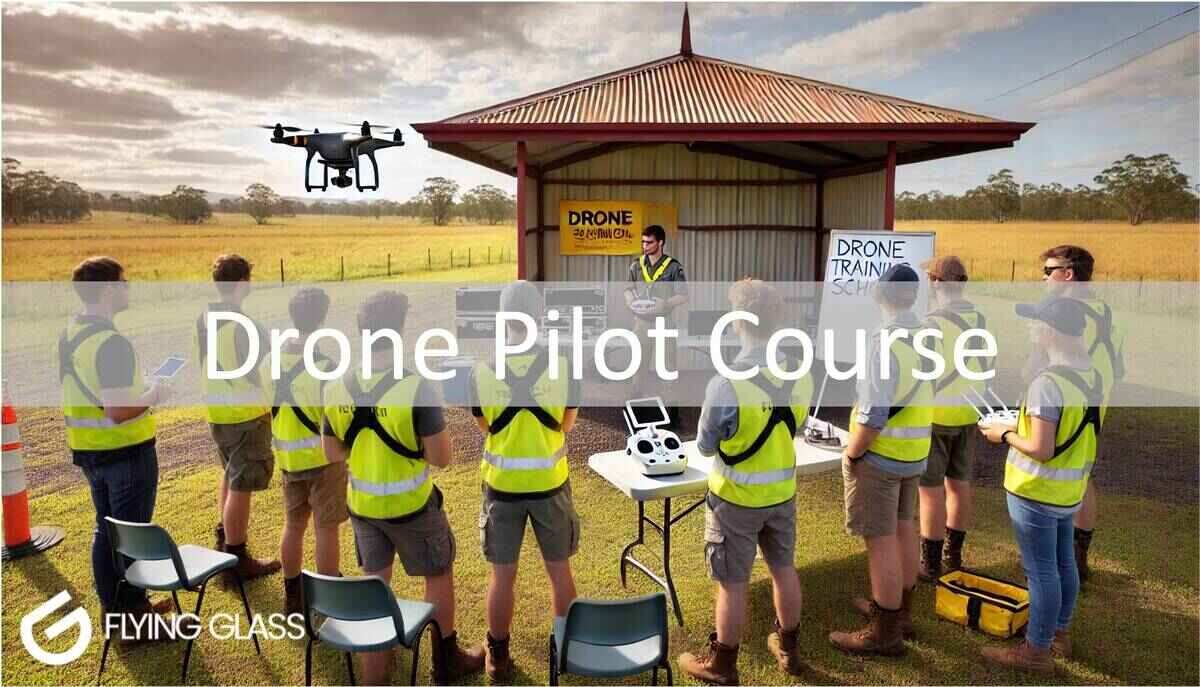
Drones are revolutionising industries like film, construction, and agriculture, with licensed drone operators becoming increasingly sought after. For those looking to enter this exciting field, obtaining a drone pilot licence is a crucial step. But what exactly happens during a drone pilot course? In this behind-the-scenes look, we’ll take you through what it’s like to enrol in a drone pilot course with Flying Glass. From the in-depth classroom theory to hands-on practical training at our private flying field, we’ll cover every aspect of the course. Whether you’re a drone hobbyist looking to turn professional or someone entering the industry from scratch, here’s what you can expect when you sign up.


Day 1: Classroom Theory Begins

The first few days of your drone pilot course are spent in the classroom, where students dive into the theoretical knowledge required to operate drones safely and legally in Australia. At Flying Glass, we make sure the environment is interactive and collaborative, allowing students to ask questions and engage with the material. When you arrive for the first day, you’ll be introduced to your fellow students, who typically come from a variety of backgrounds—ranging from film production and surveying to agriculture and real estate. You’ll also meet your instructors, industry professionals who bring years of real-world drone experience to the table. The structure of the course is laid out, covering 3-4 days of theory followed by 2 days of practical flying at our private field.


The Classroom Theory: Comprehensive and Structured Learning

The classroom portion of the drone pilot course is where you’ll gain the essential knowledge that will form the foundation of your drone operations. Here’s a breakdown of the key theory modules covered:

1. Basic Aviation Knowledge for RPAS

The first module gives you an introduction to the world of aviation, focusing on how drones (or RPAS — remotely piloted aircraft systems) fit into the larger aviation landscape. This includes learning about lift, drag, thrust, and other principles of flight. Even if you’re completely new to drones, this module will get you up to speed with the basics.

2. Meteorology for RPAS Operations

Weather plays a crucial role in drone safety. This module teaches you how to interpret weather reports and assess conditions like wind, cloud cover, and precipitation. By the end, you’ll be able to make informed decisions about when it’s safe to fly and when to ground your drone.

3. Multirotor Aeronautical Knowledge and Operation Principles

This section dives deeper into the technical aspects of operating a multirotor drone. You’ll learn about flight dynamics, energy management, and how to handle different types of drones, focusing on the specific challenges posed by multirotor systems.

4. Human Performance for RPAS

As a drone pilot, your mental and physical state can impact the safety of your operations. In this module, you’ll learn about human performance factors such as fatigue, stress, and decision-making, and how to manage them effectively.

5. Electrical and Electronic Systems for RPAS

Understanding the electrical systems that power your drone is crucial for maintenance and troubleshooting. This module of the drone pilot course covers everything from batteries and power management to onboard electronics, ensuring you know how your drone operates under the hood.

6. Airspace, Charts, and Aeronautical Publications

Navigating the skies isn’t just about flying; it’s about understanding the rules of the air. In this module, you’ll learn how to read aeronautical charts and understand airspace classifications. Knowing when and where you can fly is crucial, particularly for commercial operators working near controlled airspace.

7. RPAS Operations and Procedures

The operational side of drone flying is where theory meets practice. This module teaches you about planning and conducting drone operations, including flight planning, risk assessments, and post-flight procedures.

8. Operational Rules and Air Law for RPAS

CASA (Civil Aviation Safety Authority) governs drone operations in Australia, and understanding the law is key to becoming a certified operator. This module walks you through the rules and regulations that every drone pilot must follow, including the penalties for non-compliance.

9. Automated Flight Management Systems for RPAS

Automation can make drone flying more efficient and safer, but it also comes with its own set of challenges. In this module of the drone pilot course, you’ll learn how to use automated flight management systems, including pre-programmed flight paths and autonomous landing features.

10. AROC – Aeronautical Radio Operators Certificate

Communication is key when flying in controlled airspace or near airports. This module prepares you for the Aeronautical Radio Operators Certificate (AROC) exam, teaching you how to communicate with air traffic control and other aircraft.


Practical Flying: Moving to the Private Flying Field

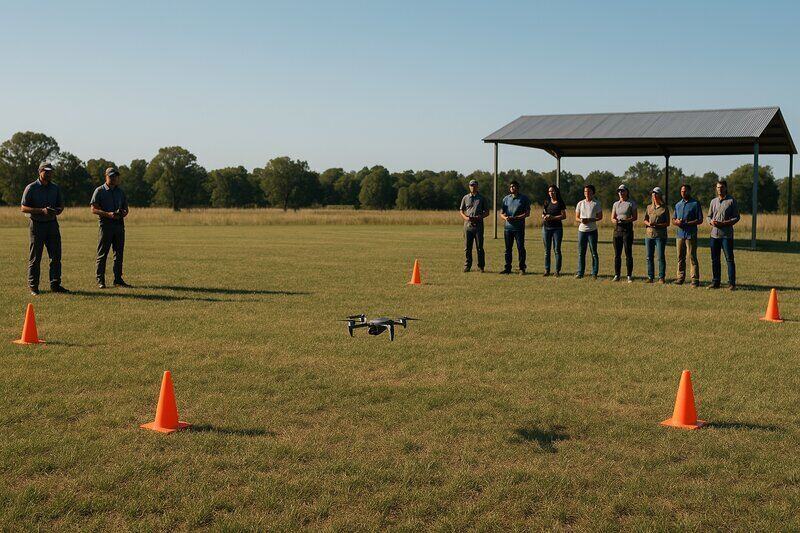
After several days in the classroom, students are ready to apply what they’ve learned in real-world conditions. The practical flying sessions take place over 2 days at our private flying field, giving you ample space to practise and refine your skills. We provide the drones, but if you want to buy your own drones or drone accessories, contact us, as we’re an authorised drone reseller.


Getting Hands-On with RPAS: Pre- and Post-Flight Procedures

When you first arrive at the field, you’ll start with pre-flight checks. These include inspecting the drone, ensuring that all systems are functioning correctly, and verifying that weather conditions are suitable for flying. Instructors will guide you through the pre- and post-operation actions that are critical for safe flights. From checking the battery levels to ensuring the propellers are secure, every detail is covered.


Energy Management for RPAS

Energy management is a critical component of drone flying, particularly when operating in challenging conditions. During practical training, you’ll learn how to monitor and manage the energy usage of your drone to extend flight time and avoid mid-air power failures.


Managing Crew, Payload, and Bystanders

In professional drone operations, managing more than just the drone is often required. You’ll be trained on our drone pilot course in how to handle crew members, payloads (such as cameras or sensors), and ensure bystander safety during flights. This is particularly important when flying in populated areas or on commercial projects.


Navigation and Advanced Flying

Once you’re comfortable with the basics, the drone pilot course shifts to more advanced flying techniques. You’ll practise complex manoeuvres, navigating obstacles, and controlling the drone in different weather conditions. Our instructors provide guidance on everything from hovering to advanced navigation, ensuring you have full command of the equipment. During these sessions, students also learn how to use drone safety apps to check for restrictions and ensure they’re flying in safe and legal zones.


Dealing with Abnormal Situations and Emergencies

One of the most important aspects of drone flying is being prepared for the unexpected. In the practical portion of the course, you’ll be trained to handle abnormal situations and emergencies. Whether it’s dealing with equipment malfunctions or navigating sudden weather changes, you’ll learn how to make quick, informed decisions to ensure safe outcomes.

drone pilot course RePL REOC CASA training school


Multirotor Flying: Hovering, Launch, and Landing

Mastering multirotor control is essential for any drone pilot. You’ll practise basic manoeuvres like launching, hovering, and landing, with a focus on precision and control. Instructors are always on hand to give feedback and guide you through any challenges. As your confidence grows, you’ll move on to advanced manoeuvres, such as flying in tight spaces, navigating around obstacles, and performing smooth landings in varied conditions.


The Final Flight Assessment

At the end of the drone pilot course, students are required to complete a final flight assessment. This is your chance to demonstrate everything you’ve learned over the past week, from pre-flight checks to executing advanced manoeuvres. The assessment includes both practical flying skills and the ability to manage the crew, equipment, and bystanders effectively. Once you pass, you’ll be awarded your Remote Pilot Licence (RePL) and your Aeronautical Radio Operators Certificate (AROC), certifying you as a fully qualified drone operator in Australia.


What Comes After Completing the Drone Pilot Course?

Once you’ve completed your drone pilot course and earned your certification, a wide range of career opportunities will be open to you. Whether you’re looking to break into the film industry, offer professional services for real estate or agriculture, or specialise in infrastructure inspections, your Remote Pilot Licence is the key to unlocking these opportunities. Flying Glass continues to offer support even after you’ve completed the course, providing consultancy services to help you update operations manuals, secure complex CASA approvals, and scale your drone operations. With our experienced team behind you, there’s no limit to what you can achieve.


Conclusion: Why a Drone Pilot Course is Your Pathway to Success

A drone pilot course is much more than just a training program—it’s the foundation for a successful career in the drone industry. From mastering the theory of aviation and regulations to getting hands-on experience with professional-grade drones, the course at Flying Glass ensures you’re prepared for every aspect of drone operations. Whether you’re interested in commercial filming, surveying, or inspections, this course provides the skills and certifications you need to excel. Ready to take your drone career to the next level? Contact Flying Glass today to enrol in our next drone pilot course and start your journey towards becoming a certified drone pilot in Australia.

drone licence RPA license RePL REOC CASA Australia

Drones have revolutionised industries like film, agriculture, real estate, and infrastructure, but navigating the rules and regulations surrounding drone operations is critical to ensuring safe and legal flights. One of the most important steps to take if you’re serious about flying drones commercially in Australia is to obtain your drone licence (Remote Pilot Licence or RePL). This certification not only ensures that you’re flying safely but also opens up a wide range of professional opportunities that would otherwise be out of reach. At Flying Glass, we specialise in training drone pilots through our drone school, where we offer flexible RePL courses tailored for individuals and organisations, including government bodies and councils. Whether you’re looking to upskill your team or get certified yourself, we provide expert training and comprehensive guidance to help you navigate the process of becoming a licensed drone pilot.


What is a Drone Licence (RePL) in Australia?

In Australia, a drone licence refers to the Remote Pilot Licence (RePL), which is issued by the Civil Aviation Safety Authority (CASA). This certification allows drone operators to fly remotely piloted aircraft (RPA) weighing more than 2 kg for commercial purposes. Essentially, if you’re being paid to fly a drone, you need an RePL to ensure that you’re operating safely and within the confines of the law. The RePL covers important aspects of drone operations, including:

  • Flight theory (understanding aviation regulations, meteorology, and navigation)
  • Practical flying (handling the drone in various conditions)
  • Emergency procedures (how to respond to unforeseen circumstances)

Our courses at Flying Glass cover all of these areas in-depth, ensuring that every pilot leaves our school with the confidence and skills they need to operate safely and effectively.


Flying Glass Drone School: Learn From the Experts

Flying Glass is not just an industry leader in drone cinematography—we’re also a CASA-certified training provider offering RePL courses that set you up for success. Our drone school offers comprehensive training that covers both theoretical knowledge and practical flying skills. We understand that every pilot has different needs, which is why we offer flexible course options. Whether you’re an individual looking to start a career in drone operations or an organisation seeking to upskill your team, we provide bespoke training solutions to meet your goals.

Training for Organisations and Government Bodies

In addition to our standard RePL courses, Flying Glass also offers tailored drone licence training for organisations, including councils and government bodies. We understand that these entities often need a customised approach, which is why we offer on-site training where we come to you. These bespoke courses are designed to meet the specific needs of your organisation, whether it’s for infrastructure inspections, environmental monitoring, or emergency response. This hands-on training ensures that your team is not only equipped with a drone licence but also the skills necessary to perform complex operations in real-world environments. With years of experience working on high-profile projects, Flying Glass brings unparalleled expertise to every training session.


What Can You Do With a Drone Licence?

A drone licence opens up a world of possibilities. With an RePL, you can operate drones for a variety of commercial purposes, from aerial photography and cinematography to agricultural mapping, surveying, and infrastructure inspections. The licence allows you to fly larger drones, undertake more complex missions, and potentially work on high-paying projects that require a professional-level operator. Some of the key benefits of holding an RePL include:

  • The ability to fly drones weighing more than 2 kg commercially
  • Permission to operate in controlled airspace (with CASA approval)
  • Enhanced career opportunities in industries such as film, real estate, agriculture, and infrastructure
  • The ability to apply for additional endorsements, such as night operations or flying in controlled airspace

Without a drone licence, you’re restricted to flying for recreational purposes only, and there are limitations on the weight of the drone and where you can legally operate it. Having an RePL not only removes these limitations but also positions you as a professional in the growing drone industry.


What Can’t You Do Without a Drone Licence?

If you’re operating a drone without a drone licence, you’re limited to flying for recreational purposes only. CASA’s regulations restrict unlicensed operators in the following ways:

  • You cannot fly drones weighing more than 2 kg for commercial purposes
  • You are prohibited from flying in controlled airspace (e.g., near airports)
  • You cannot accept payment for drone operations
  • You are restricted to operating in specific areas and must avoid populous areas, emergency situations, and certain airspace

These limitations are put in place to protect public safety, as unlicensed operators may not have the necessary knowledge to safely navigate complex environments. Flying Glass is dedicated to helping operators understand what they can and can’t do without a licence and how obtaining an RePL can significantly expand their opportunities.


The Role of a Remote Operator’s Certificate (ReOC)

While an RePL allows an individual to fly drones commercially, organisations that wish to operate drones for profit need to obtain a Remote Operator’s Certificate (ReOC). The ReOC is issued to companies, allowing them to legally conduct drone operations for commercial purposes. In addition, organisations holding an ReOC must designate a chief pilot, who is responsible for overseeing the safety and legality of all drone operations within the company. At Flying Glass, we provide consultancy services for businesses looking to apply for an ReOC. This process involves preparing comprehensive documentation, including an operations manual that outlines safety protocols, flight procedures, and emergency responses. Our team of experts will guide you through the process of obtaining your ReOC and ensure that your business is set up for success.

drone licence RPA license RePL REOC CASA Australia


Why You Need a Chief Pilot for ReOC Operations

For businesses holding an ReOC, appointing a chief pilot is a crucial requirement. The chief pilot is responsible for overseeing the safety and compliance of all drone operations within the organisation, ensuring that every flight is conducted according to CASA regulations. A qualified chief pilot must have extensive experience and hold an RePL, along with additional training that equips them to manage multiple pilots, complex operations, and ensure compliance with CASA’s stringent regulations. At Flying Glass, we offer consultancy services to help businesses find and train their chief pilots, ensuring that your operations are always in safe hands.


Drone Licences Outside of Australia

While this post focuses primarily on the drone licence requirements in Australia, it’s worth noting that different countries have their own licensing requirements. If you plan to operate drones internationally, you may need to obtain additional licences or permissions depending on the country. For example, in the United States, commercial drone operators must obtain a Part 107 licence from the Federal Aviation Administration (FAA). In the UK, the CAA mandates UK drone laws. Similarly, many European countries require drone pilots to obtain certifications that align with the European Union Aviation Safety Agency (EASA) regulations. If you’re planning to operate drones outside of Australia, Flying Glass can help you understand the requirements and ensure you’re compliant with international regulations.


Conclusion: Get Your Drone Licence with Flying Glass

Obtaining a drone licence is the first step towards unlocking the full potential of drone operations, whether for individual use or within a business. At Flying Glass, our RePL training courses provide you with the knowledge and skills needed to become a certified drone pilot, allowing you to fly legally and safely in Australia. We also offer consultancy services for businesses looking to obtain an ReOC or appoint a chief pilot, ensuring that your organisation is fully compliant with CASA regulations. Contact us today to learn more about our drone licence training programs, organisational courses, and consultancy services, and take the next step in your drone career.

australian drone licence Australia REPL CASA REOC

Australia’s breathtaking landscapes and iconic urban skylines make it a prime location for drone enthusiasts and professionals alike. From capturing aerial footage of the Sydney Opera House to sweeping over the dramatic red sands of the Outback, drones provide the ultimate way to see the best of Australia from above. However, for international operators planning to fly drones in Australia, it’s essential to understand the local regulations. Whether you’re visiting Australia for a film project, commercial work, or even recreational flying, having an Australian drone licence may be necessary to ensure you’re operating legally. At Flying Glass, we specialise in providing training to help you get certified to fly in Australia. But if you’d rather leave the flying to the experts, our team of highly skilled drone operators can handle the project for you. We’re based in Sydney and operate across Australia, bringing years of experience and CASA approvals to deliver exceptional aerial footage.


Do You Need an Australian Drone Licence to Fly in Australia?

If you’re an international drone operator wondering whether you need an Australian drone licence, the answer depends on the nature of your flights. In Australia, drone operations are regulated by the Civil Aviation Safety Authority (CASA), and the requirements vary based on whether you’re flying for recreational or commercial purposes.

For Recreational Flying:

If you’re visiting Australia and only planning to fly your drone for fun, you don’t need an Australian drone licence. However, you still need to adhere to CASA’s safety rules, which include:

  • Flying below 120 metres (400 feet)
  • Keeping your drone within visual line of sight
  • Avoiding flying within 5.5 km of an airport
  • Staying 30 metres away from other people
  • Not flying over populous areas like beaches or parks

These rules ensure the safety of other airspace users and people on the ground.

For Commercial Flying:

If you’re visiting Australia for a commercial drone project—whether it’s filming, surveying, or any other professional activity—you’ll need an Australian drone licence (Remote Pilot Licence or RePL). Without this certification, you won’t be legally permitted to fly a drone for commercial purposes. The RePL allows you to operate drones weighing over 2 kg and provides the knowledge needed to navigate Australia’s airspace regulations safely. At Flying Glass, we offer training courses that help you obtain an Australian drone licence, ensuring you’re fully compliant with local laws and ready to take on any commercial project in the country.


How to Get Your Australian Drone Licence as an International Operator

The process for obtaining an Australian drone licence is straightforward but requires formal training and assessment. At Flying Glass, our RePL training program is tailored to both local and international drone operators, providing you with the skills and legal certification needed to fly in Australia.

Step 1: Enrol in a CASA-Approved Course

To get your Australian drone licence, you’ll need to complete a CASA-approved Remote Pilot Licence (RePL) course. Our training program at Flying Glass covers everything from aviation regulations and airspace classifications to hands-on flying skills. You’ll learn how to operate safely, manage risks, and obtain approvals for flying in restricted airspace.

Step 2: Complete Theoretical and Practical Training

Our RePL course includes both theoretical and practical components to ensure you’re well-prepared for flying in Australian airspace. You’ll gain knowledge in:

  • Airspace classifications and restrictions
  • Weather conditions and flight safety
  • Navigation and risk management
  • Practical flying skills for different environments

By the end of the course, you’ll have a comprehensive understanding of how to fly drones commercially in Australia, whether in urban areas like Sydney or remote regions like the Outback.

Step 3: Get Certified

Once you’ve completed the training and passed the assessments, you’ll receive your Australian drone licence. This certification allows you to fly drones commercially in Australia, opening up a world of opportunities for international operators working on projects here.


Don’t Have Time to Get Licensed? Let Flying Glass Handle the Job

If you’re pressed for time or would rather focus on the creative side of your project, Flying Glass can take care of your drone operations for you. We’re not just a training school—we’re also a leading drone services provider with a team of CASA-certified operators who can handle even the most complex projects. Whether you’re working on a TV commercial, feature film, or surveying a large construction site, we have the expertise and equipment to get the job done efficiently and professionally.

Why Choose Flying Glass for Your Drone Needs in Australia?

  • Local Expertise: Based in Sydney, we have extensive experience flying in Australia’s diverse environments—from the city skyline to rural areas and coastal regions.
  • CASA Approvals: We have all the necessary approvals to fly in restricted airspace, including near airports, national landmarks, and other sensitive areas.
  • High-Quality Equipment: We use the latest drones, including the Inspire 3, to capture stunning, high-resolution footage for your project.
  • Proven Track Record: Our team has worked on high-profile projects for international clients, including BBC, Netflix, and Amazon, ensuring that your project is in safe hands.

If you’re an international drone operator visiting Australia and you’d prefer to leave the flying to the experts, contact Flying Glass to discuss how we can assist with your project.


What If I Only Need Temporary Drone Operations in Australia?

For international operators who only need to conduct short-term or temporary drone operations in Australia, applying for a temporary Australian drone licence isn’t always practical. In such cases, Flying Glass can step in to manage the flying on your behalf. We frequently work with international clients who require drone services for one-off projects, allowing them to focus on the creative or logistical aspects of their work without worrying about legal compliance. From pre-production planning and securing the necessary CASA approvals to executing the actual flight, we handle every aspect of the drone operation, ensuring your project stays on schedule and within the law.


What Are the Penalties for Flying Without an Australian Drone Licence?

Australia takes air safety seriously, and the penalties for flying a drone without the necessary Australian drone licence can be severe, especially if you’re operating commercially. Fines can reach up to AUD 11,100 for breaches of CASA’s regulations, and repeat offenders may face even higher penalties. Flying near airports, in controlled airspace, or over populated areas without a licence can lead to substantial legal consequences. That’s why it’s critical for international operators to either obtain an Australian drone licence or hire a licensed operator like Flying Glass to manage the project. By doing so, you ensure your operations are safe, legal, and professionally executed.

australian drone licence Australia REPL CASA REOC


How Flying Glass’s Consultancy Services Can Help You Operate in Australia

If you’re an international business or organisation planning to operate drones in Australia, Flying Glass offers more than just drone services. We provide consultancy services that help you navigate Australia’s complex regulatory environment and ensure your operations are fully compliant.

Our Consultancy Services Include:

  • Operations Manual Creation: If you’re applying for an Australian drone licence or setting up a drone business in Australia, we can help you create an operations manual that meets CASA’s requirements.
  • ReOC Application Assistance: If you need to apply for a Remote Operator’s Certificate (ReOC) to conduct commercial operations in Australia, we’ll guide you through the process.
  • Endorsements and Advanced Operations: We offer training and consultancy for advanced drone operations, including night flying, beyond visual line of sight (BVLOS) flights, and operations in controlled airspace.

Our team has years of experience working with international operators, and we’re here to make your transition into the Australian drone industry as smooth as possible.

australia drone licence Course REPL Flying Glass

Australia offers some of the world’s most spectacular locations for drone operators. From the iconic Sydney Harbour to the rugged landscapes of the Outback, opportunities for drone work are endless. However, for international drone operators, obtaining an Australia drone licence and understanding the country’s regulatory environment can be daunting. This post explores the top logistical and legal challenges international drone operators face when trying to secure an Australia drone licence and how to navigate them. Whether you’re a filmmaker, surveyor, or working in agriculture, understanding the process and rules is key to avoiding costly mistakes and ensuring smooth drone operations in Australia.


Challenge 1: Understanding Australia’s Airspace Regulations

One of the first challenges that international operators face when coming to Australia is understanding the airspace regulations. Australia’s Civil Aviation Safety Authority (CASA) oversees the airspace and enforces stringent rules for both commercial and recreational drone pilots.

What You Need to Know About Australian Airspace

In Australia, controlled airspace is located around major airports and busy urban areas. If you want to fly near these zones, you’ll need approvals that go beyond having an Australia drone licence. Many operators mistakenly believe that once they obtain their licence, they can fly anywhere — but this isn’t the case. Solution: Use CASA’s resources, such as the OpenSky and Can I Fly There? apps, to understand where you can fly. These apps allow operators to check real-time information on restricted airspace and provide clear guidelines for legal flying. Additionally, if you plan on flying in controlled airspace or near airports, you will need to apply for special permits in advance. At Flying Glass, we can help international operators secure the necessary permissions to fly in these restricted areas. Our consultancy services are designed to assist with navigating Australia’s airspace regulations and securing CASA approvals for your project.


Challenge 2: Obtaining an Australia Drone Licence (RePL)

If you’re planning to operate drones commercially in Australia, securing an Australia drone licence (Remote Pilot Licence or RePL) is essential. The RePL is required for operators looking to fly drones that weigh over 2 kg or perform specific operations such as flying beyond visual line of sight (BVLOS) or in controlled airspace.

RePL vs. Overseas Licences

Many international drone operators already hold drone licences in their home countries, but these licences are not automatically valid in Australia. You’ll need an Australia drone licence to legally operate in the country. Additionally, the requirements for an Australian licence may be different from those in other countries, so it’s important to understand what’s involved. Solution: Flying Glass offers comprehensive RePL training for international operators. Our course covers everything from Australian air law and operational procedures to advanced flying techniques. The course takes place over several days, with classroom-based theory and practical flying assessments at our private field. This ensures you’re fully prepared for the licensing exam and can legally operate drones in Australia.


Challenge 3: Navigating Operational Rules in Australia

Australia has some of the strictest operational rules for drones in the world. While operators in other countries may have more relaxed rules, CASA enforces tight restrictions to ensure safety in the skies. Understanding and complying with these operational rules is essential for both safety and legality.

Key Rules for Drone Operators in Australia

Some of the key rules that international operators need to be aware of include:

  • Altitude Restrictions: You cannot fly your drone higher than 120 metres (400 feet) above ground level.
  • Line of Sight: You must always keep your drone within your visual line of sight.
  • Distance from People: Drones must stay at least 30 metres away from other people not involved in the operation.
  • Daylight Only: Flying is only permitted during daylight hours unless you have special CASA approval for night operations.

Failing to comply with these rules can result in hefty fines or legal action. Solution: Before starting your project in Australia, take the time to review CASA’s Part 101 regulations, which outline the operational rules for drone flights. At Flying Glass, we offer consultancy services to help international operators understand and comply with these rules, ensuring that you’re fully prepared to operate legally.


Challenge 4: Securing Approvals for Special Operations

Flying in Australia often requires more than just obtaining an Australia drone licence. If your project involves flying near sensitive areas such as airports, military bases, or national parks, you’ll need to secure additional approvals from CASA.

Examples of Special Operations in Australia

  • Controlled Airspace: Flying within 5.5 km of a controlled airport requires prior approval from CASA.
  • Populous Areas: Flying over populated areas, such as beaches or parks, requires special permission.
  • National Parks: In some national parks, such as Kakadu, drone flying is prohibited without a permit.

Solution: Securing CASA approvals can be a complex process, especially for international operators unfamiliar with the system. Flying Glass can assist you in obtaining the necessary permits for your project. We handle the entire process, from preparing the documentation to liaising with CASA, ensuring your approvals are in place before your operation begins.


Challenge 5: Adapting to Australia’s Diverse Flying Environments

Australia’s vast and diverse landscapes present unique challenges for drone operators. Whether you’re flying over Sydney’s iconic landmarks or conducting aerial surveys in the Outback, each environment requires a different approach.

Challenges in Urban Areas

In cities like Sydney and Melbourne, drone operators must contend with crowded airspace, tall buildings, and frequent flight restrictions. The weather in these cities can also be unpredictable, with sudden changes that could affect your operation.

Challenges in Remote Areas

In contrast, operating in remote areas such as the Australian Outback brings challenges like extreme heat, long distances, and limited infrastructure. Drones may struggle with battery life, and finding suitable locations for charging and maintenance can be difficult. Solution: Adapting your drone operations to the local environment is critical. Use weather apps and flight planning tools to anticipate conditions, and ensure you have enough backup equipment and power supplies for remote operations. Flying Glass has extensive experience working in both urban and rural environments across Australia, and we offer tailored solutions to help international operators manage these challenges.


Challenge 6: Insurance and Liability Requirements

Commercial drone operations in Australia come with strict liability and insurance requirements. You must carry public liability insurance to cover any damages or injuries caused by your drone. Many clients will not work with an operator unless they can provide proof of adequate insurance.

Insurance for Drone Operations in Australia

In Australia, public liability insurance covers property damage, personal injury, and legal fees resulting from a drone-related incident. This is particularly important for international operators who may not have local insurance coverage. Solution: Before arriving in Australia, ensure that your insurance policy meets local requirements. If you’re unsure, Flying Glass can provide guidance or arrange insurance coverage through local providers, ensuring that you meet all legal obligations and can operate safely.

australia drone licence Course REPL Flying Glass


Challenge 7: Partnering with Local Operators

For international operators, one of the most effective ways to overcome the challenges of operating in Australia is by partnering with local drone service providers. Local operators have a deep understanding of the regulations, airspace, and logistical challenges that come with flying in Australia.

Benefits of Partnering with Local Operators

  • Local Expertise: Local operators understand the specific rules and regulations of their region, ensuring compliance with CASA requirements.
  • Faster Approvals: Local operators can help secure approvals faster and more efficiently than international operators trying to navigate the system from abroad.
  • Flexibility: Working with a local partner ensures you have the flexibility to handle any unexpected challenges that arise during your project.

Solution: Flying Glass is one of Australia’s leading drone service providers, offering consultancy, pilot services, and equipment hire for international clients. We have experience working on major projects in both urban and rural settings and can provide fully certified operators or support international teams in getting their Australia drone licence and necessary approvals.


Conclusion: Navigating the Challenges of an Australia Drone Licence

For international operators, obtaining an Australia drone licence and navigating the country’s complex airspace and regulatory environment can be challenging. However, with the right support and preparation, you can overcome these hurdles and carry out successful drone operations in Australia. Flying Glass offers a range of services to help international operators meet these challenges. From RePL training and consultancy to securing CASA approvals and providing experienced local pilots, we’re here to ensure your project is a success.

How to Pilot a Drone Safely and Legally Beginners Guide to Flying

Drones have become an incredibly popular hobby, offering people the chance to explore the skies, capture stunning aerial photos and videos, and even participate in racing. If you’re new to flying drones, it can feel overwhelming at first, but don’t worry. This guide will walk you through the basics of piloting a drone, from learning the controls to understanding the legal rules you need to follow in Australia. By the end of this post, you’ll have a solid understanding of how to safely pilot drone and make the most out of your new flying hobby.


Step 1: Getting Started – Choosing the Right Drone

Before you start flying, the first step is choosing the right drone for your needs. Drones come in various sizes and with different levels of complexity, so it’s important to pick one that suits your skill level.

Beginner Drones to Consider:

  • DJI Mini 2: Lightweight, easy to fly, and doesn’t require a drone licence for recreational use in Australia.
  • Ryze Tello: A budget-friendly option perfect for indoor practice and beginners who want to learn the basics.
  • Holy Stone HS720: A great entry-level drone that offers more advanced features like GPS positioning and a high-quality camera.

As a beginner, it’s best to start with a drone that is easy to control and has built-in stabilisation features, helping you get a feel for flying before moving on to more advanced models.


Step 2: Understanding the Basic Controls

Now that you’ve got your drone, it’s time to learn the controls. While different drones may have slightly varied layouts, most drone controllers have the same basic functions. Here’s a breakdown of the main controls you’ll use to pilot drone:

1. Left Stick – Throttle and Yaw

  • Throttle: Moving the left stick up and down controls the altitude of your drone. Push the stick up to make the drone ascend, and pull it down to descend.
  • Yaw: Moving the left stick left or right rotates the drone on its axis. This is useful for changing the direction your drone is facing without moving forward or backward.

2. Right Stick – Pitch and Roll

  • Pitch: Moving the right stick up or down tilts the drone forward or backward, allowing it to move in those directions.
  • Roll: Moving the right stick left or right makes the drone move horizontally in those directions.

3. Trim Controls

These are smaller controls that help you fine-tune the drone’s balance. Use the trim to adjust if your drone is drifting to one side or not hovering steadily.


Step 3: Learning to Fly – Basic Techniques for Beginners

Before you take your drone to the skies, it’s important to practice the basics. Start by flying in an open, obstacle-free area like a park or large field. Here are some beginner flying techniques to get you started:

1. Hovering

Hovering is one of the first skills to master as a pilot drone. Practice keeping the drone steady in the air without moving in any direction. This will help you understand how the controls affect the drone’s balance and stability.

2. Takeoff and Landing

Once you’re comfortable hovering, practice smooth takeoffs and landings. Gradually increase the throttle to lift the drone off the ground, and reduce the throttle slowly to bring it back down. Proper takeoff and landing are key to avoiding crashes and keeping your drone in good condition.

3. Basic Maneuvers

After mastering hovering, try some basic movements like flying forward, backward, and side-to-side using the pitch and roll controls. Practice changing directions and rotating the drone (yaw) while keeping it steady in the air.

4. Flying in a Square Pattern

A good exercise for beginners is to fly the drone in a square pattern. This will help you get used to using both the throttle and pitch controls together while maintaining control over the drone.


Step 4: Legal Considerations for Recreational Pilot Drone in Australia

As fun as flying a drone is, it’s essential to be aware of the legal requirements that apply to recreational pilot drone in Australia. The Civil Aviation Safety Authority (CASA) governs the use of drones, and there are specific rules you must follow to fly safely and legally.

Key Legal Requirements:

  • Altitude Limit: Drones must not fly higher than 120 metres (400 feet) above ground level.
  • Visual Line of Sight (VLOS): You must keep your drone within your visual line of sight at all times. This means being able to see the drone with your own eyes (not through a screen or camera).
  • No Flying Near People: Keep your drone at least 30 metres away from people who are not involved in the operation.
  • No-Fly Zones: Avoid flying in restricted areas, such as near airports, emergency operations, or over crowded areas. You can check CASA’s Can I Fly There? app to find out where it’s safe to fly.
  • No Commercial Use: If you’re flying for fun, you don’t need a licence, but if you want to operate a drone commercially, you’ll need to get a Remote Pilot Licence (RePL).

Step 5: Safety Tips for Beginner Pilot Drone

Flying a drone comes with responsibilities, especially when it comes to safety. Here are some essential safety tips for beginner pilot drone:

1. Check the Weather Before Flying

Windy conditions can make it difficult to control your drone, especially if you’re flying a lightweight model. Avoid flying in strong winds, rain, or fog, as these conditions can affect your drone’s performance.

2. Fly in Open Spaces

For your first flights, choose a location that is free from obstacles like trees, power lines, or buildings. This will give you more room to maneuver and reduce the risk of crashing.

3. Keep an Eye on Battery Life

Drones have limited battery life, typically lasting 15-30 minutes per flight. Keep an eye on your drone’s battery level and make sure to land before it runs out. Many drones have built-in alerts that warn you when the battery is running low.

4. Always Follow the Drone’s Flight Path

Avoid flying your drone beyond your line of sight or into areas where you can’t see its exact position. Flying blind can result in crashes or loss of control, especially in unfamiliar areas.

5. Be Aware of Surroundings

Even in open spaces, it’s important to stay aware of your surroundings. Watch out for other people, animals, and objects that could interfere with your flight or cause accidents.


Step 6: Drone Maintenance – Keeping Your Drone in Top Shape

To get the most out of your drone, regular maintenance is essential. Keeping your drone in good condition not only ensures longer flight times but also helps prevent unexpected issues in the air.

1. Clean the Propellers and Motors

After each flight, check your drone’s propellers and motors for dust, dirt, or debris. Gently clean the propellers using a soft brush or cloth. If the motors have accumulated dirt, use compressed air to clean them out.

2. Check the Battery

Inspect your drone’s battery before and after each flight. Make sure it’s fully charged before flying and avoid overcharging it, as this can shorten its lifespan. Store the battery in a cool, dry place when not in use.

How to Pilot a Drone Safely and Legally Beginners Guide to Flying

3. Inspect the Frame

Check your drone’s frame for any cracks or damage, especially after a rough landing. Repair or replace any damaged parts before your next flight to prevent further issues.

4. Firmware Updates

Manufacturers regularly release firmware updates that improve your drone’s performance and add new features. Make sure to keep your drone’s firmware up to date to ensure smooth and safe flying.


Conclusion: Take Flight and Enjoy the Skies

Flying a drone for the first time can be an exciting experience, offering you a whole new perspective on the world. By following the steps outlined in this guide, you’ll be well on your way to safely and confidently piloting your drone. Remember to practice regularly, fly within the legal limits, and always put safety first. At Flying Glass, we offer expert advice and services for those looking to take their drone skills to the next level. Whether you’re a beginner looking to upgrade or an experienced pilot drone seeking professional opportunities, our team can help. Be sure to check out our showreel to see what’s possible with advanced drone operation, and contact us for any inquiries about professional drone services.

drone license RPA license CASA REPL REOC

Drones have taken centre stage in many industries over the past decade, revolutionising the way we capture imagery, survey land, and even deliver goods. But to take advantage of the vast opportunities that drones present, you need more than just access to a good drone—you need a drone license. With a license, drone pilots can work commercially, whether in Australia, the United States, or Europe, unlocking a wide range of career opportunities. A drone license isn’t just a legal requirement for commercial operations; it’s a gateway to exciting new fields like aerial cinematography, agricultural surveying, real estate marketing, infrastructure inspections, and even drone-based deliveries. Whether you’re looking to work in the film and TV industry, take your agricultural knowledge to the skies, or explore new opportunities in inspection services, getting certified is the first step. Flying Glass, with its extensive experience and international certifications, provides top-tier training to help you get your license and embark on your new career.


What is a Drone License and Why Do You Need One?

A drone license is a certification that allows pilots to operate drones for commercial purposes legally. In many countries, including Australia, the United States, and throughout Europe, flying a drone for any form of payment or for work purposes without a license is illegal. The regulations are designed to ensure that operators are trained and knowledgeable about flight safety, airspace restrictions, and how to handle potential hazards. In Australia, this license is known as the Remote Pilot Licence (RePL), issued by the Civil Aviation Safety Authority (CASA). In the USA, commercial operators must obtain a Part 107 license from the Federal Aviation Administration (FAA), while Europe follows the guidelines set by the European Union Aviation Safety Agency (EASA). Flying Glass is certified to provide training that meets the requirements of all these regions, making it the perfect starting point for your drone career.


What Career Opportunities Does a Drone License Open Up?

Getting your drone license doesn’t just give you the legal right to fly for work—it opens up a wide array of job opportunities across many industries. Drones have become essential tools in fields like filmmaking, real estate, construction, agriculture, and even emergency response. Once you’re licensed, here are some of the exciting career paths you can explore:

1. Aerial Cinematography and Photography

One of the most visually striking uses of drones is in the film and television industry. Drones provide a unique perspective for capturing sweeping landscapes, dynamic cityscapes, and intricate shots that were once only possible with helicopters or cranes. A licensed drone operator is in high demand in the world of aerial cinematography. At Flying Glass, we specialise in providing drone services for TV, film, and TVCs, with our licensed pilots working on high-profile projects for companies like Netflix, BBC, and Amazon. Whether you want to capture stunning footage of Sydney’s iconic Harbour, remote wilderness locations, or complex city environments, holding a drone license opens the door to exciting and creative opportunities in aerial filmmaking.

2. Real Estate Marketing

The real estate industry has embraced drones for their ability to capture high-quality aerial images and videos of properties. Licensed drone pilots are hired to provide aerial tours of homes, commercial buildings, and large estates, helping real estate agents and developers showcase properties in a way that traditional photography cannot. With a drone license, you can work with real estate companies to provide stunning aerial views of properties, giving prospective buyers a clear view of the land, layout, and surrounding neighbourhood. This is particularly useful for showcasing large rural properties, luxury homes, or new developments that benefit from a top-down view.

3. Infrastructure and Construction Inspections

Drones are revolutionising the way construction companies and infrastructure managers perform inspections. Licensed drone pilots are employed to carry out aerial surveys of bridges, roads, pipelines, and buildings. Using drones, inspectors can safely examine difficult-to-reach areas and identify any issues without putting workers in danger. Drone inspections are faster, more cost-effective, and provide more detailed results than traditional methods. With your drone license, you can work with construction firms, government bodies, and utility companies to conduct these inspections. This sector is seeing huge growth, with more and more companies realising the benefits of drone-based inspections for both safety and efficiency.

4. Agriculture and Land Management

In the agricultural sector, drones are being used to monitor crops, survey large areas of farmland, and even apply pesticides. Licensed drone pilots can use aerial data to help farmers improve crop yields, monitor the health of their fields, and manage irrigation more effectively. A drone license enables you to work with agricultural businesses, providing services that improve efficiency and productivity. With drones, you can capture data that helps farmers monitor soil health, identify pest infestations, and make more informed decisions about their crops. In this field, drone pilots are increasingly becoming an essential part of precision agriculture.

5. Emergency Response and Search and Rescue

Drones are also being employed in emergency response situations, where they can provide real-time information to first responders. Whether it’s searching for missing people, assessing natural disaster areas, or assisting in firefighting efforts, drones can cover large areas quickly and safely, providing crucial information to ground teams. A licensed drone operator can work with emergency services, local governments, and non-profits to provide aerial support during these critical operations. Having a drone license can make you an essential part of a search and rescue team, helping save lives with technology.


Flying Glass Drone School: Your Gateway to Certification

To unlock these exciting career opportunities, the first step is getting your drone license—and that’s where Flying Glass comes in. As one of Australia’s leading drone training providers, we offer comprehensive courses that prepare you for both national and international licensing requirements. Whether you’re looking to get certified in Australia with the RePL or need guidance for flying in the USA or Europe, Flying Glass has you covered. Our drone school provides a mix of theoretical and practical training, covering everything from aviation regulations and airspace classifications to flight safety and emergency procedures. With our expert trainers, you’ll gain the skills and confidence you need to operate drones professionally and safely.

Customised Training for Organisations

Flying Glass also offers bespoke training solutions for businesses, councils, and government organisations. We understand that every organisation has unique needs when it comes to drone operations, which is why we tailor our courses to meet those requirements. From infrastructure inspections to emergency response training, we design our programs to fit the specific needs of your team. We also offer on-site training, allowing us to come to your location and deliver custom courses that prepare your team for the real-world challenges they’ll face. With a drone license from Flying Glass, your team will be ready to tackle any aerial job with professionalism and expertise.


What You Need to Know About Getting a Drone License in Australia

In Australia, getting a drone license requires completing a CASA-approved course, such as the one offered by Flying Glass. The course covers both theory and practical components, ensuring that you understand not only how to operate a drone safely but also how to navigate Australia’s complex airspace and regulatory environment. Some of the key areas covered in the training include:

  • Airspace and Flight Regulations: Understanding controlled, restricted, and prohibited airspace.
  • Flight Safety: Learning how to manage risk and respond to emergencies during flight operations.
  • Practical Flying: Hands-on experience operating drones in a range of environments.

Once you’ve completed the course and passed the required assessments, you’ll be issued a Remote Pilot Licence (RePL), which allows you to operate drones commercially in Australia. With this license, you can also apply for endorsements that permit you to conduct more advanced operations, such as flying at night or operating in controlled airspace.

drone license RPA license CASA REPL REOC


Getting a Drone License in the USA and Europe

In addition to helping you get licensed in Australia, Flying Glass also provides training and consultancy services for obtaining a drone license in the USA and Europe. Each region has its own regulations, but the key principles are the same: safe, responsible flying and compliance with local laws.

The United States

In the United States, commercial drone operators are required to obtain a Part 107 license from the Federal Aviation Administration (FAA). The Part 107 exam covers topics such as airspace classifications, flight restrictions, and aviation weather, as well as drone-specific knowledge like remote identification. Flying Glass offers guidance and training that prepares you for the Part 107 exam, ensuring you have the knowledge needed to pass the test and operate legally in the United States.

Europe

In Europe, drone operators must comply with the European Union Aviation Safety Agency (EASA) regulations. The rules for flying drones in Europe vary depending on the country, but EASA sets overarching guidelines that all member states follow. Depending on the category of operation—open, specific, or certified—drone pilots may need different levels of certification. Flying Glass helps you navigate these requirements, ensuring that you’re fully compliant with EASA regulations and ready to work across Europe.


Conclusion: Take Flight with a Drone License from Flying Glass

Obtaining your drone license opens up a world of opportunities across various industries, from film and real estate to agriculture and emergency response. At Flying Glass, we provide the training and expertise you need to get certified and embark on a successful career in drone operations. Whether you’re looking to fly commercially in Australia, the USA, or Europe, we’re here to guide you every step of the way. Contact us today to learn more about our drone training programs, and let us help you unlock the full potential of your drone license.

How to Become a Professional Drone Pilot in Australia

The demand for professional drone pilots in Australia has soared in recent years. With industries such as media, agriculture, real estate, and construction increasingly relying on drones for everything from aerial photography to surveying, becoming a certified drone pilot can open the door to a wide range of career opportunities. In this comprehensive guide, we’ll cover the steps required to become a drone pilot in Australia, including the certifications you’ll need, the training involved, and the career paths available to licensed drone pilots. Whether you’re looking to work in the film industry, real estate, or industrial sectors, this guide will provide you with the information you need to get started.


Step 1: Understand the Role of a Drone Pilot

Before diving into the certifications and career paths, it’s important to understand the responsibilities of a professional drone pilot. A drone pilot is responsible for operating remotely piloted aircraft (RPA) for commercial purposes, which can range from aerial photography and cinematography to inspection and surveying.

Key Responsibilities of a Drone Pilot:

  • Pre-flight planning and assessing weather conditions
  • Operating drones to capture video footage, images, or data
  • Ensuring compliance with safety regulations and flight restrictions
  • Maintaining and inspecting equipment to ensure it’s in working order
  • Navigating the approval process for restricted airspace operations

Becoming a drone pilot involves not just flying, but also understanding the technical, regulatory, and safety aspects of drone operations, particularly in commercial environments.


Step 2: Get Certified as a Drone Pilot in Australia (RePL)

To legally operate drones for commercial purposes in Australia, you need to obtain a Remote Pilot Licence (RePL) from the Civil Aviation Safety Authority (CASA). The RePL certifies that you are qualified to fly drones weighing more than 2 kg and are able to perform complex operations like flying in controlled airspace or beyond visual line of sight (BVLOS).

The Process of Getting an RePL:

  1. Enroll in a CASA-Accredited Training Course: The first step is to enrol in a CASA-approved course like the one offered by Flying Glass. Our RePL course covers both theory and practical aspects of drone operations, including:
    • Basic aviation knowledge
    • Meteorology for RPAS operations
    • Airspace regulations and aeronautical charts
    • Flight planning and risk management
    • Practical flying skills at our private field
  2. Pass the Theory and Practical Exams: After completing the course, you’ll need to pass both a theory exam and a practical assessment. The theory exam covers topics like air law, drone safety, and operational procedures, while the practical assessment tests your ability to operate a drone in real-world conditions.
  3. Apply for Your RePL with CASA: Once you’ve passed the exams, you can apply for your Remote Pilot Licence through CASA. After approval, you’ll be certified to operate drones commercially in Australia.

AROC and Additional Certifications

In addition to the RePL, most commercial drone pilots will also need an Aeronautical Radio Operator Certificate (AROC), which is required to communicate with air traffic control in certain airspaces. The AROC is typically included in comprehensive training programs like the one offered at Flying Glass.


Step 3: Consider Getting an REOC (Remote Operator’s Certificate)

While an RePL certifies you as an individual pilot, businesses and operators looking to manage more complex drone operations will also need a Remote Operator’s Certificate (REOC). The REOC allows you to manage a fleet of drones and pilots for larger projects, such as aerial inspections, infrastructure monitoring, or large-scale agricultural surveys. At Flying Glass, we offer consultancy services to help businesses and individuals obtain an REOC, including the development of operations manuals and navigating CASA’s approval processes.


Step 4: Career Paths for Drone Pilots in Australia

Once you’ve obtained your RePL (and potentially an REOC for businesses), a variety of career opportunities will open up. Drones are increasingly being used in industries ranging from media and real estate to agriculture and emergency services.

1. Media and Aerial Cinematography

One of the most exciting career paths for drone pilots is in media and filmmaking. Drones are now essential tools for capturing dynamic aerial shots, and professional pilots are in high demand for television, film, and commercials. At Flying Glass, we specialise in providing drone cinematography services for high-profile productions, working with networks like Netflix, Amazon, and BBC. Our showreel showcases the stunning visuals that can be achieved with skilled drone operation.

2. Real Estate

Drones have transformed the real estate industry by providing agents and developers with aerial views of properties, helping to market listings in a visually appealing way. Drone pilots can work with real estate companies to capture aerial footage of homes, developments, and commercial properties, creating stunning videos and images that enhance property listings.

3. Agriculture

In the agriculture sector, drones are used for precision farming, allowing farmers to monitor crop health, assess soil conditions, and optimise irrigation systems. As an agricultural drone pilot, you can work with farmers to capture aerial data that helps improve yields and manage resources more efficiently.

4. Infrastructure and Construction

The construction industry uses drones for site surveys, inspections, and progress monitoring. Drone pilots can help companies capture data from hard-to-reach areas, ensuring projects stay on track and safety standards are maintained. With the ability to fly in challenging environments, drones offer a safer, more cost-effective alternative to traditional methods.

5. Emergency Services and Disaster Response

Drones are increasingly being used by emergency services for search and rescue missions, disaster response, and fire management. In these roles, drone pilots help emergency teams assess damage, locate missing persons, and monitor wildfire activity from the air, providing critical data in real-time.


Step 5: Average Salary and Potential Earnings for Drone Pilots

One of the key considerations for aspiring drone pilots is the earning potential. The average salary of a drone pilot in Australia can vary depending on the industry, location, and level of expertise.

Average Salary for Drone Pilots in Australia:

  • Entry-Level Drone Pilots: Starting salaries for new drone pilots typically range from $50,000 to $70,000 per year, depending on the industry and location.
  • Experienced Drone Pilots: With more experience and advanced certifications like an REOC, drone pilots can earn between $80,000 and $120,000 annually.
  • Freelance Drone Operators: Freelancers or those who own their drone businesses can charge daily rates of $1,000 to $10,000, depending on the scope of the project.

At Flying Glass, we’ve seen drone pilots thrive across a variety of industries, from media and entertainment to agriculture and infrastructure. With the right certifications and experience, drone pilots in Australia can build lucrative and rewarding careers.

How to Become a Professional Drone Pilot in Australia


Step 6: Keep Up with Industry Trends and Regulations

The drone industry is constantly evolving, with new technologies and regulations being introduced regularly. To stay competitive, it’s important for drone pilots to keep up with the latest trends and ensure they are compliant with the latest CASA regulations.

Emerging Trends in Drone Technology:

  • AI and Automation: AI-powered drones are becoming more common, allowing for autonomous flight and advanced data analysis.
  • BVLOS Operations: Flying beyond visual line of sight (BVLOS) is one of the most exciting developments in drone technology, opening up new possibilities for drone pilots in industries like logistics and delivery.
  • Environmental Monitoring: Drones are increasingly being used for environmental monitoring, including tracking climate change, wildlife, and forest health.

Conclusion: Start Your Career as a Professional Drone Pilot

Becoming a professional drone pilot in Australia is a rewarding career path with opportunities across various industries. By obtaining the necessary certifications, such as the RePL and REOC, and gaining experience in your chosen field, you can build a successful career in drone operations. At Flying Glass, we offer top-tier drone operator services, training programs, and consultancy to help aspiring drone pilots navigate the industry. Whether you’re interested in aerial cinematography, real estate, or agriculture, our team is here to support you on your journey. Check out our showreel to see the incredible work we’ve done, and get in touch with us to learn how we can help you take your drone career to the next level.