Getting Started with Drones

New to drones? This section covers everything you need to know before your first flight — from choosing the right drone to understanding Australia’s drone laws and essential pre-flight checklists.

How to fly FPV drone step-by-step setup guide with transmitter, goggles, and drone

New to drones and wondering how to fly FPV drone setups like a pro? This guide breaks down the equipment, training, practice methods, and tips needed to help you confidently take your first flight. Whether you’re just curious or ready to dive in, everything you need to get started is here.

What is FPV Drone Flying?

FPV stands for “First Person View”, and it refers to flying a drone using a live video feed sent from the drone’s onboard camera to goggles or a monitor. Rather than watching your drone from the ground, FPV gives you the perspective of being inside the cockpit. It’s immersive, fast-paced, and increasingly popular across Australia for everything from freestyle flying to cinematic filmmaking and racing.

Is It Difficult to Fly an FPV Drone?

In a word: yes. FPV drone flying is significantly harder than traditional GPS-assisted drone flying. There are no stabilisers or automatic position holds – your movements directly control every element of the drone’s behaviour. If you’re wondering, “Is it difficult to fly an FPV drone?” the answer is that it’s a skill that takes time and practice. But with the right approach, even total beginners can learn how to fly FPV drone systems with confidence.

Does an FPV Drone Feel Like Flying?

Absolutely. That’s what makes FPV so addictive. The feeling of soaring, diving, and flipping through the air as though you’re a bird is unlike anything else. Ask any experienced pilot, and they’ll tell you that flying FPV is the closest thing to actually flying without leaving the ground. The combination of speed, agility, and visual immersion is what draws so many people into this world.

How to Start Flying a FPV Drone

Starting your FPV journey can be overwhelming, but breaking it down makes it manageable. Here’s how to start FPV drone flying in Australia:

  1. Start with a Simulator: This is the most important step for beginners. FPV simulators like Liftoff, DRL, and Velocidrone run on PC or Mac and simulate the physics of real-world FPV drones. Practising here helps you build muscle memory without risking expensive crashes.
  2. Choose the Right Beginner Kit: The best size FPV drone for beginners is usually in the 2.5″ to 5″ range. These are small enough to fly in tighter spaces but large enough to handle wind and provide stable performance. Many Australians start with a 5″ quad for outdoor flying.
  3. Buy Quality Goggles and Controller: Your radio transmitter and video goggles are core parts of your setup. Invest in a quality controller (such as a Radiomaster or FrSky model) that is simulator-compatible. Goggles can be analogue or digital, with DJI digital goggles offering high-definition visuals.
  4. Build or Buy a Ready-To-Fly (RTF) Kit: Beginners often ask, “FPV drone how to start?” If building isn’t your thing, many RTF kits come pre-assembled and configured. This lets you focus on flying instead of soldering and wiring right away.

How to Practice FPV Drone Flying

Once you’ve spent time in the simulator and have your drone ready, it’s time to practice. Here’s how to practice FPV drone flying safely and effectively:

    • Find a Legal Flying Site: In Australia, you must comply with CASA regulations. Use open fields or approved drone parks to practise in safe, controlled environments.
    • Begin in Angle Mode: Most FPV drones offer Angle (stabilised), Horizon (semi-manual), and Acro (fully manual) modes. Start in Angle mode while building confidence, then progress to Acro over time.
    • Fly Line of Sight (LOS) Briefly: Get comfortable flying your drone visually before relying solely on goggles. This helps if you ever lose video feed or orientation mid-flight.
    • Use Short Batteries for Focused Sessions: Most FPV flights last 3–5 minutes. Practise short sessions to avoid fatigue and improve concentration.

What to Do for Your First Ever FPV Drone Flight

Once you’ve spent a good amount of time practising in the simulator and your drone kit has arrived, it’s time for your first real flight. This section walks you through every step of your maiden FPV experience – from powering up safely to making a gentle landing. Here’s exactly what to do for your first FPV drone flight:

1. Choose the Right Location

Pick a wide open, obstacle-free area such as a quiet sports field, an empty park, or a large paddock. Avoid trees, power lines, people, and animals. Make sure you’re following CASA rules and that it’s safe and legal to fly in your chosen location.

2. Inspect and Prepare Your Gear

  • Check the props: Make sure the propellers are correctly installed (they should match the direction of motor rotation) and screwed down securely.
  • Inspect the frame and wiring: Ensure nothing is loose or damaged.
  • Charge your batteries: Both drone and goggles should be fully charged. Don’t fly with partially charged LiPos.
  • Insert your microSD card: If you want to record your flight footage, don’t forget to insert the card into the drone’s camera system (if applicable).

3. Set Up Your Equipment in the Right Order

To avoid video transmitter (VTX) overheating or signal glitches, use this power-up order:

  1. Turn on your radio transmitter first. This ensures the drone connects to a live controller and doesn’t go into failsafe mode.
  2. Power on your FPV goggles and set them to the correct video channel (usually listed in your drone’s manual or marked on the VTX).
  3. Plug in your drone battery. You should hear startup tones from the drone’s motors.

4. Arm the Drone

Most FPV transmitters have a dedicated switch to arm the motors (commonly marked as “Arm”). Before arming, double-check that your throttle stick is fully down. Flick the arm switch and your motors should spin gently.

If your motors don’t spin or the drone beeps continuously, there may be a failsafe condition – such as low battery voltage, GPS lock required, or an incorrect arming mode. Check your drone’s on-screen display (OSD) or Betaflight settings if needed.

5. Take Off Gently

Ease up on the throttle to lift the drone just a metre or two off the ground. Hold a stable hover. This lets you feel how the drone responds to throttle, pitch, yaw, and roll.

If you’re in Angle mode (recommended for first flights), the drone will self-level when you release the sticks. This makes it easier to control and prevents the drone from flipping over. Stay in this mode until you’re comfortable with basic directional control.

6. Keep It Simple

Use your first flight to practise gentle forward/backward and side-to-side movement. Focus on smooth inputs. Avoid fast turns, flips, or sharp climbs — these are best left until later flights.

7. Monitor Your Battery

Most FPV batteries give you 3–5 minutes of flight time. Use your goggles’ OSD to watch the voltage drop. Land once your voltage hits about 14.6V (on a 4S battery). Going lower risks damaging your battery.

8. Land Smoothly

To land, slowly reduce throttle until the drone gently touches down. Once on the ground, flick your arm switch to disarm the motors immediately.

9. Power Down in Reverse Order

After landing:

  1. Unplug your drone battery.
  2. Turn off your goggles.
  3. Turn off your radio transmitter.

10. Review and Reflect

Take a moment after each flight to review how it felt. If you recorded your DVR feed in the goggles, watch it back to see what went well and what needs improvement. Log your battery usage and keep notes. This habit will help you progress much faster.

Your first flight may only last a few minutes – and that’s perfect. Keep it short, simple, and safe. It’s better to have 10 flawless one-minute flights than one five-minute crash. Every session builds your skills and confidence. Before long, you’ll be flying with flow and precision.

How to fly FPV drone step-by-step setup guide with transmitter, goggles, and drone

How Long Does It Take to Learn to Fly an FPV Drone?

If you’re wondering how many hours to learn FPV drone flying, most pilots agree it takes around 20–30 hours in a simulator to become comfortable with basic movements. Add another 10–15 hours of real-world flying before you can confidently navigate tight spaces or perform tricks. Everyone learns at a different pace, but consistency is key. It’s not uncommon for people to spend 6–8 weeks mastering control before progressing to advanced flight paths or filming techniques.

FPV Drone: How to Fly with Confidence

Once you’ve logged those essential practice hours, the real fun begins. Here’s how to fly FPV drone setups confidently:

  • Plan Your Flight Path: Avoid trees, power lines, and unpredictable obstacles. Know your space and visualise your intended flight path.
  • Keep Orientation: It’s easy to get disoriented in Acro mode. Use visual markers in your goggles or fly slower until you’re familiar with your drone’s orientation.
  • Use the Throttle Sparingly: Beginners tend to over-throttle. Practice hovering steadily and controlling altitude with minimal input.
  • Land Gently: Learning how to land smoothly helps you preserve your battery and equipment. Practise lowering throttle gradually and flaring to land softly.

What’s the Best Size FPV Drone for Beginners?

As mentioned earlier, 5″ drones are popular because they offer a balance of power, durability, and versatility. They handle wind well and allow you to fly freestyle or film cinematic shots. However, if you’re flying indoors or in smaller outdoor areas, micro drones (1″ to 3″) like TinyWhoops can be a great entry point. These are lighter, less powerful, and more forgiving on crashes.

What Do You Need to Fly FPV Drones Legally in Australia?

To fly legally in Australia, hobbyist pilots must follow CASA’s standard drone rules. If you’re flying FPV, you technically need a visual observer to maintain line-of-sight with your drone while you’re wearing goggles. For commercial FPV drone operations, a Remote Pilot Licence (RePL) and an Operator’s Certificate (OC) are required. Flying Glass offers RePL training if you’re planning to go pro.

Tips for Total Beginners: FPV Drone How to Start

To recap, if you’re starting completely from scratch, here’s the essential sequence for how to learn FPV drone flying the smart way:

  1. Download a simulator and connect your controller.
  2. Practise for at least 10–20 hours before buying your drone.
  3. Buy a beginner-friendly RTF drone with a 5″ frame or a micro drone if indoors.
  4. Fly in Angle mode and slowly transition to Acro mode.
  5. Join an FPV community – online groups or local clubs can offer support, gear advice, and meetups.

Final Thoughts

Learning how to fly FPV drone setups may seem daunting at first, but it’s one of the most rewarding hobbies you can pursue. Whether you’re looking to capture stunning aerial footage or just experience the thrill of high-speed flight, FPV opens up a whole new world. Start slow, stay consistent, and soon you’ll be soaring through the skies like a pro.

A drone pilot proudly holding their certificate after completing training, illustrating how long does it take to become a drone pilot.

With drones playing an increasingly important role across industries like film, real estate, construction, and agriculture, many Australians are asking the same question: how long does it take to become a drone pilot? Whether you’re aiming to work in cinematography, commercial inspections, or surveying, this guide will walk you through the timeline, training, and requirements for becoming a licensed drone operator in Australia.

Understanding the Drone Licensing Process in Australia

Before flying commercially in Australia, you’ll need to get certified through a process regulated by the Civil Aviation Safety Authority (CASA). The standard pathway involves obtaining your Remote Pilot Licence (RePL) and operating under a CASA-issued Operator’s Certificate (OC), either your own or your employer’s. The first step is to complete an approved training course that includes both theory and practical flying assessments. At Flying Glass, we offer a 5-day, in-person RePL course which covers all the required components – including your AROC (Aeronautical Radio Operator Certificate) – without sending you off to do online modules on your own like many other providers.

So, How Long Does It Take to Get a Drone License?

If you’re wondering how long does it take to get a drone license in Australia, the answer depends on which type of licence you’re pursuing. For most commercial drone pilots operating multi-rotor drones under 25kg, the RePL is the key certification. At Flying Glass, our comprehensive course takes just one week to complete, with certification typically issued shortly after your training is complete and your paperwork is submitted to CASA. Once you’ve passed your theory and practical components, your training provider will submit your results to CASA. Depending on CASA’s processing times, you’ll usually receive your RePL within 1 to 3 weeks.

How Long Is the Drone Pilot Course?

How long is the drone pilot course? At Flying Glass, we run a structured 5-day course which includes:

  • Drone flight theory and CASA regulations
  • Practical hands-on flight training
  • Flight test and competency assessment
  • AROC training and examination (included at no extra charge)

This format means you complete everything required – theory, practical, and radio operations – within the one course, with expert trainers on site and access to high-end drone equipment.

How Much Does It Cost to Get a Drone License in Australia?

If you’re researching how much does it cost to get a drone license in Australia, expect to invest around $2,950–$3,500 depending on the provider and what’s included. At Flying Glass, our pricing includes:

  • 5 days of in-person instruction
  • All flight assessments
  • AROC training and exam
  • Access to Inspire, Mavic, and Phantom platforms
  • Ongoing support for RePL submission to CASA

Unlike online-only courses, we don’t cut corners. Our graduates walk away confident, certified, and ready to fly safely and commercially.

Is It Hard to Be a Drone Pilot?

Many people wonder, is it hard to be a drone pilot? The truth is that flying a drone for fun and flying one commercially are vastly different. Commercial drone operations require a solid understanding of airspace regulations, weather, risk assessments, battery safety, and data management. The learning curve is real, but with the right training, it’s absolutely manageable. Our students range from complete beginners to those with aviation or photography backgrounds. Thanks to our hands-on approach, we’re able to help all students gain confidence and skill over just 5 days.

How Much Time Does It Take to Learn Drone?

If you’re asking how much time does it take to learn drone operations, the answer depends on your goals. Hobby pilots might get the hang of basic controls in a weekend, but professional drone work requires deeper learning. In most cases, we recommend:

  • 1–2 weeks for someone to become job-ready after taking our RePL course
  • Ongoing practice post-certification to build confidence in real-world conditions

How Long Does It Take Get Drone Licence in Australia?

To answer the exact query how long does it take get drone licence in Australia: the course takes 5 days, and certification is generally issued by CASA within 1 to 3 weeks post-course. So, most students can be fully certified in under a month.

How Long Does It Take Get Drone Licence QLD?

Queensland follows the same CASA regulations as the rest of the country. So if you’re wondering how long does it take get drone licence QLD, the answer is the same: 5 days of training, plus a short wait for CASA to finalise your licence. We train students from Brisbane, the Gold Coast, Townsville and beyond.

How Much Do Drone Pilots Earn in Australia?

Now for the money question – how much do drone pilots earn in Australia? Pay varies widely based on industry and experience, but here are some ballpark figures:

  • Entry-level drone operators: $55,000–$70,000 per year
  • Experienced cinematographers or survey pilots: $80,000–$120,000+
  • Freelancers or business owners: Potentially $2,000+ per project

Specialist drone pilots, particularly those with cinematography skills or experience in infrastructure inspection, can command premium rates. At Flying Glass, we actively work in film, TV, and commercial projects – and we know there’s still room for skilled operators in the market.

A drone pilot proudly holding their certificate after completing training, illustrating how long does it take to become a drone pilot.

Are Drone Pilots in Demand in Australia?

Are drone pilots in demand in Australia? Absolutely. The demand for licensed drone pilots continues to rise as more industries adopt aerial technologies. Mining, real estate, TV production, farming, construction, and local councils all rely on drone services. As CASA regulations continue to evolve, businesses prefer working with trained professionals who hold the appropriate licences. This creates excellent job prospects for those who take their training seriously.

How Fast Can You Get FAA Drone License?

For those wondering how the Australian process compares: how fast can you get FAA drone license? In the United States, the FAA Part 107 process is mostly theory-based and can be done online within a few days. However, it doesn’t include practical flying or radio certification like our RePL course does in Australia. This makes the Australian pathway more comprehensive – and arguably safer for commercial work.

Fast-Track Your Drone Career with Flying Glass

If you’re keen to move fast, learn properly, and fly legally, our 5-day, face-to-face course is one of the best ways to launch your drone career. We operate from real-world environments – not classrooms – and our instructors are working drone cinematographers with years of field experience. Check out our RePL course page here. So if you’re still wondering how long does it take to become a drone pilot in Australia, the answer is: just 5 days with the right course – and a bright future ahead.

Want to be a better drone operator? A drone licence is crucial

In Australia’s fast-growing drone industry, want to be a better drone operator? A drone licence is crucial. It’s not just about owning the latest tech or capturing stunning aerial footage. It’s about understanding the rules, mastering your equipment, and operating with safety and professionalism. And that all starts with one essential step: obtaining a drone licence. Want to be a Better Drone Operator? A Drone Licence Is Crucial in Australia.

What Is a Drone Licence in Australia?

In Australia, drone operators who intend to fly for commercial purposes or outside the standard recreational rules must hold a Remote Pilot Licence (RePL) issued by the Civil Aviation Safety Authority (CASA). A RePL allows you to fly drones over 2 kg for commercial use and opens the door to more advanced operations, including flying in controlled airspace and near people, with the appropriate approvals. To operate a drone business or conduct more complex operations, your organisation will also require a Remote Operator’s Certificate (ReOC), which acts as CASA’s approval for commercial drone operations. At Flying Glass, we’re fully licensed under our own ReOC and offer high-end drone cinematography across Australia. But we also train the next generation of professional drone pilots through our RePL courses.

Why a Drone Licence Makes You a Better Operator

Flying without formal training can only take you so far. A drone licence gives you access to knowledge, skills, and legal permissions that elevate you from hobbyist to professional. Here’s how it helps:

  • Safety Awareness: Learn how to assess risks, understand weather conditions, and avoid hazards.
  • Airspace Knowledge: Understand how to read aeronautical charts, interpret NOTAMs, and navigate controlled airspace legally.
  • Confidence in Complex Environments: Gain the practical experience needed to fly around people, buildings, and infrastructure safely.
  • Professionalism: Clients and employers expect operators to hold licences, especially when working on commercial projects.

For those who Want to be a Better Drone Operator? A Drone Licence Is Crucial to build trust, skill, and credibility.

What the Training Covers

To obtain your RePL, you must complete an approved training course that covers both theory and practical flying. At Flying Glass, our courses are designed for real-world application. Whether you’re entering the film industry, working in construction, or capturing data for agriculture, our training ensures you’re ready for the demands of the job. The theory component includes topics such as:

  • CASA regulations
  • Airspace classifications and restrictions
  • Human performance and limitations
  • Weather and meteorology
  • Drone maintenance and systems

The practical component involves hands-on flying, where you’ll demonstrate your ability to safely operate a drone in various conditions. Our instructors are experienced professionals with decades of aviation and cinematography experience.

Unlocking Opportunities With a Licence

Licensing isn’t just about legal compliance – it’s your gateway to better jobs, bigger clients, and more interesting projects. If you Want to be a Better Drone Operator? A Drone Licence Is Crucial to accessing regulated job sites and meeting client expectations. With a RePL and experience under a ReOC, you can work on:

  • Film and television productions
  • Surveying and mapping
  • Infrastructure inspections
  • Real estate photography
  • Search and rescue support
  • Event coverage
  • Even Archaeology!

The drone industry in Australia is competitive. Having a licence instantly communicates your credibility and opens doors to commercial opportunities that unlicensed operators cannot legally access.

Regulations Are Evolving – Stay Ahead

Drone regulations in Australia continue to evolve. CASA has introduced specific guidelines for flying near people, operating at night, and managing risk in populated areas. By holding a licence and staying current with CASA updates, you’ll remain on the right side of the law and ahead of the competition. For instance, with a drone licence and additional approvals under a ReOC, you can apply to fly:

  • Over or near people using safety mitigations
  • At night with proper procedures
  • In proximity to buildings or major infrastructure

Flying Glass is a leader in this space, supporting licensed operators and production companies with expert guidance and approvals across Australia.

What Happens If You Fly Without a Licence?

Operating a drone commercially without a licence in Australia can result in serious penalties, including fines and legal action. CASA monitors airspace and encourages public reporting of unauthorised flights. More importantly, flying without proper training risks damaging property, injuring people, or creating dangerous situations near airports or emergency services. Even if you’re not caught, flying without a licence limits your earning potential. Most businesses, councils, and media producers require evidence of licensing before hiring drone services. If you’re serious about flying professionally in Australia, remember: Want to be a Better Drone Operator? A Drone Licence Is Crucial — not optional.

Want to be a Better Drone Operator? A Drone Licence Is Crucial

Our Approach to Drone Training

At Flying Glass, we go beyond the minimum CASA requirements. Our drone training programs combine aviation precision with creative industry insights. We’ve trained hundreds of pilots who have gone on to successful careers in cinematography, inspection, and aerial data services. Courses are held at our airport location or can be delivered onsite for corporate clients. We offer:

  • Full RePL training for multirotor drones
  • Flight assessments tailored to your operational goals
  • Support with your first job or business setup
  • Guidance on working under a ReOC or applying for your own

We also stay by your side post-training, helping with real-world compliance questions and advanced applications like flying near people or in complex airspace.

Want to be a Better Drone Operator? A Drone Licence Is Crucial

The difference between a casual drone flyer and a professional drone operator isn’t just skill—it’s licensing, knowledge, and accountability. If you’re serious about elevating your drone career, a RePL is the logical first step. And if you’re aiming for more complex or higher-paying work, working under or applying for a ReOC is the natural progression. Whether you’re shooting documentaries, inspecting rooftops, or planning your first aerial business, training with an experienced provider like Flying Glass can put you on the right trajectory from day one.

Ready to Take Off?

If you Want to be a Better Drone Operator? A Drone Licence Is Crucial, because professionalism starts with understanding the rules. And in Australia, that foundation is your drone licence. If you’re ready to level up your flying skills, explore your creative potential, and unlock new opportunities, contact us today to learn more about our RePL training programs.

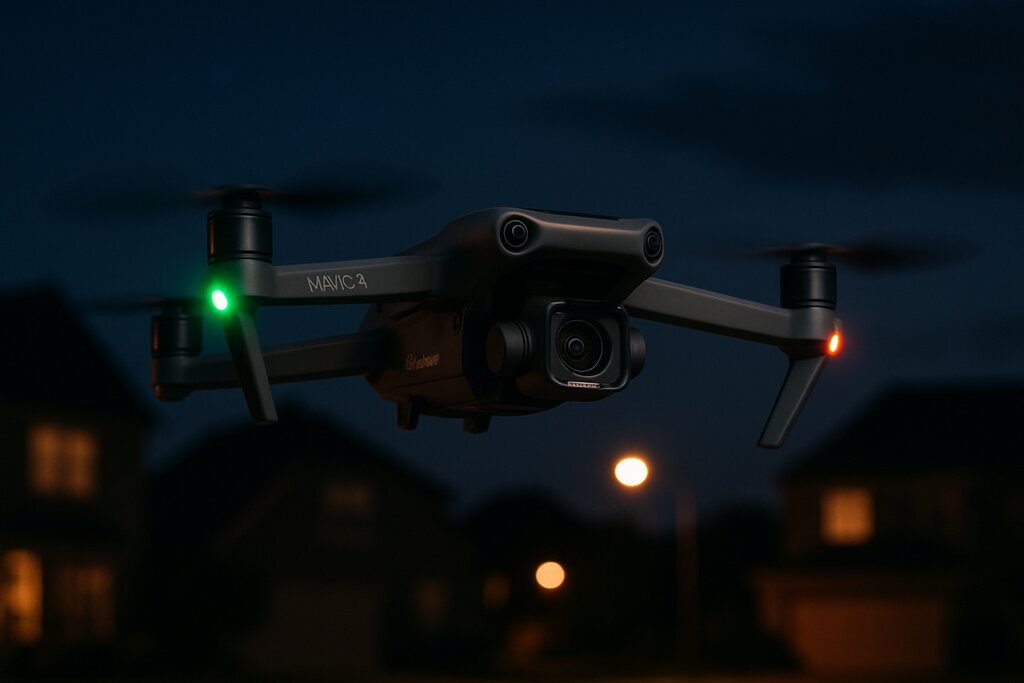
Can you fly a drone at night? DJI Mavic 3 hovering over residential street with LED lights visible

Flying a drone at night opens up a new world of possibilities for aerial photography, surveying, security, and creative cinematography. But many drone operators often ask the same crucial question: can you fly a drone at night? In this comprehensive guide, we’ll explore everything you need to know about night flights in Australia, from CASA regulations to technological capabilities, safety procedures, and more.

Flying Drones at Night in Australia – Rules Explained

First things first, can you fly a drone at night in Australia? The answer is yes — but only under specific conditions. According to the Civil Aviation Safety Authority (CASA), flying a drone at night is legal only if you are operating under a Remote Operator’s Certificate (OC) and the flight is conducted by a person with a valid Remote Pilot Licence (RePL). Recreational night flights are not permitted under standard rules, meaning you cannot fly a drone at night for fun unless you’ve obtained special permission. So, if you’re wondering “can you fly drones at night recreationally?” — the short answer is no, unless you have specific CASA approval or are flying under a certified organisation like ours, Flying Glass, who can conduct night operations for film, TV, or commercial projects.

Drone Night Flying with Flying Glass

At Flying Glass, our licensed operators and certified operations allow us to conduct drone night flying under CASA regulations. We are fully equipped for drone night flights whether it’s over cityscapes, remote bushland, or industrial sites. If you don’t have permission to conduct a night flight but need specific footage, we can handle the shoot for you and ensure compliance with all Australian airspace laws.

Night Flying a Drone in a Residential Neighbourhood?

One of the most frequently asked questions is, “Is night flying a drone in a residential neighbourhood allowed?” The same CASA rules apply — if you’re flying for commercial purposes and you have approval, then yes, you may conduct such flights. However, you must adhere to noise restrictions, maintain visual line of sight with the help of spotters or lighting, and avoid overflying people and private property without consent.

Do Drones Have Night Mode?

Yes, many drones today, particularly those from DJI, come equipped with a form of night mode or low-light optimisation. This enhances camera sensitivity in darker conditions, which is vital for safe navigation and capturing usable footage. These features make drone night flight safer and more effective, but they do not replace the need for CASA authorisation in Australia.

Does DJI Drone Work at Night?

Does DJI drone work at night? Absolutely. Most DJI models are designed with low-light sensors, bright status LEDs, and GPS stabilisation. However, obstacle avoidance sensors may not function reliably in total darkness, which can affect the drone’s autonomy and safety. For example, models like the DJI Mavic 3 Cine and Inspire 3 are commonly used for flying drone at night in professional settings because of their excellent camera performance and lighting features.

Can I Fly My DJI FPV Drone at Night?

Can I fly my DJI FPV drone at night? Only if you’re a licensed operator flying under an OC and have received night flight approval. FPV drones pose additional challenges, such as requiring a spotter to maintain line of sight. At Flying Glass, we’re experienced in both traditional and FPV night operations, with systems tailored for high-end film and TV shoots.

What Does the Green Light on a Drone at Night Mean?

What does the green light on a drone at night mean? The green LED typically indicates the drone’s orientation, often showing the starboard (right) side of the drone. Red is used for port (left), and white or blinking lights help identify the drone’s rear or front depending on the model. These lights are crucial for navigation and maintaining visibility during drone night flying.

How Far Can a Drone See at Night?

How far can a drone see at night? It depends on the drone’s camera and lighting systems. Most consumer-grade drones with standard cameras can see a few hundred metres with low-light sensors, but visibility drops significantly without ambient lighting. Industrial drones or those with thermal or infrared capabilities can see much farther. At Flying Glass, we use top-tier equipment with night vision and IR options where necessary, ensuring sharp, cinematic shots even in darkness.

Can you fly a drone at night? DJI Mavic 3 hovering over residential street with LED lights visible

Training to Fly a Drone at Night

If you want to learn how to fly drone at night legally and safely, consider enrolling in a certified training program. Our partners at SkyMedia Training offer CASA-approved Remote Pilot Licence (RePL) courses, providing essential knowledge about airspace, risk management, and night flying protocols. This training is the first step towards becoming a professional operator capable of flying drone at night.

Why Use Flying Glass for Your Drone Night Sky Needs?

Drone night sky footage requires more than just skill — it demands experience, high-end gear, and proper authorisations. At Flying Glass, we deliver all three. Our pilots hold RePLs and we operate under a CASA-certified OC, making us eligible to perform night operations anywhere in Australia where flight permissions can be granted. Whether it’s filming a quiet coastal town at midnight, capturing a glowing city skyline, or flying above an industrial site during off-peak hours, our team has the gear and the know-how to handle it all. If you need night footage but don’t meet CASA requirements, let us do the shoot for you.

Summary: Can You Fly a Drone at Night in Australia?

  • Can you fly a drone at night in Australia? Yes — with an OC and RePL.
  • Can you fly drones at night recreationally? No, unless you obtain CASA approval.
  • Fly a drone at night only if you meet legal, safety, and technical requirements.
  • Do drones have night mode? Yes, many modern drones do, especially DJI models.
  • Need help? Flying Glass can do the job for you — fully legal, insured, and experienced.
  • What are those mysterious drone orbs I’m seeing at night?  Probably just a drone!

Get in touch with us today to discuss your night drone project or to enrol in a training course that helps you get started with legal night operations.

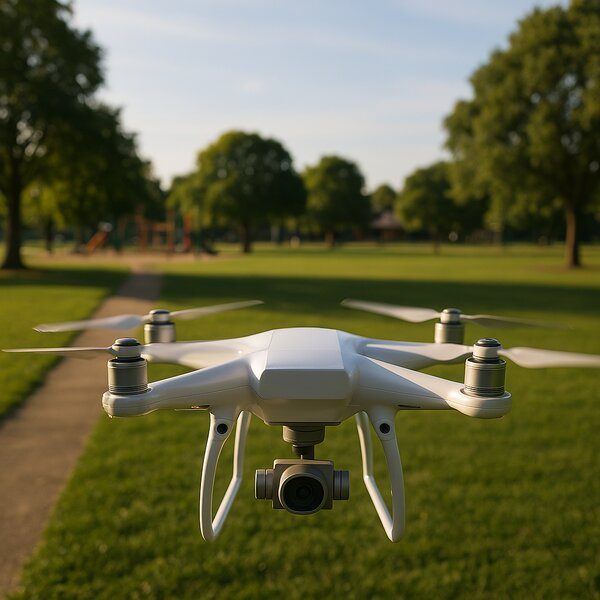
Can I fly a drone in a park – white quadcopter hovering in an Australian public park

Whether you’re a hobbyist pilot or simply curious about drone regulations in your area, one of the most common questions is: can I fly a drone in a park? In this comprehensive guide, we’ll break down the rules around drone usage in public spaces, including local ovals, parks, and school grounds in Australia. We’ll also clarify what’s allowed, what to avoid, and how to stay compliant while enjoying recreational drone flying.

Understanding CASA Regulations

In Australia, the Civil Aviation Safety Authority (CASA) regulates drone usage. These rules apply to all drone operators, whether recreational or commercial. Before you lift off in a public space, it’s important to understand the standard operating conditions:

  • Your drone must be under 2 kg if flying recreationally without a Remote Pilot Licence (RePL).
  • You must fly in visual line-of-sight at all times.
  • You cannot fly higher than 120 metres above ground level.
  • Stay at least 30 metres away from people not involved in the flight.
  • No flying over or near emergency operations, sporting events, or populated areas.

These regulations are general guidelines, but specific areas like public parks may have additional restrictions depending on local council rules.

Can I Fly a Drone in a Public Park?

If you’ve ever asked, can I fly a drone in a public park?, the answer is: it depends on the location and who manages the park. In most cases, flying a drone in your local park is allowed if you follow CASA rules. However, many councils and park management authorities have their own drone policies. To avoid fines or complaints, it’s best to check your local council’s website or call them directly. Some councils require permission, especially for larger drones or where other people are present. Others allow recreational drone flying with no additional permits, provided you follow the standard drone rules.

Drone Parks and Designated Flying Areas

The term drone park is sometimes used to refer to designated areas where drones are explicitly allowed. These are often located within model aircraft clubs or areas set aside by councils to promote safe drone flying. While not every city or town has an official drone park, it’s worth checking whether there’s a designated area near you. Flying in approved drone parks gives you peace of mind and may even connect you with other drone enthusiasts.

Can I Fly My Drone at a Park That Is Not Populated?

Even if the park is empty, the same CASA rules apply. While you may not risk collisions with people, you still need to maintain visual line-of-sight and stay under 120 metres high. If the space is truly isolated, it may offer a perfect environment to practise flying or capture some scenic footage, assuming the local council allows it.

Can I Fly a Drone in a Local Oval?

Flying a drone in a local oval can seem like a good idea, especially when it’s not in use. However, most ovals are managed by councils or schools. If it’s a school oval, even if used out of hours, you technically need permission from the school or department of education. For council-managed ovals, the same rule applies: check your local drone policy. Some ovals double as public parks and may fall under general park guidelines.

Can I Fly a Drone in a School Ground After Hours?

This is a grey area. School grounds are not public property and are managed by educational departments or private operators. Even outside of school hours, flying a drone without permission is considered trespassing and may be illegal. While you might not be stopped immediately, doing so risks penalties and could lead to police involvement.

National Parks Are a No-Go (Mostly)

Flying in national parks is generally prohibited unless you’ve obtained specific permission. You can read more about this in our national parks drone guide. This article, however, focuses on local and public areas like neighbourhood parks and ovals, where the rules can be more lenient — or more confusing.

Tips to Stay Compliant When Flying in a Park

  • Fly early in the morning or at quiet times to minimise risk of bothering others.
  • Keep your drone under control at all times. Sudden gusts or GPS errors can lead to accidents.
  • Always carry your drone’s serial number and proof of ownership. Some councils may request it if questioned.
  • Respect birds, wildlife, dogs, and children — even if the area is legally flyable, it doesn’t mean it’s appropriate.
  • If a sign says “No Drones”, don’t fly — even if CASA rules would otherwise permit it.

Can I fly a drone in a park – white quadcopter hovering in an Australian public park

What If I Want to Fly Commercially in a Park?

If you’re looking to fly for commercial purposes — for instance, real estate footage, promotional content, or business use — you’ll need a Remote Pilot Licence (RePL). You may also need approval from the council and landowners, and if you’re operating under an Operator’s Certificate (OC), mission planning and flight approvals are essential.

Drone Training: Know the Rules, Fly with Confidence

If you love drones and want to understand the legal and technical side of flying, we offer fully accredited Remote Pilot Licence (RePL) training. This opens the door to flying commercially, earning income from drone operations, and understanding exactly where and how to fly legally in complex areas like parks, schools, and commercial zones.

Summary: Can You Fly a Drone in a Park?

So, can you fly a drone in a park? Yes — but it depends. While many local parks allow recreational drone use, local council rules vary. Oval use and school grounds are typically off-limits without direct permission. Your safest bet is to:

  • Check local council policies
  • Fly during quiet times
  • Follow CASA standard rules
  • Keep your drone away from people and property

With the right approach and local knowledge, you can enjoy flying your drone safely and legally across many parks in Australia.

Drone training RePL CASA course operator REOC Sydney

Dreaming of becoming a professional drone pilot?
Drone training is your essential first step — and at Flying Glass, we know exactly what it takes to succeed.

We don’t just fly drones commercially; we also train the next generation of pilots through our sister company, SkyMedia Training — a fully CASA-certified drone training school based right here in Australia.

Whether you’re chasing your first Remote Pilot Licence (RePL) or looking to upgrade your skills for more advanced operations, we’ll guide you from your very first take-off to full professional certification.

Here’s everything you need to know about drone training — and why SkyMedia Training is the smart choice for your journey into Australia’s booming drone industry.


Why Drone Training Matters in Australia

The days of casually flying drones for work without certification are long gone.
Australia has some of the world’s most progressive — and strict — drone regulations under CASA (Civil Aviation Safety Authority).

If you want to operate drones commercially, you must:

  • Hold a valid Remote Pilot Licence (RePL).
  • Operate under a Remote Operator Certificate (ReOC), or fly for a business that holds one.
  • Understand airspace rules, risk management, and aviation law.

Proper drone training ensures:

  • Safety: Protect people, property, and yourself.
  • Compliance: Stay legal and avoid huge fines.
  • Opportunities: Unlock work in film, construction, surveying, agriculture, and more.
  • Confidence: Fly professionally, knowing you’re trained to the highest standards.

That’s why choosing the right training provider is critical.


Introducing SkyMedia Training: CASA-Certified Excellence

SkyMedia Training is the official training arm of Flying Glass, offering professional drone courses certified by CASA.
Every course is built around real-world operations — not just theory.

Our instructors aren’t just teachers — they’re active commercial drone pilots, working across industries from film to inspection to emergency response.

SkyMedia Training is proud to offer:

  • CASA-approved RePL training.
  • Flexible course formats (full-time, part-time, corporate packages).
  • Hands-on flying sessions with the latest drones.
  • Personalised support from first flight to final assessment.

When you learn with SkyMedia, you don’t just pass a test — you become part of Australia’s professional drone community.


What Drone Courses Are Available?

SkyMedia Training offers a range of drone courses designed to suit different goals, from complete beginners to experienced flyers looking to upgrade their capabilities.

Here’s a breakdown of the main courses available:

Remote Pilot Licence (RePL) Sub-7kg Multirotor Upgrade

Already flying under the excluded category (sub-2kg) but want to unlock more opportunities?

Course Highlights:

  • Quick upgrade to full RePL for drones up to 7kg.
  • Recognises your existing experience.
  • Focuses on extending your operational permissions.

Who it’s for:
Experienced recreational or excluded category flyers looking to move into the full commercial space.

Learn more here: RePL Sub-7kg Upgrade


Aeronautical Radio Operator Certificate (AROC)

Professional drone pilots often need to communicate with air traffic control — especially in controlled airspace.

Course Highlights:

  • Covers radio procedures, phraseology, and communication protocols.
  • Practical radio use training.
  • CASA AROC issued on successful completion.

Who it’s for:
Drone pilots wanting to operate safely and legally near airports, helipads, and controlled zones.

Learn more here: AROC Course


Custom Corporate Drone Training

Have a team that needs drone training?
SkyMedia offers tailored corporate packages for businesses.

Industries served:

  • Construction and infrastructure
  • Real estate and property
  • Mining and agriculture
  • Government agencies
  • Emergency services
  • Film & TV

Training can be customised for your team’s experience level, drone types, and operational needs.

Learn more here: Corporate Drone Training


Why Train with SkyMedia Training?

Here’s why Flying Glass proudly recommends SkyMedia for all drone training needs:

CASA-Approved

SkyMedia Training is a CASA-certified RePL training provider.
All certifications issued are recognised nationwide.

Experienced Instructors

Our instructors aren’t just textbook trainers. They are:

  • Active commercial drone pilots.
  • Experienced in film, construction, agriculture, surveying, and inspection industries.
  • Focused on making you “job ready” — not just “exam ready.”

Small Class Sizes

SkyMedia keeps class sizes small to maximise:

  • Flying time.
  • One-on-one instruction.
  • Personalised support.

You’ll never feel like just a number.

Practical, Real-World Skills

Our courses focus on:

  • Real flight experience.
  • Real mission planning.
  • Real operational risk management.

Because real success comes from real preparation.

Flexible Learning Options

Study full-time, part-time, or arrange corporate sessions at your site.

SkyMedia makes it easy to fit professional drone training into your life and business.


Where Are Courses Held?

SkyMedia runs drone training across New South Wales and other locations around Australia.

Common training hubs include:

Can’t find a location near you?
Ask us about on-site training — we can come to you for group sessions.


What Happens After You Complete Your Drone Training?

Graduating from SkyMedia Training is just the beginning.

You’ll leave with:

  • Your CASA RePL (Remote Pilot Licence)
  • AROC (Aeronautical Radio Operator Certificate)
  • Real-world flying skills and confidence

Plus, as part of the Flying Glass and SkyMedia network, you’ll have access to:

  • Professional drone operation advice
  • Equipment recommendations (including discounts through our authorised DJI reseller status)
  • Ongoing mentoring opportunities
  • Consultancy services if you decide to launch your own drone business

We’re with you for the long haul.

Drone training RePL CASA course operator REOC Sydney


Careers You Can Pursue After Drone Training

Drone pilots are in demand across Australia. After getting certified, you could work in:

  • Film and TV production
  • Real estate marketing
  • Tourism and travel media
  • Construction and infrastructure
  • Mining and resources
  • Surveying and mapping
  • Environmental monitoring
  • Agriculture and precision farming
  • Public safety and emergency services
  • Even archaeology!

The sky isn’t the limit — it’s just the beginning.


How Flying Glass and SkyMedia Training Work Together

Flying Glass and SkyMedia Training are two sides of the same coin.

  • SkyMedia Training gives you the skills and certifications.
  • Flying Glass shows you what’s possible with those skills — through our real-world commercial operations in Sydney and beyond.

Together, we bridge the gap between training and professional success.

Many SkyMedia graduates go on to work with or alongside Flying Glass, capturing some of the most incredible aerial footage Australia has to offer.

If you’re serious about turning a passion for drones into a career, there’s no better place to start.


Ready to Start Your Drone Training Journey?

Your future as a professional drone pilot is just one step away.

Whether you’re looking to change careers, add drone operations to your business, or simply turn a hobby into something more, SkyMedia Training and Flying Glass are here to help.

Enrol today in a SkyMedia drone training course and get your career off the ground — literally.

Visit SkyMedia Training’s Drone Courses to learn more, or contact Flying Glass if you have questions about what course is best for you.

Let’s make it happen.

drone licence RPA license RePL REOC CASA Australia

Drones have revolutionised industries like film, agriculture, real estate, and infrastructure, but navigating the rules and regulations surrounding drone operations is critical to ensuring safe and legal flights. One of the most important steps to take if you’re serious about flying drones commercially in Australia is to obtain your drone licence (Remote Pilot Licence or RePL). This certification not only ensures that you’re flying safely but also opens up a wide range of professional opportunities that would otherwise be out of reach. At Flying Glass, we specialise in training drone pilots through our drone school, where we offer flexible RePL courses tailored for individuals and organisations, including government bodies and councils. Whether you’re looking to upskill your team or get certified yourself, we provide expert training and comprehensive guidance to help you navigate the process of becoming a licensed drone pilot.


What is a Drone Licence (RePL) in Australia?

In Australia, a drone licence refers to the Remote Pilot Licence (RePL), which is issued by the Civil Aviation Safety Authority (CASA). This certification allows drone operators to fly remotely piloted aircraft (RPA) weighing more than 2 kg for commercial purposes. Essentially, if you’re being paid to fly a drone, you need an RePL to ensure that you’re operating safely and within the confines of the law. The RePL covers important aspects of drone operations, including:

  • Flight theory (understanding aviation regulations, meteorology, and navigation)
  • Practical flying (handling the drone in various conditions)
  • Emergency procedures (how to respond to unforeseen circumstances)

Our courses at Flying Glass cover all of these areas in-depth, ensuring that every pilot leaves our school with the confidence and skills they need to operate safely and effectively.


Flying Glass Drone School: Learn From the Experts

Flying Glass is not just an industry leader in drone cinematography—we’re also a CASA-certified training provider offering RePL courses that set you up for success. Our drone school offers comprehensive training that covers both theoretical knowledge and practical flying skills. We understand that every pilot has different needs, which is why we offer flexible course options. Whether you’re an individual looking to start a career in drone operations or an organisation seeking to upskill your team, we provide bespoke training solutions to meet your goals.

Training for Organisations and Government Bodies

In addition to our standard RePL courses, Flying Glass also offers tailored drone licence training for organisations, including councils and government bodies. We understand that these entities often need a customised approach, which is why we offer on-site training where we come to you. These bespoke courses are designed to meet the specific needs of your organisation, whether it’s for infrastructure inspections, environmental monitoring, or emergency response. This hands-on training ensures that your team is not only equipped with a drone licence but also the skills necessary to perform complex operations in real-world environments. With years of experience working on high-profile projects, Flying Glass brings unparalleled expertise to every training session.


What Can You Do With a Drone Licence?

A drone licence opens up a world of possibilities. With an RePL, you can operate drones for a variety of commercial purposes, from aerial photography and cinematography to agricultural mapping, surveying, and infrastructure inspections. The licence allows you to fly larger drones, undertake more complex missions, and potentially work on high-paying projects that require a professional-level operator. Some of the key benefits of holding an RePL include:

  • The ability to fly drones weighing more than 2 kg commercially
  • Permission to operate in controlled airspace (with CASA approval)
  • Enhanced career opportunities in industries such as film, real estate, agriculture, and infrastructure
  • The ability to apply for additional endorsements, such as night operations or flying in controlled airspace

Without a drone licence, you’re restricted to flying for recreational purposes only, and there are limitations on the weight of the drone and where you can legally operate it. Having an RePL not only removes these limitations but also positions you as a professional in the growing drone industry.


What Can’t You Do Without a Drone Licence?

If you’re operating a drone without a drone licence, you’re limited to flying for recreational purposes only. CASA’s regulations restrict unlicensed operators in the following ways:

  • You cannot fly drones weighing more than 2 kg for commercial purposes
  • You are prohibited from flying in controlled airspace (e.g., near airports)
  • You cannot accept payment for drone operations
  • You are restricted to operating in specific areas and must avoid populous areas, emergency situations, and certain airspace

These limitations are put in place to protect public safety, as unlicensed operators may not have the necessary knowledge to safely navigate complex environments. Flying Glass is dedicated to helping operators understand what they can and can’t do without a licence and how obtaining an RePL can significantly expand their opportunities.


The Role of a Remote Operator’s Certificate (ReOC)

While an RePL allows an individual to fly drones commercially, organisations that wish to operate drones for profit need to obtain a Remote Operator’s Certificate (ReOC). The ReOC is issued to companies, allowing them to legally conduct drone operations for commercial purposes. In addition, organisations holding an ReOC must designate a chief pilot, who is responsible for overseeing the safety and legality of all drone operations within the company. At Flying Glass, we provide consultancy services for businesses looking to apply for an ReOC. This process involves preparing comprehensive documentation, including an operations manual that outlines safety protocols, flight procedures, and emergency responses. Our team of experts will guide you through the process of obtaining your ReOC and ensure that your business is set up for success.

drone licence RPA license RePL REOC CASA Australia


Why You Need a Chief Pilot for ReOC Operations

For businesses holding an ReOC, appointing a chief pilot is a crucial requirement. The chief pilot is responsible for overseeing the safety and compliance of all drone operations within the organisation, ensuring that every flight is conducted according to CASA regulations. A qualified chief pilot must have extensive experience and hold an RePL, along with additional training that equips them to manage multiple pilots, complex operations, and ensure compliance with CASA’s stringent regulations. At Flying Glass, we offer consultancy services to help businesses find and train their chief pilots, ensuring that your operations are always in safe hands.


Drone Licences Outside of Australia

While this post focuses primarily on the drone licence requirements in Australia, it’s worth noting that different countries have their own licensing requirements. If you plan to operate drones internationally, you may need to obtain additional licences or permissions depending on the country. For example, in the United States, commercial drone operators must obtain a Part 107 licence from the Federal Aviation Administration (FAA). In the UK, the CAA mandates UK drone laws. Similarly, many European countries require drone pilots to obtain certifications that align with the European Union Aviation Safety Agency (EASA) regulations. If you’re planning to operate drones outside of Australia, Flying Glass can help you understand the requirements and ensure you’re compliant with international regulations.


Conclusion: Get Your Drone Licence with Flying Glass

Obtaining a drone licence is the first step towards unlocking the full potential of drone operations, whether for individual use or within a business. At Flying Glass, our RePL training courses provide you with the knowledge and skills needed to become a certified drone pilot, allowing you to fly legally and safely in Australia. We also offer consultancy services for businesses looking to obtain an ReOC or appoint a chief pilot, ensuring that your organisation is fully compliant with CASA regulations. Contact us today to learn more about our drone licence training programs, organisational courses, and consultancy services, and take the next step in your drone career.

How to Pilot a Drone Safely and Legally Beginners Guide to Flying

Drones have become an incredibly popular hobby, offering people the chance to explore the skies, capture stunning aerial photos and videos, and even participate in racing. If you’re new to flying drones, it can feel overwhelming at first, but don’t worry. This guide will walk you through the basics of piloting a drone, from learning the controls to understanding the legal rules you need to follow in Australia. By the end of this post, you’ll have a solid understanding of how to safely pilot drone and make the most out of your new flying hobby.


Step 1: Getting Started – Choosing the Right Drone

Before you start flying, the first step is choosing the right drone for your needs. Drones come in various sizes and with different levels of complexity, so it’s important to pick one that suits your skill level.

Beginner Drones to Consider:

  • DJI Mini 2: Lightweight, easy to fly, and doesn’t require a drone licence for recreational use in Australia.
  • Ryze Tello: A budget-friendly option perfect for indoor practice and beginners who want to learn the basics.
  • Holy Stone HS720: A great entry-level drone that offers more advanced features like GPS positioning and a high-quality camera.

As a beginner, it’s best to start with a drone that is easy to control and has built-in stabilisation features, helping you get a feel for flying before moving on to more advanced models.


Step 2: Understanding the Basic Controls

Now that you’ve got your drone, it’s time to learn the controls. While different drones may have slightly varied layouts, most drone controllers have the same basic functions. Here’s a breakdown of the main controls you’ll use to pilot drone:

1. Left Stick – Throttle and Yaw

  • Throttle: Moving the left stick up and down controls the altitude of your drone. Push the stick up to make the drone ascend, and pull it down to descend.
  • Yaw: Moving the left stick left or right rotates the drone on its axis. This is useful for changing the direction your drone is facing without moving forward or backward.

2. Right Stick – Pitch and Roll

  • Pitch: Moving the right stick up or down tilts the drone forward or backward, allowing it to move in those directions.
  • Roll: Moving the right stick left or right makes the drone move horizontally in those directions.

3. Trim Controls

These are smaller controls that help you fine-tune the drone’s balance. Use the trim to adjust if your drone is drifting to one side or not hovering steadily.


Step 3: Learning to Fly – Basic Techniques for Beginners

Before you take your drone to the skies, it’s important to practice the basics. Start by flying in an open, obstacle-free area like a park or large field. Here are some beginner flying techniques to get you started:

1. Hovering

Hovering is one of the first skills to master as a pilot drone. Practice keeping the drone steady in the air without moving in any direction. This will help you understand how the controls affect the drone’s balance and stability.

2. Takeoff and Landing

Once you’re comfortable hovering, practice smooth takeoffs and landings. Gradually increase the throttle to lift the drone off the ground, and reduce the throttle slowly to bring it back down. Proper takeoff and landing are key to avoiding crashes and keeping your drone in good condition.

3. Basic Maneuvers

After mastering hovering, try some basic movements like flying forward, backward, and side-to-side using the pitch and roll controls. Practice changing directions and rotating the drone (yaw) while keeping it steady in the air.

4. Flying in a Square Pattern

A good exercise for beginners is to fly the drone in a square pattern. This will help you get used to using both the throttle and pitch controls together while maintaining control over the drone.


Step 4: Legal Considerations for Recreational Pilot Drone in Australia

As fun as flying a drone is, it’s essential to be aware of the legal requirements that apply to recreational pilot drone in Australia. The Civil Aviation Safety Authority (CASA) governs the use of drones, and there are specific rules you must follow to fly safely and legally.

Key Legal Requirements:

  • Altitude Limit: Drones must not fly higher than 120 metres (400 feet) above ground level.
  • Visual Line of Sight (VLOS): You must keep your drone within your visual line of sight at all times. This means being able to see the drone with your own eyes (not through a screen or camera).
  • No Flying Near People: Keep your drone at least 30 metres away from people who are not involved in the operation.
  • No-Fly Zones: Avoid flying in restricted areas, such as near airports, emergency operations, or over crowded areas. You can check CASA’s Can I Fly There? app to find out where it’s safe to fly.
  • No Commercial Use: If you’re flying for fun, you don’t need a licence, but if you want to operate a drone commercially, you’ll need to get a Remote Pilot Licence (RePL).

Step 5: Safety Tips for Beginner Pilot Drone

Flying a drone comes with responsibilities, especially when it comes to safety. Here are some essential safety tips for beginner pilot drone:

1. Check the Weather Before Flying

Windy conditions can make it difficult to control your drone, especially if you’re flying a lightweight model. Avoid flying in strong winds, rain, or fog, as these conditions can affect your drone’s performance.

2. Fly in Open Spaces

For your first flights, choose a location that is free from obstacles like trees, power lines, or buildings. This will give you more room to maneuver and reduce the risk of crashing.

3. Keep an Eye on Battery Life

Drones have limited battery life, typically lasting 15-30 minutes per flight. Keep an eye on your drone’s battery level and make sure to land before it runs out. Many drones have built-in alerts that warn you when the battery is running low.

4. Always Follow the Drone’s Flight Path

Avoid flying your drone beyond your line of sight or into areas where you can’t see its exact position. Flying blind can result in crashes or loss of control, especially in unfamiliar areas.

5. Be Aware of Surroundings

Even in open spaces, it’s important to stay aware of your surroundings. Watch out for other people, animals, and objects that could interfere with your flight or cause accidents.


Step 6: Drone Maintenance – Keeping Your Drone in Top Shape

To get the most out of your drone, regular maintenance is essential. Keeping your drone in good condition not only ensures longer flight times but also helps prevent unexpected issues in the air.

1. Clean the Propellers and Motors

After each flight, check your drone’s propellers and motors for dust, dirt, or debris. Gently clean the propellers using a soft brush or cloth. If the motors have accumulated dirt, use compressed air to clean them out.

2. Check the Battery

Inspect your drone’s battery before and after each flight. Make sure it’s fully charged before flying and avoid overcharging it, as this can shorten its lifespan. Store the battery in a cool, dry place when not in use.

How to Pilot a Drone Safely and Legally Beginners Guide to Flying

3. Inspect the Frame

Check your drone’s frame for any cracks or damage, especially after a rough landing. Repair or replace any damaged parts before your next flight to prevent further issues.

4. Firmware Updates

Manufacturers regularly release firmware updates that improve your drone’s performance and add new features. Make sure to keep your drone’s firmware up to date to ensure smooth and safe flying.


Conclusion: Take Flight and Enjoy the Skies

Flying a drone for the first time can be an exciting experience, offering you a whole new perspective on the world. By following the steps outlined in this guide, you’ll be well on your way to safely and confidently piloting your drone. Remember to practice regularly, fly within the legal limits, and always put safety first. At Flying Glass, we offer expert advice and services for those looking to take their drone skills to the next level. Whether you’re a beginner looking to upgrade or an experienced pilot drone seeking professional opportunities, our team can help. Be sure to check out our showreel to see what’s possible with advanced drone operation, and contact us for any inquiries about professional drone services.