Australian Drone Laws

Stay up-to-date with Australian drone laws and regulations. Learn how to fly legally and safely with expert insights and the latest CASA guidelines.

Australia’s drone laws are among the most comprehensive in the world, ensuring both the safety of the public and the responsible use of airspace. The Civil Aviation Safety Authority (CASA) oversees these regulations, and they apply to both recreational and commercial drone pilots. Whether you’re flying for fun or for business, it’s crucial to understand your legal obligations under Australian law.

Recreational vs. Commercial Flying

For recreational pilots, you must follow basic safety rules, such as keeping your drone within line of sight and not flying higher than 120 metres. You also need to avoid flying within 5.5 kilometres of controlled airports and never fly over people or populous areas such as beaches or sports events.

For commercial operators, the rules are stricter, and you are required to have a Remote Pilot Licence (RePL) and possibly an Operator’s Certificate (REOC) depending on your operations. Commercial flights often involve greater responsibility, including risk management and flight planning, and the penalties for non-compliance can be severe, including fines and legal repercussions.

Recent Changes in Drone Laws

Over time, CASA has made several updates to drone laws in response to technological advancements and the growing number of drones in Australian skies. It’s important to stay current with these regulations, as they frequently change. For example, CASA introduced the mandatory registration of drones weighing more than 250 grams for both commercial and recreational use. Additionally, all operators are required to obtain an Aviation Reference Number (ARN) as part of their registration process.

What Happens If You Violate Drone Laws?

Failure to comply with Australian drone laws can result in fines and legal action. CASA has the authority to impose penalties for dangerous or illegal drone activity, and with the increasing use of technology such as drone detection systems, it’s easier than ever for authorities to identify non-compliant pilots.

At Flying Glass, we make sure that you’re not just flying with creativity but also with responsibility. Our drone training courses ensure you’re fully equipped with the knowledge to fly legally, minimising risks while maximising opportunities.

drone rules under 250g australia

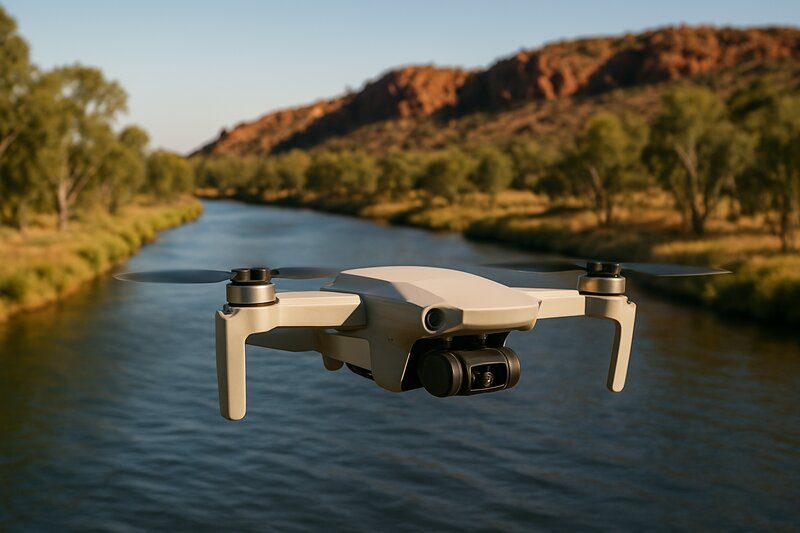
Flying drones under 250g in Australia offers exciting opportunities — but you still need to know the rules. While sub-250g drones like the DJI Mini 4 Pro and DJI Mini 3 avoid some registration and licensing requirements, there are still important laws you must follow.

At Flying Glass, we specialise in helping individuals and businesses understand drone rules under 250g Australia. We offer consultancy services if you’re trying to undertake complex drone operations. Or better yet, why not get Flying Glass to handle the job for you legally and professionally? This complete 2025 guide fully explains drone rules under 250g Australia and how you can fly confidently and legally across Australia.


What Are Drones Under 250g?

Drones under 250g are lightweight aircraft that often fall into the “excluded category” under CASA regulations. Popular models under drone rules under 250g Australia include:

  • DJI Mini 4 Pro
  • DJI Mini 3 Pro
  • DJI Mini 3
  • DJI Mini SE
  • BetaFPV Pavo25 (FPV)
  • Autel EVO Nano+

Thanks to their low weight, these drones face fewer restrictions – but that doesn’t mean you can fly them anywhere or do anything you want under drone rules under 250g Australia.


Drone Rules Under 250g Australia

Registration Rules

  • Drones under 250g for recreational use do NOT need to be registered with CASA.
  • Drones under 250g for commercial use DO need registration with CASA ($40 every 12 months).

Licencing Rules

  • Recreational flyers using sub-250g drones don’t need a Remote Pilot Licence (RePL).
  • Commercial flyers may not need a RePL if operating under the “excluded category”. However, you must notify CASA of your intended operations.
  • Complex or higher-risk operations (flying near people, near aerodromes, beyond visual line of sight) require additional approvals.

Flying Glass offers consultancy services if you’re unsure whether your operation needs special permissions — or we can fly legally on your behalf.

Operating Rules

Even if your drone weighs under 250g, you must still follow the standard drone safety rules:

  • Fly only in visual line of sight.
  • Fly below 120 metres (400 feet) above ground level.
  • Keep 30 metres away from people not involved in the operation.
  • Don’t fly over crowds, beaches, or heavily populated areas.
  • No flying within 5.5km of a controlled aerodrome without approval.
  • Don’t fly at night unless you meet CASA night flying requirements.
  • Respect privacy and avoid recording people without consent.

For a full list of CASA’s rules, see the official drone safety rules.


What Can You Do With a Drone Under 250g?

Recreational Use

  • Capture stunning landscapes.
  • Record travel videos.
  • Practice FPV skills safely.

Commercial Use

  • Real estate photography.
  • Social media content creation.
  • Aerial shots for websites or promotions.
  • Inspections of low-risk sites.

Note: Commercial work may still require insurance even if operating under the excluded category. Flying Glass can assist with both consultancy services and direct drone operations across Australia.


Advantages of Flying a Drone Under 250g

  • Easier to fly legally with fewer administrative burdens.
  • More flexible operation zones compared to heavier drones.
  • Portability: Easy to travel with.
  • Lower risk if a crash occurs.
  • Affordable insurance premiums.

Penalties for Breaking Drone Rules in Australia

Flying without following the rules can result in:

  • Fines exceeding $1,000.
  • CASA enforcement actions.
  • Civil penalties for serious breaches.

Always fly safely — or consult Flying Glass for professional help with compliance.


Top Sub-250g Drones in Australia for 2025

DJI Mini 4 Pro

  • 4K HDR Video
  • Omnidirectional obstacle sensing
  • Excellent for beginners and pros

DJI Mini 3 Pro

  • 4K60 video
  • Vertical shooting mode
  • Great for social media creators

DJI Mini 3

  • Budget-friendly
  • Long flight time
  • Lightweight and easy to fly

DJI Mini SE

  • Entry-level drone
  • 2.7K video capture
  • Ideal first drone

Autel EVO Nano+

  • 50MP camera
  • Great low-light performance
  • Competitor to DJI Mini 4 Pro

Essential Drone Accessories for Sub-250g Drones

Batteries and Charging

  • DJI Mini 4 Pro Intelligent Flight Batteries
  • Two-Way Charging Hub

Propellers and Guards

  • DJI Mini 4 Pro Propeller Guard
  • Quick Release Folding Propellers

Cases and Bags

  • Hard Carrying Case for Mini 4 Pro
  • Waterproof Drone Backpack

ND Filters

  • DJI Mini 4 Pro ND Filter Set
  • DJI Mini 3 Pro Polarising Filter Set

Memory Cards

  • SanDisk Extreme Pro microSD (V30/UHS-3)

Landing Pads

  • Portable Foldable Drone Landing Pad

Common Complex Drone Jobs (Even Under 250g)

Some jobs, even with a sub-250g drone, may still require special permission or professional help:

  • Flying over populated events (sporting events, festivals).
  • Operating near airports.
  • Night filming.
  • Commercial filming in restricted zones.
  • Roof and infrastructure inspections.
  • Search and rescue support.

If you are unsure whether your planned job is legal, Flying Glass offers consultancy services to assist. We can:

  • Help you with CASA approvals.
  • Provide spotters and safety plans.
  • Handle the job ourselves under our professional certificates.

How Flying Glass Can Help

Flying Glass provides:

  • Drone Consultancy Services: Need approval from CASA? We can prepare the paperwork and risk assessments.
  • Professional Drone Services: Skip the hassle — hire us to legally fly on your behalf.
  • Training Services: Learn how to fly legally and safely with our SkyMedia Training.

As an authorised DJI reseller and licensed drone operator, we know how to fly by the rules — and help you do the same.
drone rules under 250g australia


Frequently Asked Questions: Drone Rules Under 250g Australia

Do I need to register a 249g drone in Australia?

Only if flying commercially. Recreational flights under 250g do not require registration.

Can I fly a 249g drone over people?

No. CASA rules still prohibit flying over people not involved in the flight.

Can I fly a 249g drone near an airport?

No, unless it’s a non-controlled aerodrome and you follow specific distance restrictions.

Can I do commercial work with a drone under 250g?

Yes, but you must register the drone and comply with all operational rules.

Is night flying allowed with a drone under 250g?

No, unless you have specific approvals and meet night operation standards.

How high can I fly a sub-250g drone in Australia?

Maximum height is 120 metres (400 feet) above ground level.

What happens if I break drone laws in Australia?

You can face fines, enforcement actions, and civil penalties.

Where can I get help if my drone job is complicated?

Contact Flying Glass for consultancy or professional services.


Final Thoughts: Fly Smart with Drone Rules Under 250g Australia

Flying a drone under 250g in Australia opens up exciting possibilities — but it’s vital to know and follow drone rules under 250g Australia. Whether you’re flying recreationally, launching a creative project, or conducting commercial work, understanding CASA regulations ensures you stay legal and safe.

If your project is complex or you’re unsure about compliance, Flying Glass offers expert consultancy services to help you obtain approvals under drone rules under 250g Australia. Or simply hire our professional drone pilots to complete your job legally and efficiently. Ready to fly smarter? Contact Flying Glass today for expert advice, drone consultancy, or professional drone operations across Australia under drone rules under 250g Australia.

Dropping, Discharging, and Dispensing Operations from a Drone

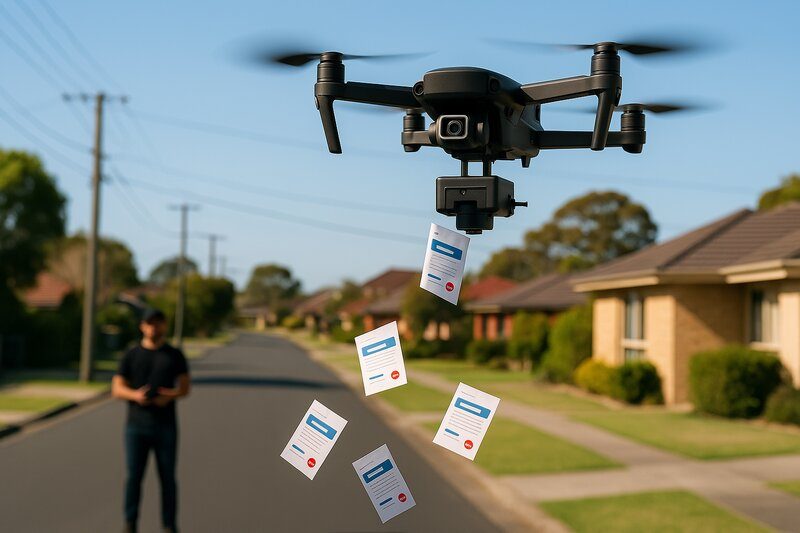
Discharging, dispensing or dropping from a drone in Australia is a serious matter — and it’s tightly regulated by CASA (Civil Aviation Safety Authority). If you’re considering dropping from a drone, whether it’s leaflets, safety gear, promotional items, or agricultural products, you must follow strict legal requirements. Flying Glass offers consultancy services to help you gain CASA approval for dropping, discharging, and dispensing operations. This guide explains everything you need to know about drone payload deployment in Australia, including rules, risks, and how to do it the right way.


Understanding Dropping, Discharging, and Dispensing from a Drone

CASA defines these activities as:

  • Dropping: Releasing an object from a drone during flight.
  • Discharging: Ejecting or spraying substances (e.g., chemicals, liquids).
  • Dispensing: Releasing any material (solid, liquid, gas) while airborne.

All these operations fall under CASR Part 138 and carry strict safety, legal, and operational requirements. Important: Without specific CASA authorisation, dropping from a drone is illegal.


CASA Rules for Dropping, Discharging, and Dispensing Operations

Australia’s dropping from a drone laws are covered under:

  • CASR Part 138 (Aerial Work Operations)

Key CASA Requirements:

  • Aerial Work Certificate: Required for most aerial work, including dropping or dispensing operations.
  • Manual of Standards (MOS) Compliance: Operators must meet MOS standards for dispensing.
  • Risk Assessment: Detailed risk assessments are mandatory.
  • Operating Procedures: Specific procedures must be included in your operations manual.
  • CASA Approval: Must be granted before conducting any dispensing flight.

Failure to comply could result in strict liability offences, with large penalties per breach.


No Exceptions: Flying Over People Requires OONP Approval

Flying a drone over or near people is never allowed under standard rules — unless you have a CASA-issued OONP exemption. OONP stands for Operations Over or Near People, and it’s one of the most tightly regulated aspects of Australian drone law. If your drone will be above any person (whether they’re involved in your operation or not), you must secure this special approval beforehand. CASA’s Part 101 rules explicitly prohibit flying over people without a specific instrument of approval and additional safety measures (such as a certified parachute system) in place. Without an OONP authorisation, even an accidental fly-over can land you in serious trouble. No loopholes exist for this rule. It doesn’t matter if the people below are inside a vehicle or under shelter — they still count. Consent doesn’t change it either; even if bystanders agree or are part of the project, the law remains the same. That means no dropping from a drone, discharging, or dispensing operations can occur over people unless you hold an OONP approval. If there are people under your drop zone (or likely to wander nearby), you are legally required to have the OONP exemption — no exceptions. In fact, CASA also bans releasing any object from a drone if it could create a hazard to another aircraft, person, or property. So if your planned drop might endanger someone below, it’s automatically off-limits without special clearance. OONP approval goes hand-in-hand with rigorous safety planning (like using parachute recovery systems on the drone) to ensure that even if something goes wrong, people remain protected. Simply put, if people are anywhere in the vicinity of your drone operation, you need CASA’s permission to fly over them — especially when you’re carrying and releasing a payload. Ready to fly safe and legal? Make sure you’re covered. Check out our comprehensive OONP guide for a deeper dive into obtaining this CASA approval. With our experience as one of Australia’s first OONP-approved operators, we’ll guide you through the process so you can conduct dropping from a drone and deliveries confidently and compliantly.


Use Cases for Dropping from a Drone

While risks are high, there are legitimate and useful reasons to deploy items from a drone.

1. Leaflet Drops

  • Promotional flyers for events.
  • Political campaign material.
  • Awareness campaigns.

Note: Even harmless paper leaflets can cause hazards (e.g., startle people, litter public spaces), requiring CASA and local council approvals.

2. Emergency Equipment Drops

  • Lifejackets, emergency kits to people stranded in remote areas.
  • First-aid supplies during search and rescue missions.

3. Agricultural Applications

  • Seeding operations.
  • Controlled chemical or pesticide dispensing (strict chemical licences required).

4. Promotional Events

  • Dropping confetti, fake snow, or other event materials.

5. Scientific and Environmental Research

  • Deploying sensors or trackers in hard-to-reach areas.

Every use case needs a tailored safety plan and appropriate CASA permission.

For commercial projects requiring a purpose-built release mechanism or specialist payload system, Flying Glass provides professional custom drone payload integration, including prototyping, fabrication, testing and operational planning.


Why Dropping from a Drone is Regulated

  • Risk to People: Even lightweight objects can cause injuries.
  • Risk to Property: Falling items can damage cars, homes, or infrastructure.
  • Airspace Safety: Uncontrolled drops could interfere with manned aircraft.
  • Environmental Protection: Chemical discharges need strict local and national controls.

CASA takes these risks seriously — which is why operations involving dropping from a drone, discharging, and dispensing are carefully monitored.


How to Legally Drop Items from a Drone

  1. Obtain an Aerial Work Certificate
  2. Create a Full Operations Manual
  3. Conduct a Risk Assessment
  4. Prepare a Dispensing Operation Plan
  5. Seek CASA Approval
  6. Obtain OONP Approval
  7. Get Local Council Approvals
  8. Supervised Flight Experience

Flying Glass can guide you through this process or perform the flight legally under our existing certifications.


Risks of Non-Compliance

Attempting to drop or dispense without CASA approval can lead to:

  • Fines of up to $10,000+.
  • Loss of RePL (Remote Pilot Licence).
  • Suspension or cancellation of ReOC (Operator’s Certificate).
  • Public liability lawsuits if injury or damage occurs.
  • Criminal charges in extreme cases.

Do not risk your business, reputation, or safety. Always work with professionals.


Drone Payload Release Systems

Payload release mechanisms are small devices attached to drones, allowing remote dropping of:

  • Packages
  • Life-saving equipment
  • Survey devices

Popular systems include:

  • Servo motor-based hooks
  • Electromagnetic payload releases
  • GPS-triggered release mechanisms

All systems must be assessed for safety and approved by CASA before operational use.

Dropping, Discharging, and Dispensing Operations from a Drone


Flying Glass Consultancy Services

Flying Glass can help you legally achieve your payload deployment goals. We offer:

  • CASA Consultancy: We prepare your applications, risk assessments, and flight plans.
  • Operations Manual Support: Craft procedures that meet CASA requirements.
  • OONP Approvals: Assistance obtaining OONP approvals for flying over or near people.
  • Payload Equipment Advice: Help sourcing approved payload release systems.
  • Professional Drone Operations: Hire us to help with your drone operation.

Ready to deploy safely? Contact Flying Glass today for expert help with CASA approvals and payload operations.


FAQs: Dropping from a Drone

Is it legal to drop something from a drone in Australia?

Only with CASA approval and strict safety protocols in place.

What approvals do I need?

You need CASA approval under Part 138 and an OONP approval if flying over people.

Can I leaflet bomb from a drone?

No, not without specific CASA and local council approvals.

What happens if I drop something illegally from my drone?

You risk major fines, licence suspension, and possible criminal charges.

How can Flying Glass help?

We provide consultancy services to help you legally plan and execute drone dropping operations.


Final Thoughts: Dropping from a Drone in Australia

Dropping, discharging, or dispensing from a drone is a powerful but highly regulated capability. Whether you’re planning a leaflet drop, an emergency equipment deployment, or an agricultural operation, you must operate legally under CASA regulations. Flying Glass offers expert CASA consultancy services to help you navigate the complexities of aerial work approvals, including OONP approvals. Or, if you prefer, we can carry out the operation for you safely and legally. Ready to deploy with confidence? Contact Flying Glass today to start your CASA approval process or book a professional drone operation.

REOC Remote Operator's Certificate Australian Drone Licence CASA

As the drone industry continues to grow in Australia, more and more businesses are seeing the value of using drones for commercial purposes. Whether it’s for aerial cinematography, inspections, mapping, or surveying, operating drones in a commercial capacity often requires more than just a standard Remote Pilot Licence (RePL). One of the most crucial certifications for any business looking to scale its drone operations is the REOC — the Remote Operator’s Certificate.

But what exactly is a REOC, and how can it help your business? In this post, we’ll break down the 10 most important things you need to know about obtaining a REOC, from the benefits it offers to the steps required to get one.


1. What Is a REOC?

The Remote Operator’s Certificate (REOC) is issued by CASA (Civil Aviation Safety Authority) and is required for businesses that wish to operate drones for commercial purposes in Australia. While individuals need a Remote Pilot Licence (RePL) to fly drones commercially, businesses need a REOC to conduct drone operations legally.

The REOC essentially allows businesses to operate under their own name, rather than relying on an external drone operator with a REOC. It is the equivalent of having an Operator’s Certificate, giving the company the authority to perform commercial drone operations, oversee flights, and manage a team of certified drone pilots.

Key Benefits of a REOC:

  • Legal authority to conduct commercial drone operations.
  • Flexibility to oversee multiple drone pilots under one organisation.
  • Ability to take on larger projects that require more complex operations, such as night flying, flying beyond visual line of sight (BVLOS), or in controlled airspace.

2. Why You Need a REOC for Commercial Drone Operations

If you’re looking to grow your drone business and expand your service offerings, obtaining a REOC is a critical step. A business without a REOC can only operate under the authority of a certified operator, which can limit your potential clients and the types of projects you can take on.

With a REOC, your business will have the legal framework to manage complex drone operations and meet the regulatory requirements set by CASA. This not only opens the door to larger, more lucrative projects, but it also boosts your credibility with potential clients.

Projects That Require a REOC Include:

  • Infrastructure inspections
  • Large-scale mapping and surveying
  • Aerial cinematography for film and TV
  • Agricultural monitoring and data collection
  • Emergency response and rescue operations

3. The REOC Application Process: What to Expect

Obtaining a REOC is not a quick process, but it is manageable with the right support and preparation. The application process involves submitting a detailed operations manual to CASA, which outlines how your business will conduct drone operations safely and in compliance with aviation regulations.

Your operations manual must include information about your standard operating procedures, risk management strategies, and how you’ll handle emergency situations. You’ll also need to demonstrate that your business has the necessary resources and qualified personnel (such as a chief pilot) to carry out safe drone operations.

Steps to Apply for a REOC:

  1. Complete and submit a REOC application form through CASA.
  2. Prepare and submit an operations manual detailing your company’s procedures.
  3. Nominate a chief pilot responsible for managing drone operations.
  4. Schedule a CASA audit to review your application and operational procedures.
  5. Receive your REOC once your application is approved.

At Flying Glass, we offer consultancy services to help businesses develop their operations manual and navigate the application process. Our experience with CASA regulations ensures that your business meets all the necessary requirements for obtaining a REOC.


4. The Role of the Chief Pilot in a REOC

One of the key requirements for obtaining a REOC is nominating a chief pilot. The chief pilot is responsible for overseeing all drone operations within the business, ensuring that flights are conducted safely and in accordance with CASA regulations.

The chief pilot must hold a valid RePL and demonstrate a thorough understanding of drone operations, risk management, and airspace regulations. They are also responsible for training new pilots, maintaining equipment, and keeping up with the latest regulatory changes.

Responsibilities of a Chief Pilot:

  • Oversee flight operations and ensure compliance with CASA regulations.
  • Train and supervise other pilots within the organisation.
  • Manage the company’s fleet of drones and ensure they are properly maintained.
  • Develop and implement risk management strategies for complex operations.

If your business does not yet have a chief pilot, Flying Glass can assist with consultancy services to help you appoint the right person or train an existing team member.


5. How to Create an Operations Manual for Your REOC

A well-constructed operations manual is one of the most critical components of the REOC application process. This document outlines how your company will conduct drone operations, ensuring safety and compliance with CASA regulations.

Your operations manual needs to cover a wide range of topics, including flight planning, risk assessments, communication procedures, emergency response plans, and maintenance schedules for your drones. CASA will review this document carefully to ensure that your business is capable of conducting safe and efficient drone operations.

What to Include in Your Operations Manual:

  • Standard Operating Procedures (SOPs) for each type of drone operation.
  • Detailed risk management strategies and hazard identification processes.
  • Emergency response plans for incidents such as equipment failure or injury.
  • Maintenance and inspection schedules for your drone fleet.
  • Communication protocols, including radio procedures and airspace awareness.

At Flying Glass, we provide consultancy services to help businesses develop their operations manuals and meet CASA’s stringent requirements. Our team has extensive experience in creating manuals that meet regulatory standards and ensure safe operations.


6. The Benefits of Holding a REOC

Holding a REOC opens up a world of opportunities for your drone business. With this certification, you can take on larger, more complex projects that require advanced drone operations. Additionally, a REOC boosts your credibility, showing clients and stakeholders that your business is fully compliant with CASA regulations.

Key Benefits of a REOC:

  • Access to larger commercial projects that require complex drone operations.
  • Flexibility to conduct night flights, BVLOS operations, and flying in controlled airspace.
  • Ability to manage multiple drone pilots under one business entity.
  • Increased credibility and trust with clients and stakeholders.
  • The ability to expand your business’s service offerings into new industries.

With a REOC, your business can grow and scale to take on more challenging and profitable projects. Whether it’s aerial cinematography, inspections, or emergency response, a REOC allows your business to operate at a higher level.


7. What Happens During a CASA Audit?

Once you’ve submitted your REOC application and operations manual, CASA will conduct an audit to ensure your business is ready to conduct drone operations safely. The audit is a comprehensive review of your procedures, documentation, and operational readiness.

During the audit, CASA inspectors will evaluate your operations manual, assess your chief pilot’s qualifications, and review your company’s safety protocols. They may also ask to observe a drone flight to ensure that your team follows proper procedures.

What to Expect During a CASA Audit:

  • A thorough review of your operations manual and safety procedures.
  • Evaluation of your risk management strategies and hazard identification processes.
  • Assessment of your chief pilot’s knowledge and qualifications.
  • An on-site inspection of your drone equipment and maintenance records.
  • A possible flight demonstration to verify operational procedures.

Flying Glass can help you prepare for your CASA audit, ensuring that your operations manual and procedures meet regulatory standards. Our team will work with you to address any potential issues before the audit, giving your business the best chance of success.


8. How Long Does It Take to Get a REOC?

The process of obtaining a REOC can take several months, depending on the complexity of your operations and the thoroughness of your application. On average, businesses can expect the entire process to take between 3 to 6 months from the initial application to receiving their REOC.

Factors That Affect the REOC Timeline:

  • The completeness and accuracy of your operations manual.
  • The qualifications and experience of your chief pilot.
  • CASA’s audit schedule and the availability of inspectors.
  • The complexity of your proposed drone operations (e.g., night flying, BVLOS).

To speed up the process, it’s essential to submit a detailed and well-prepared application. Flying Glass offers consultancy services to help streamline the application process and ensure that your business is ready for a CASA audit as soon as possible.


9. How a REOC Can Help You Win Larger Projects

Having a REOC gives your business a significant advantage when competing for larger commercial projects. Clients in industries such as construction, film, and emergency services often require operators with a REOC to ensure that drone operations are conducted legally and safely.

Additionally, a REOC allows your business to take on more complex projects, such as flying in restricted airspace, performing BVLOS operations, or conducting night flights. These types of projects often come with higher budgets and more demanding requirements, making a REOC a valuable asset for any drone business looking to grow.

REOC Remote Operator's Certificate Australian Drone Licence CASA


10. Consultancy Services to Help You Obtain a REOC

Navigating the REOC application process can be challenging, especially for businesses that are new to commercial drone operations. Fortunately, you don’t have to go through the process alone. Flying Glass offers consultancy services to help businesses develop their operations manuals, train their chief pilots, and prepare for CASA audits.

With years of experience in the drone industry, Flying Glass understands the complexities of CASA regulations and can provide tailored solutions to help your business succeed. Whether you need assistance with the application process or guidance on expanding your service offerings, our team is here to support you every step of the way.


Conclusion: The REOC Is a Game Changer for Drone Businesses

Obtaining a REOC is a crucial step for any business looking to scale its drone operations in Australia. From managing a team of pilots to conducting complex operations, a REOC gives your business the authority and credibility needed to succeed in the competitive drone industry.

By following the steps outlined in this post and working with experts like Flying Glass, you can navigate the REOC application process smoothly and position your business for long-term growth. Contact us today to learn more about how we can help you obtain a REOC and take your drone business to the next level.

Drone Flight Rules regulations rules RPA

The rise in drone usage for both recreational and professional purposes has brought about an urgent need for clear guidelines on how, where, and when these aerial devices can be operated. Understanding drone flight rules is crucial to ensure that your operations are safe, legal, and respectful of others. Whether you’re flying for fun or for work, familiarising yourself with drone flight rules will protect you from fines, legal action, and potential accidents. In this post, we’ll dive into the most important drone flight rules, helping you navigate the often complex landscape of aerial drone regulations.


Why Drone Flight Rules Are Essential

The allure of drones is undeniable. They offer a bird’s-eye view of the world, capturing stunning footage or helping to map out complex areas with ease. However, their potential to interfere with other aircraft, people, or property necessitates stringent regulations. Drone flight rules are not only in place to protect you as the operator, but also to safeguard public safety and the integrity of Australian airspace. Breaking drone flight rules can lead to significant consequences, including heavy fines, confiscation of equipment, and legal proceedings. Moreover, unsafe drone operations can result in collisions with other aircraft or harm to individuals on the ground. As drone flight becomes more mainstream, operators must remain mindful of the rules governing their operations.


Understanding Australian Drone Flight Rules

In Australia, drone flight rules are regulated by the Civil Aviation Safety Authority (CASA), which governs the use of both recreational and commercial drones. CASA’s rules ensure that drone operators fly responsibly, avoiding restricted airspace and minimising risk to the public. Below are the key drone flight rules you must follow.

1. Maximum Altitude Limit

One of the most crucial drone flight rules is the altitude restriction. Drones must not fly higher than 120 metres (400 feet) above ground level. This rule is in place to avoid interference with manned aircraft that operate at higher altitudes. Flying above this limit poses significant risks, not only to manned aircraft but also to your drone. Higher altitudes can lead to stronger winds, making it more difficult to control your drone, and can also make it harder to maintain a visual line of sight. Key Takeaway: Always keep your drone below 120 metres to comply with flight rules and avoid dangerous interactions with manned aircraft.

2. Maintain Visual Line of Sight (VLOS)

Drone flight rules require that operators maintain a visual line of sight with their drone at all times. This means you must be able to see your drone with your own eyes, without the aid of any devices like binoculars or FPV (First Person View) goggles. The rationale behind this rule is simple: if you can see your drone, you’re better equipped to avoid obstacles, monitor the drone’s behaviour, and maintain control over its flight path. Losing sight of your drone can lead to accidents or even the loss of the device. Key Takeaway: Always fly your drone where you can see it, ensuring it remains within your field of vision for the duration of the flight.


Differences Between Recreational and Commercial Drone Flight Rules

Drone flight rules differ based on whether the drone is being used for recreational or commercial purposes. Understanding these distinctions is critical for avoiding legal issues and ensuring that your flights are properly regulated.

Recreational Drone Flight Rules

For recreational users, the rules are simpler but must still be followed strictly. Recreational drones under 2kg are generally subject to fewer regulations, but the same fundamental rules—such as altitude restrictions and VLOS—apply. Recreational operators do not need a licence to fly a drone for fun, but they must adhere to these specific rules:

  • Only fly during daylight hours.
  • Keep the drone at least 30 metres away from other people.
  • Do not fly over populated areas such as beaches, parks, or events.
  • Stay clear of emergency operations, including police, firefighting, or medical activities.

Key Takeaway: Recreational drone users must still follow strict drone flight rules to ensure the safety of the public and the integrity of airspace.

Commercial Drone Flight Rules

For commercial drone pilots, the rules are stricter. Commercial operators must hold a Remote Pilot Licence (RePL) and often need additional certifications, such as a Remote Operator’s Certificate (ReOC), to operate in controlled airspace. Commercial operators can also apply for special permissions to fly in restricted areas, such as near airports or in proximity to large crowds, but these permissions require thorough risk assessments and approval from CASA. Insurance coverage is also typically required for commercial drone operations, protecting both the operator and any third parties involved in the project. Key Takeaway: Commercial drone flight rules require more stringent controls, licences, and approvals. Always check with CASA before planning a commercial drone flight.


Restricted Airspace and No-Fly Zones: Critical Drone Flight Rules

While drone flight can be an exciting way to explore the skies, it’s important to understand the rules regarding restricted airspace and no-fly zones. Certain areas are off-limits for drones, and flying in these zones without proper authorisation can lead to severe penalties.

No-Fly Zones

No-fly zones are areas where drones are prohibited from flying altogether. In Australia, no-fly zones include military installations, certain government buildings, and areas near airports. Sydney Harbour, for example, is a no-fly zone for drones due to the high volume of seaplanes and helicopters operating in the area. Drones in Brisbane CBD may also have restrictions. Additionally, drones are prohibited from flying over national parks without specific permission. This is to protect wildlife, sensitive habitats, and the natural landscape. Key Takeaway: Familiarise yourself with local no-fly zones before each flight, using CASA-approved apps like “Can I Fly There?” to check if your intended flight area is restricted.

Controlled Airspace

Controlled airspace is another key consideration for drone pilots. This refers to areas where air traffic is actively managed by air traffic controllers, typically around major airports. Special permissions are required to fly in controlled airspace, and failure to secure these permissions can result in significant fines or legal consequences. Key Takeaway: Drone flight rules in controlled airspace are stricter and require CASA approval. If you plan to fly near an airport or in a heavily regulated area, always apply for the necessary permits.


Drone Flight Rules for Night Operations

Flying drones at night can provide stunning footage, but it comes with a unique set of drone flight rules. CASA regulations dictate that night flights are only permitted under specific conditions, and the drone operator must have the necessary approvals. Night operations increase the difficulty of maintaining visual line of sight and make it harder to spot potential obstacles. For these reasons, CASA generally restricts drone flights to daylight hours unless you have been granted a special exemption. Key Takeaway: Unless you’re a licensed commercial operator with a special permit, drone flight rules generally prohibit night flights to ensure the safety of both the operator and the public.


Avoiding Common Mistakes That Violate Drone Flight Rules

Even experienced drone operators can sometimes inadvertently break drone flight rules. Some of the most common mistakes include:

  • Flying over people: Without CASA approvals, this is a clear violation of drone flight rules. Always maintain a 30-metre distance from people who are not involved in the flight.
  • Exceeding altitude limits: It’s easy to get carried away and fly too high, but staying below 120 metres is crucial for safety.
  • Flying in poor weather: CASA advises against flying in conditions such as fog, heavy rain, or strong winds. These conditions make it difficult to maintain control and visibility.

Key Takeaway: Familiarising yourself with drone flight rules and planning your flights carefully will help you avoid these common pitfalls and ensure that your operations are safe and legal.

Drone Flight Rules regulations rules RPA


Drone Flight Rules for International Flights

If you’re planning to travel with your drone and fly it in another country, you’ll need to familiarise yourself with that country’s drone flight rules. Each nation has its own set of regulations governing drones, and flying without proper knowledge can lead to confiscation of your equipment or legal consequences. Before travelling, research the rules of the country you’re visiting and ensure that you have all the necessary permits or licences. We talk about some of these countries here – for example – UK drone laws and Canadian drone rules. In some cases, it may be necessary to register your drone with that country’s aviation authority. Key Takeaway: Drone flight rules differ from country to country. Always research the regulations of the country you’re visiting before flying your drone internationally.


Conclusion: Mastering Drone Flight Rules for Safe and Legal Flying

The growth of drone technology has brought incredible opportunities for both recreational users and commercial operators. However, with these opportunities come responsibilities, and understanding drone flight rules is the first step to flying safely and legally. Whether you’re navigating altitude restrictions, ensuring visual line of sight, or applying for permission to fly in restricted airspace, knowing the rules will ensure that you can enjoy your drone without the risk of fines or accidents. At Flying Glass, we are committed to providing our clients with professional drone services that adhere to all drone flight rules. With our experienced team and fully licensed pilots, we guarantee safe, compliant, and high-quality drone operations. If you need expert drone services in Sydney or beyond, contact us today to learn more about how we can assist with your next project.

Drone Rules Australia. Law in Australia. CASA. Flying Glass

With drones becoming more popular across Australia, it’s vital for both hobbyists and professionals to understand the rules governing their use. Not only do these regulations ensure your safety, but they also protect the privacy and well-being of others. In this guide, we’ll cover the most important drone rules in Australia that you need to know to fly safely and legally.

Why Understanding Drone Rules Australia Matters

Drones offer incredible opportunities for capturing breathtaking aerial views, conducting surveys, and more. However, with these opportunities come responsibilities. The Civil Aviation Safety Authority (CASA) has established a comprehensive set of drone rules Australia to regulate drone use, ensuring that the skies remain safe for everyone. Whether you’re flying for fun or for business, understanding and adhering to these rules is non-negotiable.

Daylight Flying: When Can You Fly Your Drone?

One of the most straightforward yet crucial rules is that recreational drones must only be flown during daylight hours. Flying at night or in poor visibility conditions can lead to accidents, as it becomes difficult to maintain a clear view of your drone and any potential obstacles. Always plan your flights during the day, ensuring that you have good weather conditions to maintain visual contact with your drone.

Maintaining Visual Line-of-Sight

In Australia, it’s mandatory to keep your drone within visual line-of-sight (VLOS) at all times. This means that you should be able to see your drone with your own eyes without the aid of devices like binoculars, telescopes, or FPV goggles. Maintaining VLOS is crucial for avoiding obstacles, navigating safely, and ensuring that your drone doesn’t pose a risk to others.

Altitude Limits: How High Can You Fly?

Drone enthusiasts must adhere to strict altitude limits to prevent conflicts with other aircraft. Drone rules Australia state that the maximum altitude for drone flights is 120 metres (400 feet) above ground level. Exceeding this limit without CASA approval not only increases the risk of interference with manned aircraft but also breaches CASA regulations, which can lead to significant penalties.

Understanding No-Fly Zones and Restricted Areas

Certain areas in Australia are designated as no-fly zones, where drone operations are strictly prohibited, without CASA approval. These include:

  • Populous Areas: Drones must not be flown over populated areas such as beaches, parks, or events where crowds are present. Flying over these areas can pose significant safety risks.
  • Proximity to Aerodromes: You must keep your drone at least 5.5 kilometres away from controlled aerodromes (airports with active control towers). Even near non-controlled aerodromes, caution is required, especially if there are manned aircraft in the vicinity.
  • Emergency Situations: Drones must never be flown near emergency operations, including police activities, firefighting efforts, or rescue missions. Interfering with these operations can result in severe legal consequences.

Using a drone safety app like OpenSky can help you identify restricted areas and ensure that you’re flying in permitted zones, helping you to keep to the right side of the drone rules Australia.

Respecting Privacy: The Dos and Don’ts

Privacy is a significant concern when it comes to drone operations. Australian law requires that drone operators respect the privacy of individuals, which means avoiding capturing images or video of people without their consent. Violating privacy can lead to legal action under state and territory laws, so always be mindful of your surroundings and avoid intrusive flying.

Penalties for Breaking Drone Rules Australia

The penalties for violating drone rules in Australia are steep. Depending on the severity of the breach, fines can reach up to AUD $10,500, and repeat offenders may face even more severe consequences, including legal action. CASA takes these rules seriously, so it’s in every drone operator’s best interest to comply fully with all regulations.

Flying Glass: Your Trusted Partner for Drone Compliance

If you’re a commercial operator, with the right permissions, different rules may apply, Navigating the complex landscape of drone rules can be daunting, but Flying Glass is here to help. We offer a range of consultancy services to ensure that you stay compliant with all Australian drone regulations.

Drone Rules Australia. Law in Australia. CASA. Flying Glass

Consultancy Services

Our consultancy services are tailored to both individual drone operators and businesses. We provide expert advice on navigating drone rules Australia, ensuring that your operations are legal and safe. Whether you’re unsure about local regulations or need help understanding CASA’s requirements, Flying Glass is your go-to resource.

CASA-Certified Training

At Flying Glass, we offer CASA-certified training programs designed to equip you with the knowledge and skills required to operate drones safely and legally in Australia. Our courses cover everything from the basics of drone operation to advanced techniques, ensuring that you’re fully prepared to comply with all relevant rules.

Final Thoughts: Staying Safe and Legal in the Skies

Flying a drone in Australia comes with great responsibility. By adhering to the established drone rules Australia, you not only ensure your own safety but also protect others around you. The key to enjoying your drone experience is to fly smart, stay informed, and always respect the regulations. If you’re looking for more information or need assistance with drone compliance, contact Flying Glass today. We’re here to help you navigate the skies safely and legally.

Overview of Australian laws on drones by Flying Glass. Australia drone laws. CASA.

As drone technology continues to advance, drones are becoming increasingly popular for both recreational and commercial use across Australia. However, with this surge in popularity comes the need for drone operators to be aware of and adhere to Australian laws. Whether you’re flying a drone for fun or business, understanding and complying with these regulations is crucial for drones, ensuring the safety of everyone in the air and on the ground. In this comprehensive guide, we’ll dive into the essential laws governing drone use in Australia, the penalties for non-compliance, and how Flying Glass can assist you in flying legally and safely.

Overview of Key Drone Regulations in Australia

Australia has implemented strict regulations to govern the use of drones, which are enforced by the Civil Aviation Safety Authority (CASA). These Australian laws on drones are designed to maintain safety and privacy while allowing drone enthusiasts to enjoy their hobby or business.

Visual Line-of-Sight Requirements

One of the fundamental rules for flying drones in Australia is the requirement to maintain a visual line-of-sight with your drone at all times. This means you must always be able to see your drone with your own eyes, without the aid of any device like goggles or a screen. This rule ensures that operators can avoid obstacles, prevent accidents, and respond to emergencies quickly.

Maximum Altitude Limits

Drones in Australia must not be flown higher than 120 metres (400 feet) above ground level. This altitude limit is crucial for avoiding conflicts with other aircraft, such as planes and helicopters, which could result in dangerous situations. By staying within this limit, you help ensure the safety of the airspace.

Distance from People and Populated Areas

Maintaining a safe distance from people is another key regulation. Drones must be kept at least 30 metres away from other people who are not involved in the operation of the drone. Additionally, drones must not be flown over populous areas, which include beaches, parks, events, or sporting fields where games are in progress. Respecting personal privacy is also vital—drones should not record or photograph people without their consent, as this may breach state laws.

Restrictions Near Aerodromes

Australian laws on drones are particularly stringent when it comes to flying near aerodromes. If your drone weighs more than 250 grams, you must not fly within 5.5 kilometres of a controlled aerodrome (an airport with an active control tower). Even if your drone weighs less, you must exercise caution and ensure you do not create hazards for other aircraft. Flying near smaller, non-controlled aerodromes also requires vigilance—if a manned aircraft is operating, you must move away and land your drone safely.

No Flying Near Emergency Operations

Drones must never be flown over or near areas where emergency operations are underway. This includes locations where there are ambulance services, police operations, firefighting efforts, or search and rescue missions. Flying in such areas can not only disrupt critical operations but also pose significant safety risks. Always ensure you’re aware of any emergency situations in your vicinity before taking off.

Compliance and Penalties

Understanding the consequences of violating drone laws in Australia is just as important as knowing the rules themselves. CASA takes non-compliance seriously, and the penalties for breaking drone laws can be severe.

Penalties for Violating Drone Laws

Violations of drone laws in Australia can result in hefty fines and, in some cases, legal action. For example, flying a drone in a restricted area without permission or flying too close to people or property can lead to fines of up to AUD 10,500. Repeated or serious breaches may even result in criminal charges, particularly if the violation poses a significant safety risk.

When incidents or breaches are disputed, drone forensics helps establish what actually occurred by analysing flight logs, telemetry and account data that stand up in court.

State and Territory-Specific Drone Rules

While CASA governs the overall airspace in Australia, individual states and territories have additional regulations that drone operators must follow. These rules can vary significantly depending on the location. For instance, drones are prohibited in Kakadu National Park, near many marine parks, and around certain national monuments such as Parliament House in Canberra. Similarly, local councils may have their own restrictions, such as bans on flying drones in specific parks or during certain events. To stay compliant, it’s essential to research the local regulations in the area where you intend to fly. Regulations can change quickly and without notice, so regular checks are recommended.

CASA’s Role in Drone Regulation

The Civil Aviation Safety Authority (CASA) plays a critical role in enforcing drone laws in Australia. CASA is responsible for issuing fines, conducting investigations, and ensuring that drone operators follow the rules. CASA also provides valuable resources, including safety apps like OpenSky, which help operators stay informed about where they can and cannot fly.

The Importance of Using a Drone Safety App

Drone safety apps are indispensable tools for ensuring compliance with Australian drone laws. These apps provide real-time information on restricted airspace, temporary no-fly zones, and other critical updates. By using a drone safety app, you can easily check whether it’s safe to fly in your intended location, helping you avoid unintentional breaches of the law.

Flying Glass Consultancy Services

At Flying Glass, we understand the complexities of navigating Australian drone laws. That’s why we offer comprehensive consultancy services to help you fly legally and safely. Whether you’re a hobbyist or a professional drone operator, we can provide the guidance and training you need to ensure full compliance with all regulations.

CASA-Certified Training Programs

Flying Glass is a CASA-certified drone training school, offering courses designed to equip you with the knowledge and skills required to operate drones legally in Australia. Our training programs cover everything from basic drone operation to advanced aerial cinematography, with a strong emphasis on safety and legal compliance. By completing our courses, you can obtain your Remote Pilot Licence (RePL) and ensure that you’re fully prepared to operate within the Australian Laws on Drones.

Overview of Australian laws on drones by Flying Glass. Australia drone laws. CASA.

Legal Compliance Consultancy

In addition to our training programs, Flying Glass offers consultancy services tailored to businesses and individuals who need help navigating the legal landscape of drone operation. Our experts can assist with everything from understanding local regulations to obtaining the necessary permits for commercial drone use. By working with us, you can be confident that you’re operating your drone legally and efficiently.

Getting Your Drone Licence

Obtaining a drone licence is a critical step for anyone looking to operate drones commercially in Australia. At Flying Glass, we guide you through the entire process, from applying for an Aviation Reference Number (ARN) to completing the required training and passing the necessary exams. Our goal is to ensure that you have the knowledge and certification needed to fly safely and legally.

Conclusion: Fly Safely and Legally in Australia

Australian drone laws are in place to protect everyone—those on the ground, in the air, and the operators themselves. By understanding and adhering to these regulations, you can enjoy the many benefits of drone technology while ensuring safety and compliance. At Flying Glass, we’re here to help you navigate these Australian Laws on Drones, offering the training and consultancy services you need to fly confidently and legally. If you’re interested in learning more about our services or need assistance with your drone operations, don’t hesitate to contact us. Whether you’re a beginner or an experienced operator, we’re here to support you every step of the way.

7 NSW Drone Laws You MUST Follow to Fly Legally in Sydney Australia CASA. Flying Glass

Flying a drone in New South Wales (NSW) can be an exciting experience, whether you’re capturing the stunning coastlines, the lush national parks, or the iconic Sydney Harbour. However, to ensure that your flights are safe and legal, you must adhere to specific drone laws that apply within the state. In this guide, we’ll break down the top 7 NSW drone laws you must follow to avoid hefty fines and ensure a smooth flying experience.

1. Obtain a Permit for Flying in NSW National Parks

NSW is home to some of Australia’s most beautiful national parks, but drone enthusiasts should be aware that flying in these areas often requires a permit. The NSW National Parks and Wildlife Service (NPWS) regulates drone use to protect wildlife and the natural environment. Before you take off, you must apply for a permit if you intend to fly in any national park. Failure to obtain the necessary permit can result in fines and the confiscation of your drone. To apply for a permit, visit the NSW NPWS website and submit your application well in advance of your planned flight.

2. No-Fly Zones Around Sydney Harbour

Sydney Harbour is one of the most iconic locations in Australia, but it’s also one of the most heavily regulated areas when it comes to drone use. Due to the high volume of air traffic and the presence of sensitive sites such as the Sydney Opera House and the Harbour Bridge, strict no-fly zones are in place. CASA has designated Sydney Harbour as a restricted airspace, meaning that flying a drone here without specific authorization is illegal. If you need Sydney Harbour footage your best bet is getting a professional in. We’ve got all the required approvals and detailed understanding of the NSW drone laws to deliver the footage you require. Drone operators should use safety apps like OpenSky to check for no-fly zones and ensure they are operating within legal boundaries. Unauthorised flights in these areas can lead to significant penalties.

3. Maintain Visual Line-of-Sight at All Times

Just like in the rest of Australia, NSW drone operators must keep their drones within visual line-of-sight (VLOS) at all times. This means you must be able to see your drone with your own eyes, without the aid of devices such as FPV goggles or binoculars. This rule is crucial for maintaining control over your drone and avoiding accidents, particularly in densely populated areas like Sydney. If you lose sight of your drone, immediately return it to your visual line-of-sight to avoid any potential breaches of the NSW drone laws.

4. Adhere to Altitude Restrictions

Drone rules NSW, as in the rest of Australia, state that drones must not be flown higher than 120 metres (400 feet) above ground level. This restriction is in place to prevent interference with other aircraft, such as planes and helicopters, which frequently operate in the same airspace. Sticking to this altitude limit is not only a legal requirement but also a critical safety measure. For example, Sydney’s airspace is busy and complex, making it essential to observe altitude limits to avoid conflicts with commercial and recreational aircraft.

5. Respect Privacy and Avoid Flying Over People

NSW has stringent rules regarding privacy and the safety of individuals. Drone operators must not fly their drones over people or within 30 metres of individuals who are not involved in the drone’s operation. This rule is particularly important in crowded areas such as beaches, parks, and events, where the risk of injury or privacy breaches is higher. Respecting these boundaries helps maintain public safety and ensures that your drone activities do not infringe on others’ rights.

6. Obtain Authorisation for Commercial Drone Use

If you’re using your drone for commercial purposes in NSW, additional regulations apply. You must obtain a Remote Pilot Licence (RePL) and register your drone with CASA. Furthermore, you’ll need an Operator’s Certificate (OC) if you’re flying outside the standard operating conditions. Flying Glass offers consultancy services to help you navigate these requirements, ensuring that your commercial drone operations in NSW are fully compliant with NSW drone laws.

7. Stay Clear of Emergency Operations

Drones must not be flown near emergency operations, such as firefighting efforts, police activities, or search and rescue missions. NSW experiences frequent bushfires, and during these events, drones can pose serious risks to emergency services. CASA has strict rules in place to ensure that drones do not interfere with these critical operations. If you’re flying your drone in an area where emergency operations are underway, you must immediately land your drone and vacate the area.

7 NSW Drone Laws You MUST Follow to Fly Legally in Sydney Australia CASA. Flying Glass drone rules NSW

Flying Glass: Ensuring Compliance with NSW Drone Laws

Navigating NSW drone laws can be challenging, especially with the state’s unique regulations and frequent updates. Flying Glass is here to assist you in staying compliant, offering services that range from permit applications to comprehensive training programs.

Consultancy Services for NSW Drone Operators

Flying Glass provides tailored consultancy services for drone operators in NSW, helping you understand and comply with local regulations. Whether you need assistance with permit applications for national parks or understanding the restrictions in Sydney Harbour, our experts are here to guide you.

CASA-Certified Training Programs

Our CASA-certified training programs are designed to equip you with the skills and knowledge required to operate drones legally in NSW. We cover everything from basic drone operation to advanced commercial applications, ensuring that you are fully compliant with all state and national regulations.

Conclusion: Fly Responsibly in NSW

Flying a drone in NSW offers incredible opportunities, but it comes with responsibilities. By following these 7 essential NSW drone laws, you can enjoy your drone experience while staying on the right side of the law. Whether you’re flying for fun or for work, adhering to these rules ensures safety for yourself, others, and the environment. If you need further guidance or want to ensure that your drone operations are fully compliant, contact Flying Glass today. We’re here to help you navigate the complexities of NSW drone regulations and fly with confidence.

QLD Drone Laws You Need to Know Queensland rules Australia Brisbane Flying Glass

Queensland’s diverse landscapes, from the Great Barrier Reef to the vast outback, offer incredible opportunities for drone enthusiasts. However, flying your drone in Queensland (QLD) comes with its own set of rules and regulations that you must follow to ensure safety and legality. In this guide, we’ll outline the 5 most critical QLD drone laws that every operator needs to know before taking to the skies.

1. Permission Required for Flying in Queensland National Parks

Queensland is home to numerous national parks, each with its own unique ecosystems. To protect these areas, the Queensland Parks and Wildlife Service (QPWS) requires drone operators to obtain permission before flying in any national park. This law is in place to minimise disturbances to wildlife and ensure that these pristine environments remain unspoiled. To apply for a permit, you can visit the QPWS website and follow the application process. Remember, it’s important to secure your permit well in advance of your planned flight.

2. Flying Over the Great Barrier Reef: Special Considerations

The Great Barrier Reef is one of the world’s most iconic natural wonders, and while it’s tempting to capture its beauty from above, drone operations in this area are tightly regulated. The Great Barrier Reef Marine Park Authority (GBRMPA) has specific guidelines that drone pilots must follow, particularly regarding altitude limits and areas where drones are prohibited. Drone operators must ensure they do not disturb the wildlife or fly too close to sensitive areas of the reef. Breaching these QLD drone laws can result in severe penalties, so it’s crucial to familiarise yourself with the GBRMPA rules before planning any flights over the reef.

3. Restricted Airspace Around Brisbane and Gold Coast

Queensland’s bustling cities, particularly Brisbane and the Gold Coast, have designated restricted airspaces where drone operations are either heavily regulated or entirely prohibited. This is due to the high density of manned aircraft in these areas, including commercial flights and helicopters. CASA has outlined specific no-fly zones around these cities, and operating within these areas without proper authorisation can lead to significant fines and legal action. Drone operators should use CASA-approved apps to check for restricted airspace before flying to adhere to QLD drone laws.

4. Compliance with Altitude and Distance Regulations

Similar to other states, QLD drone laws enforce strict altitude limits for drone operations. Drones must not be flown higher than 120 metres (400 feet) above ground level, and they must be kept at least 30 metres away from people not involved in the operation. These rules are designed to prevent accidents and ensure the safety of both drone operators and the public. In urban areas like Brisbane and the Gold Coast, these rules are particularly important due to the higher concentration of people and aircraft. Operators should always prioritize safety by adhering to these regulations.

5. Respect Local Wildlife and Avoid Disturbances

Queensland’s rich biodiversity is a major draw for drone enthusiasts, but it’s essential to respect local wildlife when flying. Drones can easily disturb animals, particularly in protected areas like national parks or marine reserves. Queensland law mandates that drone operators avoid disturbing wildlife, and breaching this can result in fines or other penalties. This rule is especially critical when flying near bird nesting sites or marine environments where drones can cause significant stress to animals. Always fly responsibly and be aware of your surroundings to ensure that your drone does not negatively impact the local ecosystem.

QLD Drone Laws You Need to Know Queensland rules Australia Brisbane Flying Glass

Flying Glass: Your Partner in Navigating QLD Drone Laws

Understanding and adhering to QLD drone laws can be complex, especially with the state’s diverse landscapes and strict regulations. Flying Glass is here to help you navigate these challenges, offering expert consultancy and training services to ensure that your drone operations are fully compliant.

Consultancy Services Tailored for QLD Drone Operators

At Flying Glass, we provide specialised consultancy services to help drone operators in Queensland understand and comply with local QLD drone laws. Whether you’re planning to fly over the Great Barrier Reef or in Brisbane’s restricted airspace, we can guide you through the regulatory landscape.

Comprehensive Training Programs

Our CASA-certified training programs are designed to equip you with the knowledge and skills needed to fly safely and legally in Queensland. We cover everything from the basics of drone operation to advanced commercial applications, ensuring that you are fully compliant with all state and national regulations.

Conclusion: Fly Responsibly in QLD

Queensland offers some of the most breathtaking landscapes for drone enthusiasts, but it also has strict regulations that must be followed. By adhering to these 5 critical QLD drone laws, you can enjoy your drone experience while staying compliant with the law. Whether you’re flying for leisure or work, ensuring that you understand and follow these rules is key to safe and responsible drone operation. If you need further guidance or want to ensure that your drone operations in QLD are fully compliant, contact Flying Glass today. We’re here to help you navigate the complexities of Queensland’s drone regulations with confidence.

Drone Rules in Australia Guide. CASA Laws Regulations. Flying Glass

Drones have become a popular tool for capturing breathtaking landscapes, conducting surveys, and even delivering goods. However, operating a drone in Australia comes with a set of rules that you must follow to ensure safety and legality. In this step-by-step guide, we’ll walk you through the essential Drone Rules in Australia, helping you stay compliant while enjoying your flights.

Understanding the Importance of Drone Rules

As drone technology advances, it’s crucial for operators to understand the regulations designed to keep the skies safe. Drone Rules in Australia are put in place to protect other aircraft, people on the ground, and sensitive environments. Whether you’re a recreational user or a commercial operator, adhering to these rules is essential to avoid penalties and ensure safe operations.

Step 1: Register Your Drone

In Australia, all drones used for commercial purposes must be registered with the Civil Aviation Safety Authority (CASA). Even recreational drones weighing more than 250 grams need to be registered. This registration process ensures that your drone is recorded in the national database, making it easier to track and regulate drone use across the country. Why It’s Important: Registering your drone is the first of the Drone Rules, and a legal requirement and demonstrates your commitment to flying responsibly. It also provides a way for authorities to identify your drone in case of incidents or breaches of regulations. How to Register: Visit the CASA website and follow the instructions to register your drone. You’ll need to provide details such as your drone’s make, model, and serial number. The process is straightforward and typically takes just a few minutes.

Step 2: Obtain a Remote Pilot Licence (RePL) for Commercial Use

If you plan to use your drone for commercial purposes, such as aerial photography, surveying, or real estate marketing, you’ll need to obtain a Remote Pilot Licence (RePL). This licence certifies that you have the necessary knowledge and skills to operate a drone safely in a commercial environment. Why It’s Important: Operating a drone commercially without a RePL is illegal in Australia and can result in significant fines. The licence ensures that you understand the rules and can operate your drone safely. How to Get a RePL: To obtain a RePL, you’ll need to complete a training course with a CASA-certified training provider. The course covers topics such as airspace regulations, flight planning, and emergency procedures. Once you’ve completed the course, you’ll need to pass a theory exam and a practical flight test.

Step 3: Adhere to Visual Line-of-Sight (VLOS) Requirements

One of the most critical Drone Rules in Australia is the requirement to keep your drone within visual line-of-sight (VLOS) at all times. This means you must be able to see your drone with your own eyes without the aid of devices like binoculars or first-person view (FPV) goggles. Why It’s Important: Maintaining visual line-of-sight helps prevent accidents by ensuring you can see and avoid obstacles, other aircraft, and people. It also reduces the likelihood of your drone straying into restricted airspace. Tips for Compliance: Always fly your drone in open areas with clear visibility. Avoid flying in fog, heavy rain, or at night, as these conditions can make it difficult to maintain visual contact with your drone.

Step 4: Observe Maximum Altitude Limits

In Australia, drones must not be flown higher than 120 metres (400 feet) above ground level. This altitude limit is designed to prevent conflicts with manned aircraft, which typically operate at higher altitudes. Staying within this limit is crucial for ensuring safe drone operations. Why It’s Important: Exceeding the altitude limit increases the risk of collisions with other aircraft, which can have catastrophic consequences. CASA strictly enforces this rule, and violations can result in heavy fines. How to Stay Within Limits: Many drones come with built-in altitude limiters that prevent them from flying higher than the legal maximum. Ensure that this feature is enabled before each flight, and regularly check your drone’s altitude during operation.

Step 5: Avoid Flying Over People and Populous Areas

Another one of the essential Drone Rules is to avoid flying your drone over people or populous areas such as beaches, parks, or sporting events. This rule is in place to protect individuals from injury in the event of a drone malfunction or crash. Why It’s Important: Flying over people not only poses a safety risk but also raises privacy concerns. In Australia, you must maintain a minimum distance of 30 metres from people who are not involved in the drone’s operation. Best Practices: Plan your flights in advance to avoid crowded areas. If you must fly in an area where people are present, speak to us to find out how we can help you do this legally.

Step 6: Respect No-Fly Zones

Australia has designated several no-fly zones where drone operations are either restricted or prohibited. These zones include areas around airports, military bases, and certain government buildings. Flying a drone in these areas without the proper authorisation is against Drone Rules, and can lead to severe penalties. Why It’s Important: No-fly zones are established to protect sensitive areas and ensure the safety of air traffic. Violating these zones can result in significant fines and even criminal charges. How to Identify No-Fly Zones: Use CASA-approved drone safety apps like OpenSky or Can I Fly There? to check for no-fly zones before each flight. These apps provide real-time information on restricted areas, temporary flight restrictions, and other relevant data.

Step 7: Obtain Permission for Commercial Flights in Controlled Airspace

If your drone operations require flying in controlled airspace, such as near an airport, you’ll need to obtain permission from CASA. Controlled airspace is heavily regulated, and operating in these areas without proper authorisation can be dangerous. Why It’s Important: Controlled airspace is used by manned aircraft, and drones operating in these areas must follow strict protocols & Drone Rules to avoid collisions. Obtaining permission ensures that your flight is coordinated with air traffic control and other airspace users. How to Get Permission: Submit an application to CASA outlining the details of your planned flight. Be prepared to provide information such as the flight location, duration, and purpose. CASA will review your application and grant permission if your operation meets safety requirements.

Investigators often rely on drone forensics to authenticate flight records, ensuring disputes about altitude or airspace are based on evidence rather than assumption.

Step 8: Respect Wildlife and Environmental Protections

Australia is known for its unique wildlife and diverse ecosystems, many of which are protected by law. Drones can disturb wildlife, particularly in sensitive areas such as national parks and marine reserves. It’s important to be aware of and respect these protections when flying your drone. Why It’s Important: Disturbing wildlife can lead to fines and other penalties under Australian law. Additionally, responsible drone use helps preserve Australia’s natural beauty and biodiversity for future generations. Tips for Flying Responsibly: Avoid flying your drone near wildlife habitats, nesting sites, or marine environments. If you’re planning to fly in a national park, check with local authorities to determine if any specific restrictions or Drone Rules apply.

Drone Rules in Australia Guide. CASA Laws Regulations. Flying Glass

Step 9: Understand Privacy Laws

Australia has strict privacy laws that apply to drone operations. Capturing images or video of people without their consent can lead to legal action, particularly if the footage is used for commercial purposes. It’s essential to understand and respect privacy rights when flying your drone. Why It’s Important: Violating privacy laws can result in lawsuits, fines, and damage to your reputation. By respecting privacy, you can avoid legal issues and maintain good relationships with the community. How to Stay Compliant: Always inform people if you’re filming in a public area, and avoid flying your drone over private property without permission. When in doubt, err on the side of caution and seek consent before recording or photographing individuals.

Step 10: Stay Informed About Changes to Drone Rules

Drone regulations are continually evolving as the technology advances and new safety concerns arise. Staying informed about these changes is crucial for ensuring that your drone operations remain compliant with the law. Why It’s Important: Failure to keep up with regulatory changes can result in unintentional violations and penalties. By staying informed, you can adapt your operations to meet the latest safety and legal requirements. How to Stay Updated: Regularly check the CASA website and subscribe to drone industry newsletters for updates on regulations. Participating in local drone communities and forums can also help you stay informed about changes in the law.

Conclusion: Fly Responsibly with Flying Glass

Adhering to Drone Rules in Australia is essential for safe and legal flying. By following this step-by-step guide, you can ensure that your drone operations are compliant with the law, protecting yourself, others, and the environment. At Flying Glass, we’re here to help you navigate the complexities of drone regulations. Whether you’re a recreational user or a commercial operator, our consultancy services and CASA-certified training programs provide the knowledge and support you need to fly with confidence.

Drones in Australia drone operator AU UAV RPA Sydney NSW

Australia is one of the best countries in the world for flying drones, with its vast landscapes, stunning coastlines, and iconic landmarks. Whether you’re a hobbyist or a professional drone operator, drones in Australia offer endless opportunities for capturing breathtaking footage and data collection. However, flying drones in Australia comes with its own set of challenges. Strict regulations, no-fly zones, and safety guidelines must be followed to ensure that your drone operations are legal and safe. In this practical guide, we’ll cover everything you need to know about flying drones in Australia, from obtaining the necessary licences to the best locations for drone flying.


Step-by-Step Guide to Flying Drones Legally in Australia

Before you take to the skies, it’s important to understand the legal requirements for flying drones in Australia. The Civil Aviation Safety Authority (CASA) governs all drone operations, and failure to comply with their regulations can result in hefty fines or legal action.

1. Understand the Regulations

CASA’s Part 101 of the Civil Aviation Safety Regulations outlines the rules for operating drones in Australia. Here are some of the key regulations:

  • Drones must not fly higher than 120 metres (400 feet) above ground level.
  • You must keep your drone within your line of sight at all times.
  • Drones must stay at least 30 metres away from people who are not involved in the operation.
  • You cannot fly a drone over or near emergency operations (such as firefighting or rescue efforts).

2. Obtain a Remote Pilot Licence (RePL)

If you plan to operate drones commercially, you’ll need to obtain a Remote Pilot Licence (RePL). This certification allows you to fly drones weighing more than 2 kg and opens up opportunities for more complex operations, such as flying in controlled airspace or beyond visual line of sight (BVLOS). At Flying Glass, we offer RePL training courses that provide in-depth knowledge of drone operations and prepare you for CASA certification. Our hands-on training takes place in Sydney and at our private flying field, giving you real-world experience in drone operations.


How to Get a Drone Licence in Australia

The process of obtaining a drone licence (RePL) involves several steps. Here’s how you can get started:

Step 1: Enrol in a CASA-Accredited Course

To get your RePL, you must complete a CASA-accredited training course. Flying Glass offers both classroom-based and practical training, covering topics like aviation knowledge, air law, and flight operations.

Step 2: Pass the Theory and Practical Exams

Once you’ve completed the course, you’ll need to pass both a theory exam and a practical flight assessment. The theory exam covers airspace regulations, risk management, and safety protocols, while the practical exam tests your flying skills.

Step 3: Apply for Your RePL

After passing the exams, you can apply for your RePL through CASA. Once approved, you’ll be able to operate drones commercially in Australia, opening up new opportunities in industries like real estate, filmmaking, and inspections.


Popular Locations for Recreational Drone Flying in Australia

Australia offers some of the most beautiful and diverse landscapes in the world, making it an ideal destination for drone enthusiasts. Whether you’re looking to capture coastal scenery, urban skylines, or vast outback vistas, there are plenty of drone-friendly locations to explore.

1. Sydney Harbour

Sydney’s iconic harbour is one of the most popular locations for drone flying. With its stunning views of the Sydney Opera House and Harbour Bridge, it’s a photographer’s dream. However, it’s important to note that some areas around the harbour are restricted, so be sure to check CASA’s guidelines before flying.

2. Great Ocean Road

The Great Ocean Road in Victoria offers breathtaking coastal views, with dramatic cliffs and rock formations like the Twelve Apostles. It’s a popular spot for drone photography, but be mindful of no-fly zones in the area.

3. Uluru

Uluru is one of Australia’s most famous landmarks, but flying drones around the site is prohibited. However, there are plenty of other scenic locations in the Northern Territory where you can capture the rugged beauty of the outback.

4. Bondi Beach

Bondi Beach in Sydney is a popular spot for drone flying, with its crystal-clear waters and golden sands. As with any beach location, make sure to keep your drone away from crowded areas and stay within the legal altitude limit.


Tips for Safe Drone Operation

Flying drones safely is crucial for avoiding accidents and ensuring that your drone operations are legal. Here are some tips to help you stay safe while flying your drones in Australia:

  • Check the Weather: Before flying, check the weather conditions. High winds, rain, and fog can make it difficult to control your drone and increase the risk of accidents.
  • Avoid No-Fly Zones: CASA’s Can I Fly There? app is a great tool for checking no-fly zones. Always ensure that you’re flying in a legal area.
  • Maintain Visual Line of Sight: Keeping your drone within your line of sight at all times is essential for avoiding collisions and staying compliant with CASA regulations.
  • Stay Away from Airports: Flying near airports is prohibited without special approval from CASA. Always check the distance from controlled airspace before launching your drone.

Drones in Australia drone operator AU UAV RPA Sydney NSW

The Best Drones for Beginners and Professionals in Australia

Choosing the right drone for your needs depends on your level of experience and the type of flying you plan to do. Here are some of the best drones for both beginners and professionals in Australia:

1. DJI Mavic Mini (Beginner)

The DJI Mavic Mini is an excellent choice for beginners. It’s lightweight, easy to fly, and doesn’t require a licence for recreational use. Despite its small size, it captures high-quality footage and offers stable flight performance.

2. DJI Inspire 3 (Professional)

For professionals looking for the best in aerial cinematography, the DJI Inspire 3 is a top choice. With its advanced camera options and precision flight controls, it’s perfect for capturing cinematic shots for film and TV productions. At Flying Glass, we use the Inspire 3 for many of our high-profile projects.


Conclusion: Fly Drones Safely and Legally in Australia

Flying drones in Australia offers incredible opportunities to capture stunning footage and explore new perspectives. However, it’s essential to understand the legal requirements, safety guidelines, and no-fly zones before you launch your drone. At Flying Glass, we offer a range of services to help drone operators navigate the complex world of drone regulations. Whether you’re looking to get your RePL, need consultancy for your drone operations, or want to see what’s possible with professional drone cinematography, check out our showreel and contact us today to learn more.

FLYING GLASS - Copyright © 2026