Australian Drone Laws

Stay up-to-date with Australian drone laws and regulations. Learn how to fly legally and safely with expert insights and the latest CASA guidelines.

Australia’s drone laws are among the most comprehensive in the world, ensuring both the safety of the public and the responsible use of airspace. The Civil Aviation Safety Authority (CASA) oversees these regulations, and they apply to both recreational and commercial drone pilots. Whether you’re flying for fun or for business, it’s crucial to understand your legal obligations under Australian law.

Recreational vs. Commercial Flying

For recreational pilots, you must follow basic safety rules, such as keeping your drone within line of sight and not flying higher than 120 metres. You also need to avoid flying within 5.5 kilometres of controlled airports and never fly over people or populous areas such as beaches or sports events.

For commercial operators, the rules are stricter, and you are required to have a Remote Pilot Licence (RePL) and possibly an Operator’s Certificate (REOC) depending on your operations. Commercial flights often involve greater responsibility, including risk management and flight planning, and the penalties for non-compliance can be severe, including fines and legal repercussions.

Recent Changes in Drone Laws

Over time, CASA has made several updates to drone laws in response to technological advancements and the growing number of drones in Australian skies. It’s important to stay current with these regulations, as they frequently change. For example, CASA introduced the mandatory registration of drones weighing more than 250 grams for both commercial and recreational use. Additionally, all operators are required to obtain an Aviation Reference Number (ARN) as part of their registration process.

What Happens If You Violate Drone Laws?

Failure to comply with Australian drone laws can result in fines and legal action. CASA has the authority to impose penalties for dangerous or illegal drone activity, and with the increasing use of technology such as drone detection systems, it’s easier than ever for authorities to identify non-compliant pilots.

At Flying Glass, we make sure that you’re not just flying with creativity but also with responsibility. Our drone training courses ensure you’re fully equipped with the knowledge to fly legally, minimising risks while maximising opportunities.

rules regarding drones legislation law drone UAV RPA CASA

As drones continue to rise in popularity for recreational and commercial use, the need for clear guidelines and legal boundaries has never been more important. While drones provide incredible opportunities for aerial photography, surveillance, and other advanced applications, they also come with a set of rules that govern how they can be operated safely and legally. This comprehensive guide will walk you through the essential rules regarding drones to ensure your flights are not only compliant but also safe for both people and property.

The Importance of Following the Rules Regarding Drones

Flying a drone may seem like a fun, straightforward task, but there are numerous laws that exist to ensure the safety of others and protect sensitive airspace. These rules regarding drones vary depending on the country you are in, but in Australia, they are regulated by the Civil Aviation Safety Authority (CASA). Failure to adhere to these rules can result in heavy fines, legal penalties, or, in worst-case scenarios, accidents that could cause harm to individuals or property. The foundation of safe drone operation begins with understanding the key rules regarding drones. Whether you’re flying for fun or for business, keeping these regulations top of mind will allow you to enjoy the many benefits of drones without the risks.


The Basic Rules Regarding Drones: What You Must Know Before You Fly

Drone Registration and Licensing

One of the first steps before flying a drone, especially in a commercial capacity, is ensuring that your drone is registered and that you are properly licensed. In Australia, drones used for commercial purposes or drones over a certain weight must be registered with CASA. Additionally, commercial drone operators need to obtain a Remote Pilot Licence (RePL), while recreational users may not require one for lighter drones. Why It Matters: Drone registration ensures that the operator is accountable and that their drone can be identified if necessary. Licensing guarantees that pilots are knowledgeable about safe drone operation and have passed the necessary assessments to fly in compliance with regulations.

Visual Line of Sight (VLOS)

A fundamental rule regarding drones is that they must always be flown within the pilot’s visual line of sight. This means that you must be able to see your drone with your own eyes at all times, without relying on a camera or other electronic devices to navigate. The primary reason behind this rule is to maintain control over the drone and to avoid accidents with other aircraft, buildings, or people. Why It Matters: Flying beyond visual line of sight increases the risk of collisions, and you may lose control of the drone if it’s too far from your line of vision. Maintaining VLOS ensures that you are aware of your drone’s surroundings and can avoid obstacles.

Altitude Restrictions

In Australia, one of the most critical rules regarding drones is the altitude limit. Drones must not fly higher than 120 metres (400 feet) above ground level. This rule is in place to prevent conflicts with manned aircraft, which typically fly at higher altitudes. Exceeding this limit can pose significant safety risks and result in fines or legal consequences. Why It Matters: Maintaining the altitude limit ensures that drones do not interfere with manned aviation. It also minimises the risks of losing control due to high winds or reduced visibility at higher altitudes.


The Risks of Ignoring Rules Regarding Drones

While flying drones can be an exciting way to capture stunning aerial footage or conduct inspections, ignoring the rules regarding drones can lead to serious consequences. For example, flying a drone in restricted airspace, such as near airports or military bases, can pose significant risks to manned aircraft. This is one of the most heavily enforced drone regulations, and violating it can lead to hefty fines or criminal charges. Ignoring these rules can also result in accidents that cause injury to people or damage to property. Whether it’s flying too close to crowded areas or failing to maintain proper control, not following the rules regarding drones can lead to costly mistakes that could have been easily avoided.


Commercial Drone Use: Navigating the Rules Regarding Drones

Commercial drone operators have a heightened responsibility when it comes to following the rules regarding drones. Unlike recreational users, those using drones for business purposes must obtain special permissions and operate under more stringent regulations.

Obtaining a Remote Pilot Licence (RePL)

For any commercial drone operation in Australia, the operator must obtain a Remote Pilot Licence (RePL). This licence is issued by CASA and certifies that the pilot has passed both theoretical and practical assessments related to drone operation. The RePL allows drone operators to undertake more complex missions, such as flying in restricted areas or conducting commercial drone operations. Why It Matters: Holding an RePL is not only a legal requirement for commercial drone use, but it also demonstrates that the operator has the skills and knowledge needed to fly safely and efficiently in a commercial setting.

Operating in Controlled Airspace

Controlled airspace is any airspace where air traffic is managed by air traffic controllers to prevent collisions. This typically includes the airspace surrounding airports, and special permissions are required for drone operations in these areas. Flying a drone in controlled airspace without approval is a violation of the rules regarding drones and can result in significant penalties. To operate in controlled airspace, commercial drone operators must apply for specific authorisation from CASA and may need to provide detailed flight plans. In some cases, operators may be required to have a Remote Operator’s Certificate (ReOC) in addition to the RePL. Why It Matters: Controlled airspace is one of the most sensitive areas for drone operations due to the presence of manned aircraft. Obtaining the proper authorisations ensures that drone flights are safely coordinated with air traffic control and other airspace users.

Insurance and Liability

For commercial operators, understanding the rules regarding drones also means understanding the importance of insurance. Given the potential risks associated with drone operations, commercial drone operators are typically required to have comprehensive insurance coverage that protects against damage, injury, or legal liability. Why It Matters: Without the proper insurance, commercial drone operators could face financial ruin in the event of an accident. Insurance provides peace of mind and ensures that any liabilities are covered, protecting both the operator and their clients.


Recreational Drone Use: Key Rules Regarding Drones for Hobbyists

While commercial drone operators face stricter regulations, recreational drone users are also required to follow a set of rules to ensure safety and compliance. CASA has laid out a series of rules regarding drones for recreational users, which must be followed regardless of the size or type of drone being flown.

Fly Below 120 Metres (400 Feet)

Like commercial operators, recreational drone users are not permitted to fly higher than 120 metres (400 feet). This altitude restriction is a core rule regarding drones, as it helps ensure that drones do not pose a risk to manned aircraft operating at higher altitudes.

Avoid Crowded Areas

Flying a drone over crowds or populated areas is strictly prohibited. This rule is designed to prevent injuries in the event that the drone malfunctions or crashes. Recreational drone pilots must keep a minimum distance of 30 metres from people, buildings, and vehicles that are not part of the flight operation.

No Flying Near Emergency Situations

Another critical rule regarding drones is the restriction on flying near emergency situations, such as car accidents, fires, or police operations. Drones can interfere with emergency responders and complicate rescue efforts, so they must be kept well clear of these situations.
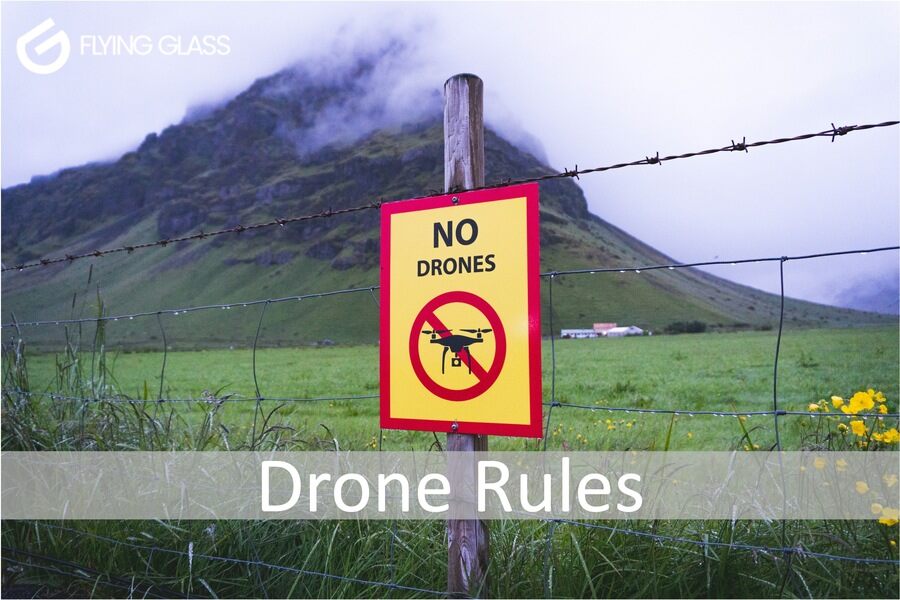
rules regarding drones legislation law drone UAV RPA CASA


How CASA Enforces Rules Regarding Drones

The Civil Aviation Safety Authority (CASA) plays a key role in enforcing the rules regarding drones in Australia. CASA has the authority to issue fines, revoke licences, or even pursue legal action against drone operators who violate the regulations. Enforcement measures typically focus on:

  • Flying in restricted airspace: Drone operators who violate no-fly zones, such as near airports or military installations, face some of the harshest penalties.
  • Endangering public safety: Pilots who fly recklessly or fail to maintain control of their drone can face significant fines or legal consequences.
  • Flying without proper licences or registration: Unlicensed commercial operations or failure to register a drone can result in both fines and the suspension of drone privileges.

Why It Matters: CASA’s enforcement of the rules regarding drones ensures that operators take their responsibilities seriously and that Australia’s airspace remains safe for both manned and unmanned aircraft.


Conclusion: Stay Safe and Legal with the Rules Regarding Drones

Whether you’re a recreational user or a commercial operator, following the rules regarding drones is essential for ensuring the safety of others and protecting your rights as a pilot. The landscape of drone regulations is continually evolving, but the core principles of safety, legal compliance, and responsible flying remain the same. At Flying Glass, we’re committed to helping drone operators navigate these rules and stay compliant with all relevant regulations. Our expert team is always available to provide guidance on safe drone operations, whether you’re looking to enhance your skills, pursue a career in drone piloting, or simply enjoy the thrill of flying. By adhering to the rules regarding drones, you’ll not only avoid fines and penalties but also contribute to a safer and more enjoyable experience for everyone in the airspace.

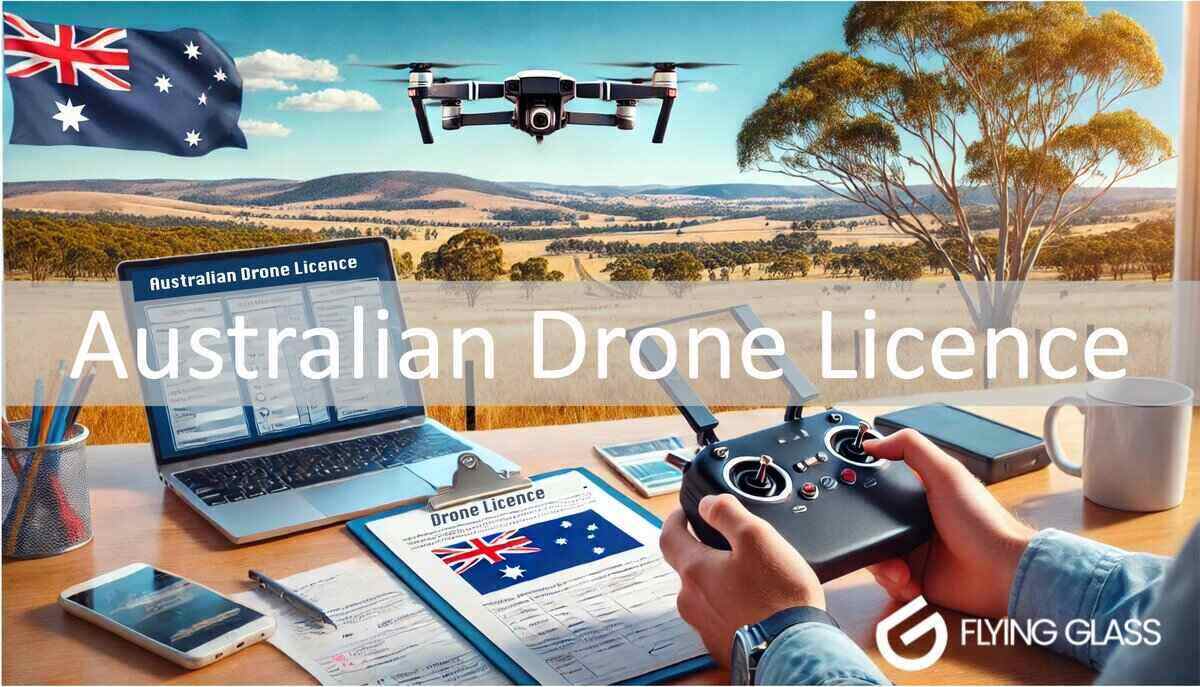
australia drone licence Course REPL Flying Glass

Australia offers some of the world’s most spectacular locations for drone operators. From the iconic Sydney Harbour to the rugged landscapes of the Outback, opportunities for drone work are endless. However, for international drone operators, obtaining an Australia drone licence and understanding the country’s regulatory environment can be daunting. This post explores the top logistical and legal challenges international drone operators face when trying to secure an Australia drone licence and how to navigate them. Whether you’re a filmmaker, surveyor, or working in agriculture, understanding the process and rules is key to avoiding costly mistakes and ensuring smooth drone operations in Australia.


Challenge 1: Understanding Australia’s Airspace Regulations

One of the first challenges that international operators face when coming to Australia is understanding the airspace regulations. Australia’s Civil Aviation Safety Authority (CASA) oversees the airspace and enforces stringent rules for both commercial and recreational drone pilots.

What You Need to Know About Australian Airspace

In Australia, controlled airspace is located around major airports and busy urban areas. If you want to fly near these zones, you’ll need approvals that go beyond having an Australia drone licence. Many operators mistakenly believe that once they obtain their licence, they can fly anywhere — but this isn’t the case. Solution: Use CASA’s resources, such as the OpenSky and Can I Fly There? apps, to understand where you can fly. These apps allow operators to check real-time information on restricted airspace and provide clear guidelines for legal flying. Additionally, if you plan on flying in controlled airspace or near airports, you will need to apply for special permits in advance. At Flying Glass, we can help international operators secure the necessary permissions to fly in these restricted areas. Our consultancy services are designed to assist with navigating Australia’s airspace regulations and securing CASA approvals for your project.


Challenge 2: Obtaining an Australia Drone Licence (RePL)

If you’re planning to operate drones commercially in Australia, securing an Australia drone licence (Remote Pilot Licence or RePL) is essential. The RePL is required for operators looking to fly drones that weigh over 2 kg or perform specific operations such as flying beyond visual line of sight (BVLOS) or in controlled airspace.

RePL vs. Overseas Licences

Many international drone operators already hold drone licences in their home countries, but these licences are not automatically valid in Australia. You’ll need an Australia drone licence to legally operate in the country. Additionally, the requirements for an Australian licence may be different from those in other countries, so it’s important to understand what’s involved. Solution: Flying Glass offers comprehensive RePL training for international operators. Our course covers everything from Australian air law and operational procedures to advanced flying techniques. The course takes place over several days, with classroom-based theory and practical flying assessments at our private field. This ensures you’re fully prepared for the licensing exam and can legally operate drones in Australia.


Challenge 3: Navigating Operational Rules in Australia

Australia has some of the strictest operational rules for drones in the world. While operators in other countries may have more relaxed rules, CASA enforces tight restrictions to ensure safety in the skies. Understanding and complying with these operational rules is essential for both safety and legality.

Key Rules for Drone Operators in Australia

Some of the key rules that international operators need to be aware of include:

  • Altitude Restrictions: You cannot fly your drone higher than 120 metres (400 feet) above ground level.
  • Line of Sight: You must always keep your drone within your visual line of sight.
  • Distance from People: Drones must stay at least 30 metres away from other people not involved in the operation.
  • Daylight Only: Flying is only permitted during daylight hours unless you have special CASA approval for night operations.

Failing to comply with these rules can result in hefty fines or legal action. Solution: Before starting your project in Australia, take the time to review CASA’s Part 101 regulations, which outline the operational rules for drone flights. At Flying Glass, we offer consultancy services to help international operators understand and comply with these rules, ensuring that you’re fully prepared to operate legally.


Challenge 4: Securing Approvals for Special Operations

Flying in Australia often requires more than just obtaining an Australia drone licence. If your project involves flying near sensitive areas such as airports, military bases, or national parks, you’ll need to secure additional approvals from CASA.

Examples of Special Operations in Australia

  • Controlled Airspace: Flying within 5.5 km of a controlled airport requires prior approval from CASA.
  • Populous Areas: Flying over populated areas, such as beaches or parks, requires special permission.
  • National Parks: In some national parks, such as Kakadu, drone flying is prohibited without a permit.

Solution: Securing CASA approvals can be a complex process, especially for international operators unfamiliar with the system. Flying Glass can assist you in obtaining the necessary permits for your project. We handle the entire process, from preparing the documentation to liaising with CASA, ensuring your approvals are in place before your operation begins.


Challenge 5: Adapting to Australia’s Diverse Flying Environments

Australia’s vast and diverse landscapes present unique challenges for drone operators. Whether you’re flying over Sydney’s iconic landmarks or conducting aerial surveys in the Outback, each environment requires a different approach.

Challenges in Urban Areas

In cities like Sydney and Melbourne, drone operators must contend with crowded airspace, tall buildings, and frequent flight restrictions. The weather in these cities can also be unpredictable, with sudden changes that could affect your operation.

Challenges in Remote Areas

In contrast, operating in remote areas such as the Australian Outback brings challenges like extreme heat, long distances, and limited infrastructure. Drones may struggle with battery life, and finding suitable locations for charging and maintenance can be difficult. Solution: Adapting your drone operations to the local environment is critical. Use weather apps and flight planning tools to anticipate conditions, and ensure you have enough backup equipment and power supplies for remote operations. Flying Glass has extensive experience working in both urban and rural environments across Australia, and we offer tailored solutions to help international operators manage these challenges.


Challenge 6: Insurance and Liability Requirements

Commercial drone operations in Australia come with strict liability and insurance requirements. You must carry public liability insurance to cover any damages or injuries caused by your drone. Many clients will not work with an operator unless they can provide proof of adequate insurance.

Insurance for Drone Operations in Australia

In Australia, public liability insurance covers property damage, personal injury, and legal fees resulting from a drone-related incident. This is particularly important for international operators who may not have local insurance coverage. Solution: Before arriving in Australia, ensure that your insurance policy meets local requirements. If you’re unsure, Flying Glass can provide guidance or arrange insurance coverage through local providers, ensuring that you meet all legal obligations and can operate safely.

australia drone licence Course REPL Flying Glass


Challenge 7: Partnering with Local Operators

For international operators, one of the most effective ways to overcome the challenges of operating in Australia is by partnering with local drone service providers. Local operators have a deep understanding of the regulations, airspace, and logistical challenges that come with flying in Australia.

Benefits of Partnering with Local Operators

  • Local Expertise: Local operators understand the specific rules and regulations of their region, ensuring compliance with CASA requirements.
  • Faster Approvals: Local operators can help secure approvals faster and more efficiently than international operators trying to navigate the system from abroad.
  • Flexibility: Working with a local partner ensures you have the flexibility to handle any unexpected challenges that arise during your project.

Solution: Flying Glass is one of Australia’s leading drone service providers, offering consultancy, pilot services, and equipment hire for international clients. We have experience working on major projects in both urban and rural settings and can provide fully certified operators or support international teams in getting their Australia drone licence and necessary approvals.


Conclusion: Navigating the Challenges of an Australia Drone Licence

For international operators, obtaining an Australia drone licence and navigating the country’s complex airspace and regulatory environment can be challenging. However, with the right support and preparation, you can overcome these hurdles and carry out successful drone operations in Australia. Flying Glass offers a range of services to help international operators meet these challenges. From RePL training and consultancy to securing CASA approvals and providing experienced local pilots, we’re here to ensure your project is a success.

drone flying rules australia AU law regulations CASA

Flying drones in Australia opens up a world of possibilities, from capturing breathtaking landscapes to conducting complex inspections. But with these opportunities come responsibilities, and it’s crucial to be aware of the drone flying rules Australia has in place. Whether you’re flying for recreation or business, understanding these rules is key to ensuring safe and legal operations. At Flying Glass, we not only offer top-tier drone services but also provide consultancy to help navigate the more complex drone regulations. In this guide, we’ll break down the essential drone flying rules Australia enforces and explain how our expert consultancy can assist with any challenging scenarios you might face.


Why Drone Flying Rules Australia Matter

As drones become more popular, the Civil Aviation Safety Authority (CASA) has developed a series of rules and regulations to keep Australia’s skies safe. Drone flying rules Australia are designed to protect both airspace and people on the ground. Ignoring these rules can lead to hefty fines, equipment confiscation, and even legal consequences. For anyone operating drones in Australia, it’s important to be aware of the rules that apply, whether you’re flying a small drone recreationally or managing complex commercial projects. Let’s dive into the drone flying rules Australia pilots need to follow.


Core Drone Flying Rules Australia Pilots Must Follow

1. Drone Registration and Licensing

One of the most important drone flying rules Australia requires is that drones over a certain weight or those used for commercial purposes must be registered with CASA. Additionally, commercial operators need to hold a Remote Pilot Licence (RePL). Recreational drones under 250g don’t need to be registered, but larger drones do. Why It Matters: Ensuring your drone is registered is the first step towards legal compliance. If you’re unsure whether your drone needs to be registered or if you require a licence, our consultancy service can assist you in understanding the legal requirements and navigating the registration process.

2. Flying Below 120 Metres (400 Feet)

A core rule across both recreational and commercial drone operations is the altitude limit. Drones must not be flown higher than 120 metres (400 feet) above ground level. This is to ensure they don’t interfere with other aircraft, such as planes and helicopters, which fly at higher altitudes. Why It Matters: Flying above this limit can result in severe penalties, including fines and the risk of your drone colliding with manned aircraft. Following this key rule keeps everyone safe in the airspace. For those needing more complex flight plans, we offer consultancy to help navigate situations where altitude limits may be a challenge.

3. Maintain Visual Line of Sight (VLOS)

Another important rule within the drone flying rules Australia framework is the requirement to always keep your drone within visual line of sight (VLOS). This means that as a drone operator, you must be able to see your drone with your own eyes during the entire flight, without relying on cameras or external devices. Why It Matters: Maintaining VLOS ensures that you have full control over your drone and can quickly respond to any obstacles or hazards. If your operation requires flying beyond VLOS, such as for complex commercial projects, our consultancy services can help you apply for the necessary permissions from CASA.


Drone Flying Rules Australia for Recreational Operators

For recreational users, CASA has established simpler but still strict rules. Many recreational pilots believe that flying for fun exempts them from regulation, but drone flying rules Australia still apply, no matter how small the drone or informal the flight.

Fly Only in Daylight Hours

One of the drone flying rules Australia imposes on recreational users is that drones must only be flown during daylight hours. Flying at night is more dangerous due to reduced visibility and is restricted unless special permissions are obtained.

Keep Your Distance from People and Crowds

Recreational drone users must also keep their drones at least 30 metres away from people who are not involved in the operation. This rule is especially important when flying in public places like parks, beaches, or outdoor events, where drones can pose a safety risk if they malfunction or crash.

Avoid Restricted Areas

Flying drones near airports, military installations, or emergency sites like fire scenes is strictly prohibited. CASA provides tools, such as the “Can I Fly There?” app, to help recreational users identify safe places to fly. Why It Matters: Breaking any of these rules can result in significant fines, even for casual drone users. Our consultancy services are available to recreational pilots who want to ensure they are operating within the legal guidelines, particularly when flying in urban or sensitive areas.


Drone Flying Rules Australia for Commercial Operators

Commercial drone operations are subject to more complex regulations, and drone flying rules Australia require commercial pilots to meet higher standards. Commercial operators often fly in areas that are restricted for recreational pilots, such as near airports or over populated areas, but these operations require special permissions.

Licensing Requirements

To conduct commercial drone flights, you’ll need a Remote Pilot Licence (RePL) as well as a Remote Operator’s Certificate (ReOC). These certifications are necessary for handling larger drones, flying in controlled airspace, and conducting more complex aerial operations. Navigating the process of obtaining these certifications can be challenging, especially for new operators. At Flying Glass, our consultancy services can guide you through the licensing process, helping you meet all of CASA’s requirements efficiently.

Flying in Controlled Airspace

Controlled airspace, particularly near airports, is one of the most regulated areas for drone pilots. Commercial operators looking to fly in these areas must obtain prior approval from CASA. This involves submitting detailed flight plans and conducting risk assessments to ensure the flight won’t interfere with other aircraft. Why It Matters: Operating in controlled airspace without approval can lead to significant fines and penalties. Our consultancy services provide the expertise needed to secure the necessary approvals for operating in restricted airspace safely and legally.


Consultancy Services for Navigating Drone Flying Rules Australia

While basic drone flying rules Australia are relatively straightforward, the complexities increase significantly when flying in restricted areas, at night, or for commercial purposes. For operators facing these more challenging scenarios, expert guidance is essential. At Flying Glass, we offer consultancy services to help both recreational and commercial operators navigate these complex regulations. Whether you’re planning to fly in a national park, near a crowded city area, or at an industrial site, we can assist with:

  • Preparing flight plans and risk assessments to meet CASA’s requirements.
  • Applying for special permissions for night flights, BVLOS (Beyond Visual Line of Sight) operations, or flights in controlled airspace.
  • Ensuring legal compliance for commercial operations, including obtaining RePL and ReOC certifications.

drone flying rules australia AU law regulations CASA


Penalties for Violating Drone Flying Rules Australia

Breaking the drone flying rules Australia enforces can result in heavy penalties, particularly if the breach results in safety risks to the public or airspace. CASA is vigilant about enforcing these rules, and operators found in violation can face significant fines, depending on the severity of the breach. Common penalties include:

  • Fines for flying too high: Exceeding the 120-metre altitude limit is one of the most frequent violations, with penalties reaching up to $10,000.
  • Fines for flying near airports: Flying too close to airports or in controlled airspace without approval is a serious offence.
  • Penalties for endangering public safety: Flying over crowds, into restricted zones, or causing an obstruction to manned aircraft can result in severe consequences, both legally and financially.

Why It Matters: Ensuring you understand and follow drone flying rules Australia helps protect you from these fines. If you’re ever uncertain about the legalities of a flight, our consultancy services can provide you with the clarity you need.


Conclusion: Master Drone Flying Rules Australia with Flying Glass

The rise of drones has revolutionised the way we capture images, collect data, and explore new angles, but it’s essential to stay within the legal boundaries of drone flying rules Australia. Whether you’re flying for fun or managing a complex commercial project, understanding and adhering to these rules is critical for safe and legal operations. At Flying Glass, we not only provide top-tier drone services but also offer consultancy to guide operators through the complex regulatory landscape. From obtaining permissions for restricted airspace to navigating the finer points of CASA’s requirements, we ensure your drone operations are fully compliant. If you’re ready to elevate your drone operations while staying compliant with the drone flying rules Australia, contact us today to learn more about how we can support your next project.

drone permit australia rules AU consultancy

Drone technology has opened up incredible opportunities, but with great power comes great responsibility—especially when it comes to operating in restricted or controlled airspace. In Australia, obtaining the right permissions is essential for ensuring safe and legal drone flights, particularly when flying near sensitive areas like airports, busy city centres, or iconic locations such as Sydney Harbour. If you’re wondering how to obtain a drone permit Australia, this post will guide you through the process and show you how Flying Glass can help. Whether you’re seeking to apply for a permit yourself or prefer to leave the complex operations to experts, we have the solutions you need.


Why You Need a Drone Permit in Australia

In Australia, drone operations are regulated by the Civil Aviation Safety Authority (CASA). While basic drone flights in unpopulated areas may not require special permissions, more complex operations—such as flying in controlled airspace, near airports, or over sensitive sites—require a drone permit from CASA. These permits are essential for ensuring that drone flights don’t interfere with manned aircraft, jeopardise public safety, or cause disruptions in restricted areas. Some common scenarios where you’ll need a drone permit Australia include:

  • Flying near airports or in controlled airspace
  • Operating drones at night
  • Flying over people in populous areas or major events (OONP)
  • Conducting commercial operations in restricted zones
  • Filming in sensitive or iconic locations like Sydney Harbour

Without the proper permit, operators risk fines, equipment confiscation, or even legal action. CASA enforces these rules strictly to maintain safety in Australia’s skies.


How to Get a Drone Permit in Australia

Obtaining a drone permit Australia involves submitting a detailed application to CASA. The application process can vary depending on the type of operation you’re planning and the specific permissions you need. Here’s a general outline of the steps involved:

1. Prepare a Detailed Flight Plan

CASA will need to know exactly where, when, and how you plan to fly your drone. This includes providing information on the specific location (such as proximity to airports), the duration of the flight, and any safety measures in place to mitigate risks. Your flight plan should detail the following:

  • Airspace classification (e.g., controlled or restricted)
  • The maximum altitude you intend to fly
  • Potential hazards and how you will mitigate them
  • Emergency landing sites in case of drone failure

2. Conduct a Risk Assessment

For operations in controlled or restricted airspace, CASA requires a thorough risk assessment to ensure that your flight won’t endanger public safety or other air traffic. This may involve working with air traffic control to coordinate your flight or proving that your operation will not interfere with manned aircraft.

3. Submit the Application to CASA

Once you’ve prepared your flight plan and risk assessment, you’ll need to submit your drone permit Australia application to CASA for approval. The processing time can vary, so it’s important to apply well in advance of your planned operation.


Need Help Navigating the Drone Permit Process? Let Flying Glass Guide You

Applying for a drone permit Australia can be a daunting process, especially if you’re unfamiliar with the specific requirements for operating in controlled airspace or restricted areas. This is where our consultancy services at Flying Glass come in. We specialise in helping drone operators navigate the complex world of CASA approvals, ensuring that you get the permits you need to fly legally and safely.

How Our Consultancy Services Can Help You Get a Drone Permit

At Flying Glass, we understand the intricacies of Australia’s drone regulations and have extensive experience securing the necessary permits for complex operations. Our consultancy services are designed to make the drone permit Australia application process as seamless as possible, offering:

  • Expert Guidance: We help you prepare your flight plan, conduct risk assessments, and submit your application to CASA, ensuring that every detail is covered.
  • Fast-Track Approvals: Our established relationships with CASA and deep understanding of their requirements allow us to expedite the permit approval process, saving you time and hassle.
  • Custom Solutions: Every drone operation is different, and we tailor our consultancy services to meet the unique needs of your project, whether you’re flying near an airport or conducting a commercial shoot in a high-traffic area.

If you’re unsure about whether you need a permit or want expert advice on how to approach CASA for approvals, Flying Glass is here to help.


Let Flying Glass Handle Complex Drone Jobs for You

While applying for a drone permit Australia is certainly possible with the right guidance, sometimes the best solution is to let experts handle the job for you. At Flying Glass, we regularly carry out complex drone operations that require CASA permits, and we already have many of the approvals needed to fly in controlled airspace, over sensitive areas, and even at night.

Why Choose Flying Glass for Complex Drone Jobs?

By choosing Flying Glass, you’re not just hiring a drone operator—you’re partnering with a team of seasoned professionals who bring years of experience in navigating Australia’s complex airspace regulations. Here’s why we’re the best choice for your challenging drone projects:

  • Pre-Approved for Sensitive Areas: We already hold CASA permits for many high-profile locations, including Sydney Harbour and areas near major airports, allowing us to get your project off the ground faster.
  • Specialised Night Flying Approvals: Need to fly at night? We have the necessary approvals and equipment to conduct night-time drone operations safely and legally.
  • Expert Coordination with Air Traffic Control: Our team works closely with air traffic control to ensure that every flight in controlled airspace is coordinated smoothly and safely.
  • Top-Tier Equipment and Operators: Our fleet of drones, including the Inspire 3, is equipped with the latest technology, and our operators are highly skilled at managing complex projects.

By letting Flying Glass handle your more complex drone jobs, you can focus on your project while we take care of the permits, safety, and operational details.


Common Scenarios Where You’ll Need a Drone Permit Australia

While the drone permit Australia process can vary depending on the specifics of your flight, here are a few common scenarios where obtaining a CASA permit is essential:

Flying Near Airports

Airports are heavily regulated areas, and flying a drone within 5.5 km (3 nautical miles) of a controlled airport without approval is illegal. To conduct drone operations in these zones, operators must coordinate closely with air traffic control and submit detailed flight plans to CASA. At Flying Glass, we have experience operating near major Australian airports and can assist you in securing the necessary permits—or handle the job for you if you’d rather leave it to the experts.

drone permit australia rules AU consultancy

Flying Over Sydney Harbour

Sydney Harbour is one of Australia’s most iconic locations, but it’s also a sensitive and highly regulated area. Special CASA permits are required to fly drones over the harbour, particularly for commercial shoots or events. Our team at Flying Glass holds many of the necessary approvals and regularly conducts operations in the harbour area.

Flying Over Crowded Events

Public safety is a major concern when flying drones over crowds. If your project involves filming at a major event or in a crowded urban area, you’ll need a drone permit from CASA. We specialise in event coverage and can help secure the required approvals or handle the project for you.


Conclusion: Simplify the Drone Permit Process with Flying Glass

Whether you’re an experienced operator needing help with complex CASA approvals or simply looking for a trusted partner to handle your next high-profile drone operation, Flying Glass has you covered. With years of experience navigating drone permit Australia processes, we offer consultancy services to assist operators in getting their permits, as well as end-to-end drone services for more complex jobs. Get in touch with us today to find out how we can help you secure the necessary permits or manage your next challenging drone project with ease.

drone rules in australia Law CASA legislation

With the rapid growth of drone technology, drones are becoming more widely used across Australia for both recreational and commercial purposes. However, with this increased usage comes the need for strict regulations to ensure that drone flights remain safe for everyone in the air and on the ground. Whether you’re a hobbyist flying your drone for fun or a professional using drones for business, understanding drone rules in Australia is essential to avoid fines, accidents, or legal issues. In this guide, we’ll walk through the critical drone rules in Australia, how they apply to both recreational and commercial pilots, and how Flying Glass can assist you in staying compliant with the country’s regulations.


Why Drone Rules in Australia Matter

Drones provide incredible opportunities to capture footage, survey land, and explore areas that would be otherwise inaccessible. However, drones can also pose significant risks if not operated according to the regulations set by the Civil Aviation Safety Authority (CASA). The drone rules in Australia exist to mitigate these risks, ensuring that drone operators fly responsibly and without endangering other aircraft, people, or property. Failure to comply with these rules can lead to substantial fines, legal consequences, and even the confiscation of your drone. More importantly, they help prevent potentially dangerous situations that could arise from flying in restricted areas or beyond the operator’s control.


Key Drone Rules in Australia for Safe Flying

Let’s explore the most important drone rules in Australia that every operator must follow:

1. Fly Below 120 Metres (400 Feet)

One of the core drone rules in Australia is that drones must not be flown higher than 120 metres (400 feet) above ground level. This rule helps prevent conflicts with manned aircraft, which typically fly at higher altitudes. Maintaining this height limit reduces the risk of collisions with other aircraft and ensures that drones do not interfere with air traffic.

2. Always Maintain Visual Line of Sight (VLOS)

When flying a drone, the operator must always keep the drone within visual line of sight (VLOS). This means the drone should be visible to the pilot without using any visual aids such as cameras or binoculars. This is critical to maintaining control over the drone and responding quickly if any obstacles or hazards arise.

3. No Flying Over Populated Areas

Drones must not be flown over or near crowds of people, including in places like beaches, parks, or sporting events. Even small drones can cause injury if they malfunction and fall. Keeping a safe distance from people ensures that any potential risks are minimised.


Specific Drone Rules in Australia for Recreational Pilots

While the drone rules in Australia apply to all operators, recreational drone pilots may face slightly less stringent requirements compared to their commercial counterparts. However, there are still strict regulations that must be followed:

No Flying Near Emergency Situations

Drones are prohibited from flying near emergency scenes, such as car accidents, fires, or police operations. These rules ensure that drones don’t interfere with emergency response efforts or pose a danger to rescue personnel.

Avoid Flying in Restricted Airspace

Some areas, such as military bases, airports, and certain government buildings, are designated as no-fly zones. Drone pilots should be aware of these restricted airspaces and avoid flying anywhere near them. CASA provides an app called “Can I Fly There?” to help recreational users check where it is safe to fly.


Drone Rules in Australia for Commercial Pilots

Commercial drone pilots face additional regulations beyond those for recreational users. These rules are intended to ensure that drones used for professional purposes are operated safely and legally. Let’s look at some of the key considerations for commercial operators.

Licensing and Certification

To fly drones for commercial purposes, pilots must hold a Remote Pilot Licence (RePL). Additionally, the business operating the drone must have a Remote Operator’s Certificate (ReOC). These certifications ensure that commercial pilots have undergone the necessary training and assessments to fly safely. At Flying Glass, we provide consultancy services for operators who need guidance on how to obtain the appropriate licences and ensure compliance with CASA regulations.

Controlled Airspace Operations

In many cases, commercial pilots may need to operate in controlled airspace, particularly around airports. Flying in these areas requires special permission from CASA. This involves submitting a flight plan and obtaining approval to ensure that the drone does not interfere with air traffic. Flying Glass has extensive experience operating in complex environments, including controlled airspace, and can assist in securing the necessary permits for your drone operations.


How to Stay Compliant with Drone Rules in Australia

Operating a drone in Australia requires careful planning and adherence to regulations, but it can be challenging to keep track of the rules, especially for those flying in areas with restricted access or heightened safety concerns. Here’s how you can ensure compliance with drone rules in Australia:

1. Use CASA’s “Can I Fly There?” App

CASA’s app is an excellent tool for checking whether your chosen flight area is safe and legal. It provides real-time information about restricted airspaces and no-fly zones, helping you plan your flights accordingly.

2. Stay Updated on Regulation Changes

The rules surrounding drone operations can evolve, particularly as the technology develops and becomes more widely used. It’s essential to stay informed about any updates to the drone rules in Australia by regularly checking CASA’s website and other official resources.

3. Consult with Experts

For complex operations, such as flying in urban areas, near airports, or during night-time, it’s often beneficial to consult with drone experts. At Flying Glass, we offer consultancy services to help operators navigate the legal landscape and ensure compliance with all applicable regulations. Whether you’re flying for commercial purposes or need advice on securing special permissions, our team of experts is here to help you stay within the bounds of the law while getting the most out of your drone operations.


Breaking Drone Rules in Australia: Fines and Penalties

Australia takes drone regulations seriously, and CASA regularly enforces the drone rules in Australia through fines and penalties. Operators who violate these rules may face significant consequences, particularly in cases of endangering public safety or interfering with other aircraft. Common violations that result in penalties include:

  • Flying above 120 metres
  • Operating a drone near airports or in controlled airspace without approval
  • Flying over crowds or in public areas without permission

Fines for these offences can range from several hundred dollars to tens of thousands, depending on the severity of the breach. Additionally, repeated violations can lead to the suspension or revocation of licences, which is particularly damaging for commercial operators.

drone rules in australia Law CASA legislation


Navigating Complex Drone Rules in Australia: How Flying Glass Can Help

For both recreational and commercial pilots, understanding and following the drone rules in Australia is essential for staying safe and legal in the air. However, some situations require more complex planning and legal approval, especially for businesses conducting commercial drone operations in restricted areas or for specialised purposes. At Flying Glass, we provide consultancy services to help drone operators:

  • Navigate complex regulations and ensure compliance
  • Apply for permits to fly in controlled or restricted airspace
  • Obtain licences and certifications for commercial operations
  • Stay updated on regulatory changes and new requirements

With our extensive experience in the industry and deep knowledge of the drone rules in Australia, Flying Glass is your trusted partner for ensuring your operations remain compliant and successful.


Conclusion: Mastering Drone Rules in Australia

Whether you’re a hobbyist or a professional drone operator, mastering the drone rules in Australia is essential for keeping your flights safe and legal. By staying informed about altitude limits, maintaining visual line of sight, and securing the proper licences and approvals, you can enjoy the benefits of drone technology without running afoul of the law. If you’re looking for expert guidance on operating drones safely and within the legal framework, Flying Glass is here to assist. Contact us today for consultancy services, drone operations, or advice on navigating Australia’s drone regulations.

FLYING GLASS - Copyright © 2026