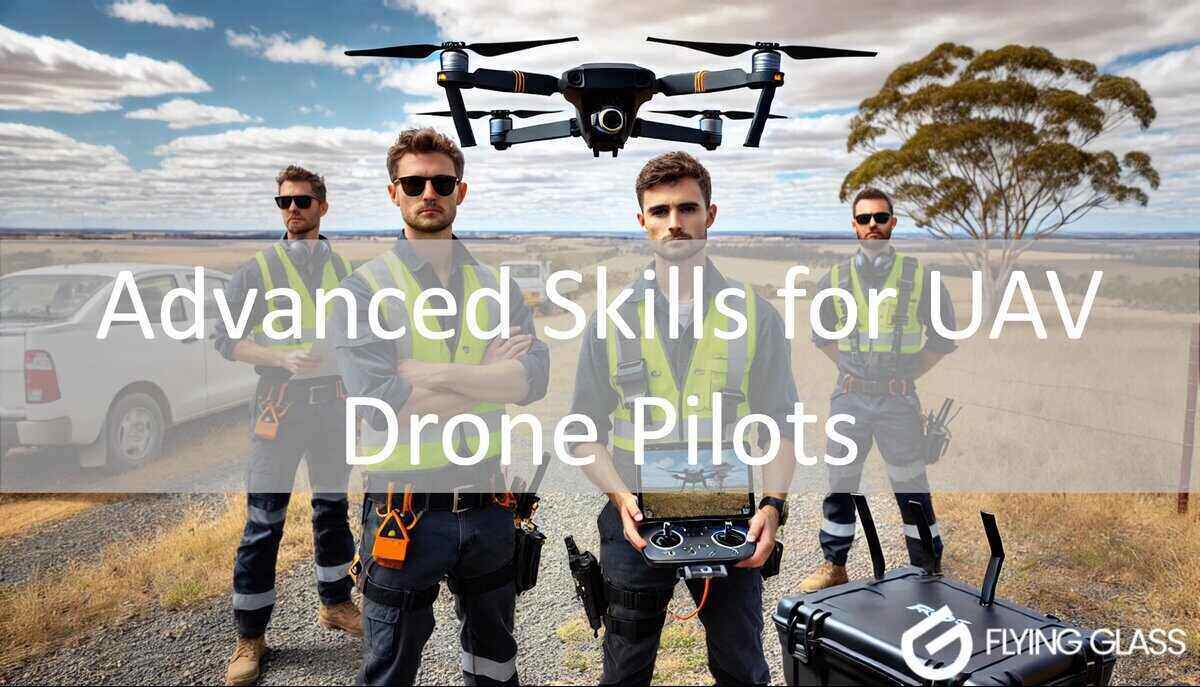
Advanced Skills for UAV Drone Pilots

Mastering the Complexities of Commercial Operations

As the demand for drone technology grows across various industries, the role of the UAV drone pilot has evolved from basic aerial photography and videography to more complex operations. Today’s UAV (Unmanned Aerial Vehicle) pilots are tasked with performing intricate missions that require specialised skills, certifications, and an understanding of industry-specific challenges. In this post, we’ll explore the advanced skills every UAV drone pilot needs to master in order to take on more challenging and high-stakes commercial operations. From BVLOS (Beyond Visual Line of Sight) flying to operating in hazardous environments, we’ll cover the areas that set advanced UAV drone pilots apart from their peers. Advanced Skills for UAV Drone Pilots

The Difference Between Basic Drone Piloting and UAV Drone Piloting

At the heart of professional drone operations is the distinction between basic drone piloting and operating UAVs for complex commercial tasks. While a basic drone pilot may focus on straightforward missions such as real estate photography or wedding videography, a UAV drone pilot takes on tasks that require a deeper understanding of aviation, regulatory compliance, and mission-critical operations.

Basic Drone Piloting

  • Typically limited to flying drones within visual line of sight (VLOS)
  • Conducts simple operations such as aerial photography, inspection, or recreational flying
  • Requires standard certifications such as the Remote Pilot Licence (RePL)

UAV Drone Piloting

  • Often involved in Beyond Visual Line of Sight (BVLOS) operations
  • Specialises in high-risk or industry-specific missions (e.g., infrastructure inspections, mining, security)
  • Requires advanced certifications, approvals, and a strong knowledge of aviation and safety regulations
  • Must handle complex environments, including hazardous areas or restricted airspaces

The advanced skills required for UAV drone pilots set them apart, making them valuable assets in industries where drones play a critical role in operational efficiency and safety.


Specialised UAV Drone Pilot Skills for High-Risk Industries

As a UAV drone pilot, you’ll need to develop a broad range of skills that go beyond basic flying techniques. Depending on the industry you work in, these skills will include flying in challenging environments, navigating complex regulatory frameworks, and handling highly specialised equipment.

1. Infrastructure Inspection and Monitoring

One of the fastest-growing sectors for UAV drone pilots is infrastructure inspection. UAVs are now regularly used to inspect bridges, pipelines, wind turbines, and power lines. The precision and stability of drones make them ideal for identifying structural defects, corrosion, or wear without putting human inspectors at risk. Advanced Skills for Infrastructure Inspection:

  • Precision Flying: UAV pilots must be able to fly in close proximity to structures, often in windy or otherwise adverse conditions, without causing damage or losing control of the drone.
  • Thermal Imaging: Pilots often use drones equipped with thermal cameras to detect temperature anomalies in electrical grids or industrial plants. Understanding how to interpret thermal data is crucial.
  • Data Management: Beyond capturing footage, UAV drone pilots must also manage and analyse large amounts of data collected during inspections, often in real-time.

2. Mining Operations

Mining companies increasingly rely on UAVs for tasks such as site mapping, volumetric analysis, and environmental monitoring. These operations require a UAV drone pilot with specialised knowledge of working in rugged, often remote environments. Advanced Skills for Mining Operations:

  • Mapping and Surveying: UAV drone pilots must understand geospatial data collection, working with advanced software to create 3D maps and models of mining sites.
  • Autonomous Flight Programming: Mining operations often require drones to fly pre-programmed paths over large areas. UAV pilots must be adept at using automated flight management systems to plan and execute these missions.
  • Hazardous Environment Management: Mines can present numerous hazards, from dust and debris to extreme weather conditions. Pilots need to be skilled at managing the risks of flying in such environments.

3. Security and Surveillance

UAV drones have become essential tools for security operations, enabling companies to monitor large areas and provide real-time surveillance in a cost-effective manner. UAV drone pilots in this field must excel at quick decision-making, often in high-pressure situations. Advanced Skills for Security Operations:

  • Night Flying and BVLOS: Many security operations require drones to fly at night or beyond visual line of sight. Pilots must have the necessary certifications and approvals to conduct these flights legally and safely.
  • Real-Time Data Transmission: In security scenarios, UAV pilots often need to transmit live video and data feeds to security teams on the ground, ensuring rapid response to potential threats.
  • Risk Assessment: Security operations can involve flying over sensitive or high-risk areas. UAV drone pilots must be able to assess risks and implement strict safety protocols to avoid accidents.

Advanced Certifications and Approvals Required for UAV Drone Pilots

To operate as a UAV drone pilot in high-stakes or complex environments, you will need more than just a basic Remote Pilot Licence (RePL). Advanced certifications and approvals are often required to carry out certain tasks, particularly when flying in restricted or hazardous areas.

1. BVLOS Certification

One of the most valuable certifications for UAV drone pilots is the Beyond Visual Line of Sight (BVLOS) approval. BVLOS operations allow drones to fly outside the pilot’s line of sight, making them ideal for long-distance missions such as surveying vast mining areas or monitoring critical infrastructure. How to Get BVLOS Approval:

  • Obtain a BVLOS Endorsement: BVLOS operations require pilots to undergo specialised training and certification. You’ll need to demonstrate advanced flying skills and a thorough understanding of airspace management, risk mitigation, and emergency protocols.
  • Submit an Application to CASA: In Australia, BVLOS operations must be approved by CASA. This process involves submitting a detailed safety case, outlining how you plan to manage the risks associated with flying beyond visual line of sight.

At Flying Glass, we offer consultancy services to help drone operators apply for BVLOS certification, as well as guidance on how to safely conduct these operations.

2. REOC (Remote Operator’s Certificate)

For businesses or organisations managing multiple drones or larger operations, obtaining a Remote Operator’s Certificate (REOC) is essential. The REOC allows companies to perform more complex missions, including BVLOS operations, night flying, and flights in controlled airspace. Key Benefits of a REOC:

  • Flexibility: A REOC allows UAV drone pilots to operate across various industries, from security to industrial inspections, with greater freedom to perform complex missions.
  • Legal Compliance: It ensures that all operations comply with CASA’s strict regulations, giving clients confidence in the safety and professionalism of your services.

Common Challenges Faced by UAV Drone Pilots

Operating as a UAV drone pilot presents its own set of challenges. From navigating complex airspace regulations to ensuring the safety of operations in hazardous environments, UAV pilots must be prepared to manage a variety of risks.

1. Navigating Restricted Airspace

One of the most significant challenges for UAV drone pilots is managing flights in restricted or controlled airspace. This is particularly relevant when working in urban environments or near critical infrastructure such as airports. Solution: To operate legally in restricted airspace, UAV drone pilots must apply for special permissions from CASA. This involves submitting detailed flight plans and demonstrating how you will manage risks associated with flying in high-traffic areas.

2. Managing Safety in Hazardous Environments

Whether it’s flying over industrial sites, near power lines, or in mines, operating in hazardous environments requires UAV drone pilots to be vigilant about safety. Drones are often exposed to extreme conditions, from dust and high temperatures to high winds. Solution: UAV drone pilots need to undergo additional training and certifications that prepare them for these high-risk operations. They should also be equipped with rugged drones designed to withstand challenging conditions. At Flying Glass, we regularly operate in demanding environments, and our consultancy services are available to help UAV drone pilots develop the necessary operational plans and safety protocols for their specific industries.


Conclusion: Taking Your UAV Drone Pilot Career to the Next Level

Becoming a successful UAV drone pilot requires more than just the ability to fly. It involves mastering advanced skills, obtaining specialised certifications, and understanding the unique challenges of working in industries like mining, infrastructure inspection, and security. By developing these skills and pursuing certifications like BVLOS and REOC, you’ll be able to take on more complex projects and expand your career opportunities. At Flying Glass, we offer the tools and expertise you need to advance your career as a UAV drone pilot. From showreel-worthy cinematography to high-risk industrial inspections, our team has experience across a wide range of industries. Get in touch with us to learn more about our drone services and consultancy offerings, and see how we can help you excel in your UAV drone pilot career.

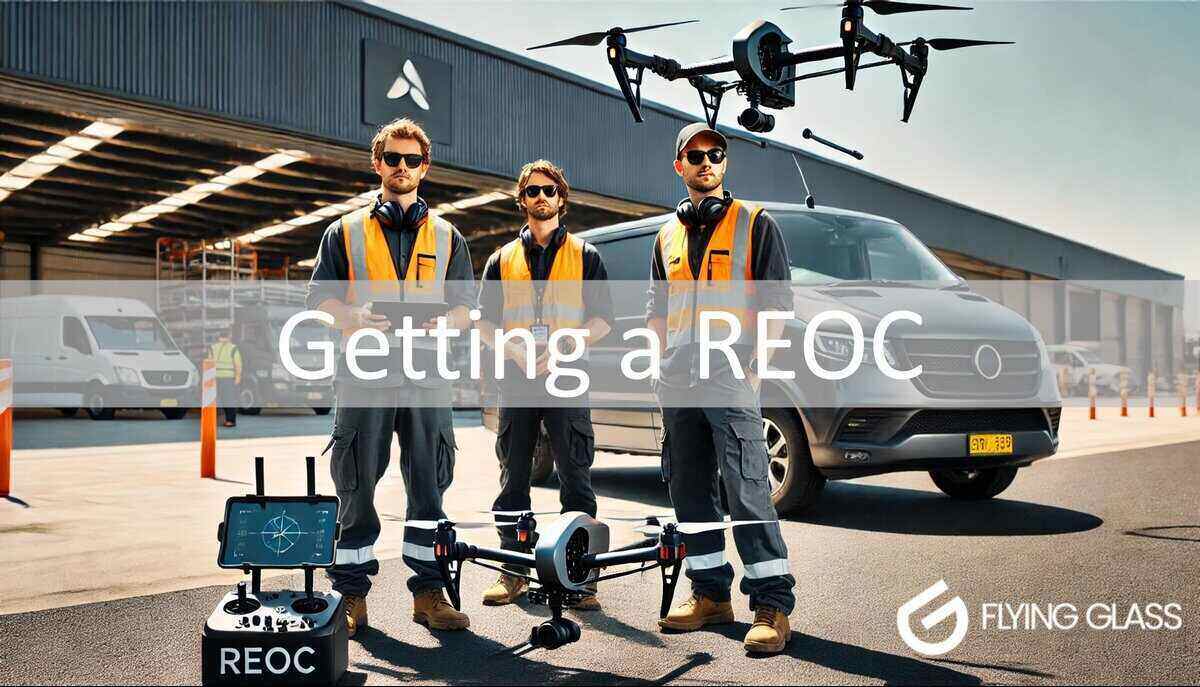
REOC Remote Operator's Certificate Australian Drone Licence CASA

As the drone industry continues to grow in Australia, more and more businesses are seeing the value of using drones for commercial purposes. Whether it’s for aerial cinematography, inspections, mapping, or surveying, operating drones in a commercial capacity often requires more than just a standard Remote Pilot Licence (RePL). One of the most crucial certifications for any business looking to scale its drone operations is the REOC — the Remote Operator’s Certificate.

But what exactly is a REOC, and how can it help your business? In this post, we’ll break down the 10 most important things you need to know about obtaining a REOC, from the benefits it offers to the steps required to get one.


1. What Is a REOC?

The Remote Operator’s Certificate (REOC) is issued by CASA (Civil Aviation Safety Authority) and is required for businesses that wish to operate drones for commercial purposes in Australia. While individuals need a Remote Pilot Licence (RePL) to fly drones commercially, businesses need a REOC to conduct drone operations legally.

The REOC essentially allows businesses to operate under their own name, rather than relying on an external drone operator with a REOC. It is the equivalent of having an Operator’s Certificate, giving the company the authority to perform commercial drone operations, oversee flights, and manage a team of certified drone pilots.

Key Benefits of a REOC:

  • Legal authority to conduct commercial drone operations.
  • Flexibility to oversee multiple drone pilots under one organisation.
  • Ability to take on larger projects that require more complex operations, such as night flying, flying beyond visual line of sight (BVLOS), or in controlled airspace.

2. Why You Need a REOC for Commercial Drone Operations

If you’re looking to grow your drone business and expand your service offerings, obtaining a REOC is a critical step. A business without a REOC can only operate under the authority of a certified operator, which can limit your potential clients and the types of projects you can take on.

With a REOC, your business will have the legal framework to manage complex drone operations and meet the regulatory requirements set by CASA. This not only opens the door to larger, more lucrative projects, but it also boosts your credibility with potential clients.

Projects That Require a REOC Include:

  • Infrastructure inspections
  • Large-scale mapping and surveying
  • Aerial cinematography for film and TV
  • Agricultural monitoring and data collection
  • Emergency response and rescue operations

3. The REOC Application Process: What to Expect

Obtaining a REOC is not a quick process, but it is manageable with the right support and preparation. The application process involves submitting a detailed operations manual to CASA, which outlines how your business will conduct drone operations safely and in compliance with aviation regulations.

Your operations manual must include information about your standard operating procedures, risk management strategies, and how you’ll handle emergency situations. You’ll also need to demonstrate that your business has the necessary resources and qualified personnel (such as a chief pilot) to carry out safe drone operations.

Steps to Apply for a REOC:

  1. Complete and submit a REOC application form through CASA.
  2. Prepare and submit an operations manual detailing your company’s procedures.
  3. Nominate a chief pilot responsible for managing drone operations.
  4. Schedule a CASA audit to review your application and operational procedures.
  5. Receive your REOC once your application is approved.

At Flying Glass, we offer consultancy services to help businesses develop their operations manual and navigate the application process. Our experience with CASA regulations ensures that your business meets all the necessary requirements for obtaining a REOC.


4. The Role of the Chief Pilot in a REOC

One of the key requirements for obtaining a REOC is nominating a chief pilot. The chief pilot is responsible for overseeing all drone operations within the business, ensuring that flights are conducted safely and in accordance with CASA regulations.

The chief pilot must hold a valid RePL and demonstrate a thorough understanding of drone operations, risk management, and airspace regulations. They are also responsible for training new pilots, maintaining equipment, and keeping up with the latest regulatory changes.

Responsibilities of a Chief Pilot:

  • Oversee flight operations and ensure compliance with CASA regulations.
  • Train and supervise other pilots within the organisation.
  • Manage the company’s fleet of drones and ensure they are properly maintained.
  • Develop and implement risk management strategies for complex operations.

If your business does not yet have a chief pilot, Flying Glass can assist with consultancy services to help you appoint the right person or train an existing team member.


5. How to Create an Operations Manual for Your REOC

A well-constructed operations manual is one of the most critical components of the REOC application process. This document outlines how your company will conduct drone operations, ensuring safety and compliance with CASA regulations.

Your operations manual needs to cover a wide range of topics, including flight planning, risk assessments, communication procedures, emergency response plans, and maintenance schedules for your drones. CASA will review this document carefully to ensure that your business is capable of conducting safe and efficient drone operations.

What to Include in Your Operations Manual:

  • Standard Operating Procedures (SOPs) for each type of drone operation.
  • Detailed risk management strategies and hazard identification processes.
  • Emergency response plans for incidents such as equipment failure or injury.
  • Maintenance and inspection schedules for your drone fleet.
  • Communication protocols, including radio procedures and airspace awareness.

At Flying Glass, we provide consultancy services to help businesses develop their operations manuals and meet CASA’s stringent requirements. Our team has extensive experience in creating manuals that meet regulatory standards and ensure safe operations.


6. The Benefits of Holding a REOC

Holding a REOC opens up a world of opportunities for your drone business. With this certification, you can take on larger, more complex projects that require advanced drone operations. Additionally, a REOC boosts your credibility, showing clients and stakeholders that your business is fully compliant with CASA regulations.

Key Benefits of a REOC:

  • Access to larger commercial projects that require complex drone operations.
  • Flexibility to conduct night flights, BVLOS operations, and flying in controlled airspace.
  • Ability to manage multiple drone pilots under one business entity.
  • Increased credibility and trust with clients and stakeholders.
  • The ability to expand your business’s service offerings into new industries.

With a REOC, your business can grow and scale to take on more challenging and profitable projects. Whether it’s aerial cinematography, inspections, or emergency response, a REOC allows your business to operate at a higher level.


7. What Happens During a CASA Audit?

Once you’ve submitted your REOC application and operations manual, CASA will conduct an audit to ensure your business is ready to conduct drone operations safely. The audit is a comprehensive review of your procedures, documentation, and operational readiness.

During the audit, CASA inspectors will evaluate your operations manual, assess your chief pilot’s qualifications, and review your company’s safety protocols. They may also ask to observe a drone flight to ensure that your team follows proper procedures.

What to Expect During a CASA Audit:

  • A thorough review of your operations manual and safety procedures.
  • Evaluation of your risk management strategies and hazard identification processes.
  • Assessment of your chief pilot’s knowledge and qualifications.
  • An on-site inspection of your drone equipment and maintenance records.
  • A possible flight demonstration to verify operational procedures.

Flying Glass can help you prepare for your CASA audit, ensuring that your operations manual and procedures meet regulatory standards. Our team will work with you to address any potential issues before the audit, giving your business the best chance of success.


8. How Long Does It Take to Get a REOC?

The process of obtaining a REOC can take several months, depending on the complexity of your operations and the thoroughness of your application. On average, businesses can expect the entire process to take between 3 to 6 months from the initial application to receiving their REOC.

Factors That Affect the REOC Timeline:

  • The completeness and accuracy of your operations manual.
  • The qualifications and experience of your chief pilot.
  • CASA’s audit schedule and the availability of inspectors.
  • The complexity of your proposed drone operations (e.g., night flying, BVLOS).

To speed up the process, it’s essential to submit a detailed and well-prepared application. Flying Glass offers consultancy services to help streamline the application process and ensure that your business is ready for a CASA audit as soon as possible.


9. How a REOC Can Help You Win Larger Projects

Having a REOC gives your business a significant advantage when competing for larger commercial projects. Clients in industries such as construction, film, and emergency services often require operators with a REOC to ensure that drone operations are conducted legally and safely.

Additionally, a REOC allows your business to take on more complex projects, such as flying in restricted airspace, performing BVLOS operations, or conducting night flights. These types of projects often come with higher budgets and more demanding requirements, making a REOC a valuable asset for any drone business looking to grow.

REOC Remote Operator's Certificate Australian Drone Licence CASA


10. Consultancy Services to Help You Obtain a REOC

Navigating the REOC application process can be challenging, especially for businesses that are new to commercial drone operations. Fortunately, you don’t have to go through the process alone. Flying Glass offers consultancy services to help businesses develop their operations manuals, train their chief pilots, and prepare for CASA audits.

With years of experience in the drone industry, Flying Glass understands the complexities of CASA regulations and can provide tailored solutions to help your business succeed. Whether you need assistance with the application process or guidance on expanding your service offerings, our team is here to support you every step of the way.


Conclusion: The REOC Is a Game Changer for Drone Businesses

Obtaining a REOC is a crucial step for any business looking to scale its drone operations in Australia. From managing a team of pilots to conducting complex operations, a REOC gives your business the authority and credibility needed to succeed in the competitive drone industry.

By following the steps outlined in this post and working with experts like Flying Glass, you can navigate the REOC application process smoothly and position your business for long-term growth. Contact us today to learn more about how we can help you obtain a REOC and take your drone business to the next level.

REOC Remote Operator's Certificate Australian Drone Licence CASA

What to Expect from Training

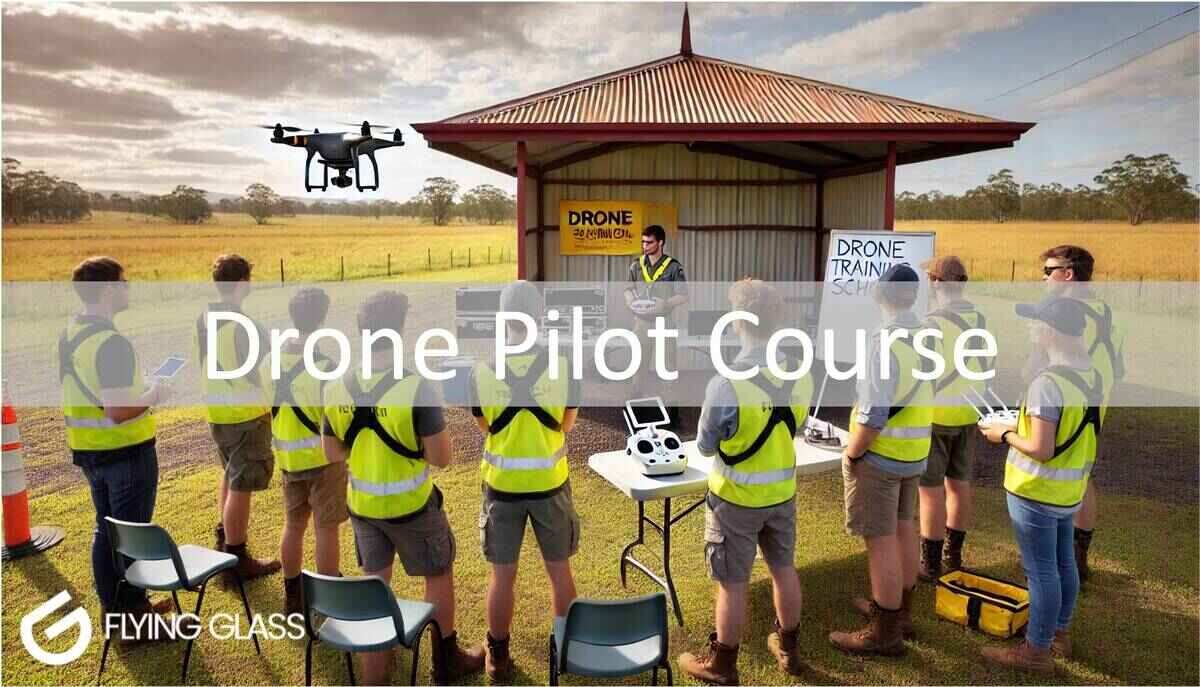
Drones are revolutionising industries like film, construction, and agriculture, with licensed drone operators becoming increasingly sought after. For those looking to enter this exciting field, obtaining a drone pilot licence is a crucial step. But what exactly happens during a drone pilot course? In this behind-the-scenes look, we’ll take you through what it’s like to enrol in a drone pilot course with Flying Glass. From the in-depth classroom theory to hands-on practical training at our private flying field, we’ll cover every aspect of the course. Whether you’re a drone hobbyist looking to turn professional or someone entering the industry from scratch, here’s what you can expect when you sign up.


Day 1: Classroom Theory Begins

The first few days of your drone pilot course are spent in the classroom, where students dive into the theoretical knowledge required to operate drones safely and legally in Australia. At Flying Glass, we make sure the environment is interactive and collaborative, allowing students to ask questions and engage with the material. When you arrive for the first day, you’ll be introduced to your fellow students, who typically come from a variety of backgrounds—ranging from film production and surveying to agriculture and real estate. You’ll also meet your instructors, industry professionals who bring years of real-world drone experience to the table. The structure of the course is laid out, covering 3-4 days of theory followed by 2 days of practical flying at our private field.


The Classroom Theory: Comprehensive and Structured Learning

The classroom portion of the drone pilot course is where you’ll gain the essential knowledge that will form the foundation of your drone operations. Here’s a breakdown of the key theory modules covered:

1. Basic Aviation Knowledge for RPAS

The first module gives you an introduction to the world of aviation, focusing on how drones (or RPAS — remotely piloted aircraft systems) fit into the larger aviation landscape. This includes learning about lift, drag, thrust, and other principles of flight. Even if you’re completely new to drones, this module will get you up to speed with the basics.

2. Meteorology for RPAS Operations

Weather plays a crucial role in drone safety. This module teaches you how to interpret weather reports and assess conditions like wind, cloud cover, and precipitation. By the end, you’ll be able to make informed decisions about when it’s safe to fly and when to ground your drone.

3. Multirotor Aeronautical Knowledge and Operation Principles

This section dives deeper into the technical aspects of operating a multirotor drone. You’ll learn about flight dynamics, energy management, and how to handle different types of drones, focusing on the specific challenges posed by multirotor systems.

4. Human Performance for RPAS

As a drone pilot, your mental and physical state can impact the safety of your operations. In this module, you’ll learn about human performance factors such as fatigue, stress, and decision-making, and how to manage them effectively.

5. Electrical and Electronic Systems for RPAS

Understanding the electrical systems that power your drone is crucial for maintenance and troubleshooting. This module of the drone pilot course covers everything from batteries and power management to onboard electronics, ensuring you know how your drone operates under the hood.

6. Airspace, Charts, and Aeronautical Publications

Navigating the skies isn’t just about flying; it’s about understanding the rules of the air. In this module, you’ll learn how to read aeronautical charts and understand airspace classifications. Knowing when and where you can fly is crucial, particularly for commercial operators working near controlled airspace.

7. RPAS Operations and Procedures

The operational side of drone flying is where theory meets practice. This module teaches you about planning and conducting drone operations, including flight planning, risk assessments, and post-flight procedures.

8. Operational Rules and Air Law for RPAS

CASA (Civil Aviation Safety Authority) governs drone operations in Australia, and understanding the law is key to becoming a certified operator. This module walks you through the rules and regulations that every drone pilot must follow, including the penalties for non-compliance.

9. Automated Flight Management Systems for RPAS

Automation can make drone flying more efficient and safer, but it also comes with its own set of challenges. In this module of the drone pilot course, you’ll learn how to use automated flight management systems, including pre-programmed flight paths and autonomous landing features.

10. AROC – Aeronautical Radio Operators Certificate

Communication is key when flying in controlled airspace or near airports. This module prepares you for the Aeronautical Radio Operators Certificate (AROC) exam, teaching you how to communicate with air traffic control and other aircraft.


Practical Flying: Moving to the Private Flying Field

After several days in the classroom, students are ready to apply what they’ve learned in real-world conditions. The practical flying sessions take place over 2 days at our private flying field, giving you ample space to practise and refine your skills. We provide the drones, but if you want to buy your own drones or drone accessories, contact us, as we’re an authorised drone reseller.


Getting Hands-On with RPAS: Pre- and Post-Flight Procedures

When you first arrive at the field, you’ll start with pre-flight checks. These include inspecting the drone, ensuring that all systems are functioning correctly, and verifying that weather conditions are suitable for flying. Instructors will guide you through the pre- and post-operation actions that are critical for safe flights. From checking the battery levels to ensuring the propellers are secure, every detail is covered.


Energy Management for RPAS

Energy management is a critical component of drone flying, particularly when operating in challenging conditions. During practical training, you’ll learn how to monitor and manage the energy usage of your drone to extend flight time and avoid mid-air power failures.


Managing Crew, Payload, and Bystanders

In professional drone operations, managing more than just the drone is often required. You’ll be trained on our drone pilot course in how to handle crew members, payloads (such as cameras or sensors), and ensure bystander safety during flights. This is particularly important when flying in populated areas or on commercial projects.


Navigation and Advanced Flying

Once you’re comfortable with the basics, the drone pilot course shifts to more advanced flying techniques. You’ll practise complex manoeuvres, navigating obstacles, and controlling the drone in different weather conditions. Our instructors provide guidance on everything from hovering to advanced navigation, ensuring you have full command of the equipment. During these sessions, students also learn how to use drone safety apps to check for restrictions and ensure they’re flying in safe and legal zones.


Dealing with Abnormal Situations and Emergencies

One of the most important aspects of drone flying is being prepared for the unexpected. In the practical portion of the course, you’ll be trained to handle abnormal situations and emergencies. Whether it’s dealing with equipment malfunctions or navigating sudden weather changes, you’ll learn how to make quick, informed decisions to ensure safe outcomes.

drone pilot course RePL REOC CASA training school


Multirotor Flying: Hovering, Launch, and Landing

Mastering multirotor control is essential for any drone pilot. You’ll practise basic manoeuvres like launching, hovering, and landing, with a focus on precision and control. Instructors are always on hand to give feedback and guide you through any challenges. As your confidence grows, you’ll move on to advanced manoeuvres, such as flying in tight spaces, navigating around obstacles, and performing smooth landings in varied conditions.


The Final Flight Assessment

At the end of the drone pilot course, students are required to complete a final flight assessment. This is your chance to demonstrate everything you’ve learned over the past week, from pre-flight checks to executing advanced manoeuvres. The assessment includes both practical flying skills and the ability to manage the crew, equipment, and bystanders effectively. Once you pass, you’ll be awarded your Remote Pilot Licence (RePL) and your Aeronautical Radio Operators Certificate (AROC), certifying you as a fully qualified drone operator in Australia.


What Comes After Completing the Drone Pilot Course?

Once you’ve completed your drone pilot course and earned your certification, a wide range of career opportunities will be open to you. Whether you’re looking to break into the film industry, offer professional services for real estate or agriculture, or specialise in infrastructure inspections, your Remote Pilot Licence is the key to unlocking these opportunities. Flying Glass continues to offer support even after you’ve completed the course, providing consultancy services to help you update operations manuals, secure complex CASA approvals, and scale your drone operations. With our experienced team behind you, there’s no limit to what you can achieve.


Conclusion: Why a Drone Pilot Course is Your Pathway to Success

A drone pilot course is much more than just a training program—it’s the foundation for a successful career in the drone industry. From mastering the theory of aviation and regulations to getting hands-on experience with professional-grade drones, the course at Flying Glass ensures you’re prepared for every aspect of drone operations. Whether you’re interested in commercial filming, surveying, or inspections, this course provides the skills and certifications you need to excel. Ready to take your drone career to the next level? Contact Flying Glass today to enrol in our next drone pilot course and start your journey towards becoming a certified drone pilot in Australia.

drone licence RPA license RePL REOC CASA Australia

Drones have revolutionised industries like film, agriculture, real estate, and infrastructure, but navigating the rules and regulations surrounding drone operations is critical to ensuring safe and legal flights. One of the most important steps to take if you’re serious about flying drones commercially in Australia is to obtain your drone licence (Remote Pilot Licence or RePL). This certification not only ensures that you’re flying safely but also opens up a wide range of professional opportunities that would otherwise be out of reach. At Flying Glass, we specialise in training drone pilots through our drone school, where we offer flexible RePL courses tailored for individuals and organisations, including government bodies and councils. Whether you’re looking to upskill your team or get certified yourself, we provide expert training and comprehensive guidance to help you navigate the process of becoming a licensed drone pilot.


What is a Drone Licence (RePL) in Australia?

In Australia, a drone licence refers to the Remote Pilot Licence (RePL), which is issued by the Civil Aviation Safety Authority (CASA). This certification allows drone operators to fly remotely piloted aircraft (RPA) weighing more than 2 kg for commercial purposes. Essentially, if you’re being paid to fly a drone, you need an RePL to ensure that you’re operating safely and within the confines of the law. The RePL covers important aspects of drone operations, including:

  • Flight theory (understanding aviation regulations, meteorology, and navigation)
  • Practical flying (handling the drone in various conditions)
  • Emergency procedures (how to respond to unforeseen circumstances)

Our courses at Flying Glass cover all of these areas in-depth, ensuring that every pilot leaves our school with the confidence and skills they need to operate safely and effectively.


Flying Glass Drone School: Learn From the Experts

Flying Glass is not just an industry leader in drone cinematography—we’re also a CASA-certified training provider offering RePL courses that set you up for success. Our drone school offers comprehensive training that covers both theoretical knowledge and practical flying skills. We understand that every pilot has different needs, which is why we offer flexible course options. Whether you’re an individual looking to start a career in drone operations or an organisation seeking to upskill your team, we provide bespoke training solutions to meet your goals.

Training for Organisations and Government Bodies

In addition to our standard RePL courses, Flying Glass also offers tailored drone licence training for organisations, including councils and government bodies. We understand that these entities often need a customised approach, which is why we offer on-site training where we come to you. These bespoke courses are designed to meet the specific needs of your organisation, whether it’s for infrastructure inspections, environmental monitoring, or emergency response. This hands-on training ensures that your team is not only equipped with a drone licence but also the skills necessary to perform complex operations in real-world environments. With years of experience working on high-profile projects, Flying Glass brings unparalleled expertise to every training session.


What Can You Do With a Drone Licence?

A drone licence opens up a world of possibilities. With an RePL, you can operate drones for a variety of commercial purposes, from aerial photography and cinematography to agricultural mapping, surveying, and infrastructure inspections. The licence allows you to fly larger drones, undertake more complex missions, and potentially work on high-paying projects that require a professional-level operator. Some of the key benefits of holding an RePL include:

  • The ability to fly drones weighing more than 2 kg commercially
  • Permission to operate in controlled airspace (with CASA approval)
  • Enhanced career opportunities in industries such as film, real estate, agriculture, and infrastructure
  • The ability to apply for additional endorsements, such as night operations or flying in controlled airspace

Without a drone licence, you’re restricted to flying for recreational purposes only, and there are limitations on the weight of the drone and where you can legally operate it. Having an RePL not only removes these limitations but also positions you as a professional in the growing drone industry.


What Can’t You Do Without a Drone Licence?

If you’re operating a drone without a drone licence, you’re limited to flying for recreational purposes only. CASA’s regulations restrict unlicensed operators in the following ways:

  • You cannot fly drones weighing more than 2 kg for commercial purposes
  • You are prohibited from flying in controlled airspace (e.g., near airports)
  • You cannot accept payment for drone operations
  • You are restricted to operating in specific areas and must avoid populous areas, emergency situations, and certain airspace

These limitations are put in place to protect public safety, as unlicensed operators may not have the necessary knowledge to safely navigate complex environments. Flying Glass is dedicated to helping operators understand what they can and can’t do without a licence and how obtaining an RePL can significantly expand their opportunities.


The Role of a Remote Operator’s Certificate (ReOC)

While an RePL allows an individual to fly drones commercially, organisations that wish to operate drones for profit need to obtain a Remote Operator’s Certificate (ReOC). The ReOC is issued to companies, allowing them to legally conduct drone operations for commercial purposes. In addition, organisations holding an ReOC must designate a chief pilot, who is responsible for overseeing the safety and legality of all drone operations within the company. At Flying Glass, we provide consultancy services for businesses looking to apply for an ReOC. This process involves preparing comprehensive documentation, including an operations manual that outlines safety protocols, flight procedures, and emergency responses. Our team of experts will guide you through the process of obtaining your ReOC and ensure that your business is set up for success.

drone licence RPA license RePL REOC CASA Australia


Why You Need a Chief Pilot for ReOC Operations

For businesses holding an ReOC, appointing a chief pilot is a crucial requirement. The chief pilot is responsible for overseeing the safety and compliance of all drone operations within the organisation, ensuring that every flight is conducted according to CASA regulations. A qualified chief pilot must have extensive experience and hold an RePL, along with additional training that equips them to manage multiple pilots, complex operations, and ensure compliance with CASA’s stringent regulations. At Flying Glass, we offer consultancy services to help businesses find and train their chief pilots, ensuring that your operations are always in safe hands.


Drone Licences Outside of Australia

While this post focuses primarily on the drone licence requirements in Australia, it’s worth noting that different countries have their own licensing requirements. If you plan to operate drones internationally, you may need to obtain additional licences or permissions depending on the country. For example, in the United States, commercial drone operators must obtain a Part 107 licence from the Federal Aviation Administration (FAA). In the UK, the CAA mandates UK drone laws. Similarly, many European countries require drone pilots to obtain certifications that align with the European Union Aviation Safety Agency (EASA) regulations. If you’re planning to operate drones outside of Australia, Flying Glass can help you understand the requirements and ensure you’re compliant with international regulations.


Conclusion: Get Your Drone Licence with Flying Glass

Obtaining a drone licence is the first step towards unlocking the full potential of drone operations, whether for individual use or within a business. At Flying Glass, our RePL training courses provide you with the knowledge and skills needed to become a certified drone pilot, allowing you to fly legally and safely in Australia. We also offer consultancy services for businesses looking to obtain an ReOC or appoint a chief pilot, ensuring that your organisation is fully compliant with CASA regulations. Contact us today to learn more about our drone licence training programs, organisational courses, and consultancy services, and take the next step in your drone career.

Drone Flight Rules regulations rules RPA

The rise in drone usage for both recreational and professional purposes has brought about an urgent need for clear guidelines on how, where, and when these aerial devices can be operated. Understanding drone flight rules is crucial to ensure that your operations are safe, legal, and respectful of others. Whether you’re flying for fun or for work, familiarising yourself with drone flight rules will protect you from fines, legal action, and potential accidents. In this post, we’ll dive into the most important drone flight rules, helping you navigate the often complex landscape of aerial drone regulations.


Why Drone Flight Rules Are Essential

The allure of drones is undeniable. They offer a bird’s-eye view of the world, capturing stunning footage or helping to map out complex areas with ease. However, their potential to interfere with other aircraft, people, or property necessitates stringent regulations. Drone flight rules are not only in place to protect you as the operator, but also to safeguard public safety and the integrity of Australian airspace. Breaking drone flight rules can lead to significant consequences, including heavy fines, confiscation of equipment, and legal proceedings. Moreover, unsafe drone operations can result in collisions with other aircraft or harm to individuals on the ground. As drone flight becomes more mainstream, operators must remain mindful of the rules governing their operations.


Understanding Australian Drone Flight Rules

In Australia, drone flight rules are regulated by the Civil Aviation Safety Authority (CASA), which governs the use of both recreational and commercial drones. CASA’s rules ensure that drone operators fly responsibly, avoiding restricted airspace and minimising risk to the public. Below are the key drone flight rules you must follow.

1. Maximum Altitude Limit

One of the most crucial drone flight rules is the altitude restriction. Drones must not fly higher than 120 metres (400 feet) above ground level. This rule is in place to avoid interference with manned aircraft that operate at higher altitudes. Flying above this limit poses significant risks, not only to manned aircraft but also to your drone. Higher altitudes can lead to stronger winds, making it more difficult to control your drone, and can also make it harder to maintain a visual line of sight. Key Takeaway: Always keep your drone below 120 metres to comply with flight rules and avoid dangerous interactions with manned aircraft.

2. Maintain Visual Line of Sight (VLOS)

Drone flight rules require that operators maintain a visual line of sight with their drone at all times. This means you must be able to see your drone with your own eyes, without the aid of any devices like binoculars or FPV (First Person View) goggles. The rationale behind this rule is simple: if you can see your drone, you’re better equipped to avoid obstacles, monitor the drone’s behaviour, and maintain control over its flight path. Losing sight of your drone can lead to accidents or even the loss of the device. Key Takeaway: Always fly your drone where you can see it, ensuring it remains within your field of vision for the duration of the flight.


Differences Between Recreational and Commercial Drone Flight Rules

Drone flight rules differ based on whether the drone is being used for recreational or commercial purposes. Understanding these distinctions is critical for avoiding legal issues and ensuring that your flights are properly regulated.

Recreational Drone Flight Rules

For recreational users, the rules are simpler but must still be followed strictly. Recreational drones under 2kg are generally subject to fewer regulations, but the same fundamental rules—such as altitude restrictions and VLOS—apply. Recreational operators do not need a licence to fly a drone for fun, but they must adhere to these specific rules:

  • Only fly during daylight hours.
  • Keep the drone at least 30 metres away from other people.
  • Do not fly over populated areas such as beaches, parks, or events.
  • Stay clear of emergency operations, including police, firefighting, or medical activities.

Key Takeaway: Recreational drone users must still follow strict drone flight rules to ensure the safety of the public and the integrity of airspace.

Commercial Drone Flight Rules

For commercial drone pilots, the rules are stricter. Commercial operators must hold a Remote Pilot Licence (RePL) and often need additional certifications, such as a Remote Operator’s Certificate (ReOC), to operate in controlled airspace. Commercial operators can also apply for special permissions to fly in restricted areas, such as near airports or in proximity to large crowds, but these permissions require thorough risk assessments and approval from CASA. Insurance coverage is also typically required for commercial drone operations, protecting both the operator and any third parties involved in the project. Key Takeaway: Commercial drone flight rules require more stringent controls, licences, and approvals. Always check with CASA before planning a commercial drone flight.


Restricted Airspace and No-Fly Zones: Critical Drone Flight Rules

While drone flight can be an exciting way to explore the skies, it’s important to understand the rules regarding restricted airspace and no-fly zones. Certain areas are off-limits for drones, and flying in these zones without proper authorisation can lead to severe penalties.

No-Fly Zones

No-fly zones are areas where drones are prohibited from flying altogether. In Australia, no-fly zones include military installations, certain government buildings, and areas near airports. Sydney Harbour, for example, is a no-fly zone for drones due to the high volume of seaplanes and helicopters operating in the area. Drones in Brisbane CBD may also have restrictions. Additionally, drones are prohibited from flying over national parks without specific permission. This is to protect wildlife, sensitive habitats, and the natural landscape. Key Takeaway: Familiarise yourself with local no-fly zones before each flight, using CASA-approved apps like “Can I Fly There?” to check if your intended flight area is restricted.

Controlled Airspace

Controlled airspace is another key consideration for drone pilots. This refers to areas where air traffic is actively managed by air traffic controllers, typically around major airports. Special permissions are required to fly in controlled airspace, and failure to secure these permissions can result in significant fines or legal consequences. Key Takeaway: Drone flight rules in controlled airspace are stricter and require CASA approval. If you plan to fly near an airport or in a heavily regulated area, always apply for the necessary permits.


Drone Flight Rules for Night Operations

Flying drones at night can provide stunning footage, but it comes with a unique set of drone flight rules. CASA regulations dictate that night flights are only permitted under specific conditions, and the drone operator must have the necessary approvals. Night operations increase the difficulty of maintaining visual line of sight and make it harder to spot potential obstacles. For these reasons, CASA generally restricts drone flights to daylight hours unless you have been granted a special exemption. Key Takeaway: Unless you’re a licensed commercial operator with a special permit, drone flight rules generally prohibit night flights to ensure the safety of both the operator and the public.


Avoiding Common Mistakes That Violate Drone Flight Rules

Even experienced drone operators can sometimes inadvertently break drone flight rules. Some of the most common mistakes include:

  • Flying over people: Without CASA approvals, this is a clear violation of drone flight rules. Always maintain a 30-metre distance from people who are not involved in the flight.
  • Exceeding altitude limits: It’s easy to get carried away and fly too high, but staying below 120 metres is crucial for safety.
  • Flying in poor weather: CASA advises against flying in conditions such as fog, heavy rain, or strong winds. These conditions make it difficult to maintain control and visibility.

Key Takeaway: Familiarising yourself with drone flight rules and planning your flights carefully will help you avoid these common pitfalls and ensure that your operations are safe and legal.

Drone Flight Rules regulations rules RPA


Drone Flight Rules for International Flights

If you’re planning to travel with your drone and fly it in another country, you’ll need to familiarise yourself with that country’s drone flight rules. Each nation has its own set of regulations governing drones, and flying without proper knowledge can lead to confiscation of your equipment or legal consequences. Before travelling, research the rules of the country you’re visiting and ensure that you have all the necessary permits or licences. We talk about some of these countries here – for example – UK drone laws and Canadian drone rules. In some cases, it may be necessary to register your drone with that country’s aviation authority. Key Takeaway: Drone flight rules differ from country to country. Always research the regulations of the country you’re visiting before flying your drone internationally.


Conclusion: Mastering Drone Flight Rules for Safe and Legal Flying

The growth of drone technology has brought incredible opportunities for both recreational users and commercial operators. However, with these opportunities come responsibilities, and understanding drone flight rules is the first step to flying safely and legally. Whether you’re navigating altitude restrictions, ensuring visual line of sight, or applying for permission to fly in restricted airspace, knowing the rules will ensure that you can enjoy your drone without the risk of fines or accidents. At Flying Glass, we are committed to providing our clients with professional drone services that adhere to all drone flight rules. With our experienced team and fully licensed pilots, we guarantee safe, compliant, and high-quality drone operations. If you need expert drone services in Sydney or beyond, contact us today to learn more about how we can assist with your next project.

Drone Rules Australia. Law in Australia. CASA. Flying Glass

With drones becoming more popular across Australia, it’s vital for both hobbyists and professionals to understand the rules governing their use. Not only do these regulations ensure your safety, but they also protect the privacy and well-being of others. In this guide, we’ll cover the most important drone rules in Australia that you need to know to fly safely and legally.

Why Understanding Drone Rules Australia Matters

Drones offer incredible opportunities for capturing breathtaking aerial views, conducting surveys, and more. However, with these opportunities come responsibilities. The Civil Aviation Safety Authority (CASA) has established a comprehensive set of drone rules Australia to regulate drone use, ensuring that the skies remain safe for everyone. Whether you’re flying for fun or for business, understanding and adhering to these rules is non-negotiable.

Daylight Flying: When Can You Fly Your Drone?

One of the most straightforward yet crucial rules is that recreational drones must only be flown during daylight hours. Flying at night or in poor visibility conditions can lead to accidents, as it becomes difficult to maintain a clear view of your drone and any potential obstacles. Always plan your flights during the day, ensuring that you have good weather conditions to maintain visual contact with your drone.

Maintaining Visual Line-of-Sight

In Australia, it’s mandatory to keep your drone within visual line-of-sight (VLOS) at all times. This means that you should be able to see your drone with your own eyes without the aid of devices like binoculars, telescopes, or FPV goggles. Maintaining VLOS is crucial for avoiding obstacles, navigating safely, and ensuring that your drone doesn’t pose a risk to others.

Altitude Limits: How High Can You Fly?

Drone enthusiasts must adhere to strict altitude limits to prevent conflicts with other aircraft. Drone rules Australia state that the maximum altitude for drone flights is 120 metres (400 feet) above ground level. Exceeding this limit without CASA approval not only increases the risk of interference with manned aircraft but also breaches CASA regulations, which can lead to significant penalties.

Understanding No-Fly Zones and Restricted Areas

Certain areas in Australia are designated as no-fly zones, where drone operations are strictly prohibited, without CASA approval. These include:

  • Populous Areas: Drones must not be flown over populated areas such as beaches, parks, or events where crowds are present. Flying over these areas can pose significant safety risks.
  • Proximity to Aerodromes: You must keep your drone at least 5.5 kilometres away from controlled aerodromes (airports with active control towers). Even near non-controlled aerodromes, caution is required, especially if there are manned aircraft in the vicinity.
  • Emergency Situations: Drones must never be flown near emergency operations, including police activities, firefighting efforts, or rescue missions. Interfering with these operations can result in severe legal consequences.

Using a drone safety app like OpenSky can help you identify restricted areas and ensure that you’re flying in permitted zones, helping you to keep to the right side of the drone rules Australia.

Respecting Privacy: The Dos and Don’ts

Privacy is a significant concern when it comes to drone operations. Australian law requires that drone operators respect the privacy of individuals, which means avoiding capturing images or video of people without their consent. Violating privacy can lead to legal action under state and territory laws, so always be mindful of your surroundings and avoid intrusive flying.

Penalties for Breaking Drone Rules Australia

The penalties for violating drone rules in Australia are steep. Depending on the severity of the breach, fines can reach up to AUD $10,500, and repeat offenders may face even more severe consequences, including legal action. CASA takes these rules seriously, so it’s in every drone operator’s best interest to comply fully with all regulations.

Flying Glass: Your Trusted Partner for Drone Compliance

If you’re a commercial operator, with the right permissions, different rules may apply, Navigating the complex landscape of drone rules can be daunting, but Flying Glass is here to help. We offer a range of consultancy services to ensure that you stay compliant with all Australian drone regulations.

Drone Rules Australia. Law in Australia. CASA. Flying Glass

Consultancy Services

Our consultancy services are tailored to both individual drone operators and businesses. We provide expert advice on navigating drone rules Australia, ensuring that your operations are legal and safe. Whether you’re unsure about local regulations or need help understanding CASA’s requirements, Flying Glass is your go-to resource.

CASA-Certified Training

At Flying Glass, we offer CASA-certified training programs designed to equip you with the knowledge and skills required to operate drones safely and legally in Australia. Our courses cover everything from the basics of drone operation to advanced techniques, ensuring that you’re fully prepared to comply with all relevant rules.

Final Thoughts: Staying Safe and Legal in the Skies

Flying a drone in Australia comes with great responsibility. By adhering to the established drone rules Australia, you not only ensure your own safety but also protect others around you. The key to enjoying your drone experience is to fly smart, stay informed, and always respect the regulations. If you’re looking for more information or need assistance with drone compliance, contact Flying Glass today. We’re here to help you navigate the skies safely and legally.

Overview of Australian laws on drones by Flying Glass. Australia drone laws. CASA.

As drone technology continues to advance, drones are becoming increasingly popular for both recreational and commercial use across Australia. However, with this surge in popularity comes the need for drone operators to be aware of and adhere to Australian laws. Whether you’re flying a drone for fun or business, understanding and complying with these regulations is crucial for drones, ensuring the safety of everyone in the air and on the ground. In this comprehensive guide, we’ll dive into the essential laws governing drone use in Australia, the penalties for non-compliance, and how Flying Glass can assist you in flying legally and safely.

Overview of Key Drone Regulations in Australia

Australia has implemented strict regulations to govern the use of drones, which are enforced by the Civil Aviation Safety Authority (CASA). These Australian laws on drones are designed to maintain safety and privacy while allowing drone enthusiasts to enjoy their hobby or business.

Visual Line-of-Sight Requirements

One of the fundamental rules for flying drones in Australia is the requirement to maintain a visual line-of-sight with your drone at all times. This means you must always be able to see your drone with your own eyes, without the aid of any device like goggles or a screen. This rule ensures that operators can avoid obstacles, prevent accidents, and respond to emergencies quickly.

Maximum Altitude Limits

Drones in Australia must not be flown higher than 120 metres (400 feet) above ground level. This altitude limit is crucial for avoiding conflicts with other aircraft, such as planes and helicopters, which could result in dangerous situations. By staying within this limit, you help ensure the safety of the airspace.

Distance from People and Populated Areas

Maintaining a safe distance from people is another key regulation. Drones must be kept at least 30 metres away from other people who are not involved in the operation of the drone. Additionally, drones must not be flown over populous areas, which include beaches, parks, events, or sporting fields where games are in progress. Respecting personal privacy is also vital—drones should not record or photograph people without their consent, as this may breach state laws.

Restrictions Near Aerodromes

Australian laws on drones are particularly stringent when it comes to flying near aerodromes. If your drone weighs more than 250 grams, you must not fly within 5.5 kilometres of a controlled aerodrome (an airport with an active control tower). Even if your drone weighs less, you must exercise caution and ensure you do not create hazards for other aircraft. Flying near smaller, non-controlled aerodromes also requires vigilance—if a manned aircraft is operating, you must move away and land your drone safely.

No Flying Near Emergency Operations

Drones must never be flown over or near areas where emergency operations are underway. This includes locations where there are ambulance services, police operations, firefighting efforts, or search and rescue missions. Flying in such areas can not only disrupt critical operations but also pose significant safety risks. Always ensure you’re aware of any emergency situations in your vicinity before taking off.

Compliance and Penalties

Understanding the consequences of violating drone laws in Australia is just as important as knowing the rules themselves. CASA takes non-compliance seriously, and the penalties for breaking drone laws can be severe.

Penalties for Violating Drone Laws

Violations of drone laws in Australia can result in hefty fines and, in some cases, legal action. For example, flying a drone in a restricted area without permission or flying too close to people or property can lead to fines of up to AUD 10,500. Repeated or serious breaches may even result in criminal charges, particularly if the violation poses a significant safety risk.

When incidents or breaches are disputed, drone forensics helps establish what actually occurred by analysing flight logs, telemetry and account data that stand up in court.

State and Territory-Specific Drone Rules

While CASA governs the overall airspace in Australia, individual states and territories have additional regulations that drone operators must follow. These rules can vary significantly depending on the location. For instance, drones are prohibited in Kakadu National Park, near many marine parks, and around certain national monuments such as Parliament House in Canberra. Similarly, local councils may have their own restrictions, such as bans on flying drones in specific parks or during certain events. To stay compliant, it’s essential to research the local regulations in the area where you intend to fly. Regulations can change quickly and without notice, so regular checks are recommended.

CASA’s Role in Drone Regulation

The Civil Aviation Safety Authority (CASA) plays a critical role in enforcing drone laws in Australia. CASA is responsible for issuing fines, conducting investigations, and ensuring that drone operators follow the rules. CASA also provides valuable resources, including safety apps like OpenSky, which help operators stay informed about where they can and cannot fly.

The Importance of Using a Drone Safety App

Drone safety apps are indispensable tools for ensuring compliance with Australian drone laws. These apps provide real-time information on restricted airspace, temporary no-fly zones, and other critical updates. By using a drone safety app, you can easily check whether it’s safe to fly in your intended location, helping you avoid unintentional breaches of the law.

Flying Glass Consultancy Services

At Flying Glass, we understand the complexities of navigating Australian drone laws. That’s why we offer comprehensive consultancy services to help you fly legally and safely. Whether you’re a hobbyist or a professional drone operator, we can provide the guidance and training you need to ensure full compliance with all regulations.

CASA-Certified Training Programs

Flying Glass is a CASA-certified drone training school, offering courses designed to equip you with the knowledge and skills required to operate drones legally in Australia. Our training programs cover everything from basic drone operation to advanced aerial cinematography, with a strong emphasis on safety and legal compliance. By completing our courses, you can obtain your Remote Pilot Licence (RePL) and ensure that you’re fully prepared to operate within the Australian Laws on Drones.

Overview of Australian laws on drones by Flying Glass. Australia drone laws. CASA.

Legal Compliance Consultancy

In addition to our training programs, Flying Glass offers consultancy services tailored to businesses and individuals who need help navigating the legal landscape of drone operation. Our experts can assist with everything from understanding local regulations to obtaining the necessary permits for commercial drone use. By working with us, you can be confident that you’re operating your drone legally and efficiently.

Getting Your Drone Licence

Obtaining a drone licence is a critical step for anyone looking to operate drones commercially in Australia. At Flying Glass, we guide you through the entire process, from applying for an Aviation Reference Number (ARN) to completing the required training and passing the necessary exams. Our goal is to ensure that you have the knowledge and certification needed to fly safely and legally.

Conclusion: Fly Safely and Legally in Australia

Australian drone laws are in place to protect everyone—those on the ground, in the air, and the operators themselves. By understanding and adhering to these regulations, you can enjoy the many benefits of drone technology while ensuring safety and compliance. At Flying Glass, we’re here to help you navigate these Australian Laws on Drones, offering the training and consultancy services you need to fly confidently and legally. If you’re interested in learning more about our services or need assistance with your drone operations, don’t hesitate to contact us. Whether you’re a beginner or an experienced operator, we’re here to support you every step of the way.

7 NSW Drone Laws You MUST Follow to Fly Legally in Sydney Australia CASA. Flying Glass

Flying a drone in New South Wales (NSW) can be an exciting experience, whether you’re capturing the stunning coastlines, the lush national parks, or the iconic Sydney Harbour. However, to ensure that your flights are safe and legal, you must adhere to specific drone laws that apply within the state. In this guide, we’ll break down the top 7 NSW drone laws you must follow to avoid hefty fines and ensure a smooth flying experience.

1. Obtain a Permit for Flying in NSW National Parks

NSW is home to some of Australia’s most beautiful national parks, but drone enthusiasts should be aware that flying in these areas often requires a permit. The NSW National Parks and Wildlife Service (NPWS) regulates drone use to protect wildlife and the natural environment. Before you take off, you must apply for a permit if you intend to fly in any national park. Failure to obtain the necessary permit can result in fines and the confiscation of your drone. To apply for a permit, visit the NSW NPWS website and submit your application well in advance of your planned flight.

2. No-Fly Zones Around Sydney Harbour

Sydney Harbour is one of the most iconic locations in Australia, but it’s also one of the most heavily regulated areas when it comes to drone use. Due to the high volume of air traffic and the presence of sensitive sites such as the Sydney Opera House and the Harbour Bridge, strict no-fly zones are in place. CASA has designated Sydney Harbour as a restricted airspace, meaning that flying a drone here without specific authorization is illegal. If you need Sydney Harbour footage your best bet is getting a professional in. We’ve got all the required approvals and detailed understanding of the NSW drone laws to deliver the footage you require. Drone operators should use safety apps like OpenSky to check for no-fly zones and ensure they are operating within legal boundaries. Unauthorised flights in these areas can lead to significant penalties.

3. Maintain Visual Line-of-Sight at All Times

Just like in the rest of Australia, NSW drone operators must keep their drones within visual line-of-sight (VLOS) at all times. This means you must be able to see your drone with your own eyes, without the aid of devices such as FPV goggles or binoculars. This rule is crucial for maintaining control over your drone and avoiding accidents, particularly in densely populated areas like Sydney. If you lose sight of your drone, immediately return it to your visual line-of-sight to avoid any potential breaches of the NSW drone laws.

4. Adhere to Altitude Restrictions

Drone rules NSW, as in the rest of Australia, state that drones must not be flown higher than 120 metres (400 feet) above ground level. This restriction is in place to prevent interference with other aircraft, such as planes and helicopters, which frequently operate in the same airspace. Sticking to this altitude limit is not only a legal requirement but also a critical safety measure. For example, Sydney’s airspace is busy and complex, making it essential to observe altitude limits to avoid conflicts with commercial and recreational aircraft.

5. Respect Privacy and Avoid Flying Over People

NSW has stringent rules regarding privacy and the safety of individuals. Drone operators must not fly their drones over people or within 30 metres of individuals who are not involved in the drone’s operation. This rule is particularly important in crowded areas such as beaches, parks, and events, where the risk of injury or privacy breaches is higher. Respecting these boundaries helps maintain public safety and ensures that your drone activities do not infringe on others’ rights.

6. Obtain Authorisation for Commercial Drone Use

If you’re using your drone for commercial purposes in NSW, additional regulations apply. You must obtain a Remote Pilot Licence (RePL) and register your drone with CASA. Furthermore, you’ll need an Operator’s Certificate (OC) if you’re flying outside the standard operating conditions. Flying Glass offers consultancy services to help you navigate these requirements, ensuring that your commercial drone operations in NSW are fully compliant with NSW drone laws.

7. Stay Clear of Emergency Operations

Drones must not be flown near emergency operations, such as firefighting efforts, police activities, or search and rescue missions. NSW experiences frequent bushfires, and during these events, drones can pose serious risks to emergency services. CASA has strict rules in place to ensure that drones do not interfere with these critical operations. If you’re flying your drone in an area where emergency operations are underway, you must immediately land your drone and vacate the area.

7 NSW Drone Laws You MUST Follow to Fly Legally in Sydney Australia CASA. Flying Glass drone rules NSW

Flying Glass: Ensuring Compliance with NSW Drone Laws

Navigating NSW drone laws can be challenging, especially with the state’s unique regulations and frequent updates. Flying Glass is here to assist you in staying compliant, offering services that range from permit applications to comprehensive training programs.

Consultancy Services for NSW Drone Operators

Flying Glass provides tailored consultancy services for drone operators in NSW, helping you understand and comply with local regulations. Whether you need assistance with permit applications for national parks or understanding the restrictions in Sydney Harbour, our experts are here to guide you.

CASA-Certified Training Programs

Our CASA-certified training programs are designed to equip you with the skills and knowledge required to operate drones legally in NSW. We cover everything from basic drone operation to advanced commercial applications, ensuring that you are fully compliant with all state and national regulations.

Conclusion: Fly Responsibly in NSW

Flying a drone in NSW offers incredible opportunities, but it comes with responsibilities. By following these 7 essential NSW drone laws, you can enjoy your drone experience while staying on the right side of the law. Whether you’re flying for fun or for work, adhering to these rules ensures safety for yourself, others, and the environment. If you need further guidance or want to ensure that your drone operations are fully compliant, contact Flying Glass today. We’re here to help you navigate the complexities of NSW drone regulations and fly with confidence.

FLYING GLASS - Copyright © 2026