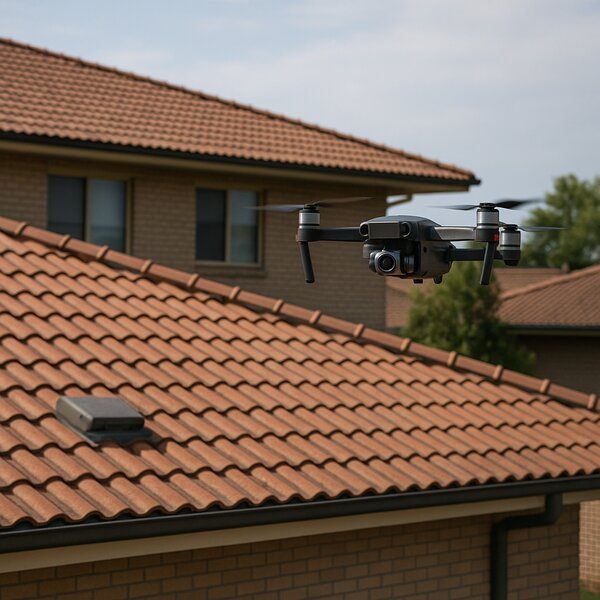

Utilities and telecommunications networks contain thousands of assets spread across cities, regional areas and remote environments. Many of those assets are elevated, energised, difficult to access or distributed across large geographic areas. Professional utility and telecom drone inspections can help asset owners and maintenance teams obtain detailed visual information without relying solely on work-at-height access or ground-based observation.
Flying Glass provides utility and telecom drone inspections across Australia for network operators, utilities, telecommunications providers, engineering teams, infrastructure owners and maintenance contractors.
Depending on the project, our crews can inspect powerlines, poles, transmission towers, substations, telecommunications towers, antennas, rooftop equipment and other critical infrastructure using professional high-resolution visual and thermal imaging systems where appropriate.
This capability forms part of our broader drone inspections Australia service for commercial, industrial and infrastructure assets across metropolitan, regional and remote locations.
Need Utility or Telecommunications Assets Inspected?
Send Flying Glass the asset types, locations, inspection objective, required imagery and any known site constraints. We can assess the utility and telecom drone inspections required and recommend an appropriate aircraft, camera and operating methodology.
Professional Utility and Telecom Drone Inspections
Utility and telecom drone inspections can support condition monitoring, maintenance planning, defect identification and asset documentation across electricity and communications networks.
Potential inspection targets include:
- Transmission towers
- Distribution poles
- Powerlines and conductors
- Insulators and fittings
- Crossarms
- Substations
- Telecommunications towers
- Antennas and dishes
- Mounting systems
- Rooftop communications equipment
- Electrical infrastructure
- Remote network assets
The appropriate capture method depends on the asset, level of detail required, operating environment and whether the client needs one-off inspection imagery or a repeatable inspection program.

Powerline and Transmission Tower Drone Inspections
Transmission infrastructure can extend across large distances and include structures that are difficult to inspect efficiently from ground level.
Utility and telecom drone inspections can provide detailed aerial views of towers, conductors, insulators, attachment points and associated hardware.
Depending on the inspection brief, imagery may support review of:
- Insulator condition
- Conductor fittings
- Crossarms
- Tower steelwork
- Bolts and connections
- Visible corrosion
- Mechanical damage
- Vegetation proximity
- Bird nests or foreign objects
- General asset condition
High-resolution aerial imagery can also provide valuable context around an identified issue, showing its relationship to the wider structure and surrounding environment.
Power Pole and Distribution Network Inspections
Distribution networks can involve very large numbers of poles spread throughout suburban, regional and rural environments.
Utility and telecom drone inspections can support visual assessment of poles and associated hardware without requiring elevated access for every initial inspection.
Potential areas of interest may include:
- Crossarms
- Insulators
- Transformers
- Conductors
- Connections
- Hardware
- Visible deterioration
- Vegetation interaction
- Storm damage
- General structural condition
Where asset owners manage large portfolios, standardising the required viewpoints and image sequence can make inspection datasets easier to review across multiple poles and locations.
Substation Drone Inspections
Substations contain dense electrical infrastructure where visibility from normal ground positions can be limited.
Utility and telecom drone inspections can provide additional visual perspectives of structures and equipment where the operating environment allows.
Depending on the site, drone imagery may support inspection of:
- Bus structures
- Insulators
- Conductors
- Connections
- Support structures
- Transformers and associated equipment
- Roofs
- Perimeter infrastructure
- General site condition
Every substation environment needs site-specific planning around electrical hazards, clearances, access controls and the requirements of the network operator.
Telecom Tower Drone Inspections
Telecommunications towers are another strong application for utility and telecom drone inspections.
Aerial imagery can provide detailed visual coverage of equipment located high on towers without requiring technicians to climb simply to obtain an initial visual assessment.
Potential inspection subjects include:
- Panel antennas
- Microwave dishes
- Mounting brackets
- Cables
- Connectors
- Support structures
- Tower steelwork
- Visible corrosion
- Loose or damaged components
- Lightning-protection infrastructure
Where a technical issue is identified, the imagery can help maintenance teams understand the location and nature of the problem before organising physical access.
Rooftop Telecommunications Equipment
Telecommunications infrastructure is not limited to freestanding towers. Rooftops, commercial buildings and other structures may carry antennas, dishes and supporting equipment.
Utility and telecom drone inspections can help document rooftop systems where access is restricted, inconvenient or requires additional safety controls.
Drone imagery may assist with:
- Antenna condition
- Mounting hardware
- Cabling
- Dish alignment observations
- Support frames
- Roof condition around equipment
- General installation documentation
Where the roof itself also requires detailed assessment, Flying Glass can provide dedicated drone roof inspection services.
Thermal Imaging for Utility Inspections
Some utility and telecom drone inspections may benefit from thermal imaging where abnormal heat patterns form part of the inspection objective.
Potential applications can include:
- Electrical connections
- Substation assets
- Switchgear-related infrastructure
- Solar assets
- Electrical equipment
- Selected telecommunications equipment
Thermal imagery should always be interpreted in context. Ambient conditions, operating load, emissivity, distance and surface material can all influence what the camera records.
Flying Glass can provide thermal capture where appropriate, with a dedicated Thermal Drone Inspections service planned as part of our wider inspection capability.
High-Resolution Inspection Imagery
The usefulness of utility and telecom drone inspections depends heavily on image quality and the way the asset is captured.
Flying Glass can use high-resolution cameras and suitable lenses to document assets from useful viewing angles while maintaining appropriate operating distances.
Depending on the project, deliverables may include:
- High-resolution still imagery
- 4K or higher-resolution video
- Targeted close-up views
- Wide contextual imagery
- Asset-by-asset image sets
- Repeat inspection images
- Thermal imagery where required
- Organised file structures aligned to asset IDs where agreed
The inspection plan should be developed around what the engineering or maintenance team actually needs to review rather than collecting large quantities of footage without a defined purpose.
Repeatable Utility and Telecom Drone Inspections
For network operators managing large numbers of assets, recurring utility and telecom drone inspections can provide a consistent visual history over time.
Repeat capture may support monitoring of:
- Corrosion
- Component deterioration
- Storm damage
- Vegetation interaction
- Changes following maintenance
- Asset upgrades
- Construction activity
- Long-term condition trends
Flying Glass can establish consistent viewpoints, image sequences and naming conventions where repeatability is important.
Inspection Programs Across Large Asset Networks
Utility and telecom operators often manage infrastructure across hundreds or thousands of kilometres.
For larger programs, utility and telecom drone inspections can be structured around repeatable workflows rather than treating every site as an unrelated one-off job.
A program may standardise:
- Asset identification
- Required viewpoints
- Capture sequence
- Camera settings
- Thermal requirements
- File naming
- Folder structure
- Inspection frequency
- Escalation of identified issues
This can make the resulting information much easier for asset-management teams to review and compare.
Remote and Regional Infrastructure Inspections
Many electricity and telecommunications assets are located outside major cities. Flying Glass provides utility and telecom drone inspections throughout regional and remote Australia.
Remote projects may require additional planning around:
- Travel and mobilisation
- Site access
- Communications
- Battery and charging capability
- Weather
- Equipment redundancy
- Accommodation
- Restricted replacement options
For large geographically distributed programs, Flying Glass can also draw on an established network of experienced drone professionals where additional crews or local capability are required.
Utility Drone Inspections After Storms and Severe Weather
Storms, bushfires and other severe weather can affect large areas of network infrastructure in a short period.
Utility and telecom drone inspections can potentially help asset teams obtain visual information from affected areas and prioritise locations requiring closer physical assessment.
Depending on the situation, aerial imagery may document:
- Damaged poles
- Downed or affected lines
- Structural damage
- Vegetation impacts
- Flooded access routes
- Damage around substations
- Tower condition
- Access constraints
Emergency and post-event operations still require appropriate aviation planning and coordination with the asset owner and relevant authorities.
Utility and Telecom Inspections for Maintenance Planning
One of the practical advantages of utility and telecom drone inspections is the ability to gather information before technicians or specialist access crews are mobilised.
Inspection imagery can help teams assess:
- What equipment may be required
- Whether elevated access is likely to be needed
- Which components appear to require attention
- Access conditions around the asset
- Potential safety considerations
- Whether additional specialist inspection is warranted
This does not remove the need for physical maintenance, but it can help teams arrive with a clearer understanding of the task.
Utility and Telecom Drone Inspections and Renewable Energy
Electricity infrastructure increasingly overlaps with renewable-energy generation and storage assets.
Utility and telecom drone inspections may form part of broader projects involving:
- Solar farms
- Wind-energy infrastructure
- Grid connection assets
- Transmission networks
- Substations
- Battery and energy infrastructure
For projects spanning renewable generation as well as electrical infrastructure, Flying Glass also provides specialist renewable energy drone services.
Infrastructure Drone Inspection Capability
Power and communications networks rarely exist in isolation. A project may also include roads, bridges, buildings, rail, water assets or other associated infrastructure.
Where utility and telecom drone inspections form part of a wider project, Flying Glass can also provide broader infrastructure drone services for inspection, documentation, monitoring and specialist aerial operations.
This can be useful for clients managing complex infrastructure portfolios rather than a single asset class.
Reducing Work-at-Height Exposure
One reason clients use utility and telecom drone inspections is to obtain useful visual information without immediately placing personnel at height.
Drones may allow initial inspection of:
- Tower tops
- Antennas
- Crossarms
- Insulators
- Elevated connections
- Rooftop equipment
If the imagery identifies an issue requiring hands-on testing or repair, appropriately qualified personnel can then access the specific location with a clearer understanding of what needs attention.
Drone inspection complements rather than replaces technical expertise.
Working Around Active Electrical and Telecom Assets
Professional utility and telecom drone inspections need to account for more than ordinary aviation risk.
Site-specific considerations may include:
- Energised infrastructure
- Electrical clearances
- Electromagnetic environments
- Active telecommunications equipment
- Restricted-access sites
- Traffic
- Workers and contractors
- Nearby roads or public areas
- Site inductions
- Network-operator procedures
Flying Glass works with the asset owner or site representative to understand the local operating environment before flight.
Utility and Telecom Drone Inspections Across Australia
Flying Glass provides utility and telecom drone inspections across metropolitan, regional and remote Australia.
We can support projects throughout:
- New South Wales
- Victoria
- Queensland
- Western Australia
- South Australia
- Tasmania
- Australian Capital Territory
- Northern Territory
- Regional and remote network locations
Our capability is not limited to a particular list of cities. For major contracts, Flying Glass can mobilise crews and establish operational capability around the geographic footprint of the client and network.
Why Choose Flying Glass for Utility and Telecom Drone Inspections?
Effective utility and telecom drone inspections require professional imaging, consistent capture methodology and the aviation capability to operate around complex infrastructure environments.
- Professional commercial drone crews experienced in complex operating environments
- High-resolution visual imaging for engineering and maintenance review
- Thermal capability where appropriate
- Repeatable inspection workflows for asset-monitoring programs
- Infrastructure and industrial experience
- Remote-site capability for regional and distributed networks
- Multi-site capability for larger asset portfolios
- Advanced aviation experience for difficult airspace and locations
- Professional equipment redundancy for important inspection programs
- Australia-wide operations designed around project requirements
Frequently Asked Questions About Utility and Telecom Drone Inspections
What utility assets can drones inspect?
Utility and telecom drone inspections can support visual assessment of powerlines, transmission towers, distribution poles, insulators, substations, telecommunications towers, antennas and other elevated infrastructure.
Can drones inspect powerlines?
Yes, potentially. Drones can capture high-resolution imagery of conductors, fittings, insulators, tower structures and other visible components where the operating environment allows.
Can you inspect telecom towers with a drone?
Yes. Utility and telecom drone inspections can provide detailed imagery of antennas, dishes, mounts, cables and tower structures without requiring a technician to climb simply to obtain an initial visual assessment.
Can drones perform thermal utility inspections?
Yes, where thermal imaging is appropriate to the inspection objective. The usefulness of thermal data depends on operating load, environmental conditions, equipment type and capture methodology.
Can you inspect substations?
Potentially. Substation operations require site-specific planning around electrical hazards, clearances and network-operator requirements before a drone is flown.
Can you perform repeat inspections?
Yes. Flying Glass can establish repeatable utility and telecom drone inspections for asset owners requiring consistent data over time or across multiple sites.
Can you inspect remote power or telecommunications assets?
Yes. Flying Glass operates throughout Australia and can mobilise crews for regional and remote infrastructure projects.
Can you organise images by asset number?
Yes, where agreed as part of the project. We can structure capture and file naming around client asset IDs or other established asset-management conventions.
Do drone inspections replace technicians or engineers?
No. Utility and telecom drone inspections provide visual and thermal information that can support qualified technical teams. Physical testing, engineering interpretation and repair still require the appropriate specialists.
Discuss Your Utility or Telecom Inspection Program
If your organisation requires professional utility and telecom drone inspections, send Flying Glass the asset types, locations, inspection objectives, expected outputs and any network or site requirements.
We can assess the proposed assets, design an appropriate capture workflow and work with engineering, asset-management and maintenance teams to collect consistent, useful imagery across individual sites or larger networks.
Whether the project involves transmission towers, distribution poles, substations, telecom towers, rooftop equipment or geographically distributed infrastructure, Flying Glass can provide professional drone inspection capability across Australia.
Contact Flying Glass to discuss your utility and telecom drone inspections.