australia drone licence Course REPL Flying Glass

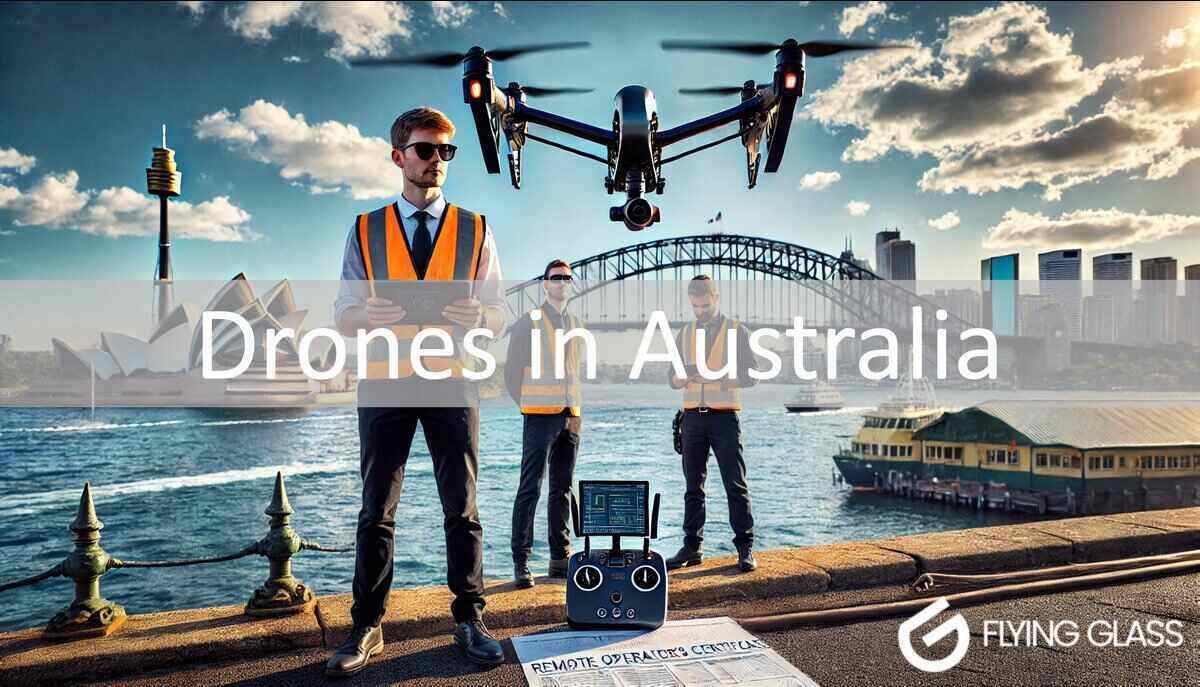
Australia offers some of the world’s most spectacular locations for drone operators. From the iconic Sydney Harbour to the rugged landscapes of the Outback, opportunities for drone work are endless. However, for international drone operators, obtaining an Australia drone licence and understanding the country’s regulatory environment can be daunting. This post explores the top logistical and legal challenges international drone operators face when trying to secure an Australia drone licence and how to navigate them. Whether you’re a filmmaker, surveyor, or working in agriculture, understanding the process and rules is key to avoiding costly mistakes and ensuring smooth drone operations in Australia.


Challenge 1: Understanding Australia’s Airspace Regulations

One of the first challenges that international operators face when coming to Australia is understanding the airspace regulations. Australia’s Civil Aviation Safety Authority (CASA) oversees the airspace and enforces stringent rules for both commercial and recreational drone pilots.

What You Need to Know About Australian Airspace

In Australia, controlled airspace is located around major airports and busy urban areas. If you want to fly near these zones, you’ll need approvals that go beyond having an Australia drone licence. Many operators mistakenly believe that once they obtain their licence, they can fly anywhere — but this isn’t the case. Solution: Use CASA’s resources, such as the OpenSky and Can I Fly There? apps, to understand where you can fly. These apps allow operators to check real-time information on restricted airspace and provide clear guidelines for legal flying. Additionally, if you plan on flying in controlled airspace or near airports, you will need to apply for special permits in advance. At Flying Glass, we can help international operators secure the necessary permissions to fly in these restricted areas. Our consultancy services are designed to assist with navigating Australia’s airspace regulations and securing CASA approvals for your project.


Challenge 2: Obtaining an Australia Drone Licence (RePL)

If you’re planning to operate drones commercially in Australia, securing an Australia drone licence (Remote Pilot Licence or RePL) is essential. The RePL is required for operators looking to fly drones that weigh over 2 kg or perform specific operations such as flying beyond visual line of sight (BVLOS) or in controlled airspace.

RePL vs. Overseas Licences

Many international drone operators already hold drone licences in their home countries, but these licences are not automatically valid in Australia. You’ll need an Australia drone licence to legally operate in the country. Additionally, the requirements for an Australian licence may be different from those in other countries, so it’s important to understand what’s involved. Solution: Flying Glass offers comprehensive RePL training for international operators. Our course covers everything from Australian air law and operational procedures to advanced flying techniques. The course takes place over several days, with classroom-based theory and practical flying assessments at our private field. This ensures you’re fully prepared for the licensing exam and can legally operate drones in Australia.


Challenge 3: Navigating Operational Rules in Australia

Australia has some of the strictest operational rules for drones in the world. While operators in other countries may have more relaxed rules, CASA enforces tight restrictions to ensure safety in the skies. Understanding and complying with these operational rules is essential for both safety and legality.

Key Rules for Drone Operators in Australia

Some of the key rules that international operators need to be aware of include:

  • Altitude Restrictions: You cannot fly your drone higher than 120 metres (400 feet) above ground level.
  • Line of Sight: You must always keep your drone within your visual line of sight.
  • Distance from People: Drones must stay at least 30 metres away from other people not involved in the operation.
  • Daylight Only: Flying is only permitted during daylight hours unless you have special CASA approval for night operations.

Failing to comply with these rules can result in hefty fines or legal action. Solution: Before starting your project in Australia, take the time to review CASA’s Part 101 regulations, which outline the operational rules for drone flights. At Flying Glass, we offer consultancy services to help international operators understand and comply with these rules, ensuring that you’re fully prepared to operate legally.


Challenge 4: Securing Approvals for Special Operations

Flying in Australia often requires more than just obtaining an Australia drone licence. If your project involves flying near sensitive areas such as airports, military bases, or national parks, you’ll need to secure additional approvals from CASA.

Examples of Special Operations in Australia

  • Controlled Airspace: Flying within 5.5 km of a controlled airport requires prior approval from CASA.
  • Populous Areas: Flying over populated areas, such as beaches or parks, requires special permission.
  • National Parks: In some national parks, such as Kakadu, drone flying is prohibited without a permit.

Solution: Securing CASA approvals can be a complex process, especially for international operators unfamiliar with the system. Flying Glass can assist you in obtaining the necessary permits for your project. We handle the entire process, from preparing the documentation to liaising with CASA, ensuring your approvals are in place before your operation begins.


Challenge 5: Adapting to Australia’s Diverse Flying Environments

Australia’s vast and diverse landscapes present unique challenges for drone operators. Whether you’re flying over Sydney’s iconic landmarks or conducting aerial surveys in the Outback, each environment requires a different approach.

Challenges in Urban Areas

In cities like Sydney and Melbourne, drone operators must contend with crowded airspace, tall buildings, and frequent flight restrictions. The weather in these cities can also be unpredictable, with sudden changes that could affect your operation.

Challenges in Remote Areas

In contrast, operating in remote areas such as the Australian Outback brings challenges like extreme heat, long distances, and limited infrastructure. Drones may struggle with battery life, and finding suitable locations for charging and maintenance can be difficult. Solution: Adapting your drone operations to the local environment is critical. Use weather apps and flight planning tools to anticipate conditions, and ensure you have enough backup equipment and power supplies for remote operations. Flying Glass has extensive experience working in both urban and rural environments across Australia, and we offer tailored solutions to help international operators manage these challenges.


Challenge 6: Insurance and Liability Requirements

Commercial drone operations in Australia come with strict liability and insurance requirements. You must carry public liability insurance to cover any damages or injuries caused by your drone. Many clients will not work with an operator unless they can provide proof of adequate insurance.

Insurance for Drone Operations in Australia

In Australia, public liability insurance covers property damage, personal injury, and legal fees resulting from a drone-related incident. This is particularly important for international operators who may not have local insurance coverage. Solution: Before arriving in Australia, ensure that your insurance policy meets local requirements. If you’re unsure, Flying Glass can provide guidance or arrange insurance coverage through local providers, ensuring that you meet all legal obligations and can operate safely.
australia drone licence Course REPL Flying Glass


Challenge 7: Partnering with Local Operators

For international operators, one of the most effective ways to overcome the challenges of operating in Australia is by partnering with local drone service providers. Local operators have a deep understanding of the regulations, airspace, and logistical challenges that come with flying in Australia.

Benefits of Partnering with Local Operators

  • Local Expertise: Local operators understand the specific rules and regulations of their region, ensuring compliance with CASA requirements.
  • Faster Approvals: Local operators can help secure approvals faster and more efficiently than international operators trying to navigate the system from abroad.
  • Flexibility: Working with a local partner ensures you have the flexibility to handle any unexpected challenges that arise during your project.

Solution: Flying Glass is one of Australia’s leading drone service providers, offering consultancy, pilot services, and equipment hire for international clients. We have experience working on major projects in both urban and rural settings and can provide fully certified operators or support international teams in getting their Australia drone licence and necessary approvals.


Conclusion: Navigating the Challenges of an Australia Drone Licence

For international operators, obtaining an Australia drone licence and navigating the country’s complex airspace and regulatory environment can be challenging. However, with the right support and preparation, you can overcome these hurdles and carry out successful drone operations in Australia. Flying Glass offers a range of services to help international operators meet these challenges. From RePL training and consultancy to securing CASA approvals and providing experienced local pilots, we’re here to ensure your project is a success.

How to Pilot a Drone Safely and Legally Beginners Guide to Flying

Drones have become an incredibly popular hobby, offering people the chance to explore the skies, capture stunning aerial photos and videos, and even participate in racing. If you’re new to flying drones, it can feel overwhelming at first, but don’t worry. This guide will walk you through the basics of piloting a drone, from learning the controls to understanding the legal rules you need to follow in Australia. By the end of this post, you’ll have a solid understanding of how to safely pilot drone and make the most out of your new flying hobby.


Step 1: Getting Started – Choosing the Right Drone

Before you start flying, the first step is choosing the right drone for your needs. Drones come in various sizes and with different levels of complexity, so it’s important to pick one that suits your skill level.

Beginner Drones to Consider:

  • DJI Mini 2: Lightweight, easy to fly, and doesn’t require a drone licence for recreational use in Australia.
  • Ryze Tello: A budget-friendly option perfect for indoor practice and beginners who want to learn the basics.
  • Holy Stone HS720: A great entry-level drone that offers more advanced features like GPS positioning and a high-quality camera.

As a beginner, it’s best to start with a drone that is easy to control and has built-in stabilisation features, helping you get a feel for flying before moving on to more advanced models.


Step 2: Understanding the Basic Controls

Now that you’ve got your drone, it’s time to learn the controls. While different drones may have slightly varied layouts, most drone controllers have the same basic functions. Here’s a breakdown of the main controls you’ll use to pilot drone:

1. Left Stick – Throttle and Yaw

  • Throttle: Moving the left stick up and down controls the altitude of your drone. Push the stick up to make the drone ascend, and pull it down to descend.
  • Yaw: Moving the left stick left or right rotates the drone on its axis. This is useful for changing the direction your drone is facing without moving forward or backward.

2. Right Stick – Pitch and Roll

  • Pitch: Moving the right stick up or down tilts the drone forward or backward, allowing it to move in those directions.
  • Roll: Moving the right stick left or right makes the drone move horizontally in those directions.

3. Trim Controls

These are smaller controls that help you fine-tune the drone’s balance. Use the trim to adjust if your drone is drifting to one side or not hovering steadily.


Step 3: Learning to Fly – Basic Techniques for Beginners

Before you take your drone to the skies, it’s important to practice the basics. Start by flying in an open, obstacle-free area like a park or large field. Here are some beginner flying techniques to get you started:

1. Hovering

Hovering is one of the first skills to master as a pilot drone. Practice keeping the drone steady in the air without moving in any direction. This will help you understand how the controls affect the drone’s balance and stability.

2. Takeoff and Landing

Once you’re comfortable hovering, practice smooth takeoffs and landings. Gradually increase the throttle to lift the drone off the ground, and reduce the throttle slowly to bring it back down. Proper takeoff and landing are key to avoiding crashes and keeping your drone in good condition.

3. Basic Maneuvers

After mastering hovering, try some basic movements like flying forward, backward, and side-to-side using the pitch and roll controls. Practice changing directions and rotating the drone (yaw) while keeping it steady in the air.

4. Flying in a Square Pattern

A good exercise for beginners is to fly the drone in a square pattern. This will help you get used to using both the throttle and pitch controls together while maintaining control over the drone.


Step 4: Legal Considerations for Recreational Pilot Drone in Australia

As fun as flying a drone is, it’s essential to be aware of the legal requirements that apply to recreational pilot drone in Australia. The Civil Aviation Safety Authority (CASA) governs the use of drones, and there are specific rules you must follow to fly safely and legally.

Key Legal Requirements:

  • Altitude Limit: Drones must not fly higher than 120 metres (400 feet) above ground level.
  • Visual Line of Sight (VLOS): You must keep your drone within your visual line of sight at all times. This means being able to see the drone with your own eyes (not through a screen or camera).
  • No Flying Near People: Keep your drone at least 30 metres away from people who are not involved in the operation.
  • No-Fly Zones: Avoid flying in restricted areas, such as near airports, emergency operations, or over crowded areas. You can check CASA’s Can I Fly There? app to find out where it’s safe to fly.
  • No Commercial Use: If you’re flying for fun, you don’t need a licence, but if you want to operate a drone commercially, you’ll need to get a Remote Pilot Licence (RePL).

Step 5: Safety Tips for Beginner Pilot Drone

Flying a drone comes with responsibilities, especially when it comes to safety. Here are some essential safety tips for beginner pilot drone:

1. Check the Weather Before Flying

Windy conditions can make it difficult to control your drone, especially if you’re flying a lightweight model. Avoid flying in strong winds, rain, or fog, as these conditions can affect your drone’s performance.

2. Fly in Open Spaces

For your first flights, choose a location that is free from obstacles like trees, power lines, or buildings. This will give you more room to maneuver and reduce the risk of crashing.

3. Keep an Eye on Battery Life

Drones have limited battery life, typically lasting 15-30 minutes per flight. Keep an eye on your drone’s battery level and make sure to land before it runs out. Many drones have built-in alerts that warn you when the battery is running low.

4. Always Follow the Drone’s Flight Path

Avoid flying your drone beyond your line of sight or into areas where you can’t see its exact position. Flying blind can result in crashes or loss of control, especially in unfamiliar areas.

5. Be Aware of Surroundings

Even in open spaces, it’s important to stay aware of your surroundings. Watch out for other people, animals, and objects that could interfere with your flight or cause accidents.


Step 6: Drone Maintenance – Keeping Your Drone in Top Shape

To get the most out of your drone, regular maintenance is essential. Keeping your drone in good condition not only ensures longer flight times but also helps prevent unexpected issues in the air.

1. Clean the Propellers and Motors

After each flight, check your drone’s propellers and motors for dust, dirt, or debris. Gently clean the propellers using a soft brush or cloth. If the motors have accumulated dirt, use compressed air to clean them out.

2. Check the Battery

Inspect your drone’s battery before and after each flight. Make sure it’s fully charged before flying and avoid overcharging it, as this can shorten its lifespan. Store the battery in a cool, dry place when not in use.

How to Pilot a Drone Safely and Legally Beginners Guide to Flying

3. Inspect the Frame

Check your drone’s frame for any cracks or damage, especially after a rough landing. Repair or replace any damaged parts before your next flight to prevent further issues.

4. Firmware Updates

Manufacturers regularly release firmware updates that improve your drone’s performance and add new features. Make sure to keep your drone’s firmware up to date to ensure smooth and safe flying.


Conclusion: Take Flight and Enjoy the Skies

Flying a drone for the first time can be an exciting experience, offering you a whole new perspective on the world. By following the steps outlined in this guide, you’ll be well on your way to safely and confidently piloting your drone. Remember to practice regularly, fly within the legal limits, and always put safety first. At Flying Glass, we offer expert advice and services for those looking to take their drone skills to the next level. Whether you’re a beginner looking to upgrade or an experienced pilot drone seeking professional opportunities, our team can help. Be sure to check out our showreel to see what’s possible with advanced drone operation, and contact us for any inquiries about professional drone services.

Drones Australia drone operator AU UAV RPA Sydney

The drones Australia industry has grown exponentially over the last decade, becoming one of the leading sectors for innovation and technological advancements. From agriculture and mining to filmmaking and real estate, drones  Australia have reshaped how businesses operate, streamlining processes and offering new opportunities for data collection, visualisation, and automation. In this post, we’ll explore the landscape of the drones Australia industry, its widespread applications, the regulations that govern it, and future trends that will drive its growth.


Overview of the Drones Australia Industry

Australia has emerged as one of the most advanced markets for drones, with applications spanning across various sectors. The commercial use of drones has grown rapidly, driven by advancements in drone technology and the growing recognition of the efficiency and cost-effectiveness they offer. According to recent studies, the global drone market is expected to reach USD 43 billion by 2026, with Australia playing a significant role in this growth. The country’s vast and diverse landscapes make it an ideal environment for drone operations, particularly in industries like agriculture, mining, and environmental monitoring.

The Role of Flying Glass in the Drones Australia Industry

Flying Glass is at the forefront of Australia’s drone industry, providing high-quality drone operator services across sectors like TV, film, commercials, and beyond. Our experienced team has worked on projects with leading networks and streaming giants, including Netflix, Amazon, and BBC. Our showreel showcases the dynamic, cinematic shots we’ve captured for high-profile productions, demonstrating the creative possibilities of drone technology. Beyond our core services, we also offer consultancy to help businesses and individuals navigate the complex landscape of drone regulations in Australia. From securing approvals to developing operational procedures, our team ensures that your drone operations are legal, safe, and efficient.


Key Sectors Using Drones in Australia

The versatility of drones has seen their adoption across many industries in Australia. Some of the most significant sectors benefiting from drone technology include:

1. Agriculture

One of the largest adopters of drone technology is the agricultural sector. Farmers are using drones for precision agriculture, allowing them to monitor crops, assess soil conditions, and optimise water usage. Drones equipped with multispectral sensors can also detect early signs of disease in crops, enabling proactive management and improving yields.

2. Mining

The mining sector in Australia has been transformed by drone technology. Drones and drone accessories are used for mapping, surveying, and monitoring mining sites, offering a safer and more cost-effective alternative to traditional methods. Flying Glass has worked with mining companies to provide aerial surveys and data collection, helping them optimise operations and reduce environmental impact.

3. Real Estate

Drones have become an essential tool in real estate marketing, providing aerial shots that showcase properties in a way that traditional photography cannot. High-quality drone footage can highlight a property’s surroundings, give potential buyers a better sense of the location, and add a unique visual appeal to listings.

4. Environmental Monitoring

Environmental agencies use drones to monitor wildlife, assess forest health, and track changes in ecosystems. Drones are particularly useful for accessing remote areas, collecting data that would otherwise be difficult or costly to obtain. They are also used to monitor endangered species and support conservation efforts.

5. Film and TV Production

Drones have revolutionised aerial cinematography, offering filmmakers a new way to capture dynamic and smooth footage. Flying Glass has been a key player in this space, working on major productions in Australia and internationally. Our hover drones and advanced equipment ensure precision and stability, allowing filmmakers to capture breathtaking aerial shots with ease.


Regulations and Government Policies Affecting Drone Operations

While the drone industry in Australia is thriving, it operates under strict regulations enforced by CASA (Civil Aviation Safety Authority). Businesses and individuals looking to fly drones commercially must comply with a range of rules and obtain the necessary certifications, such as the Remote Pilot Licence (RePL) and the REOC (Remote Operator’s Certificate).

Key Drone Regulations in Australia

  • Altitude Limit: Drones must not fly higher than 120 metres (400 feet) above ground level.
  • Visual Line of Sight: Pilots must keep the drone within their visual line of sight at all times.
  • No-Fly Zones: Drones cannot be flown near airports, emergency operations, or over populous areas without prior approval from CASA.
  • Commercial Operations: Businesses operating drones commercially must have an REOC and all drone pilots must be certified with an RePL.
  • Drones Australia drone operator AU UAV RPA Sydney

Future Projections and Innovations in the Australian Drone Market

The future of the drones Australia industry looks bright, with several trends expected to drive further growth:

1. Increased Automation

Advancements in artificial intelligence (AI) and machine learning are leading to more autonomous drones. In the future, we can expect to see drones performing more complex tasks without human intervention, such as autonomous inspections or deliveries.

2. BVLOS (Beyond Visual Line of Sight) Operations

As regulations evolve, BVLOS operations are becoming more common. These operations allow drones to fly beyond the pilot’s line of sight, opening up new possibilities for industries like logistics, surveillance, and environmental monitoring.

3. Drone Swarms

Another emerging trend is the use of drone swarms—multiple drones working together to achieve a single goal. This technology could revolutionise industries like agriculture, where drones could work in tandem to plant seeds, monitor crops, and apply pesticides more efficiently.

4. 5G and Improved Connectivity

The rollout of 5G technology is expected to have a significant impact on the drone industry. With faster and more reliable connections, drones will be able to transmit data in real-time, improving coordination and expanding the potential applications for drone technology.


Conclusion: The Future of Drones Australia

The drones Australia industry is expanding rapidly, offering new opportunities for businesses and individuals alike. Whether you’re in agriculture, mining, real estate, or filmmaking, drones are transforming the way industries operate, providing efficiency, cost savings, and new perspectives. At Flying Glass, we are proud to be at the forefront of this industry, offering expert drone services, drone training, consultancy, and support to help businesses navigate the complexities of drone regulations and get the most out of this powerful technology. Check out our showreel to see some of the incredible footage we’ve captured, and get in touch with us to learn how we can help elevate your business with drone technology.

drone license RPA license CASA REPL REOC

Drones have taken centre stage in many industries over the past decade, revolutionising the way we capture imagery, survey land, and even deliver goods. But to take advantage of the vast opportunities that drones present, you need more than just access to a good drone—you need a drone license. With a license, drone pilots can work commercially, whether in Australia, the United States, or Europe, unlocking a wide range of career opportunities. A drone license isn’t just a legal requirement for commercial operations; it’s a gateway to exciting new fields like aerial cinematography, agricultural surveying, real estate marketing, infrastructure inspections, and even drone-based deliveries. Whether you’re looking to work in the film and TV industry, take your agricultural knowledge to the skies, or explore new opportunities in inspection services, getting certified is the first step. Flying Glass, with its extensive experience and international certifications, provides top-tier training to help you get your license and embark on your new career.


What is a Drone License and Why Do You Need One?

A drone license is a certification that allows pilots to operate drones for commercial purposes legally. In many countries, including Australia, the United States, and throughout Europe, flying a drone for any form of payment or for work purposes without a license is illegal. The regulations are designed to ensure that operators are trained and knowledgeable about flight safety, airspace restrictions, and how to handle potential hazards. In Australia, this license is known as the Remote Pilot Licence (RePL), issued by the Civil Aviation Safety Authority (CASA). In the USA, commercial operators must obtain a Part 107 license from the Federal Aviation Administration (FAA), while Europe follows the guidelines set by the European Union Aviation Safety Agency (EASA). Flying Glass is certified to provide training that meets the requirements of all these regions, making it the perfect starting point for your drone career.


What Career Opportunities Does a Drone License Open Up?

Getting your drone license doesn’t just give you the legal right to fly for work—it opens up a wide array of job opportunities across many industries. Drones have become essential tools in fields like filmmaking, real estate, construction, agriculture, and even emergency response. Once you’re licensed, here are some of the exciting career paths you can explore:

1. Aerial Cinematography and Photography

One of the most visually striking uses of drones is in the film and television industry. Drones provide a unique perspective for capturing sweeping landscapes, dynamic cityscapes, and intricate shots that were once only possible with helicopters or cranes. A licensed drone operator is in high demand in the world of aerial cinematography. At Flying Glass, we specialise in providing drone services for TV, film, and TVCs, with our licensed pilots working on high-profile projects for companies like Netflix, BBC, and Amazon. Whether you want to capture stunning footage of Sydney’s iconic Harbour, remote wilderness locations, or complex city environments, holding a drone license opens the door to exciting and creative opportunities in aerial filmmaking.

2. Real Estate Marketing

The real estate industry has embraced drones for their ability to capture high-quality aerial images and videos of properties. Licensed drone pilots are hired to provide aerial tours of homes, commercial buildings, and large estates, helping real estate agents and developers showcase properties in a way that traditional photography cannot. With a drone license, you can work with real estate companies to provide stunning aerial views of properties, giving prospective buyers a clear view of the land, layout, and surrounding neighbourhood. This is particularly useful for showcasing large rural properties, luxury homes, or new developments that benefit from a top-down view.

3. Infrastructure and Construction Inspections

Drones are revolutionising the way construction companies and infrastructure managers perform inspections. Licensed drone pilots are employed to carry out aerial surveys of bridges, roads, pipelines, and buildings. Using drones, inspectors can safely examine difficult-to-reach areas and identify any issues without putting workers in danger. Drone inspections are faster, more cost-effective, and provide more detailed results than traditional methods. With your drone license, you can work with construction firms, government bodies, and utility companies to conduct these inspections. This sector is seeing huge growth, with more and more companies realising the benefits of drone-based inspections for both safety and efficiency.

4. Agriculture and Land Management

In the agricultural sector, drones are being used to monitor crops, survey large areas of farmland, and even apply pesticides. Licensed drone pilots can use aerial data to help farmers improve crop yields, monitor the health of their fields, and manage irrigation more effectively. A drone license enables you to work with agricultural businesses, providing services that improve efficiency and productivity. With drones, you can capture data that helps farmers monitor soil health, identify pest infestations, and make more informed decisions about their crops. In this field, drone pilots are increasingly becoming an essential part of precision agriculture.

5. Emergency Response and Search and Rescue

Drones are also being employed in emergency response situations, where they can provide real-time information to first responders. Whether it’s searching for missing people, assessing natural disaster areas, or assisting in firefighting efforts, drones can cover large areas quickly and safely, providing crucial information to ground teams. A licensed drone operator can work with emergency services, local governments, and non-profits to provide aerial support during these critical operations. Having a drone license can make you an essential part of a search and rescue team, helping save lives with technology.


Flying Glass Drone School: Your Gateway to Certification

To unlock these exciting career opportunities, the first step is getting your drone license—and that’s where Flying Glass comes in. As one of Australia’s leading drone training providers, we offer comprehensive courses that prepare you for both national and international licensing requirements. Whether you’re looking to get certified in Australia with the RePL or need guidance for flying in the USA or Europe, Flying Glass has you covered. Our drone school provides a mix of theoretical and practical training, covering everything from aviation regulations and airspace classifications to flight safety and emergency procedures. With our expert trainers, you’ll gain the skills and confidence you need to operate drones professionally and safely.

Customised Training for Organisations

Flying Glass also offers bespoke training solutions for businesses, councils, and government organisations. We understand that every organisation has unique needs when it comes to drone operations, which is why we tailor our courses to meet those requirements. From infrastructure inspections to emergency response training, we design our programs to fit the specific needs of your team. We also offer on-site training, allowing us to come to your location and deliver custom courses that prepare your team for the real-world challenges they’ll face. With a drone license from Flying Glass, your team will be ready to tackle any aerial job with professionalism and expertise.


What You Need to Know About Getting a Drone License in Australia

In Australia, getting a drone license requires completing a CASA-approved course, such as the one offered by Flying Glass. The course covers both theory and practical components, ensuring that you understand not only how to operate a drone safely but also how to navigate Australia’s complex airspace and regulatory environment. Some of the key areas covered in the training include:

  • Airspace and Flight Regulations: Understanding controlled, restricted, and prohibited airspace.
  • Flight Safety: Learning how to manage risk and respond to emergencies during flight operations.
  • Practical Flying: Hands-on experience operating drones in a range of environments.

Once you’ve completed the course and passed the required assessments, you’ll be issued a Remote Pilot Licence (RePL), which allows you to operate drones commercially in Australia. With this license, you can also apply for endorsements that permit you to conduct more advanced operations, such as flying at night or operating in controlled airspace.

drone license RPA license CASA REPL REOC


Getting a Drone License in the USA and Europe

In addition to helping you get licensed in Australia, Flying Glass also provides training and consultancy services for obtaining a drone license in the USA and Europe. Each region has its own regulations, but the key principles are the same: safe, responsible flying and compliance with local laws.

The United States

In the United States, commercial drone operators are required to obtain a Part 107 license from the Federal Aviation Administration (FAA). The Part 107 exam covers topics such as airspace classifications, flight restrictions, and aviation weather, as well as drone-specific knowledge like remote identification. Flying Glass offers guidance and training that prepares you for the Part 107 exam, ensuring you have the knowledge needed to pass the test and operate legally in the United States.

Europe

In Europe, drone operators must comply with the European Union Aviation Safety Agency (EASA) regulations. The rules for flying drones in Europe vary depending on the country, but EASA sets overarching guidelines that all member states follow. Depending on the category of operation—open, specific, or certified—drone pilots may need different levels of certification. Flying Glass helps you navigate these requirements, ensuring that you’re fully compliant with EASA regulations and ready to work across Europe.


Conclusion: Take Flight with a Drone License from Flying Glass

Obtaining your drone license opens up a world of opportunities across various industries, from film and real estate to agriculture and emergency response. At Flying Glass, we provide the training and expertise you need to get certified and embark on a successful career in drone operations. Whether you’re looking to fly commercially in Australia, the USA, or Europe, we’re here to guide you every step of the way. Contact us today to learn more about our drone training programs, and let us help you unlock the full potential of your drone license.

drone flying rules australia AU law regulations CASA

Flying drones in Australia opens up a world of possibilities, from capturing breathtaking landscapes to conducting complex inspections. But with these opportunities come responsibilities, and it’s crucial to be aware of the drone flying rules Australia has in place. Whether you’re flying for recreation or business, understanding these rules is key to ensuring safe and legal operations. At Flying Glass, we not only offer top-tier drone services but also provide consultancy to help navigate the more complex drone regulations. In this guide, we’ll break down the essential drone flying rules Australia enforces and explain how our expert consultancy can assist with any challenging scenarios you might face.


Why Drone Flying Rules Australia Matter

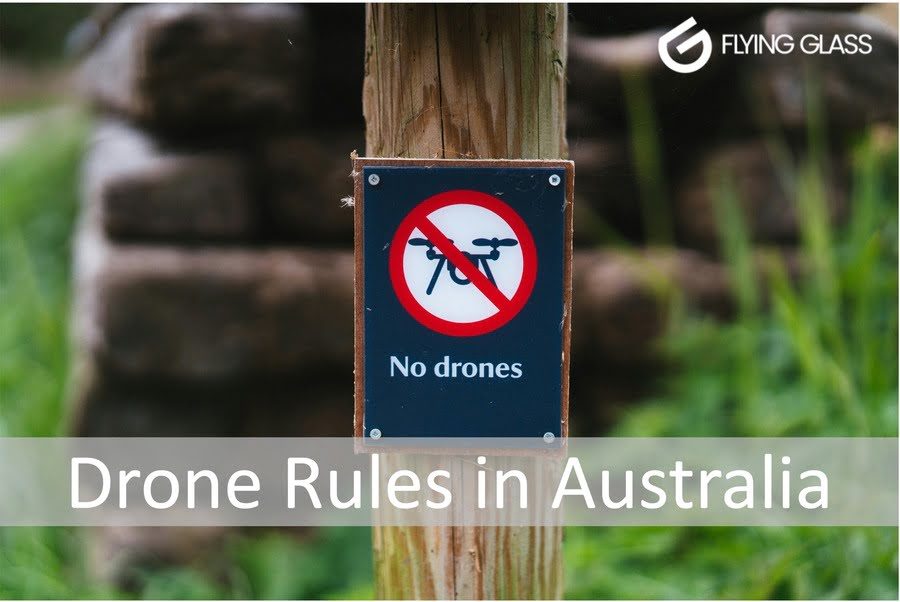
As drones become more popular, the Civil Aviation Safety Authority (CASA) has developed a series of rules and regulations to keep Australia’s skies safe. Drone flying rules Australia are designed to protect both airspace and people on the ground. Ignoring these rules can lead to hefty fines, equipment confiscation, and even legal consequences. For anyone operating drones in Australia, it’s important to be aware of the rules that apply, whether you’re flying a small drone recreationally or managing complex commercial projects. Let’s dive into the drone flying rules Australia pilots need to follow.


Core Drone Flying Rules Australia Pilots Must Follow

1. Drone Registration and Licensing

One of the most important drone flying rules Australia requires is that drones over a certain weight or those used for commercial purposes must be registered with CASA. Additionally, commercial operators need to hold a Remote Pilot Licence (RePL). Recreational drones under 250g don’t need to be registered, but larger drones do. Why It Matters: Ensuring your drone is registered is the first step towards legal compliance. If you’re unsure whether your drone needs to be registered or if you require a licence, our consultancy service can assist you in understanding the legal requirements and navigating the registration process.

2. Flying Below 120 Metres (400 Feet)

A core rule across both recreational and commercial drone operations is the altitude limit. Drones must not be flown higher than 120 metres (400 feet) above ground level. This is to ensure they don’t interfere with other aircraft, such as planes and helicopters, which fly at higher altitudes. Why It Matters: Flying above this limit can result in severe penalties, including fines and the risk of your drone colliding with manned aircraft. Following this key rule keeps everyone safe in the airspace. For those needing more complex flight plans, we offer consultancy to help navigate situations where altitude limits may be a challenge.

3. Maintain Visual Line of Sight (VLOS)

Another important rule within the drone flying rules Australia framework is the requirement to always keep your drone within visual line of sight (VLOS). This means that as a drone operator, you must be able to see your drone with your own eyes during the entire flight, without relying on cameras or external devices. Why It Matters: Maintaining VLOS ensures that you have full control over your drone and can quickly respond to any obstacles or hazards. If your operation requires flying beyond VLOS, such as for complex commercial projects, our consultancy services can help you apply for the necessary permissions from CASA.


Drone Flying Rules Australia for Recreational Operators

For recreational users, CASA has established simpler but still strict rules. Many recreational pilots believe that flying for fun exempts them from regulation, but drone flying rules Australia still apply, no matter how small the drone or informal the flight.

Fly Only in Daylight Hours

One of the drone flying rules Australia imposes on recreational users is that drones must only be flown during daylight hours. Flying at night is more dangerous due to reduced visibility and is restricted unless special permissions are obtained.

Keep Your Distance from People and Crowds

Recreational drone users must also keep their drones at least 30 metres away from people who are not involved in the operation. This rule is especially important when flying in public places like parks, beaches, or outdoor events, where drones can pose a safety risk if they malfunction or crash.

Avoid Restricted Areas

Flying drones near airports, military installations, or emergency sites like fire scenes is strictly prohibited. CASA provides tools, such as the “Can I Fly There?” app, to help recreational users identify safe places to fly. Why It Matters: Breaking any of these rules can result in significant fines, even for casual drone users. Our consultancy services are available to recreational pilots who want to ensure they are operating within the legal guidelines, particularly when flying in urban or sensitive areas.


Drone Flying Rules Australia for Commercial Operators

Commercial drone operations are subject to more complex regulations, and drone flying rules Australia require commercial pilots to meet higher standards. Commercial operators often fly in areas that are restricted for recreational pilots, such as near airports or over populated areas, but these operations require special permissions.

Licensing Requirements

To conduct commercial drone flights, you’ll need a Remote Pilot Licence (RePL) as well as a Remote Operator’s Certificate (ReOC). These certifications are necessary for handling larger drones, flying in controlled airspace, and conducting more complex aerial operations. Navigating the process of obtaining these certifications can be challenging, especially for new operators. At Flying Glass, our consultancy services can guide you through the licensing process, helping you meet all of CASA’s requirements efficiently.

Flying in Controlled Airspace

Controlled airspace, particularly near airports, is one of the most regulated areas for drone pilots. Commercial operators looking to fly in these areas must obtain prior approval from CASA. This involves submitting detailed flight plans and conducting risk assessments to ensure the flight won’t interfere with other aircraft. Why It Matters: Operating in controlled airspace without approval can lead to significant fines and penalties. Our consultancy services provide the expertise needed to secure the necessary approvals for operating in restricted airspace safely and legally.


Consultancy Services for Navigating Drone Flying Rules Australia

While basic drone flying rules Australia are relatively straightforward, the complexities increase significantly when flying in restricted areas, at night, or for commercial purposes. For operators facing these more challenging scenarios, expert guidance is essential. At Flying Glass, we offer consultancy services to help both recreational and commercial operators navigate these complex regulations. Whether you’re planning to fly in a national park, near a crowded city area, or at an industrial site, we can assist with:

  • Preparing flight plans and risk assessments to meet CASA’s requirements.
  • Applying for special permissions for night flights, BVLOS (Beyond Visual Line of Sight) operations, or flights in controlled airspace.
  • Ensuring legal compliance for commercial operations, including obtaining RePL and ReOC certifications.

drone flying rules australia AU law regulations CASA


Penalties for Violating Drone Flying Rules Australia

Breaking the drone flying rules Australia enforces can result in heavy penalties, particularly if the breach results in safety risks to the public or airspace. CASA is vigilant about enforcing these rules, and operators found in violation can face significant fines, depending on the severity of the breach. Common penalties include:

  • Fines for flying too high: Exceeding the 120-metre altitude limit is one of the most frequent violations, with penalties reaching up to $10,000.
  • Fines for flying near airports: Flying too close to airports or in controlled airspace without approval is a serious offence.
  • Penalties for endangering public safety: Flying over crowds, into restricted zones, or causing an obstruction to manned aircraft can result in severe consequences, both legally and financially.

Why It Matters: Ensuring you understand and follow drone flying rules Australia helps protect you from these fines. If you’re ever uncertain about the legalities of a flight, our consultancy services can provide you with the clarity you need.


Conclusion: Master Drone Flying Rules Australia with Flying Glass

The rise of drones has revolutionised the way we capture images, collect data, and explore new angles, but it’s essential to stay within the legal boundaries of drone flying rules Australia. Whether you’re flying for fun or managing a complex commercial project, understanding and adhering to these rules is critical for safe and legal operations. At Flying Glass, we not only provide top-tier drone services but also offer consultancy to guide operators through the complex regulatory landscape. From obtaining permissions for restricted airspace to navigating the finer points of CASA’s requirements, we ensure your drone operations are fully compliant. If you’re ready to elevate your drone operations while staying compliant with the drone flying rules Australia, contact us today to learn more about how we can support your next project.

FLYING GLASS - Copyright © 2026