Drone Gear

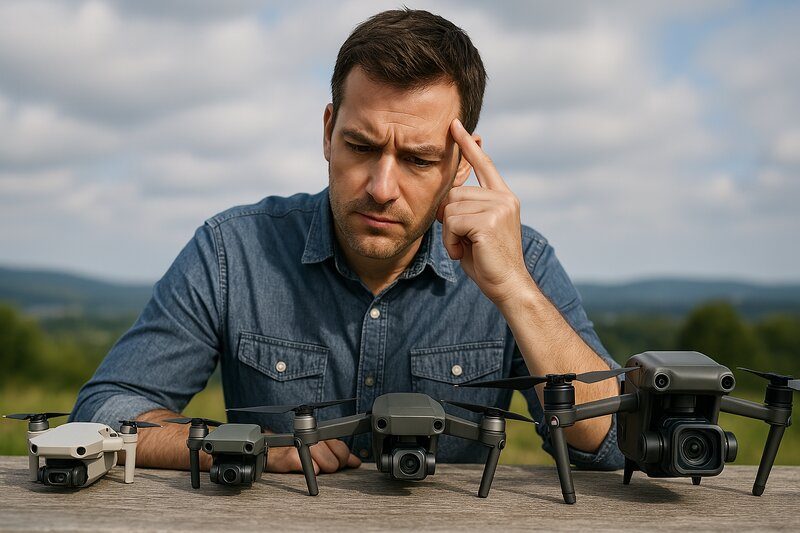
Expert advice, product comparisons, and reviews of the drones and accessories we trust and use at Flying Glass. Learn what to buy, how to maintain your gear, and where to get it.

DJI Mini 4 Pro drone flying in heavy rain – can you fly a DJI Mini 4 Pro in the rain?

Many drone enthusiasts and professionals alike are drawn to the DJI Mini 4 Pro for its compact size, impressive feature set, and lightweight build. However, a common and crucial question arises before taking flight in unpredictable weather: can you fly a DJI Mini 4 Pro in the rain? In this article, we explore this query in-depth, alongside answers to other frequently asked questions about DJI’s popular drone.

Can DJI Mini 4 Pro Fly in Rain?

The short answer is: no, you should not fly the DJI Mini 4 Pro in the rain. Despite its powerful specs, the Mini 4 Pro is not waterproof or water-resistant. Flying in rain or high humidity poses serious risks including water damage to internal components, reduced visibility, erratic flight behaviour, and even complete failure mid-air. DJI clearly states in its user manuals that adverse weather such as rain, snow, or fog is unsuitable for safe drone operation. This applies even more to lightweight drones like the Mini 4 Pro. The motors, gimbal, and sensitive electronics are vulnerable to moisture, which can cause shorts, malfunctions or permanent damage.

DJI Mini 4 Pro Release Date and Key Features

The DJI Mini 4 Pro release date was 25 September 2023. It launched with several major upgrades over the Mini 3 Pro, including omnidirectional obstacle avoidance, ActiveTrack 360, and OcuSync 4.0 video transmission. These features make it ideal for advanced creators, yet it retains the portability and sub-250g weight that makes it compliant with many drone regulations worldwide. It features a 1/1.3-inch CMOS sensor capable of 4K/60fps HDR video and 48MP stills. With 10-bit D-Log M colour profile support, it’s geared for content creators who want flexibility in post-production. The Mini 4 Pro also supports waypoint flights, cruise control, and advanced return-to-home, all packed into a palm-sized aircraft.

Why Choose the DJI Mini 4 Pro Fly More Combo (DJI RC 2)?

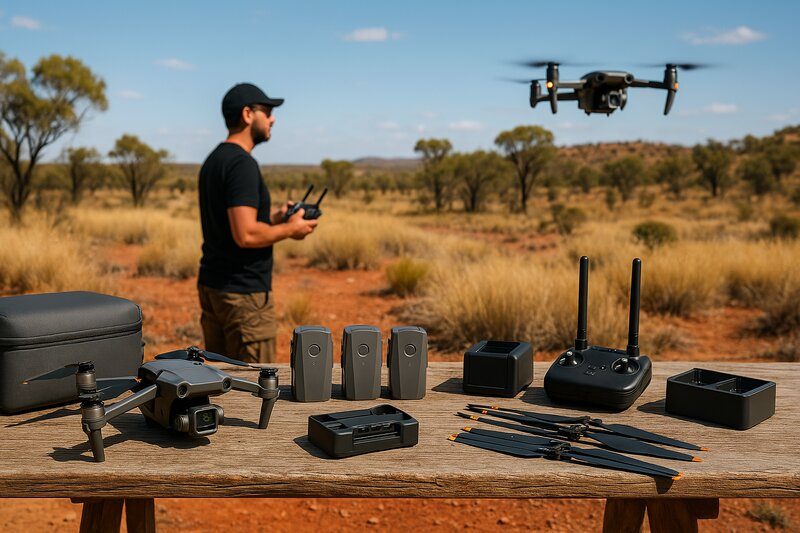
For anyone serious about flying, the DJI Mini 4 Pro Fly More Combo (DJI RC 2) is a must. It includes three Intelligent Flight Batteries, a two-way charging hub, spare propellers, ND filters, a shoulder bag, and the DJI RC 2 smart controller. The DJI RC 2 features an integrated screen, eliminating the need for a smartphone and improving setup speed and signal reliability. This combo is perfect for extended flight sessions, travel, and professional use. Many of our students training for their Remote Pilot Licence (RePL) choose the Fly More Combo to ensure they have enough gear to meet CASA compliance and get the most out of their investment.

Should I Get the DJI Mini 3 or 4?

If you’re on the fence about upgrading, ask yourself how important omnidirectional obstacle sensing, ActiveTrack 360, and improved video transmission are. For casual users, the DJI Mini 3 Pro remains a strong contender with great video quality and a lower price point. However, the DJI Mini 4 Pro significantly enhances safety and usability, especially for those flying in tight or unpredictable environments. Many commercial operators find that the Mini 4 Pro justifies its price through time saved and shots captured more reliably. If you intend to fly in varied conditions or near obstacles, the Mini 4’s improved sensors and features offer peace of mind and professional results.

How Far Can a DJI 4 Drone Fly?

Thanks to OcuSync 4.0, the DJI Mini 4 Pro can fly up to 20 km in FCC-compliant regions and about 10–12 km in Australia under CE compliance. That said, in Australia, CASA regulations require that you always maintain visual line-of-sight unless you have a special BVLOS exemption. It’s important to prioritise safety and follow local laws, regardless of technical capability. If you’re unsure about these rules or need permission to fly in more complex areas, our team at Flying Glass can provide training or handle the flight operations for you. We also support companies applying for an Operator’s Certificate (OC), unlocking advanced flight permissions under CASA.

When Was Mini 4 Pro Released?

To clarify again: the DJI Mini 4 Pro was released in September 2023. This makes it one of the newest entries in DJI’s mini drone lineup. As of mid-2025, it is still the most advanced mini drone in the market.

What Is the Price of DJI Mini 4 Pro?

The price of the DJI Mini 4 Pro varies depending on the package:

  • Standard Package (DJI RC-N2): ~$1,199 AUD
  • DJI Mini 4 Pro + RC 2 Controller: ~$1,499 AUD
  • Fly More Combo (DJI RC 2): ~$1,899 AUD

These prices fluctuate depending on the retailer and current promotions. It’s worth keeping an eye out for bundle deals or official DJI sales.

Is the DJI Mini 5 Coming Out?

DJI has not confirmed a release date or specs for the DJI Mini 5 Pro. However, based on their historical release pattern, we may expect an announcement sometime in late 2025 or early 2026. Until then, the Mini 4 Pro remains the top-of-the-line sub-250g drone from DJI.

Does the DJI Mini 4 Pro Follow You?

Yes, and it does it remarkably well. The ActiveTrack 360 system allows the drone to follow subjects while dynamically navigating around obstacles. The system tracks movement with precision and keeps the subject framed correctly. For solo creators, action sports, or even property tours, this feature is a game-changer.

Is the DJI Mini 4 Pro a Toy?

Absolutely not. Despite its size, the DJI Mini 4 Pro is a serious piece of kit capable of producing broadcast-quality footage. It’s trusted by filmmakers, surveyors, and real estate professionals alike. However, because it is under 250g, many people mistakenly believe it’s exempt from regulations. For commercial work, even sub-2kg drones require RePL and compliance with CASA’s drone rules.

DJI Mini 4 Pro drone flying in heavy rain – can you fly a DJI Mini 4 Pro in the rain?

Flying Glass: Drone Training and Filming Services

If you’re inspired by the Mini 4 Pro’s capabilities and want to pursue drone work professionally, Flying Glass offers hands-on drone training courses across Australia. We help you obtain your RePL, understand CASA rules, and fly with confidence and legal compliance. We also offer industry mentoring and advanced flight scenario training, tailored for creatives and commercial operators. Alternatively, if you don’t want to invest in licences or deal with complex permissions, we can handle the entire shoot for you. From branded TVCs to tourism content and coastal property footage, our team has the gear, expertise, and approvals to deliver stunning aerial content.

Final Thoughts: Can You Fly a DJI Mini 4 Pro in the Rain?

To summarise, can you fly a DJI Mini 4 Pro in the rain? Technically, yes — but you absolutely shouldn’t. The drone is not built for wet conditions, and doing so risks not only your gear but also safety and legal compliance. If you need to capture footage in poor weather, let our licensed professionals do it for you. Whether you’re considering your first drone or levelling up to the Mini 4 Pro, remember that knowledge, planning and legality are just as important as gear. If you’re serious about making drone flying a part of your work or creative process, get in touch with Flying Glass today. We’re here to help you fly safely, legally, and creatively.

Fishing drones hovering over Australian beach with bait hook setup

Fishing drones have transformed the way Australians approach beach and offshore angling. Whether you’re casting past the breakers or dropping bait offshore, drone fishing technology opens up new opportunities. In this guide, we’ll walk you through everything you need to know about fishing drones including legal considerations, gear setup, and the best drones for fishing in Australia.

Is Drone Fishing Legal in Australia?

The legality of drone fishing varies by state. In most parts of Australia, it is legal provided you follow local fishing and aviation regulations. However, there are restrictions, particularly in protected marine parks or areas with CASA-imposed no-fly zones. Anglers must ensure they comply with recreational fishing rules and airspace guidelines when flying a fishing drone Australia wide. To check if drone fishing is permitted in your area, consult your local Department of Primary Industries or equivalent authority. If in doubt, the short answer to “is drone fishing legal in Australia?” is: yes, generally — but with conditions.

What Do You Need for Drone Fishing?

Wondering what do you need for drone fishing? At a minimum, you’ll need:

  • A fishing drone (preferably waterproof)
  • A drone fishing bait release system
  • Heavy-duty line and reel
  • Drone fishing rig setup tailored to your target species
  • Experience with drone controls and fishing gear

Popular accessories include payload release clips, GPS features for hover stability, and high-resolution cameras for spotting bait balls or schools of fish. A drone fishing reel compatible with your rod setup can significantly improve efficiency and safety.

Are Fishing Drones Worth It?

If you’re asking “are fishing drones worth it?” — the answer depends on how you fish. For surf anglers who need to cast long distances, or offshore anglers wanting bait drops beyond the breakers, they offer a game-changing advantage. Investing in a fishing drone for sale Australia wide means gaining reach, precision, and access to untouched fishing spots. Many models now come with features like real-time video, return-to-home functions, and weather resistance. That said, a cheap drone for fishing might not withstand ocean winds or saltwater — quality matters.

Best Drones for Fishing Australia

Choosing the best drone for fishing Australia can be tricky. Here are top contenders:

  • Poseidon Pro 2 Fishing Drone – A powerful waterproof drone with strong payload capabilities.
  • SharkX Fishing Drone – Designed for heavy bait drops with excellent wind resistance.
  • Phantom 3 Fishing Drone – Though not waterproof, this classic model is still used with custom bait release attachments.
  • Fishing Drone Anaconda – Sold by Anaconda stores across Australia, known for value and support.

Drone Beach Fishing in Australia

Drone beach fishing is particularly popular on Australia’s east coast. With long stretches of sand and unpredictable surf, drones allow anglers to drop bait well past the breakers. When using a drone to drop fishing bait, you gain access to deeper waters and better fish. Waterproof drone fishing gear is especially useful here, as conditions can change rapidly. Always check battery levels, wind speed, and CASA flight rules before launching.

Fishing With a Drone: Setup and Tips

Setting up for fishing with a drone takes some trial and error. Here’s a simplified drone fishing setup to get you started:

  1. Attach a drone fishing bait release clip or mechanism.
  2. Pre-rig your line with suitable weight and hook (e.g., using drone fishing hooks that are extra strong).
  3. Deploy the bait using manual or remote-release while hovering over your chosen drop point.
  4. Once dropped, fly your drone back manually or use return-to-home.

Don’t forget to practise in open fields before taking to the water. Proper handling will prevent accidents and maximise drone lifespan.

Waterproof Drone Fishing Options

A waterproof drone fishing model gives peace of mind. Accidental splashes or ocean landings won’t ruin your drone. Some newer drones like the Poseidon Pro 2 fishing drone can even land on water, ideal for boat-based angling or deep-water bait drops.

Drone Fishing Boats and Accessories

Some anglers combine their drones with small fishing drone boats to drop bait silently. These can be particularly effective when paired with drone fishing videos for live monitoring of fish schools or underwater conditions. While not as common, some fishing drones include sonar capabilities and automated tracking, bringing a high-tech edge to your fishing experience.

Drone Fishing: Safety and Legal Reminders

While using a drone for fishing is exciting, safety must come first. Here are a few reminders:

  • Stay within visual line of sight at all times
  • Do not fly over people or boats
  • Check local regulations regarding drone fishing bait release
  • Use fully charged batteries and check firmware updates regularly
  • Avoid flying in poor weather or high winds

Fishing drones hovering over Australian beach with bait hook setup

Where to Find Fishing Drones in Australia

If you’re ready to buy, there are multiple retailers offering fishing drone for sale Australia wide. Stores like Anaconda, BCF, and dedicated online retailers offer bundles including payload releases, spare parts, and tutorials. Models range from beginner-friendly to advanced, suiting every budget from cheap drone for fishing options to pro-level units.

Drone Fishing in 2025: What to Expect

The popularity of fishing with a drone continues to rise. With innovation in AI flight controls, automated bait deployment, and even drone tracking of fish movements, the future is bright. Expect to see tighter regulation, smarter safety protocols, and continued development of drones purpose-built for Aussie conditions. As technology progresses, the question won’t be “can drones be used for fishing?” — it will be, how advanced can they get?

Final Thoughts

Drone fishing brings a fresh dimension to an age-old sport. With the right gear, training, and respect for the rules, anglers across Australia can tap into deeper waters and bigger catches. From the trusty Phantom 3 fishing drone to cutting-edge models like the SharkX fishing drone, options abound. Just be sure to research, practise, and enjoy the incredible possibilities that come with using fishing drones.

Aeroo Drone

At Flying Glass, we’re always on the lookout for the latest innovations in drone technology across Australia. One name that has sparked interest in the local and global drone communities is the aeroo drone. But what is it about this drone that has caught so much attention? Is the Aeroo Pro just hype or is it truly a game-changer? Let’s dive into a comprehensive overview, looking at performance, features, pricing, and comparisons with other brands like DJI.

What is the Aeroo Drone?

The aeroo drone is a robust, consumer-friendly drone designed primarily for high-performance outdoor tasks. The standout model in the range is the Aeroo Pro – a drone built with durability, power, and advanced fishing capabilities in mind. But it’s not just for anglers; with its weather-resistant design and top-tier specs, it’s catching the eye of drone enthusiasts, cinematographers, and commercial users across Australia.

Disclaimer: All product specifications and features referenced here are accurate at the time of writing, based on publicly available information from the official Aeroo Pro page.

Aeroo Drone Price in Australia

One of the most common questions we get asked is about the aeroo drone price. In the Australian market, the base model of the Aeroo drone typically starts at AUD $1,299, with the combo kit priced at $1,599. This is competitively priced for a long-range, weather-resistant fishing drone with pro features. It compares well against alternatives like the DJI Mavic 3 or Autel Evo series.

Where Are Aeroo Drones Made?

Where are Aeroo drones made? Aeroo drones are designed, tested, and supported from the company’s headquarters in Warriewood, on Sydney’s Northern Beaches in Australia.

Aeroo Pro Drone: Key Features

The Aeroo Pro is the flagship model in the Aeroo drone lineup. It has been optimised for tough weather conditions and marine environments, making it a favourite among those looking for reliable weather-resistant drones.

  • Weather-resistant Design: The Aeroo Pro is built for rugged environments with a corrosion-resistant shell and internals, handling salt spray and winds over 50 km/h.
  • Payload Release: Especially relevant for the Aeroo Pro fishing drone, it features a bait release system for surf fishing.
  • Flight Time: Up to 45 minutes on a full charge.
  • Camera: Integrated 4K camera with stabilisation for aerial filming and fishing surveillance.
  • Controller Range: With a maximum control range of 16 km (FCC), 14 km (SRRC), or 10 km (CE), it supports coastal drop-and-return flights.

What is the Range of the Aeroo Drone?

What is the range of the Aeroo drone? The Aeroo Pro drone model offers a flight range of  roughly 10 km, with improved transmission for live video and bait drop applications.

What is the Top Speed of the Aeroo Pro Drone?

What is the top speed of the Aeroo Pro drone? It reaches a Max horizontal speed 62 km/h, making it quick enough for responsive control in gusty conditions and efficient enough for fishing runs or quick aerial surveys. This speed range is impressive, especially for a weather-resistant drone with a heavy payload capacity.

Is the Aeroo Pro Drone Waterproof?

Is the Aeroo Pro drone waterproof? Not quite – but it is weather-resistant, with a sealed body and salt-resistant coating. It’s built to operate in rain, wind, and marine environments, but it’s not designed for water landings or floating.

Aeroo Drone

Image courtesy of Aeroo Drones

Aeroo Pro Fishing Drone: Built for Anglers

When it comes to the Aeroo Pro fishing drone, this drone has carved out a niche in the recreational fishing community. With a reliable payload release system and weather resistance, anglers can cast bait beyond the surf without needing a boat. Whether you’re on the Gold Coast or the rugged west coast of WA, the Aeroo Pro brings a practical, safe, and effective solution to long-distance surf casting.

Aeroo Drone vs DJI Drone

So how does the aeroo drone vs DJI drone debate stack up? DJI is known for innovation, image quality, and automation, especially with drones like the Mavic 3 Pro and Mini 4 Pro. The Aeroo Pro, by comparison, wins in niche use cases like weather resistance, surf fishing, and payload delivery.

Feature Aeroo Pro DJI Mavic 3 Pro
Weather Resistance Yes No
Payload Release 1kg payload, with emergency release and waypoint memory No (requires third-party mods)
Flight Time 45 mins 46 mins
Camera 4K UHD, 12MP, 1/2.6″ CMOS sensor, f/2.2 lens, 6X digital zoom, on a 3-axis gimbal 5.1K with Hasselblad optics
Price AUD $1,299+ AUD $3,500+

In summary, DJI remains the king for cinematic work, while Aeroo dominates in rugged, niche applications like coastal fishing and high-resilience terrain operations.

Are Aeroo Drones Any Good?

Are Aeroo drones any good? Based on our experience and industry feedback, they’re a strong contender in their category. While they may not compete with DJI’s cinematic polish, the Aeroo range – especially the Pro – excels in toughness, weather-resistance, and utility. For certain applications like bait casting, search and rescue, or marine environments, they outperform pricier drones simply by being purpose-built.

Aeroo Pro Drone Review: Pros and Cons

We’ve tested and reviewed the Aeroo Pro drone across varied conditions. Here’s our balanced take:

Pros:

  • Weather-resistant and corrosion-protected build
  • Reliable payload release for bait casting
  • Integrated 4K camera
  • Simple to operate, even for beginners
  • It includes multiple smart sensors for altitude, obstacle awareness, GPS positioning, and automatic return-to-home.

Cons:

  • Limited camera settings compared to DJI
  • No obstacle avoidance or cinematic shooting modes

Conclusion

If you’re looking for a drone that can handle rough Aussie conditions, carry a fishing payload, and operate confidently in wet, windy, and marine conditions, the aeroo drone – particularly the Aeroo Pro – is worth serious consideration. While it may not appeal to those chasing cinematic quality, it’s an excellent solution for fishers, tradies, remote operators, and marine rescue users looking for a practical, rugged tool with high return on investment.

As always, if you’re looking to learn more about drone operations, licensing, or get hands-on with training in Australia, Flying Glass offers comprehensive drone training courses to help you get certified and fly safely and legally.

Drone That Follows You Follow-me

Imagine capturing stunning aerial footage of your cycling adventure, your morning surf, or a trail run through rugged Australian bushland – all hands-free. Enter the drone that follows you, a technological marvel transforming how we record personal and professional moments. Whether you’re a content creator, athlete, or outdoor enthusiast, a drone that follows you automatically can revolutionise your storytelling.

What Does It Mean When a Drone Follows You?

When people ask, “What does it mean when a drone follows you?”, they are referring to a feature known as “Follow Me Mode”. This allows the drone to lock onto and track a subject – usually via GPS, visual recognition, or controller signal – maintaining consistent footage without manual control. It’s become particularly popular among cyclists, surfers, skiers and filmmakers alike.

Is There a Drone That Can Follow You?

Absolutely. There is more than one drone that follows you available in Australia, with increasing options for automated tracking and subject following. If you’ve been wondering, “Is there a drone that can follow me automatically?” – the answer is a resounding yes.

How to Make a Drone Follow You

The method depends on the model. Generally, you enable the Follow Me function through the drone’s app or controller. Some drones use GPS from your phone or controller. Others use vision sensors or ActiveTrack-like systems. So, if you’re asking “How to make a drone follow you?” – the key is activating the right mode and making sure GPS or visual tracking is functioning properly.

Which Drone Follows You Automatically?

If you’re searching Which drone follows you automatically?”, here are a few top-tier options:

  • DJI Air 3 – Dual-camera drone with ActiveTrack 5.0 for intelligent subject tracking
  • Skydio 2+ – Fully autonomous with 360-degree obstacle avoidance, excellent for trail runners
  • DJI Mavic 4 Pro – High-end camera and advanced tracking capabilities, great for professionals
  • Autel EVO II Pro – Strong subject-tracking features and extended battery life

Follow-Me Drone for Trail Running

Trail runners in Australia are increasingly turning to drones to record their rugged paths. A Follow-Me Drone for trail running should be compact, avoid trees, and lock onto the subject even in mixed lighting conditions. Skydio 2+ is currently considered the gold standard, thanks to its AI and obstacle avoidance.

“Follow Me” Drones for Cycling

“Follow Me” drones for cycling are ideal for cyclists wanting to document long rides or races. Look for drones with long battery life, good speed tracking, and excellent image stabilisation. The DJI Air 3 and Autel EVO Nano+ are compact and keep up with cyclists on the road or trail.

Drone That Will Follow Me Unmanned While Surfing

If you’re asking, “Is there a drone that will follow me unmanned while surfing?” – yes, but you need something robust and water-resistant. While most drones aren’t waterproof, models like the SwellPro SplashDrone 4 are specifically designed for water-based sports. Ensure you’re flying in permitted areas and that GPS lock is strong, as water reflections can interfere with vision tracking.

Best Follow Drone: Features to Look For

Searching for the best follow drone? Here are features to prioritise:

  • Obstacle Avoidance – Especially crucial for bush trails or urban environments
  • Battery Life – Look for at least 25–30 minutes of flight
  • Tracking Modes – GPS and visual tracking combined gives the best reliability
  • Camera Quality – 4K or better for professional-looking footage
  • Speed – Can the drone keep up with your pace?

What Is Follow Me Mode on a Drone?

Follow Me mode is a setting that allows the drone to autonomously track and follow a subject. Depending on the drone, this might be triggered by your phone’s GPS location, the controller’s signal, or visual subject recognition.

Are There Any Drones That Can Follow Me Automatically?

This is one of the most common questions we get: Are there any drones that can follow me automatically? Thankfully, the answer is yes, and the technology is improving fast. Most higher-end consumer drones released in the last few years include some form of automatic tracking mode, though the accuracy and reliability vary across models.

Drone That Follows You

Can I Get My Drone to Follow Me?

If you already own a drone and are wondering “Can I get my drone to follow me?”, check your user manual. If it’s a DJI, Autel or Skydio model from the past few years, chances are it includes some form of Follow Me or ActiveTrack functionality. You might just need to enable it in the settings or app.

Follow-Me Drone Recommendations (Australia)

Here are our top Follow-Me drone recommendations available in Australia:

  • DJI Mini 4 Pro – Compact, legal under sub-250g drone rules, includes tracking
  • DJI Mavic 3 Pro Cine – Our own go-to for commercial jobs, with amazing camera and tracking
  • Skydio 2+ – Fully autonomous and perfect for sports

If you’re unsure what drone suits your needs, contact us and we’ll help guide you to the right setup. We also offer hands-on flight training and equipment setup as part of our drone courses.

Drone Who Follows You vs. Drone That Follows You

Both phrases – drone who follows you and drone that follows you – are searched often. But rest assured, these are the same thing: a device using GPS or vision-based systems to keep you in frame while you’re on the move. Whether you’re chasing kangaroos or carving through waves, it’s the perfect personal cinematographer.

How Far Away from Yourself Are You Allowed to Fly Your Drone If Follow Me Mode Is Activated?

In Australia, CASA regulations apply regardless of automation. So even with Follow Me mode activated, you must still fly:

  • Within visual line-of-sight
  • Below 120 metres above ground level
  • At least 30 metres away from other people

This means you can’t simply let the drone fly over the horizon while you ride. It must remain within your sight at all times. For fully autonomous operations beyond visual line-of-sight (BVLOS), you’ll need a ReOC and specific CASA authorisation.

Want the Shots Without the Hassle?

If you don’t have the right drone or the necessary permission to capture what you need, we can help. At Flying Glass, we offer professional drone services across Australia, including sports, commercial and film shoots. We have drones that follow subjects with cinematic precision – and the know-how to do it legally and safely.

Want to Learn to Fly Commercially?

If you’re serious about taking control, we also run drone training courses to help you gain your RePL (Remote Pilot Licence) and fly legally for commercial purposes. From basic skills to complex flight modes like Follow Me, we cover it all at our certified training centres.

Conclusion

There truly is a drone that follows you – in fact, several. Whether you’re into adventure sports, content creation, or just want amazing travel footage, the latest generation of follow-me drones has you covered. From trail running to surfing, cycling to hiking, these autonomous flying companions are smarter and more reliable than ever before. Just remember to follow CASA rules, and if you’re unsure – we’re here to help.

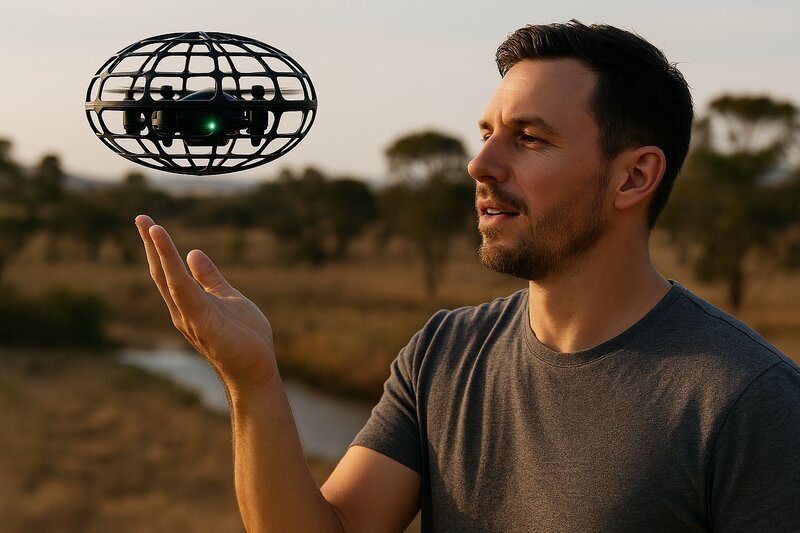
Drone with Hands Gesture drones

The phrase drone with hands is becoming more popular, but what exactly does it mean? In 2025, it could refer to a few exciting innovations:

  • Gesture-controlled drones you can fly with hand movements.
  • Flying ball drones and hand sensor drones for kids and beginners.
  • Drones you can hand-launch and hand-catch safely.
  • Robotic drones with grippers (hands) for industrial applications.

In this guide, Flying Glass breaks down everything you need to know about drone with hands technology, how to choose the right model, and the future of hands-free flying. If you’re serious about taking your drone skills further, check out our professional courses at SkyMedia Training.


What is a Drone with Hands?

The term “drone with hands” can mean:

  1. Gesture-Controlled Drones: Drones that respond to simple hand gestures instead of a remote control.
  2. Hand Sensor Flying Ball Drones: Toys that hover above your palm and respond to motion.
  3. Hand Launch / Hand Catch Drones: Lightweight drones that can be thrown into the air or safely caught.
  4. Drones with Robotic Grippers: Specialised drones that can grab or manipulate objects (industrial use).

In this post, we’ll focus mainly on gesture-controlled flying and hand-controlled fun drones – the most common things people mean when they search “drone with hands.”


Gesture-Controlled Drones

Modern drones come with built-in gesture controls, making flying easier and more interactive. Instead of using a controller, you can:

  • Launch a drone from your palm.
  • Move your hand left, right, up, or down to control flight.
  • Take photos or record videos with a hand signal.

Popular Gesture-Controlled Drones:

DJI Mini 4 Pro

  • Weight: Under 250g (read our drone rules under 250g guide)
  • Gestures: Palm takeoff, palm landing, selfie gestures.
  • Best for: Beginners to intermediate flyers.

DJI Air 3

  • Weight: 720g
  • Gestures: Smart Capture for easy photo and video commands.
  • Best for: Enthusiasts and aerial photographers.

DJI Spark (Legacy Model)

  • Weight: 300g
  • Gestures: Original hand control pioneer; launched DJI’s gesture tech.
  • Best for: Entry-level fun.

Gesture control is perfect for casual flying, selfies, and when you want to impress friends without fiddling with a controller.


Flying Ball Drones and Hand Sensor Drones

These small drones are designed to hover and respond to motion sensors around their body. Kids and adults can:

  • Launch by tossing into the air.
  • Control altitude and direction with hand waves.
  • Play indoor games with obstacle-avoiding flight.

Best Flying Ball Drones:

Force1 Scoot LED Drone

  • Features: LED lights, 360° sensors, automatic obstacle avoidance.
  • Best for: Kids aged 6+ and indoor fun.

JJRC H100 Flying Ball

  • Features: Hand-controlled flips and tricks.
  • Best for: Beginners and novelty gifts.

These are safe, affordable, and a fantastic introduction to drone technology for young flyers.


Hand Launching and Hand Catching Drones

Many lightweight drones can be safely launched from your palm or caught by hand. This is a practical skill, especially when flying in rough terrain where landing on the ground could damage your drone. Top Drones for Hand Launch and Catch:

Drone Features Notes
DJI Mini 4 Pro Palm launch, precision hover Light and stable for hand launches
DJI Mini 3 Pro Compact design Easy to catch on low battery
DJI Spark Gesture takeoff Early hand-launch leader

Tips for Safe Hand Launching:

  • Only attempt with lightweight drones.
  • Keep propellers away from your face.
  • Practice palm launches with the drone in GPS mode for stability.

Future Tech: Drones with Real Hands

Although it’s less common for casual users, industrial drones with robotic arms or grippers are being developed for:

  • Precision farming
  • Rescue missions
  • Package delivery
  • Infrastructure inspection

Companies like DJI and Flyability are pioneering this sector, creating drones that can manipulate physical objects mid-flight. While not what most searchers mean by “drone with hands,” it’s exciting to see how fast this technology is evolving.

Drone with Hands Gesture drones


Best Drones with Hand Control in 2025

Drone Key Features Ideal For
DJI Mini 4 Pro Advanced gesture control, 4K HDR video Travel and aerial photography
DJI Air 3 Dual cameras, gesture selfies Prosumer videography
Force1 Scoot Hand sensor flying ball Kids and beginners
JJRC H100 Fun indoor obstacle drone Young flyers and gifts

Flying Glass recommends the DJI Mini 4 Pro as the perfect balance of professional features and hand-control fun.


FAQs: Drone with Hands

What is a drone you can fly with your hands?

A gesture-controlled or hand sensor drone that responds to your hand movements instead of a traditional controller.

Are flying ball drones safe for kids?

Yes, most are made with soft materials and obstacle sensors for indoor safety.

Can I hand-launch any drone?

No, only lightweight drones under 600g are safe for palm launches.

How do I control a drone with gestures?

Use hand signals detected by the drone’s cameras and sensors — usually an open palm or wave gesture.

Where can I learn to fly drones professionally?

Check out SkyMedia Training for CASA-approved drone courses.


Conclusion: Fly Smarter with a Drone with Hands

Whether you want a fun flying ball drone for your living room, a professional DJI drone you can launch from your hand, or you’re curious about the future of robotic “hand” drones — there’s never been a better time to explore drones with hands. At Flying Glass, we’re here to guide you through smart drone choices, safe flying practices, and professional training. Ready to get airborne? Contact Flying Glass today for expert advice on choosing your next drone — whether it’s for hand launching, hand controlling, or hands-free flight mastery.

DJI Mavic 4 Enterprise Drone Australia New Release

The DJI Mavic 4 is one of the most highly anticipated drone releases of 2025. While DJI has not officially launched the Mavic 4 at the time of writing, a wave of credible leaks and rumours gives us a strong idea of what to expect.

At Flying Glass, we’re just as excited as you are, and not just for our professional Film and TV work. As an authorised DJI reseller, we will have the Mavic 4 available as soon as it’s released, ready for Australian professionals who demand the best.

Plus, with our drone consultancy services, we can help you prepare for operations over people (OONP), including parachute system setups and CASA Instrument approvals — once the Mavic 4 is officially released and certified.

Let’s dive into everything we know – and speculate a little – about the DJI Mavic 4.


When Is the DJI Mavic 4 Expected to Launch?

Current rumours suggest that DJI will officially unveil the Mavic 4 in mid-2025, potentially in time for the northern hemisphere summer.

Typically, DJI follows a 2–3 year cycle for Mavic releases. The Mavic 3 launched in late 2021, so a 2025 release window fits perfectly.

Leaked shipping manifests and early regulatory filings point to a major product announcement within the next few months.

Flying Glass will be among the first in Australia to have the Mavic 4 available for pre-order and purchase once DJI makes it official.


DJI Mavic 4: Rumoured Specs and Features

While no specs are confirmed, industry insiders have pieced together likely features based on leaked prototypes, supply chain reports, and DJI’s historical product strategy.

Here’s what we might see:

Weight

  • Expected to weigh under 1 kilogram for standard models.
  • Likely around 950 grams, optimised for portability and compliance with international drone regulations.

Keeping the Mavic 4 lightweight would make it easier for professional operators in Australia to meet CASA requirements for different categories of drone operations.

Cameras and Lenses

DJI is rumoured to double down on imaging, possibly including:

  • New Hasselblad 4/3 CMOS Sensor for the main camera.
  • Upgraded Telephoto Lens with improved low-light performance.
  • Higher-resolution SuperZoom lens capable of up to 30x hybrid zoom.
  • Support for 10-bit D-Log M and possibly Apple ProRes recording on the Pro model.
  • New lens coatings for reduced glare and better colour accuracy.

There are also whispers of a swappable lens system, similar to what we see in the Inspire range, although this seems less likely given the Mavic’s compact design goals.

Obstacle Avoidance and Flight Time

  • Improved Omnidirectional Obstacle Sensing with new side-facing sensors.
  • New APAS 6.0 system for autonomous navigation around complex obstacles.
  • Expected maximum flight time of 40–42 minutes, thanks to more efficient motors and batteries.

Enterprise Features

  • Likely launch of an Enterprise version (Mavic 4E) with:
    • RTK module support for precision mapping.
    • Thermal imaging payload options.
    • Modular accessories (beacons, speakers).

This would make the Mavic 4E a true workhorse for surveying, inspection, and public safety work.


Will the DJI Mavic 4 Have a Parachute System?

Although nothing is confirmed yet, based on previous trends, it’s highly likely that:

  • Approved parachute systems will become available shortly after the Mavic 4’s release.
  • DJI or third-party safety system providers (like Indemnis or ParaZero) will certify parachutes for the Mavic 4 once it’s on the market.

Once an approved parachute system is available, the Mavic 4 could be used legally for operations over people (OONP) under a CASA Instrument, similar to how the Mavic 3 has been certified.

Flying Glass can assist with:

  • Supplying approved parachute systems for the Mavic 4.
  • Helping operators apply for CASA Instruments once the drone and parachutes are officially certified.

If you’re planning to fly over crowds, public events, or populated areas, it’s smart to start preparing now — even before the drone is officially out.


Flying Over People: What You Need to Know

In Australia, you cannot fly a drone over non-consenting people unless:

  • The drone has an approved safety system like a parachute.
  • You obtain a CASA Instrument of Approval for OONP.
  • You comply with all operational conditions, including minimum drop heights and maximum impact energy limits.

Flying Glass offers drone consultancy services to streamline this process. Once the Mavic 4 is certified, we can help you:

  • Equip it with the correct parachute.
  • Develop your Operational Safety Case (OSC).
  • Submit and manage your CASA Instrument application.

How Flying Glass Will Support DJI Mavic 4 Buyers

As an authorised DJI reseller, Flying Glass is your trusted Australian source for the Mavic 4 series.

We’ll offer:

  • Genuine DJI Mavic 4 drones direct from DJI.
  • Pre-order options to guarantee your spot in the queue.
  • Full support and training for professional operations.
  • Consultancy for compliance, including REOC support and OONP approvals.

We’ll also have bundles that include:

  • Drone + Certified Parachute System.
  • Drone + RePL training
  • Drone + Enterprise Accessories (for mapping, inspections, thermal ops).

Register your interest today at Flying Glass and be the first to know when the DJI Mavic 4 lands in Australia.

DJI Mavic 4 Enterprise Drone Australia New Release


Should You Wait for the DJI Mavic 4?

If you’re considering a drone upgrade right now, here’s our honest take:

Wait for the DJI Mavic 4 if:

  • You need the latest imaging technology.
  • OONP compliance is essential to your operations.
  • You want the best obstacle avoidance and flight times.

Buy a Mavic 3 Enterprise or Inspire 3 now if:

  • You need a drone immediately for commercial jobs.
  • You require features that are already proven and available.
  • Your operations can’t be put on hold for a few months.

Flying Glass can help you choose the right path — whether that’s jumping on a Mavic 3E today or waiting for the Mavic 4’s arrival.


Prepare for Takeoff: The Next Steps

The DJI Mavic 4 isn’t just a drone — it’s shaping up to be a massive leap forward for Australia’s commercial drone industry.

Flying Glass is ready to support you every step of the way:

And don’t forget to check out our Flying Glass Showreel to see how we push drone technology to its limits — and how you can too.

Drone Accessories Australia Gear Guide DJI

Whether you’re a casual flyer, a professional cinematographer, or a licensed drone operator, choosing the right drone accessories Australia has to offer can transform your flying experience. The right gear will protect your drone, improve your footage, and make every flight smoother and safer. At Flying Glass, we are an authorised DJI reseller and your trusted source for all drone accessories Australia-wide. In this comprehensive guide, we cover everything you need to know about drone accessories, from the must-haves to the nice-to-haves, and show you exactly what you need to get the most out of your DJI drone.


Why Drone Accessories Matter

Buying a drone is just the beginning. Accessories extend your flight time, protect your investment, improve your imagery, and help you meet legal and safety requirements in Australia. Whether you fly recreationally or commercially, investing in high-quality drone accessories Australia trusts ensures you are ready for any situation.


Essential Drone Accessories Australia for 2025

1. Drone Batteries

Extra batteries are a must-have. Flight times for even the best DJI drones, like the Mavic 3 Pro or Mini 4 Pro, are usually under 45 minutes.

  • DJI Intelligent Flight Batteries: Longer life, built-in management.
  • Battery Charging Hubs: Charge multiple batteries at once.

Popular Batteries:

  • DJI Mavic 3 Series Batteries
  • DJI Mini 4 Pro Batteries
  • DJI Air 3 Batteries

2. Propellers and Propeller Guards

Spare Propellers

Propellers are fragile. Always carry spares to avoid being grounded. Options:

  • DJI Low-Noise Propellers
  • Quick Release Folding Propellers

Propeller Guards

Protect your drone, especially when flying indoors or in tight spaces. Options:

  • DJI Mini 4 Pro Propeller Guard
  • DJI Avata Propeller Guard

3. Drone Cases and Backpacks

A protective case is essential for transporting your drone safely. Top Picks:

  • DJI Mavic 3 Pro Carrying Case
  • Hard Shell Drone Backpacks
  • Waterproof Drone Cases

Look for padded interiors, custom compartments, and water-resistant materials.


4. ND Filters and Lens Filters

Enhance your aerial photography and videography with camera lens filters. Types of Filters:

  • ND (Neutral Density) Filters: Control exposure in bright light.
  • Polarising Filters: Reduce glare and enhance colour.
  • UV Filters: Protect the lens.

Popular Filter Kits:

  • DJI Mavic 3 ND Filter Set
  • DJI Mini 4 Pro Filter Kit

5. Landing Pads

Protect your drone from dust, debris, and uneven surfaces. Features to Look For:

  • Foldable and portable
  • High-visibility colours
  • Weighted edges for stability

Recommended Products:

  • 75cm or 110cm Drone Landing Pads
  • Waterproof Drone Landing Pads

6. Memory Cards and Storage Solutions

Capturing 4K or 5K footage requires fast, high-capacity memory cards. Best Memory Cards:

  • SanDisk Extreme Pro microSD (V30/UHS-3)
  • Samsung EVO Plus

Tips:

  • Always carry multiple cards.
  • Use rugged, waterproof storage cases.

7. Charging Solutions

Stay powered up with car chargers, portable power banks, and solar charging kits. Top Accessories:

  • DJI Car Charger
  • Power Banks with Drone Compatibility
  • Portable Solar Chargers

8. Drone GPS Trackers

Protect your investment by tracking your drone if it goes missing. Best Drone Trackers:

  • AirTags (with mounts)
  • Dedicated Drone GPS Trackers

9. Range Extenders and Antennas

Improve signal strength and extend your drone’s control range. Recommended Products:

  • Parabolic Range Extenders
  • Signal Booster Antennas for DJI Controllers

10. FPV Accessories

For FPV pilots in Australia, accessories are critical for performance and safety. Key FPV Accessories:

  • DJI FPV Goggles V2 or DJI Goggles 2
  • FPV Goggles Antennas
  • Lipo Battery Straps
  • FPV Drone Frames
  • Goggle Cases

DJI Drone Accessories Australia

Flying Glass stocks a full range of official DJI accessories, including:

  • DJI RC Controllers
  • DJI FPV Remote Controller 2
  • DJI Inspire 3 Batteries and Accessories
  • DJI Avata Motion Controllers
  • DJI Mini 4 Pro Intelligent Flight Batteries
  • DJI Mavic 3 Pro ND Filters

As an authorised DJI reseller, Flying Glass ensures you receive genuine products with full Australian warranty support.


Drone Accessory Kits and Bundles

Save money and get everything you need with accessory bundles. Popular DJI Bundles:

  • DJI Fly More Kits (for Mini 4 Pro, Mavic 3 Series, Air 3)
  • FPV Combo Kits
  • Cinewhoop Accessory Packs

Specialised Drone Accessories

Commercial Drone Accessories

For professional operators:

  • Payload Drop Systems
  • Agricultural Spraying Attachments
  • Thermal Cameras (DJI Zenmuse)
  • RTK Modules for Surveying

Recreational Drone Accessories

For hobbyists:

  • LED Drone Lights
  • Stick-on Skins and Decals
  • Drone Racing Gates and Flags
  • Drone Accessories Australia Gear Guide DJI

Drone Safety Accessories Australia


Where to Buy Drone Accessories in Australia

Store Highlights
Flying Glass Authorised DJI reseller, expert advice
JB Hi-Fi General consumer drone accessories
Harvey Norman Limited range, DJI focus
Camera House Filters, bags, and storage
Specialist FPV Shops FPV-specific accessories

Always buy from a trusted Australian seller to ensure warranty support and fast shipping.


Drone Accessories Australia FAQs

What are the best drone accessories for beginners?

Extra batteries, propeller guards, a landing pad, and a good backpack.

What drone accessories are essential for photographers?

ND filters, extra memory cards, and high-capacity batteries.

Do I need a landing pad for my drone?

Yes, especially when flying in dusty, sandy, or grassy areas.

Are DJI accessories worth it?

Yes, genuine DJI accessories are built to integrate seamlessly and come with warranty support.

Can I use any microSD card in my DJI drone?

Use high-speed cards (V30 or UHS-3 rated) for reliable 4K video capture.

Where can I find drone accessories in Australia?

Flying Glass offers a full range of genuine DJI and third-party drone accessories Australia-wide.


Final Thoughts on Drone Accessories Australia

Choosing the right drone accessories Australia has available can dramatically enhance your flying experience. From extending your flight time to capturing cinematic masterpieces, the right gear transforms your drone from a fun toy into a serious tool. Flying Glass proudly stocks Australia’s best range of DJI drones and drone accessories. As an authorised DJI reseller, we offer expert advice, genuine products, and full Australian warranty support. Ready to upgrade your kit? Contact Flying Glass today for all your drone accessories Australia needs!

FPV Drone Australia 2025 Buyer's Guide

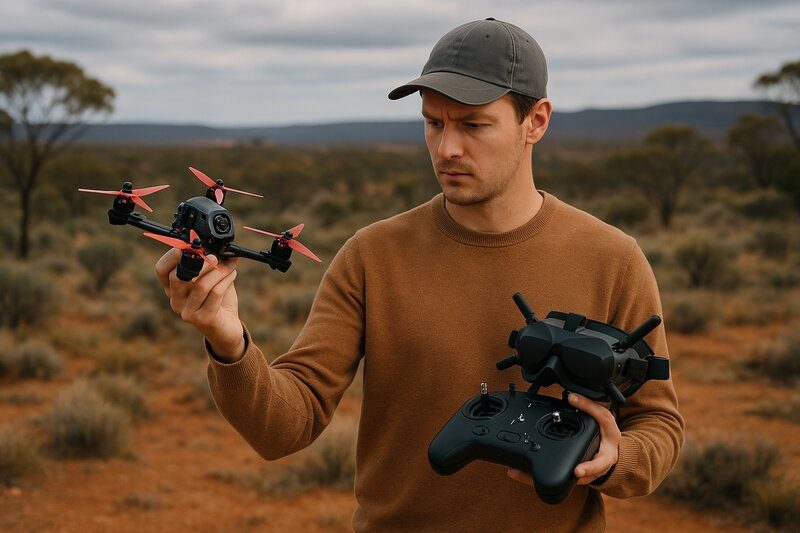
In recent years, FPV (First Person View) drones have exploded in popularity across Australia. From racing enthusiasts to cinematic content creators, more people than ever are strapping on goggles and exploring FPV Drone Australia in an immersive, high-adrenaline way. But FPV drones aren’t just exciting – they’re also versatile tools with serious real-world applications.

Unlike traditional camera drones, FPV drones allow the pilot to experience flight from the drone’s perspective. Using live video transmitted to goggles or a headset, operators can perform fast, agile movements and create breathtaking footage that would be impossible with stabilised flight alone. This makes FPV systems ideal for racing, freestyle flying, indoor manoeuvres, and dynamic tracking shots in film and TV production.

Whether you’re new to FPV drones or looking to upgrade your setup, it’s important to understand the options available – especially with Australia’s drone laws and gear choices changing quickly. That’s where this guide comes in. We break down the best FPV drones for 2025, essential gear to consider, local rules from CASA, and where to buy from trusted Australian suppliers.

Flying Glass is proud to support both recreational and professional drone users. As experienced aerial cinematographers and DJI authorised resellers, we understand what pilots need at every level – from casual weekend flyers to licensed operators creating content for national broadcasters. If you’re planning to fly for fun or for work, having the right setup and legal know-how makes all the difference.

Australia’s FPV community continues to grow rapidly, and with more training, events, and drone options available than ever, there’s never been a better time to get involved. Whether you want to race gates, perform freestyle tricks, or capture a perfectly timed cinematic dive through a tight window, this guide is here to help you get started with confidence.

Ready to choose your first FPV drone or level up your existing kit? Keep reading for our expert breakdown of drone types, gear recommendations, Australian retailers, legal rules, and answers to the most common questions about flying FPV drones across Australia in 2025.

FPV Drone Australia: Complete 2025 Buyer’s Guide & Legal Tips

Introduction to FPV Drone Australia

FPV Drone Australia is booming in 2025. First Person View (FPV) drones give pilots an immersive flying experience like no other. Whether you dream of racing through obstacle courses, performing freestyle tricks, or capturing stunning cinematic shots, FPV drone Australia pilots are leading the way.

Flying Glass is your trusted drone expert and an authorised DJI reseller. If you’re ready to dive into the world of FPV drone Australia, this guide will help you choose the right gear, understand the laws, and fly safely and legally.

For drone training in Australia, check out SkyMedia Training.


What is an FPV Drone?

An FPV drone streams live video from the aircraft to the pilot’s goggles, creating an immersive, cockpit-like flying experience. FPV drones prioritise manual control over stabilised flight.

Key FPV Drone Australia Uses:

  • Freestyle flying
  • Racing competitions
  • Cinematic filming
  • Drone fishing and payload delivery

Types of FPV Drones in Australia

Ready-to-Fly (RTF)

Pre-assembled kits, perfect for beginners.

Bind-and-Fly (BNF)

Pre-built drones needing only a radio controller to bind.

Plug-and-Play (PNP)

Drones requiring a separate receiver installation.

DIY Custom Builds

Custom rigs built from frames, motors, and electronics.


Best FPV Drones in Australia 2025

DJI Avata 2 (RTF)

  • Easy to fly
  • RockSteady stabilisation
  • Cinewhoop design for safe flights

iFlight Nazgul5 Evoque (BNF)

  • 6S power
  • Acrobatic freestyle
  • Durable frame

GEPRC Cinebot 30 (RTF)

  • Compact
  • Perfect for tight filming spaces
  • Ducted propellers

BetaFPV Pavo25 (PNP)

  • Sub-250g lightweight drone
  • Easy to register

Custom Freestyle Builds

  • Ultimate control over specs
  • Tailor for racing or cinematic flights

FPV Drone Australia Gear Essentials

Frames

Choose durable and lightweight frames for performance and crash resistance.

Motors

Match motor size and KV ratings to propellers and batteries.

Electronic Speed Controllers (ESCs)

Opt for 4-in-1 ESCs for cleaner builds.

Flight Controllers (FCs)

The brain of your drone; pick one compatible with Betaflight or similar firmware.

Batteries

4S for beginners, 6S for maximum performance.

Cameras

HD cameras like the Caddx Vista, DJI O3 Air Unit.

Video Transmitters (VTX)

Higher power equals better range, but stay within legal limits.

Goggles

Top choices include DJI Goggles 2 and Fat Shark Dominator HD.

Radio Controllers

RadioMaster TX16S and DJI FPV Controller 2 are reliable picks.

Antennas

Upgraded antennas improve video quality and range.

Propellers

5-inch props dominate freestyle builds; smaller props suit cinewhoops.

Tools and Accessories

Soldering kits, field chargers, spare parts, and ND filters.

FPV Drone Australia 2025 Buyer's Guide


Where to Buy FPV Drones in Australia

Store Highlights
Flying Glass DJI authorised reseller, expert advice
FPVFaster Huge DIY parts range
Phaser FPV 5,000+ products, 3D printing supplies
Buzz FPV Wide selection of pre-builts and DIY parts
Rising Sun FPV 3D printing and gaming kits
Metro Hobbies Beginner-friendly DJI gear

Always buy from trusted Australian sellers for warranty and local support.


FPV Drone Australia Rules and Regulations

Flying FPV in Australia is regulated by CASA. Breaking the rules can lead to serious fines.

Key FPV Rules:

  • Always fly with a spotter when wearing FPV goggles.
  • Maintain unaided visual line of sight.
  • Register drones over 250g.
  • Fly below 120 metres.
  • Stay 30 metres away from people.
  • Respect CASA no-fly zones using the “Drone Fly” app.

Commercial FPV Flying

  • Requires Remote Pilot Licence (RePL) and Operator’s Certificate (ReOC).
  • Training options available via SkyMedia Training.

For full CASA guidelines, see Flying FPV – CASA.


FPV Drone Australia Training and Certification

Elevate your skills and fly legally by completing professional drone training.

SkyMedia Training Courses:

  • Remote Pilot Licence (RePL)
  • Extended Visual Line of Sight (EVLOS)
  • Beyond Visual Line of Sight (BVLOS)
  • Night Operations

Visit SkyMedia Training to enrol.


FPV Drone Australia FAQs

Is it legal to fly FPV drones in Australia?

Yes, but you must have a spotter outdoors and follow CASA safety rules.

Do I need a licence to fly FPV drones?

For recreational use, no licence is needed. For commercial use, yes — you need a RePL.

What’s the best FPV drone for beginners?

The DJI Avata 2 is ideal for new pilots.

Can I fly FPV drones at night?

Only if you hold the appropriate CASA certification.

How much does an FPV drone cost in Australia?

Expect to spend between $300 and $2,500+ depending on setup.


Conclusion: Get Started with FPV Drone Australia

FPV Drone Australia pilots are leading the world in innovation and creativity. Whether you’re drawn to cinematic flying, racing, or freestyle, there’s never been a better time to jump in.

Flying Glass is your go-to source for FPV drones, training, and support. We are an authorised DJI reseller and a trusted training partner.

Ready to get started? Contact Flying Glass today for expert advice and the best FPV drone Australia gear!

And if you want to fly professionally, make sure you explore SkyMedia Training.

Camera drone guide Australia - which one to buy

Camera drones have rapidly transformed the worlds of filmmaking, photography, and content creation. From breathtaking cinematic shots to everyday adventure footage, the ability to capture the world from above has never been more accessible — or more exciting.

At Flying Glass, we understand the importance of pairing the right drone with the right project. As an authorised DJI reseller and experienced drone cinematography company, we know what it takes to get the perfect shot. In this comprehensive guide, we’ll explore the best camera drones of 2025, highlight new releases like the Mavic 4, and explain why the DJI Inspire 3 remains the gold standard for film and TV production.

If you’re considering purchasing a drone, contact Flying Glass for expert advice and a competitive quote.


Why Camera Drones Are Essential in 2025

The demand for aerial content has never been higher. From marketing videos to blockbuster films, drone footage delivers dynamic perspectives that captivate audiences. In 2025, camera drones offer better features, smarter automation, and higher quality than ever before.

  • Accessibility: Powerful drones now fit in a backpack.
  • Affordability: Professional-grade options are within reach for many creators.
  • Advanced Technology: AI-assisted tracking, obstacle avoidance, and hyperlapse modes make professional cinematography achievable even for beginners.

Whether you’re a professional cinematographer or a weekend adventurer, there’s a camera drone tailored to your needs.


Types of Camera Drones

Mini Drones

Mini drones, like the DJI Mini 4 Pro, weigh under 250g and are perfect for travel vloggers, hobbyists, and beginners. Despite their small size, they boast impressive cameras and intelligent features.

Professional Drones

Professional drones, such as the DJI Inspire 3, deliver unparalleled image quality, stability, and control. They’re the industry standard for film, TV, and commercial projects.

FPV Drones

First-person view drones like the DJI Avata 2 offer a thrilling, immersive flying experience, ideal for racing and dynamic action shots.

Waterproof Drones

Brands like SwellPro offer waterproof drones suited for marine filming, fishing, and adventurous outdoor shoots.

Industrial Drones

Heavy-duty drones are used for inspections, surveying, and mapping. They often carry specialised cameras or sensors.


Key Features to Consider

Camera Specifications

  • Resolution: Look for 4K, 6K, or 8K video. The Inspire 3, for example, shoots stunning 8K RAW footage.
  • Sensor Size: Larger sensors mean better low-light performance and dynamic range.
  • Zoom Capabilities: Essential for creative flexibility.
  • Multiple Focal Lengths: Mavic 3 Pro and upcoming Mavic 4 offer versatile lens systems.
  • RAW Support: Needed for professional colour grading.

Flight Performance

  • Flight Time: Expect 20-45 minutes depending on the model.
  • Transmission Range: Longer ranges (up to 15 km) allow for expansive shots.
  • Wind Resistance: Critical for stable shots in outdoor conditions.

Intelligent Features

  • Obstacle Avoidance: Multi-directional sensing to prevent crashes.
  • AI Tracking: Track moving subjects automatically.
  • Cinematic Presets: Hyperlapse, QuickShots, MasterShots.
  • Waypoint Navigation: Automate complex flight paths.

Safety and Compliance

  • Return-to-Home: Automatic return if signal is lost.
  • Geo-fencing: Prevents flying into restricted areas.
  • CASA Compliance: Essential for Australian operators.

Portability

  • Foldable Designs: Mavic series models are easy to transport.
  • Weather Resistance: Some drones are rated to handle light rain and high winds.

Control Options

  • Dedicated Controllers: Offer precision and extended range.
  • Smart Controllers: Built-in screens for easy viewing.
  • FPV Goggles: Enhanced first-person experience.

Connectivity

  • Wi-Fi, Bluetooth, and 5.8GHz Links: Ensure smooth transmissions.
  • Live Streaming: Connect to social media or broadcast live footage.

The Best Camera Drones of 2025

DJI Mini 4 Pro

  • Ultra-lightweight.
  • 4K HDR video.
  • Obstacle sensing in all directions.
  • Perfect for travellers and beginners.

DJI Mavic 3 Pro

  • Triple camera system.
  • 8K video capture.
  • Outstanding low-light performance.
  • A favourite among photographers and indie filmmakers.

DJI Air 3

  • Dual primary cameras.
  • Lightweight, foldable design.
  • Ideal for creators needing versatility.

DJI Neo 2

  • Compact, stylish.
  • Excellent for selfies and social content.

DJI Avata 2

  • FPV drone for immersive shots.
  • Stabilised 4K footage.

Autel Robotics Evo Lite+

  • 6K camera.
  • 1″ CMOS sensor.
  • Brilliant HDR performance.

SwellPro Splash Drone 4

  • Waterproof body.
  • Payload release option.
  • Designed for fishing and marine applications.

DJI Inspire 3

  • 8K full-frame sensor.
  • Dual-operator control.
  • Cinema-grade footage.
  • Our workhorse at Flying Glass for TV, film, and commercial shoots.

DJI Mavic 4 (Coming Soon)

  • Rumoured 4/3 sensor upgrade.
  • Improved obstacle avoidance.
  • Better battery efficiency.
  • Expected to set a new standard for portable professional drones.

Drone Accessories Worth Investing In

  • Extra batteries and multi-battery charging hubs.
  • Polarising and ND filters.
  • Carry cases and backpacks.
  • Propeller guards and spares.
  • Smart controllers.
  • FPV goggles for immersive flying.
  • Landing pads to protect from debris.
  • GPS trackers for lost drones.

Flying Glass can source the full range of DJI accessories for your drone setup.

Camera drone guide Australia - which one to buy


Drone Laws and Compliance in Australia

  • Register your drone if it weighs over 250g.
  • Commercial pilots require a RePL (Remote Pilot Licence).
  • Obey CASA guidelines: Stay below 120m, keep drones within line of sight, and fly at least 30m away from people.
  • Use the “Drone Fly” app: Always check no-fly zones before taking off.

At Flying Glass, we can also assist with training and compliance advice for both recreational and commercial users.


How to Choose the Right Drone

  • Purpose: Travel vlogging, cinematic filmmaking, surveying, or recreational flying.
  • Skill Level: Beginner, intermediate, or professional.
  • Budget: Entry-level options (Mini 4 Pro) to premium solutions (Inspire 3).
  • Support and Warranty: Stick with authorised resellers like Flying Glass for peace of mind.
  • Futureproofing: Choose a drone that can grow with your ambitions.

Why Buy from Flying Glass?

Flying Glass is proud to be an authorised DJI reseller in Australia. When you buy through us, you benefit from:

  • Genuine Australian warranty.
  • Expert advice from experienced drone cinematographers.
  • Access to DJI’s full product range, including professional and enterprise drones.
  • Custom packages tailored to your needs.
  • After-sales support and servicing.
  • RePL drone training through our CASA endorsed training school

We don’t just sell drones — we fly them professionally every day.


Final Thoughts

The world of camera drones in 2025 is more exciting than ever. Whether you’re chasing cinematic perfection, documenting your travels, or exploring the commercial potential of drone services, there is a drone out there for you.

For professional film and TV work, nothing beats the DJI Inspire 3. For travellers and content creators, the DJI Mini 4 Pro or the hotly anticipated Mavic 4 could be perfect companions.

Ready to elevate your perspective?

Contact Flying Glass today for a personalised quote and let us help you find your perfect camera drone!